


Planting bulbs in the fall is an easy way to have a garden full of color in early spring. The warm soil combined with cooling air creates ideal conditions for bulbs like tulips and daffodils to establish strong root systems before winter. They transition into winter dormancy with roots in place. This way, they can get a jump on the growing season when it begins to warm up in spring.
While tulips and daffodils are some of the most common spring bulbsthey are far from the only ones that you can plant in the fall. Going beyond tulips, we find an assortment of other beautiful plants that don’t get nearly as much attention.
Fall bulb planting is an opportunity to design layers of interest for the spring garden. You can stagger bulbs with different bloom times to ensure long-lasting color in your beds. Let’s look at bulbs beyond tulips for some other gorgeous spring flowers that you can plant in the fall.
Sundew Double Asiatic Lily

Sundew Double Asiatic Lily Bulbs
Bulb Planting Auger

Power Planter Bulb Planting Auger
Small Cedar Elevated Planter

Small Cedar Elevated Planter
Hyacinth
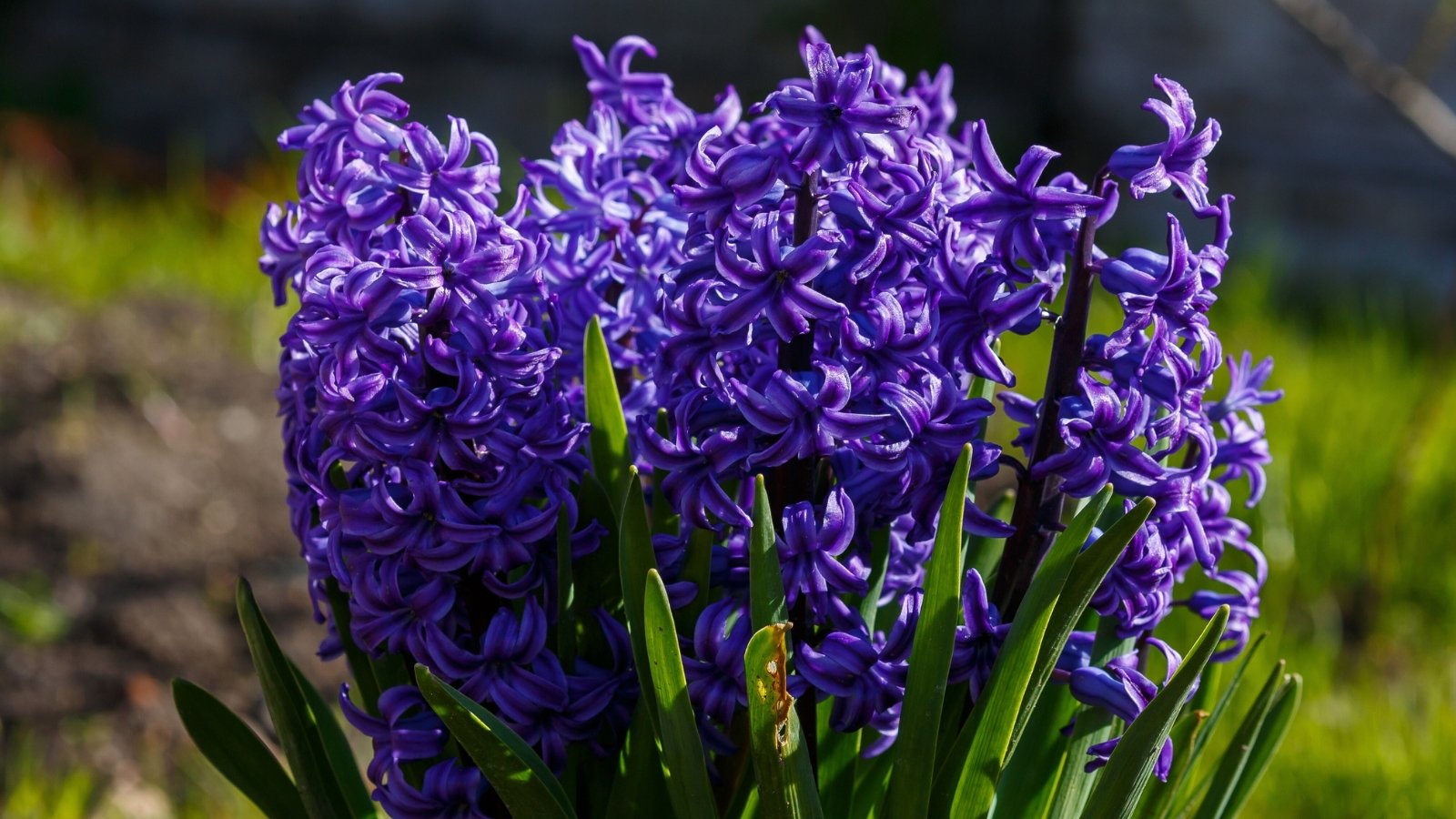
Hyacinths are classic spring bulbs beyond tulips that are best planted in the fall. These lovely blooms have the most delightful fragrance, so you’ll want to keep them close where you can enjoy their spring perfume. They need a period of chilling to do their best flowering, so plant them in October or November.
Plant your hyacinth bulbs with the pointed end up, like all bulbs. Place them about four inches deep and four inches apart. In spring, they will reward you with substantial stems covered densely in extra fragrant florets. Their vibrant colors and low growth habit make them wonderful for the front of the border.
Crocus
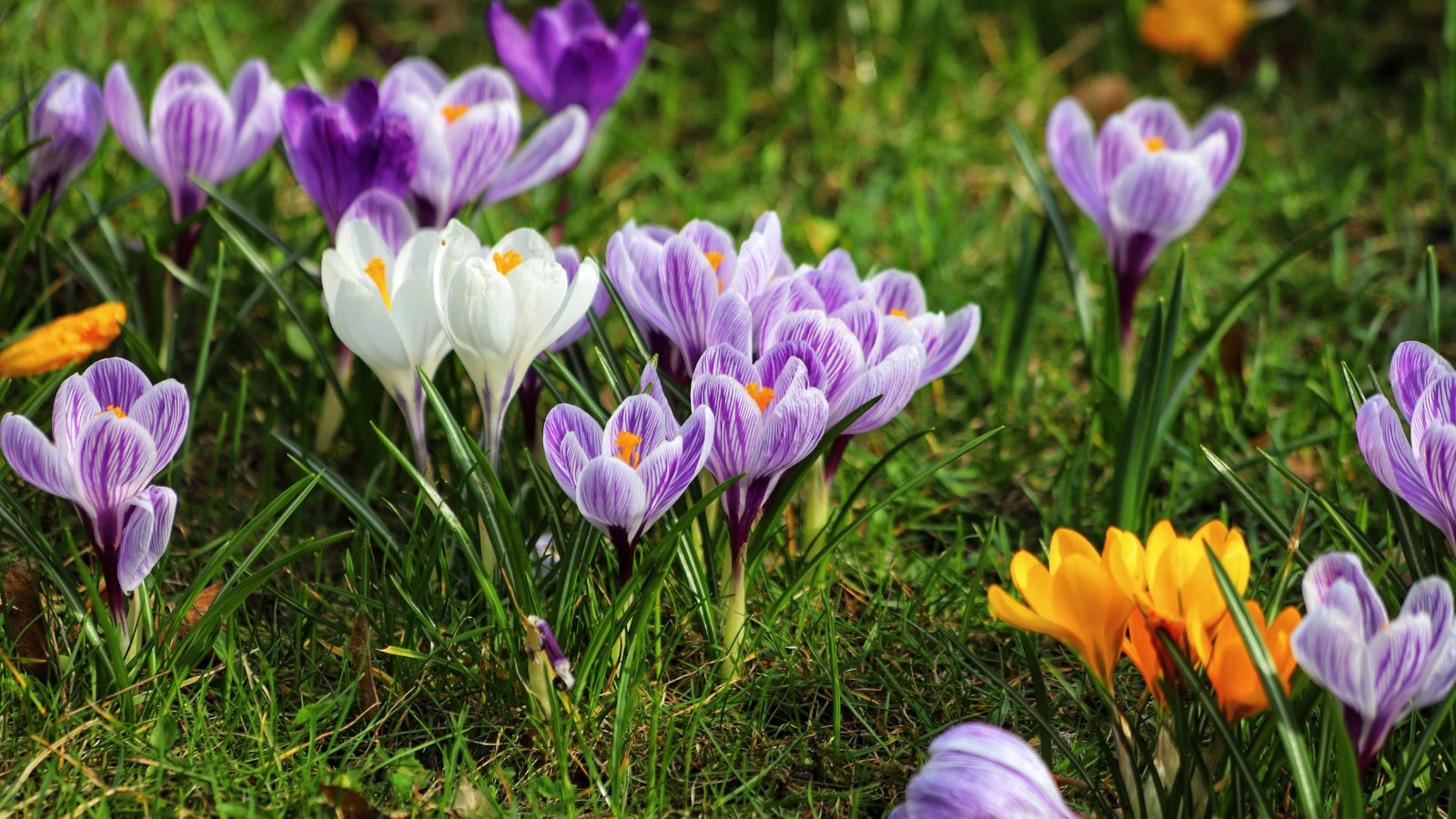
Crocuses are one of the first flowers to bloom in the spring. In fact, they often pop up while it’s still winter. It’s not unusual to see them poke their leaves right out of the snow. While tulips are showy, crocuses have a delicate beauty all their own. They are lovely when planted in clusters where they will form drifts across lawns.
Crocus bulbs are small, so you can plant a large number of them in a small space. Plant them about three inches deep and the same distance from each other. Once established, these bulbs beyond tulips are easy to maintain. They naturalize easily and provide an excellent early nectar source for pollinators.

Muscura
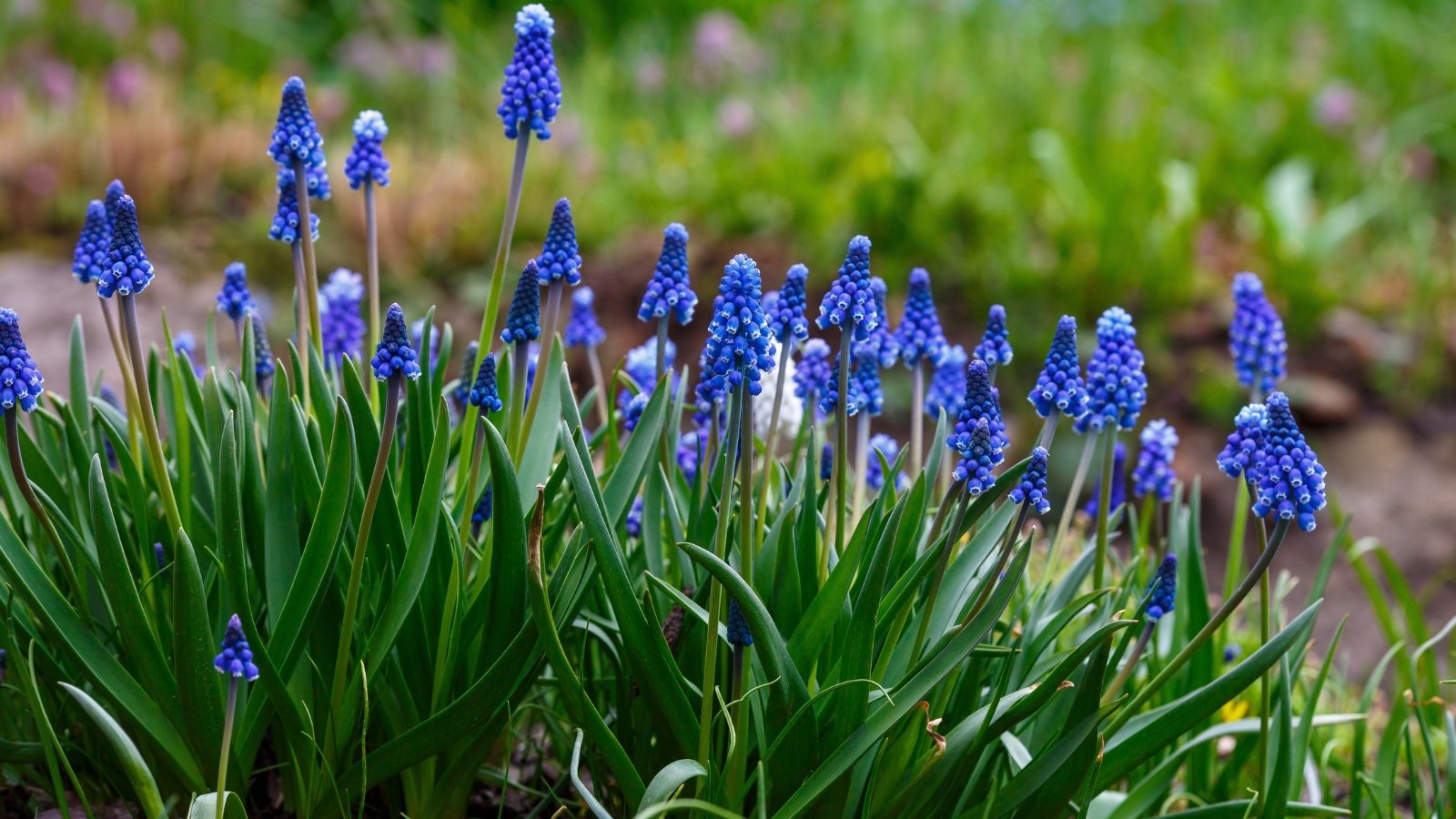
You may know muscari as grape hyacinth, its common name. These sweet little bulbs bring a carpet of delicate blue, pink, or white blooms in early spring. It’s best to plant them in the fall, so they get the cold stratification they need to bloom well.
Plant these the way you would crocuses. The bulbs are about the same size, as are the plants. These are petite and colony-forming, so plant them in groups to form striking drifts. They are low-maintenance and require little care after planting.
Snowdrop
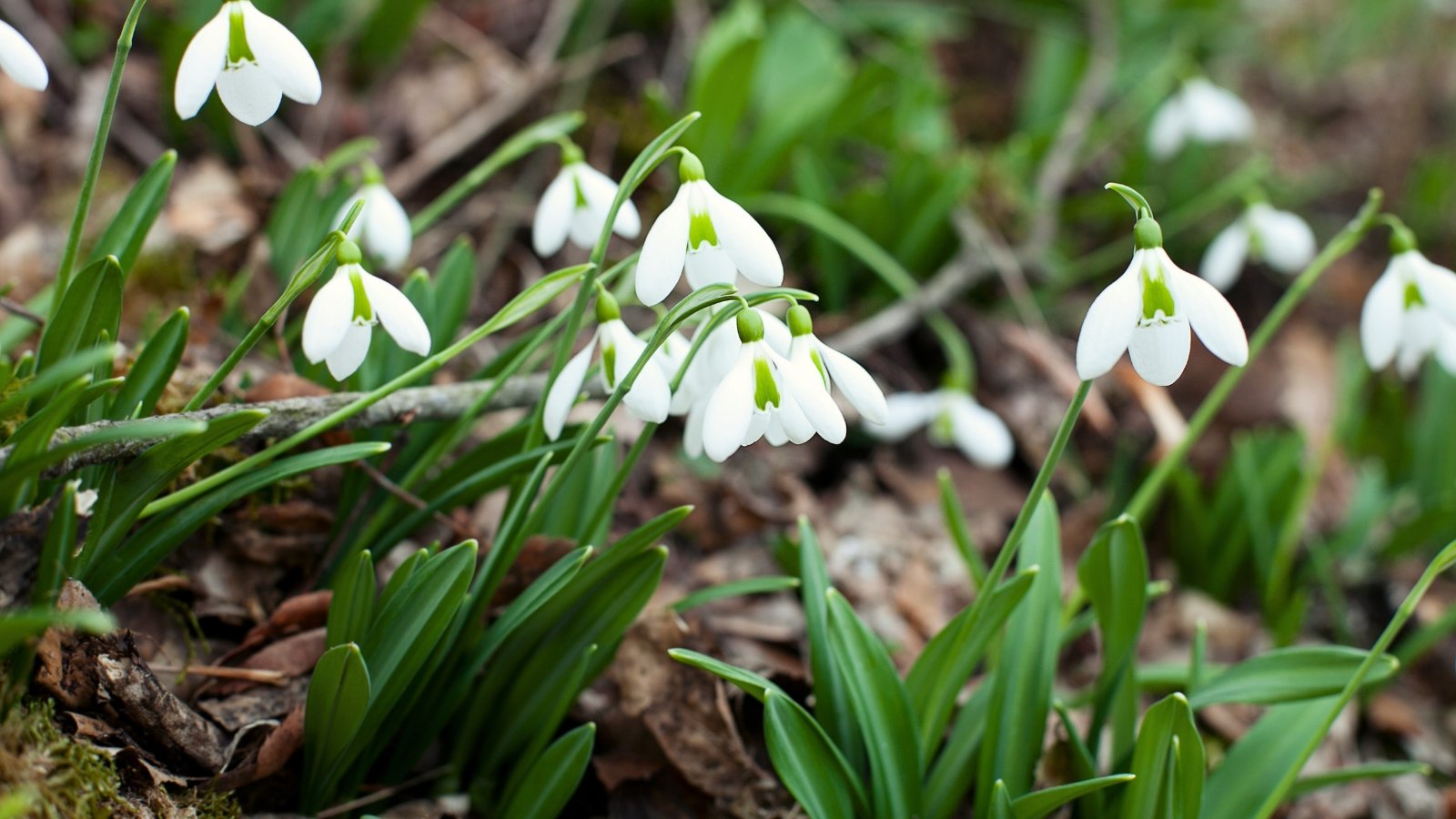
Choose bulbs beyond tulips by planting snowdrops this fall. Snowdrops are one of the earliest bloomers, often popping up in late winter. They like partial shade and moist soil, so they are excellent for woodland plantings or for planting under trees. These charming bulbs colonize over time, forming lovely drifts.
Plant these bulbs two to three inches deep with two inches between. Get these into the ground soon after you purchase them to avoid drying out. They are prone to this if they sit around too long outside of soil. They are hardy, low-maintenance, and a great early nectar source for pollinators.
Garlic
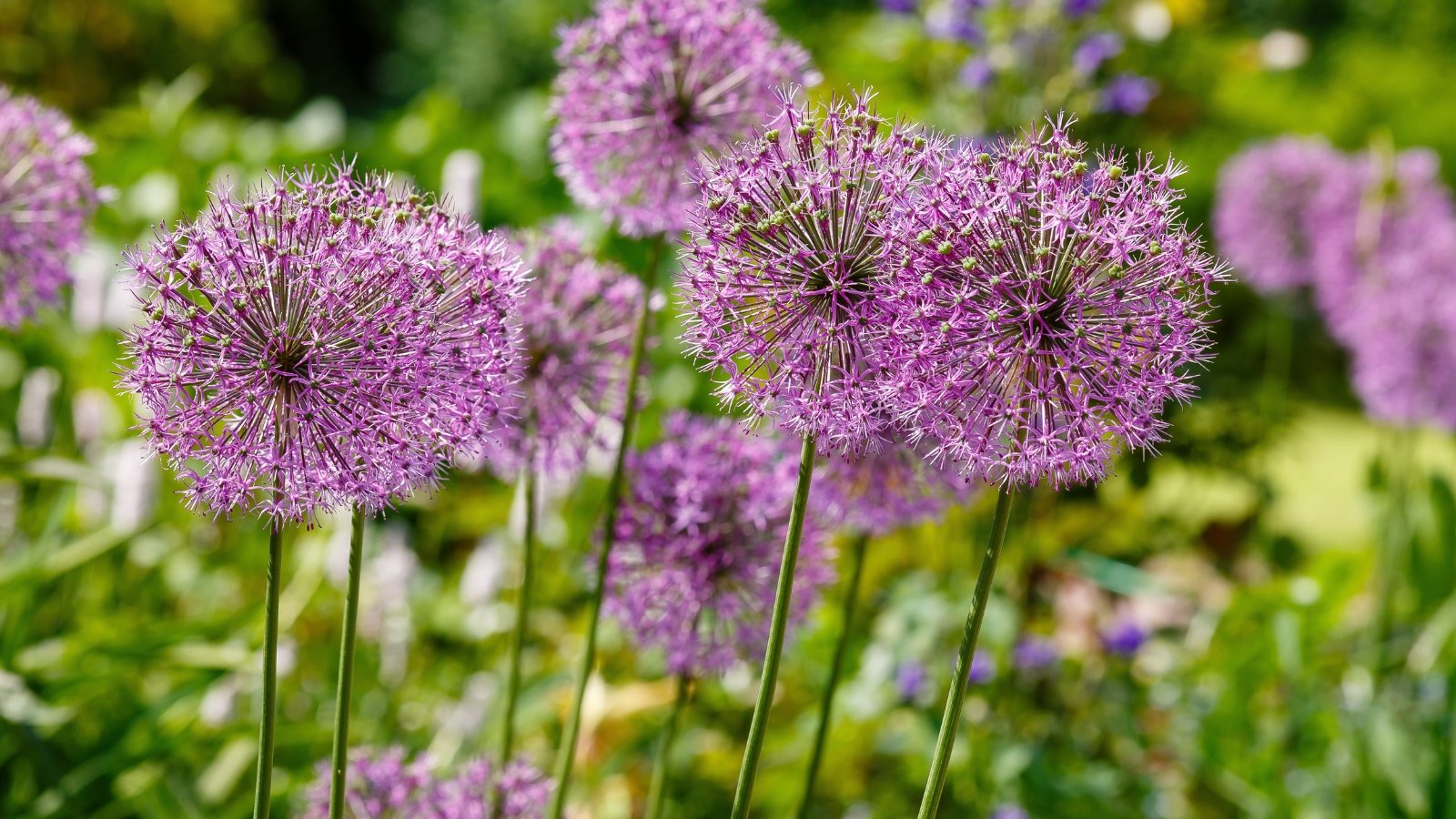
Beyond beautiful, alliums with their spectacular globe-shaped flower heads are great for layering in the garden. They come in a wide range of sizes, all the way up to six feet tall. Their often massive flower heads are striking and architectural, and they dry beautifully, too.
Allium bulbs are a bit larger, as are the plants they produce. Give these six to eight inches of space between for the larger varieties. Plant the bulbs two to three times as deep as their height. You can plant smaller varieties closer together. Their height and appearance make them wonderful for the back of the border.
Crown Imperial
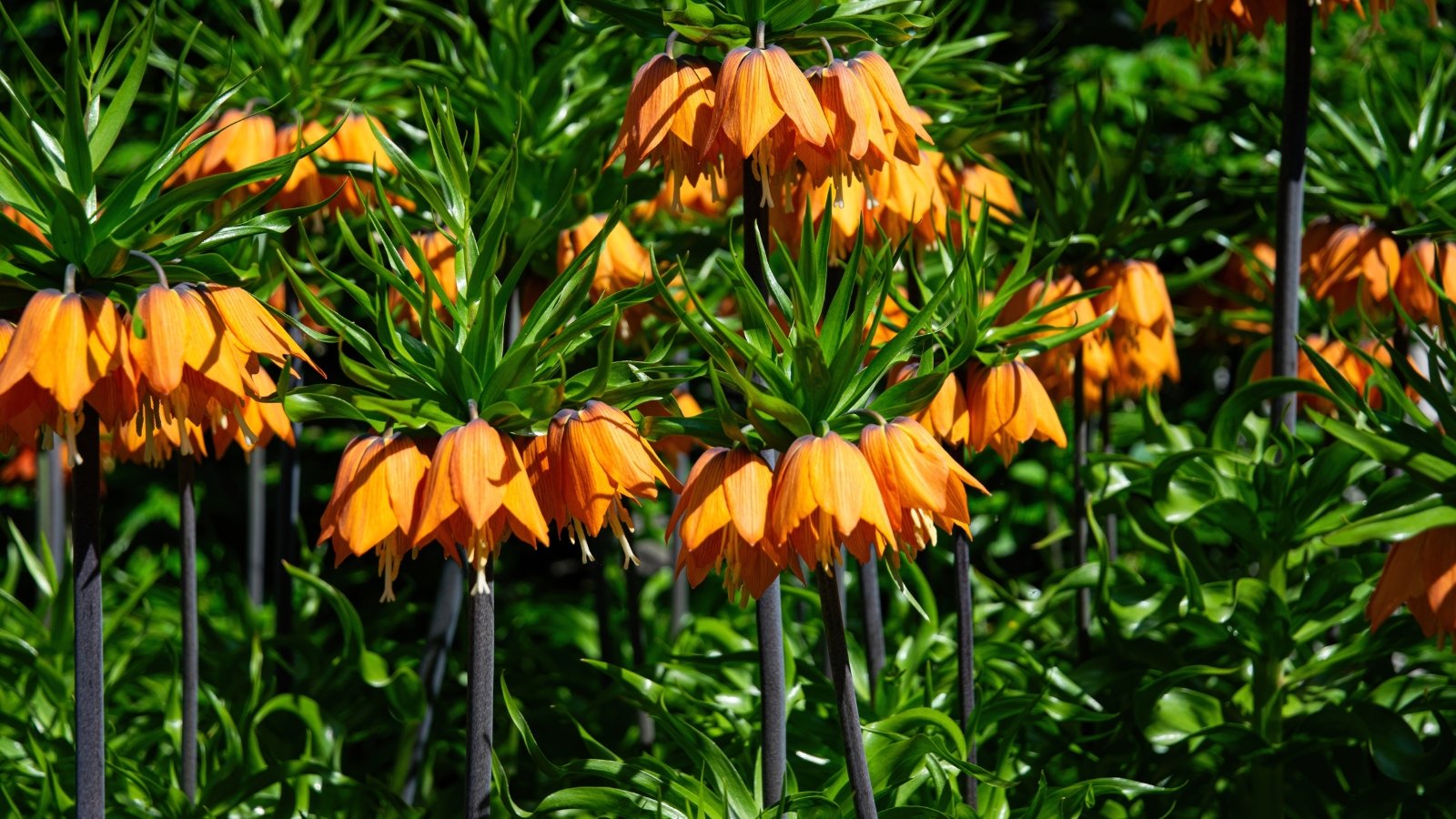
Crown imperials aren’t nearly as well-known as daffodils and tulips, but they ought to be. These stunning spring flowers are tall and colorful, with clusters of bell-shaped flowers in bold orange. Planting these will create a spring display that is over and beyond the typical flower bed.
Give your crown imperial bulbs some space. These plants are on the large side. They need about eight to 12 inches of space. Plant them six to eight inches deep. Once established, these beauties are reliable perennials that bring an exotic flair to springtime. They have a musky scent that deters deer and rodents, too.
Dutch Iris
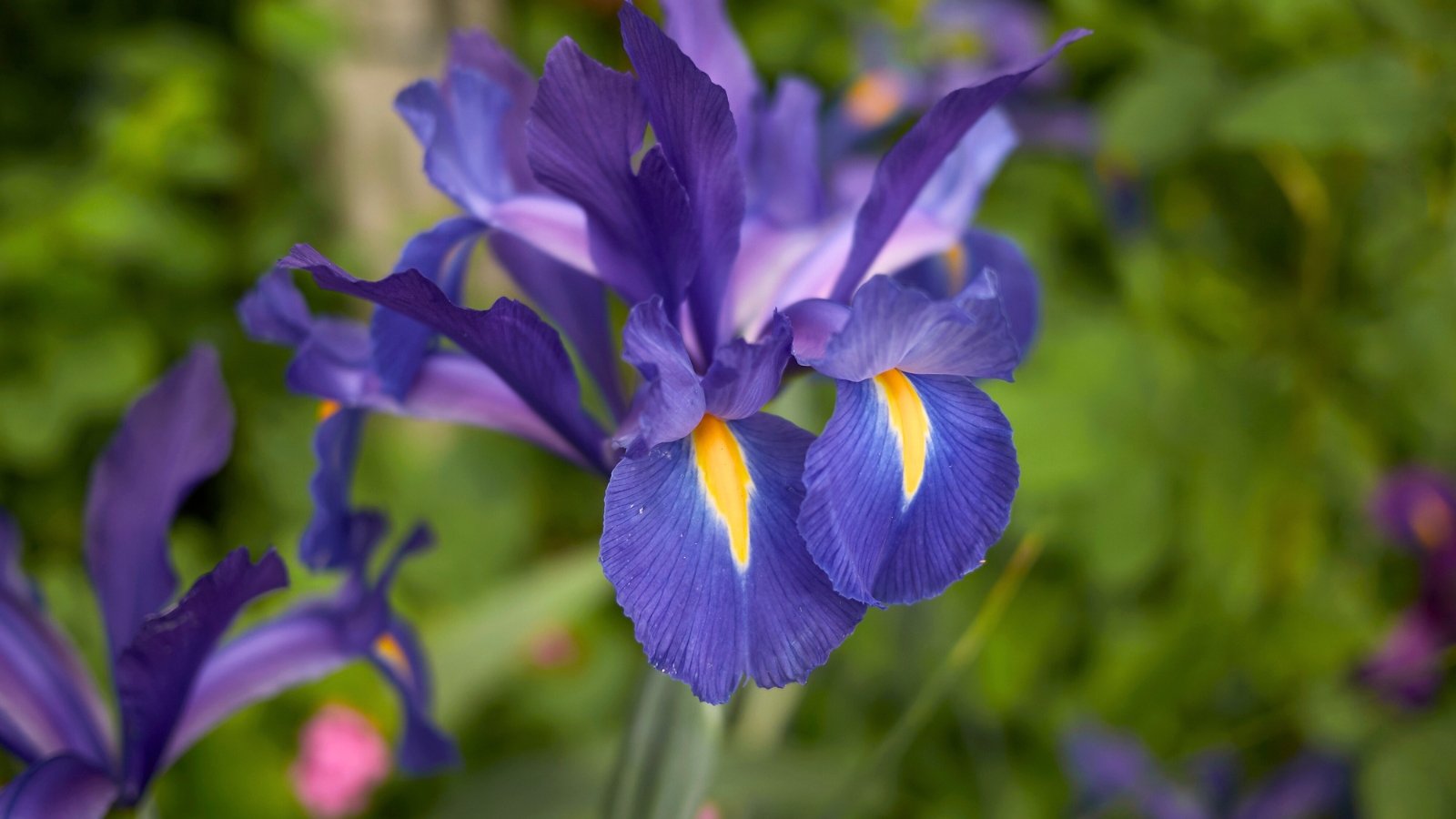
Tall and elegant, Dutch irises are perfect bulbs that go beyond tulips. Planted in fall, they can establish strong roots and be ready to bloom in late spring and beyond. They’re excellent neighbors for the more common daffodils and tulips, with their blue, purple, yellow, and white flowers.
Dutch irises are short-lived perennials that will return for several years. They make an excellent addition to the cutting garden, as their long, slender stems are perfect for floral arrangements. Space them about three to four inches deep and plant about four inches deep. Unlike tulips, irises produce more than one flower per stem, so they bloom for longer.
Paperwhite
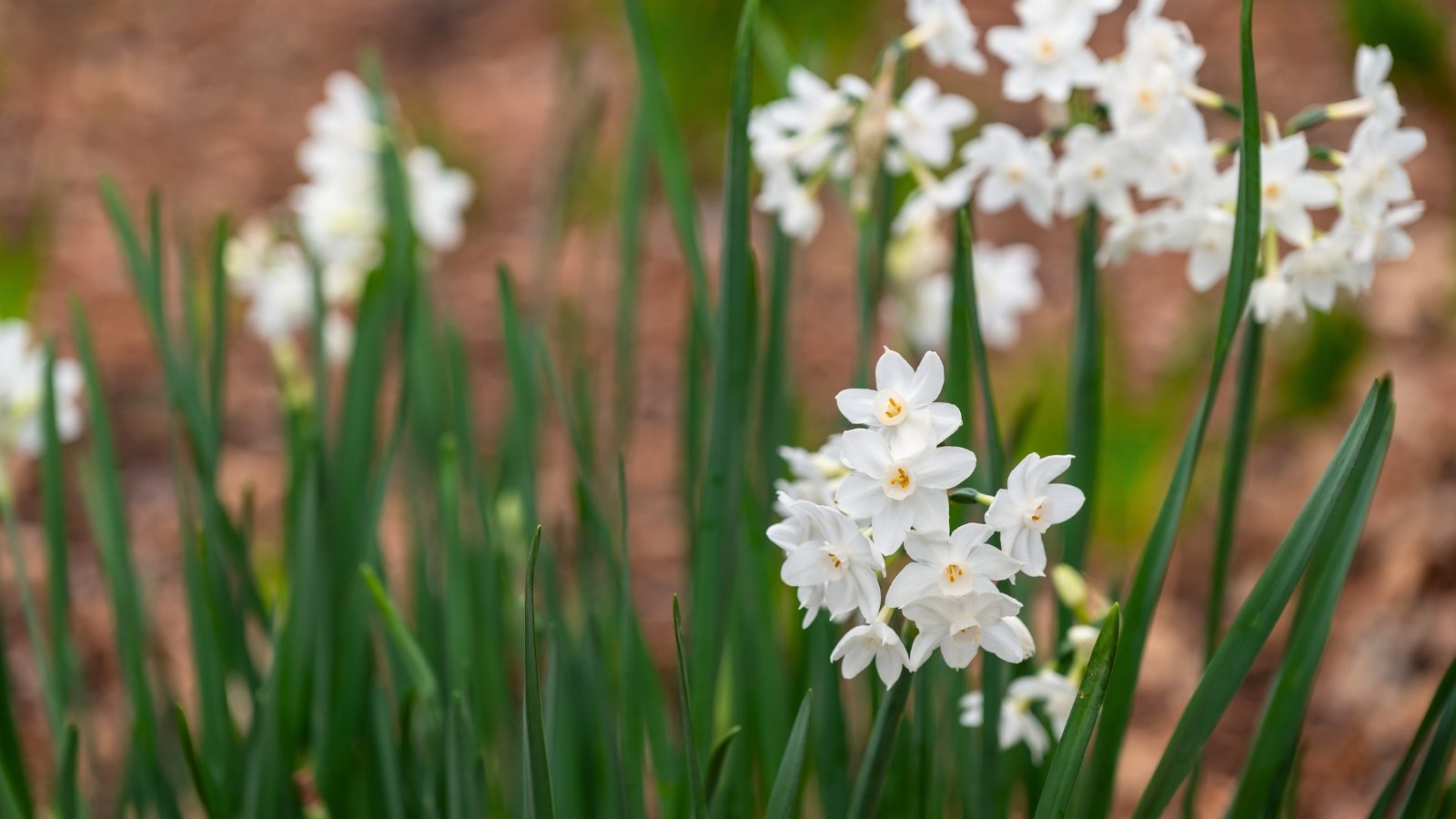
Paperwhites are related to daffodils, but have a different climate range where they grow best. While daffodils prefer cold weather, paperwhites are only perennial in zones 8 to 11. Beyond these zones, you should plant them in containers in the fall to shelter them through winter.
Paperwhites don’t require chilling like tulips do, and they don’t do well in frozen soil. If you want to grow them in cold climates, wait until the soil is workable in the spring. Plant them three to four inches deep and spaced about the same distance. Always plant your bulbs with the pointed end facing upward.
Lily
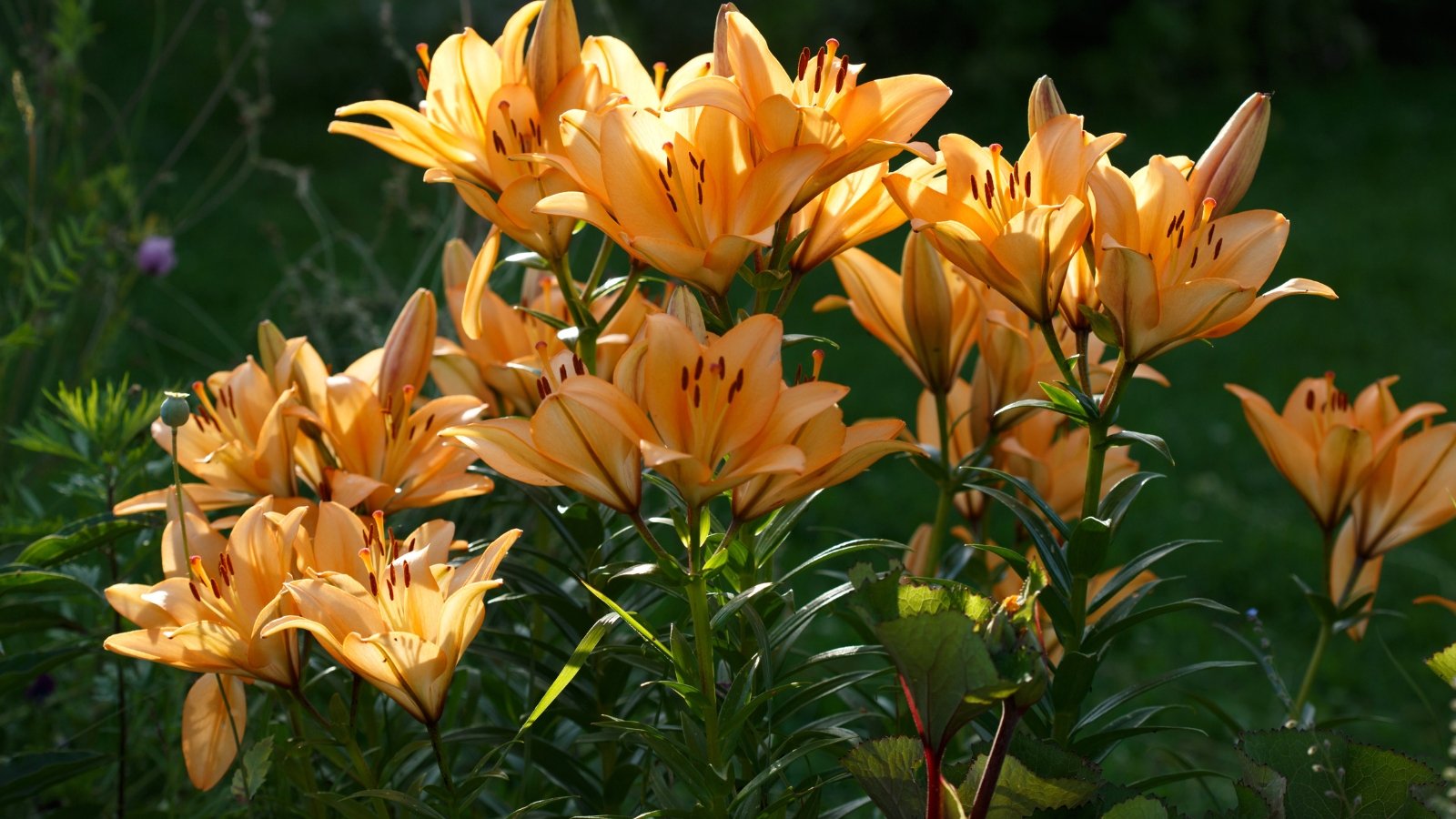
Lilies are stunning spring flowers that are great for planting in the fall. They come in a wide range of varieties across several species, and prefer full to partial sun exposure. Under the right conditions, your lily bulbs will multiply over time. These spectacular flowers are great for cutting or enjoying in the garden.
Lilies are somewhat larger plants, so they need more planting space. Give your bulbs about eight to 12 inches between. Set them six to eight inches deep in rich, well-draining soil and cover with a layer of mulch to insulate the ground. Their tall stems will rise beyond your tulips and hyacinths, so place these in the mid-ground of beds.
Anemone
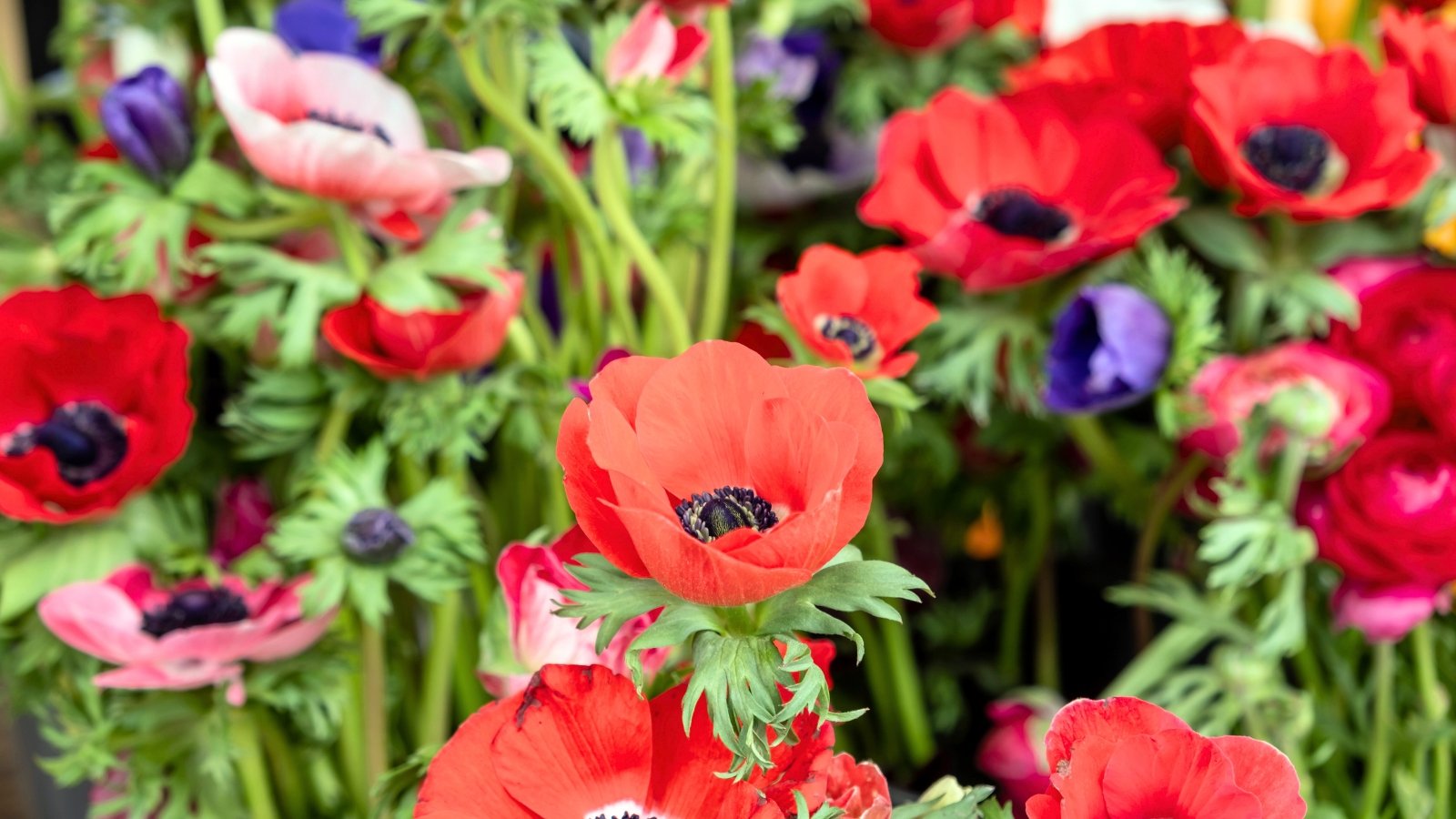
Anemones are warmer-weather flowers that brighten up the garden with their colors. They will sprout and grow through the winter in warmer regions, blooming early in the spring. They pair wonderfully with ranunculus, which have a similar growth habit and form.
Anemones technically grow from corms, which are lumpy tubers or bulb-like structures. They look incredible in the border, and they colonize, so they will form drifts over time. They are incredibly prolific bloomers, going above and beyond the usual one or two stalks that come from most bulbs.
Ranunculus
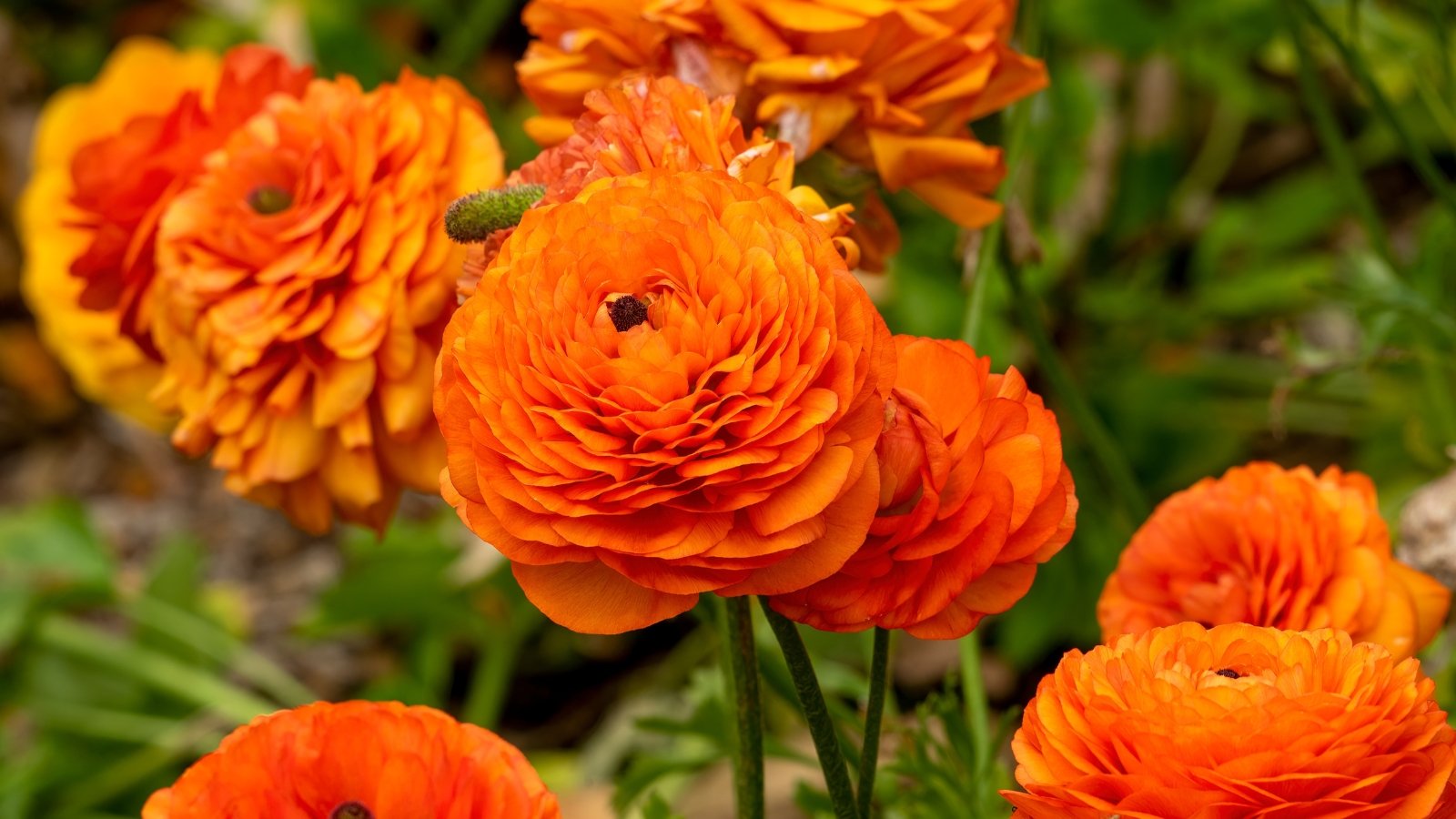
Ranunculuses are one of my spring flowers, and are particularly wonderful for the cutting garden. They belong to the same family as anemones and have a similar growth habit, though the flowers have distinct differences. A ranunculus bloom has layers upon layers of paper-thin petals that wrap around each other.
Ranunculuses resemble roses. They appear fragile and delicate, but are actually quite sturdy and long-lasting in a cut arrangement. Deadheading is a must if you’re not cutting these. It will prolong their season and dramatically increase the number of flowers they produce.
