


Vines are incredibly valuable in a garden. They cover ugly fences, create privacy where there wasn’t any, turn a bare trellis into something worth looking at, and do it all vertically so they barely take up ground space.
While there are plenty of perennial vines you can buy as established plants, some of the most beautiful and rewarding climbers are annuals grown from seed each year.
The flowering vines on this list all grow from seed sown directly outdoors or started indoors a few weeks before transplanting. Most of them are fast enough to cover a structure in a single season.
Almost all flowering vines need something to climb. Have your trellis, netting, or support in place before the plants go in.
Perfume Delight Sweet Pea
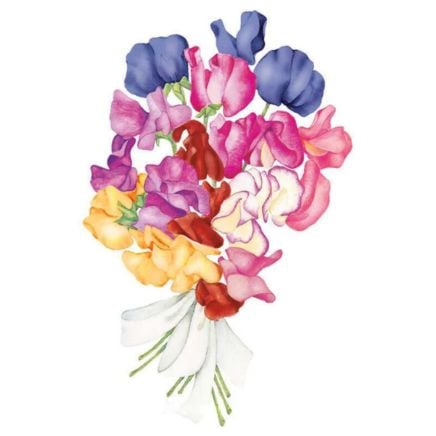
Perfume Delight Sweet Pea Seeds
Black-Eyed Susan Vine
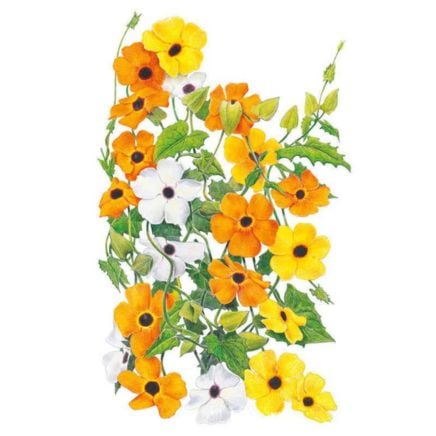
Black-Eyed Susan Vine Seeds
Funny Valentine Blend Cypress Vine
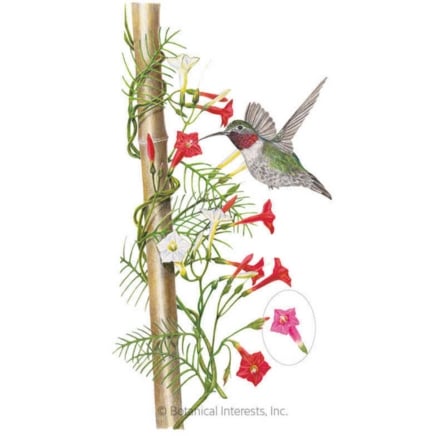
Funny Valentine Blend Cypress Vine Seeds
‘Perfume Delight’ Sweet Pea

Sweet peas are one of my favorite flowering vines to grow from seed. ‘Perfume Delight’ is a blend of vivid hues from purple to red, with the fragrance that sweet peas are famous for. It’s also more heat-resistant than many sweet pea varieties, which means a longer blooming season before the plants give out.
Soak the seeds overnight or nick them before sowing to break through the hard seed coat. The roots are sensitive to disturbance, so if you start them indoors, use biodegradable pots you can plant directly in the ground. It’s best to wait for the right time to direct sow outdoors if you can.
The fragrance is really the highlight. Some modern sweet pea varieties have been bred for bigger flowers at the expense of scent, which I think misses what makes them special.
‘Heavenly Blue’ Morning Glory

Morning glories are probably the fastest way to cover a large structure from a single sowing. The vines climb aggressively (sometimes too aggressivelyso check whether they’re considered invasive in your area before planting).
‘Heavenly Blue‘ has been around for decades and remains popular because the color is genuinely stunning. The flowers open in the morning and close by afternoon, and each day brings a new set of blooms.
Sow directly outdoors one to two weeks after your last frost. Like sweet peas, the seeds have a hard coat and benefit from scarification or an overnight soak before planting. Don’t start them too early.
Black-Eyed Susan Vine

If you want a vine that works well in a hanging basket or trailing over a container edge rather than scaling a fence, black-eyed Susan vine is a good fit. It’s less aggressive than morning glory, with a more manageable growth habit.
The flowers are small (an inch to an inch and a half across) in vibrant orange, yellow, and white, many with the dark center “eye” that gives the plant its name. They bloom all summer and the contrast between the bright petals and the black eye is striking in person.
Start seeds indoors six to eight weeks before your last frost, or direct sow once soil temperatures rise. This one needs warm soil to germinate well and won’t do much until the heat of summer kicks in, so patience is required in cooler regions.
‘Funny Valentine’ Cypress Vine
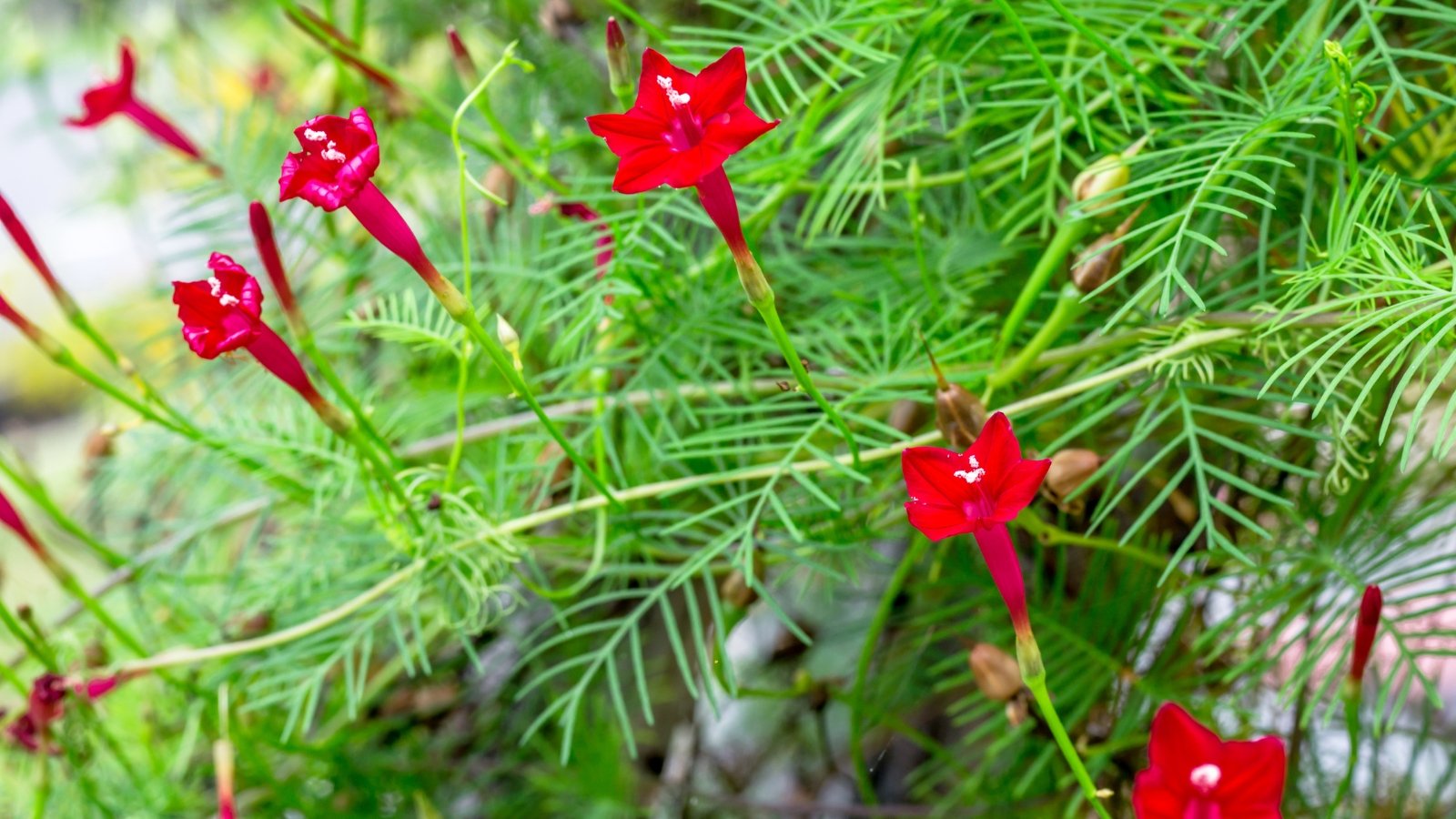
Cypress vine combines delicate foliage with small tubular flowers in red, pink, and white. The foliage alone is worth growing, as it creates a soft, feathery screen that looks exotic and tropical even though the plant is easy to grow in most climates. The flowers are a bonus, and hummingbirds find them irresistible.
This is an easy flowering vine to grow from seed. It doesn’t need rich soil or heavy feeding. The blooms stay open all day (unlike morning glory blooms, which close by afternoon), so you get continuous color. Most parts of the plant are toxic, so keep that in mind with placement.
‘Ruby Moon’ Hyacinth Bean
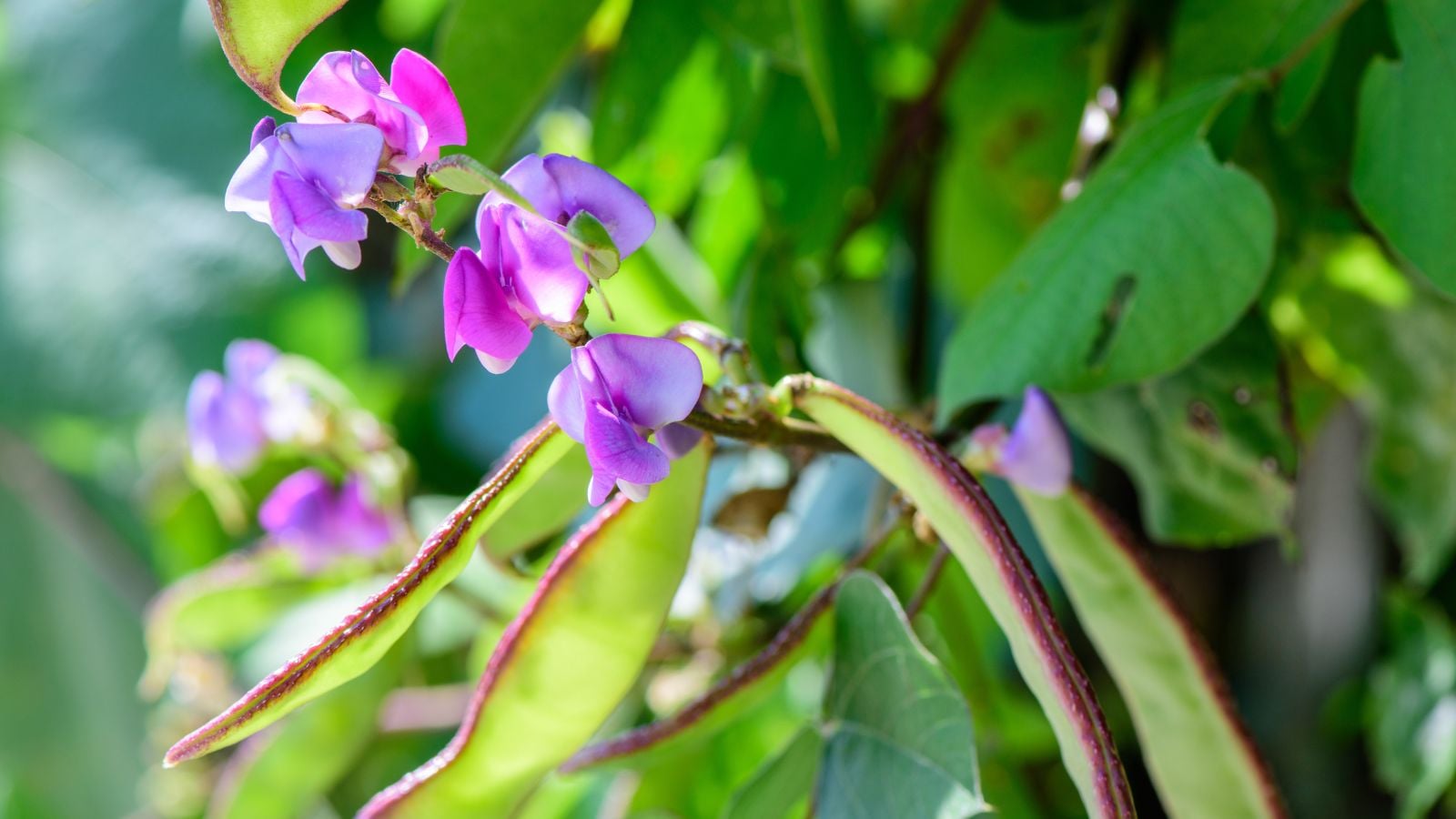
This is one of the most ornamental vines you can grow from seed, and it’s not just about the flowers. ‘Ruby Moon‘ produces clusters of purple, sweet-pea-shaped blooms followed by glossy, deep purple pods that are beautiful in their own right. The foliage is a mix of green and purple too, so the entire plant has something going on from top to bottom.
The vines are fast and vigorous once the soil warms up, but they won’t germinate in cold ground. Wait until soil temperatures are at least 65°F (18°C), ideally 70 to 85°F (21 to 29°C). Sow directly outdoors after frost.
The pods contain toxins and aren’t recommended for eating, despite the plant being related to edible beans. Grow it for the display, not for harvest.
Cardinal Climber
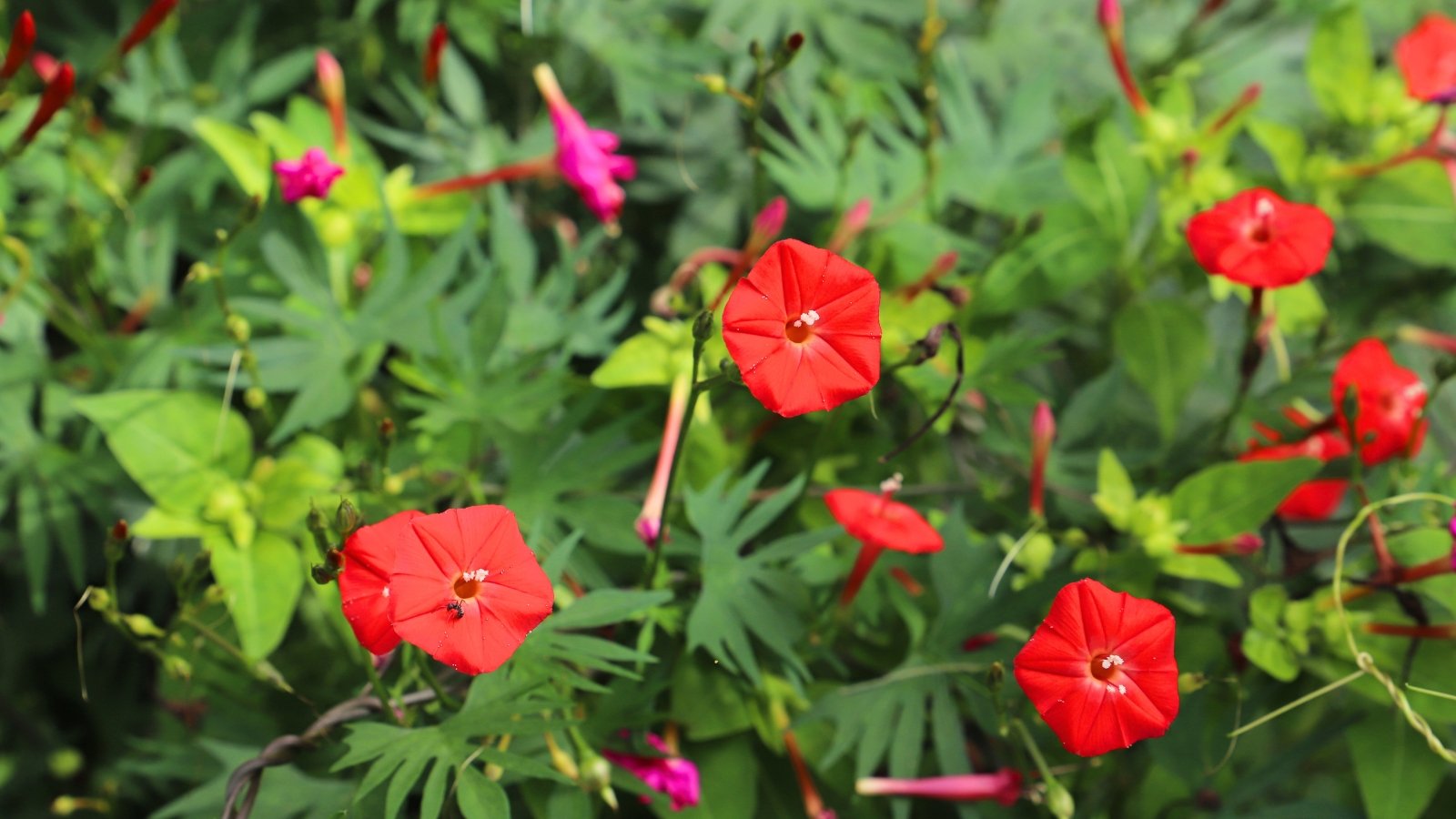
Cardinal climber is a hybrid between cypress vine and morning glory, and it inherited the best qualities of both: the fern-like foliage of cypress vine and the climbing vigor of morning glory. The flowers are deep red with a white or yellow throat, and they’re produced along the stems all the way through to frost.
It’s a magnet for hummingbirds. If you want to attract hummingbirds to your garden, this is the vine I’d choose.
Sow directly outdoors one to two weeks after your last frost. Cardinal climber can be slow to start flowering. The blooms may not appear until late summer, but once they begin, they keep going until frost.
‘Blue Cathedral Bells’ Cup and Saucer Vine
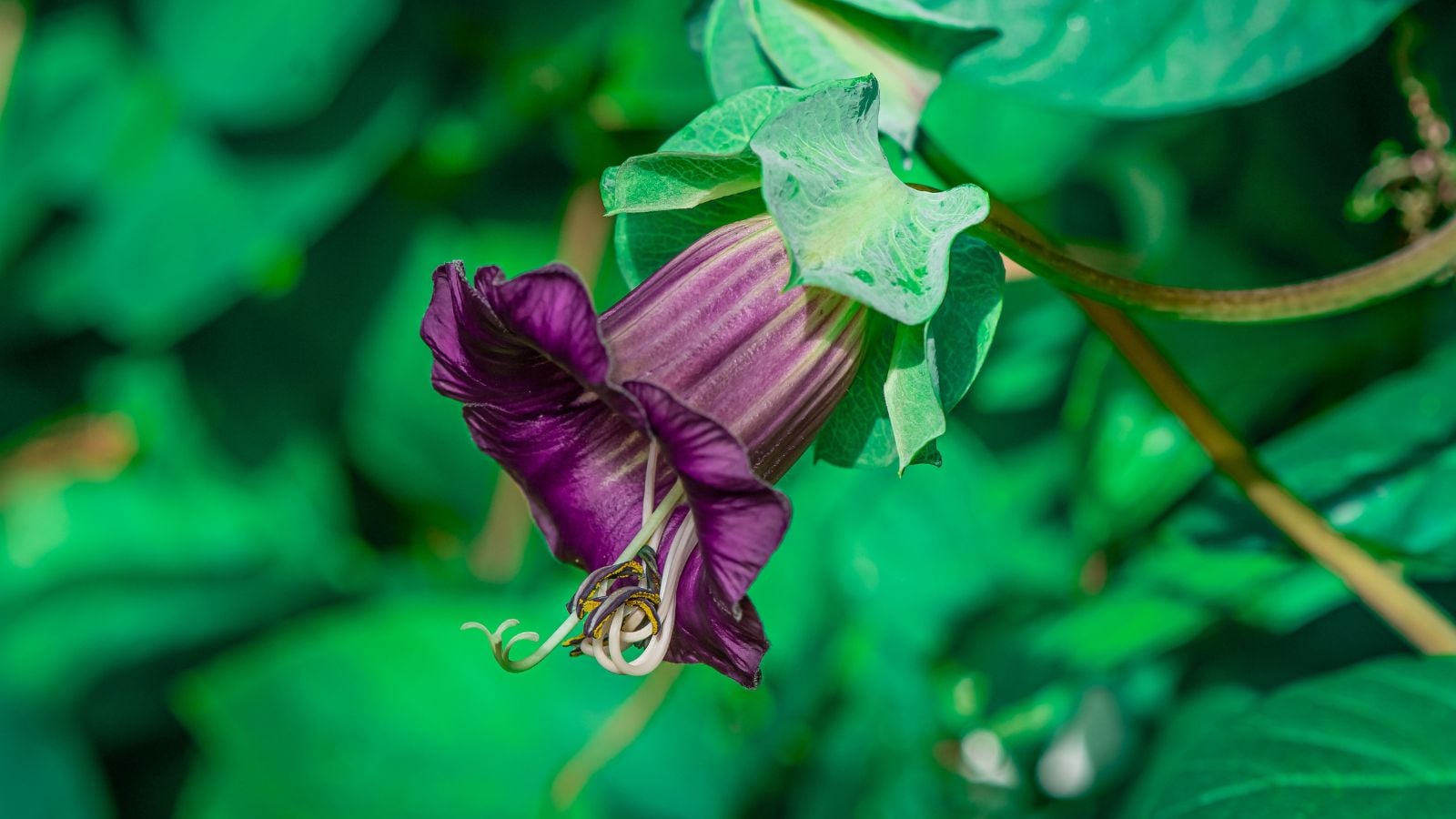
This viit is has an unusual flower structure. Two-inch bell-shaped blooms open pale green and gradually deepen to violet purple as they mature. The effect is that the plant carries flowers in several shades at once, which gives it more visual depth than most single-color vines.
It’s also big. In frost-free areas, cup and saucer vine can eventually reach 70 feet. Grown as an annual, it’s more restrained, but still vigorous enough to cover an arbor or pergola in one season. It’s generally pest-free and the flowers have a light, sweet scent.
The one downside is that it needs a long season. Gardeners in short-season climates should start seeds indoors early. It can take a while to get going, and late starts often mean the flowers don’t show up until fall. But the display is worth the wait if you can give it enough time.
