


In most of North America, it’s a cold time of year, so it may be surprising to learn you can sow seeds directly. However, the kinds of seeds that you plant out in the garden at this time are those that need a cold, moist period to break dormancy in spring. It’s a delayed response, but these conditions improve germination rates.
Otherwise, your seed starting setup is a perfect spot for many seeds you can start indoors. There are too many to mention here, so we’ve chosen a few that work in gardens all over. In spring, you’ll transplant these, and because they love cool weather, they’ll take off quickly.
If you want to help your flower seeds start, December is a good time to do it. You’ll have a profusion of blooms in the spring. Whether you start these seeds directly in the garden or decide to give them a head start indoorsnow is the time to do it!
Oopsy Daisy Calendula (Pot Marigold)
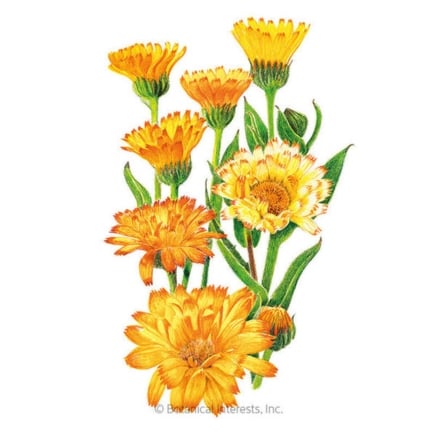
Oopsy Daisy Calendula (Pot Marigold) Seeds
Mammoth Blend Sweet Pea

Mammoth Blend Sweet Pea Seeds
Colorado Blend Yarrow

Colorado Blend Yarrow Seeds
Direct Sowers
These are the flower seeds to start in December outdoors, and they need to be in the ground soon. They require a cold period for best germination. If you live in a milder climate without freezes, you can simulate cold stratification per the period mentioned, and then sow them in your garden or indoors.
Columbine
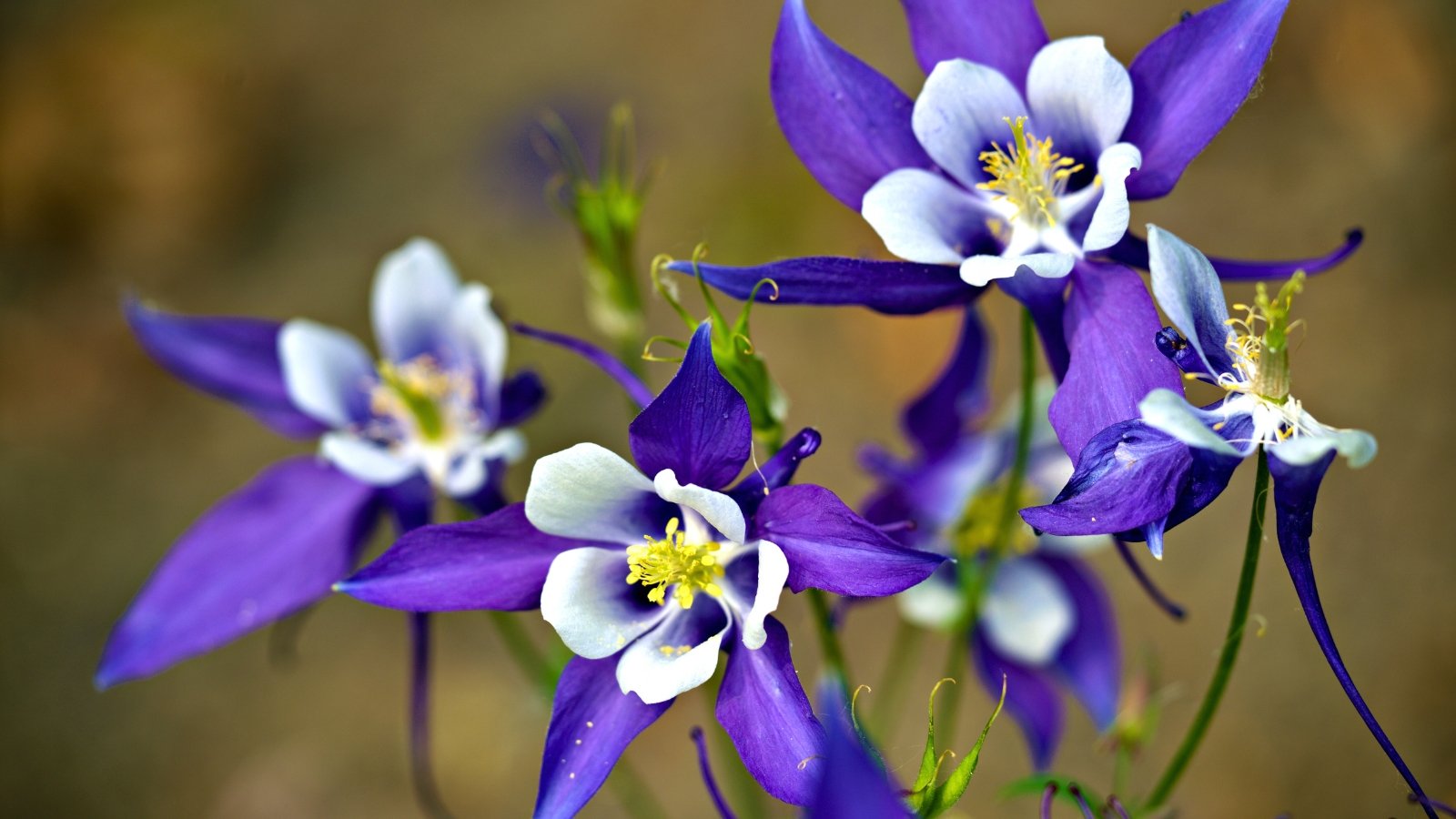
The shade-friendly columbine is an excellent plant that feeds hummingbirds in spring and displays semi-evergreen, fern-like foliage throughout the year. It’s a North American native plant that works in numerous soil conditions. There are regional natives to choose from as well.
It’s not until spring that columbine flower seeds start. To start these flower seeds in December, throw them into the garden to give them at least a few weeks of cold, moist conditions that improve germination rates.
For Eastern red columbinesow them under trees in soil that is moist to mesic, or slightly dry. Rocky Mountain columbine is best in a rockier garden. Western columbine is best grown under trees in rich, moist soil.
Lupine

Some of the most interesting flowers out there don’t need nutrient-rich soil or pampering. Lupines are definitely interesting, with a unique structure that pops in any garden. Their tall, segmented flower spikes come in blues, pinks, purples, and white. Several are native to North America, too.
Lupines don’t just need a cold period to sprout. They also need scarification. Use a sharp knife or fine sandpaper to nick or wear down the seed coat, and promote easier germination. Some sources recommend soaking them, but if you’re direct sowing them, the winter weather should take care of that for you.
One note: some lupines are invasive outside their native range. If you’re planting Lupinus polyphyllusor bigleaf lupine, avoid planting it outside its native range in the Pacific Northwest. It is particularly invasive in the northeastern regions of North America.
Purple Coneflower

Echinacea is an excellent performer in multiple garden types. The beautiful purple-petaled coneflowers emerge in late spring, after a cold period in winter. They are easy to sow directly, and they are pollinator powerhouses. December is a good time to start these flower seeds.
Give them almost any soil type, but ensure it’s well-draining. Coneflowers seed out on their own at the end of the season. If you have a few plants, and you want them to spread, leave the seedheads on through winter. They’ll colonize the garden space over time.
If you’re into herbalism, the processed roots are often used for treating colds and boosting the immune system.
Milkweed

If you want monarchs flitting through your yard as they migrate, you want to start milkweed flower seeds in December. Drop these on the soil surface this month, and you’ll have multiple rounds of compound blooms from spring into fall.
Milkweeds don’t just support monarchs. They provide habitat and nectar for other pollinators and insects as well. Milkweeds are generally native to the Americasgreat for gardens on the edges of wild areas due to their toxic sap. It keeps grazing deer and rabbits at bay.
With over 100 species native to North America, there’s definitely one specific to your region. Check out information about your local ecoregion to find one indigenous to your niche.
Yarrow

If I didn’t have yarrow in my garden, I would have some significant bare areas. Yarrow grows in the hardest-to-cultivate areas. It’s a tough native plant that self-sows and spreads easily. It has a long history of medicinal use and is one of the easiest native plants to grow.
There are numerous interesting cultivars to choose from. The straight species grows white blooms from its dust-like seeds. Start December yarrow flower seeds by sprinkling the seeds on the soil surface and pressing them in. They should adapt to their conditions with little trouble.
Seeds to Start Indoors
The seeds in this section don’t require cold treatment for a decent germination rate. You want to sow these in seed starting trays under grow lights. When the soil is workable, you can transplant these.
If you live in a region that doesn’t experience freezes, wait for your seedlings to reach a few inches tall with multiple sets of true leaves before planting them out.
Calendula
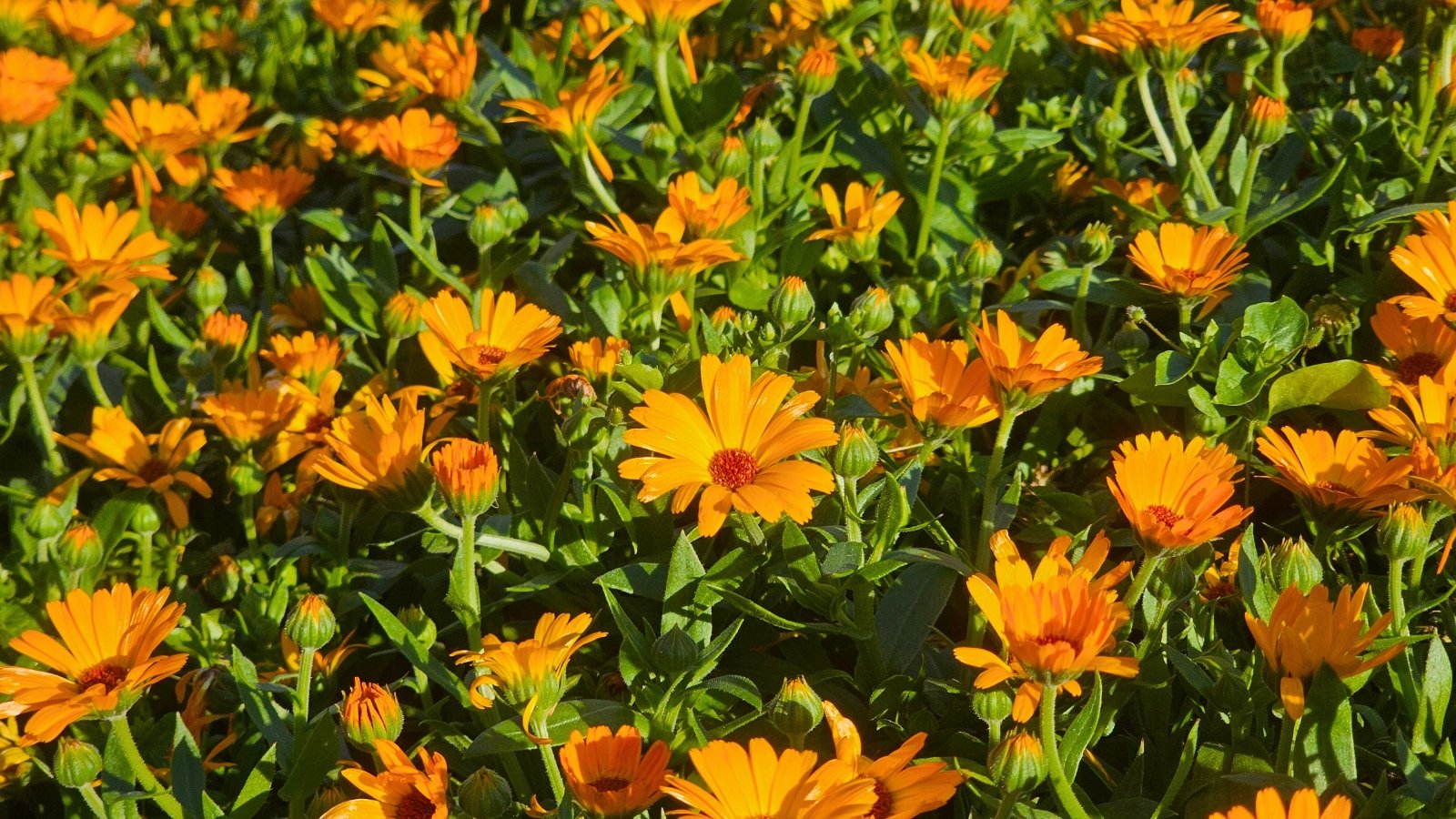
The seeds of calendula take one to two weeks to sprout. Sow them in your indoor trays this winter, and you’ll have lovely rosettes to plant out when the soil is workable in spring. Calendula needs darkness to germinate, so keep the trays somewhere away from grow lights at first. When the foliage sprouts, you can move the plants under lights.
Single-petaled cultivars are more likely to attract pollinators who have an easier time accessing nectar. But there are plenty of double-flowered varieties that look amazing in the garden. These range from bright yellow to deep red. Here at Epic, we’re fond of ‘Zeolights’.

Lavender
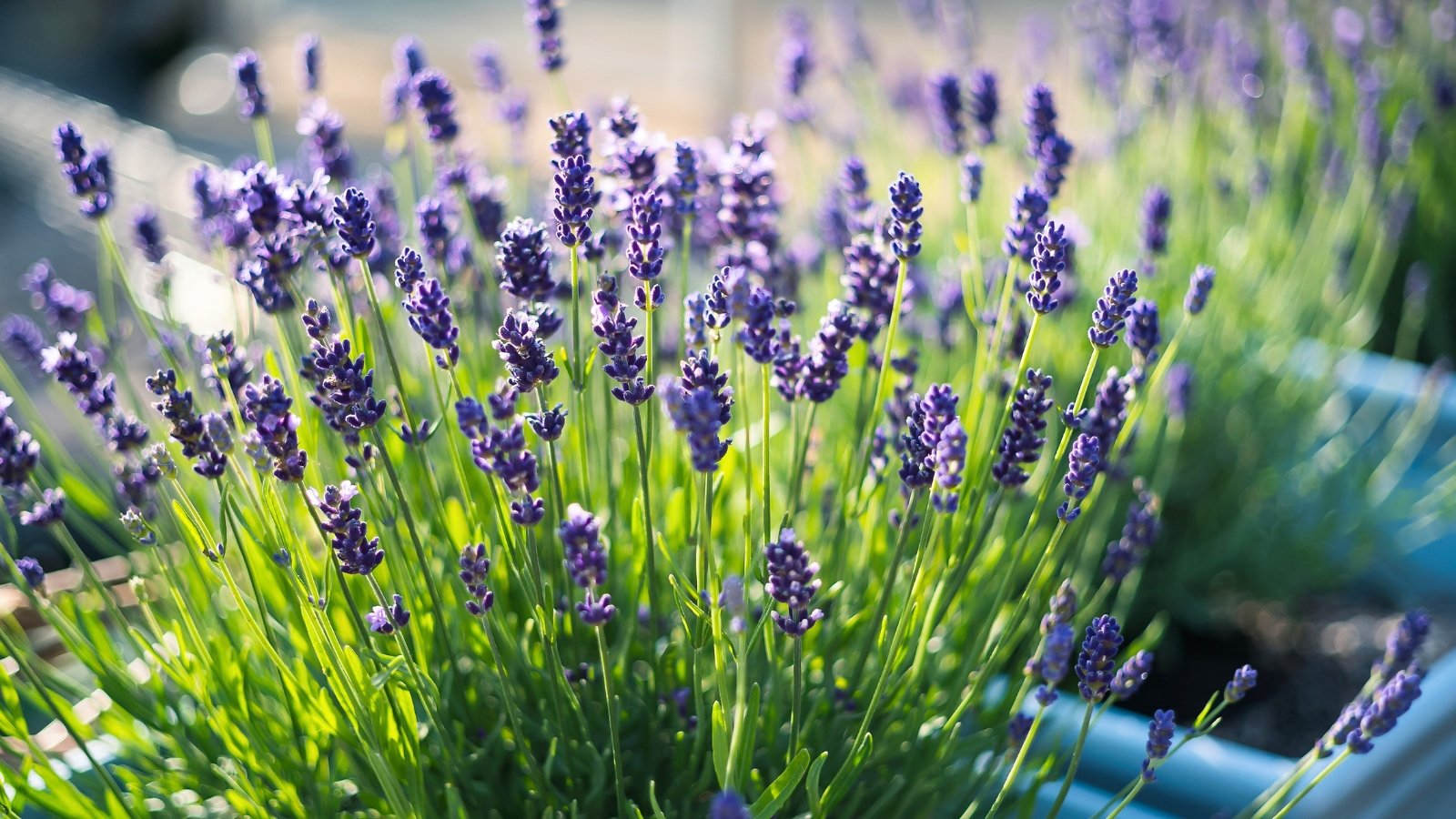
While there are numerous sources that say lavender seeds need a cold period to sprout, that is not necessarily the case. These seeds are slow to germinate, sprouting at a range of two to six weeks – and sometimes longer. However, once you grow your own lavender, you might not want to buy transplants again.
Due to the long germination period, it’s best to get them started indoors. Much like other herbs, you’ll be working with the tiniest of flower seeds. Start December lavender 10 to 12 weeks before the last frost date. If you know your last frost date is much sooner than that, no problem. Nurture the plants until they’re a few inches tall and then transplant them outdoors.
Delphinium
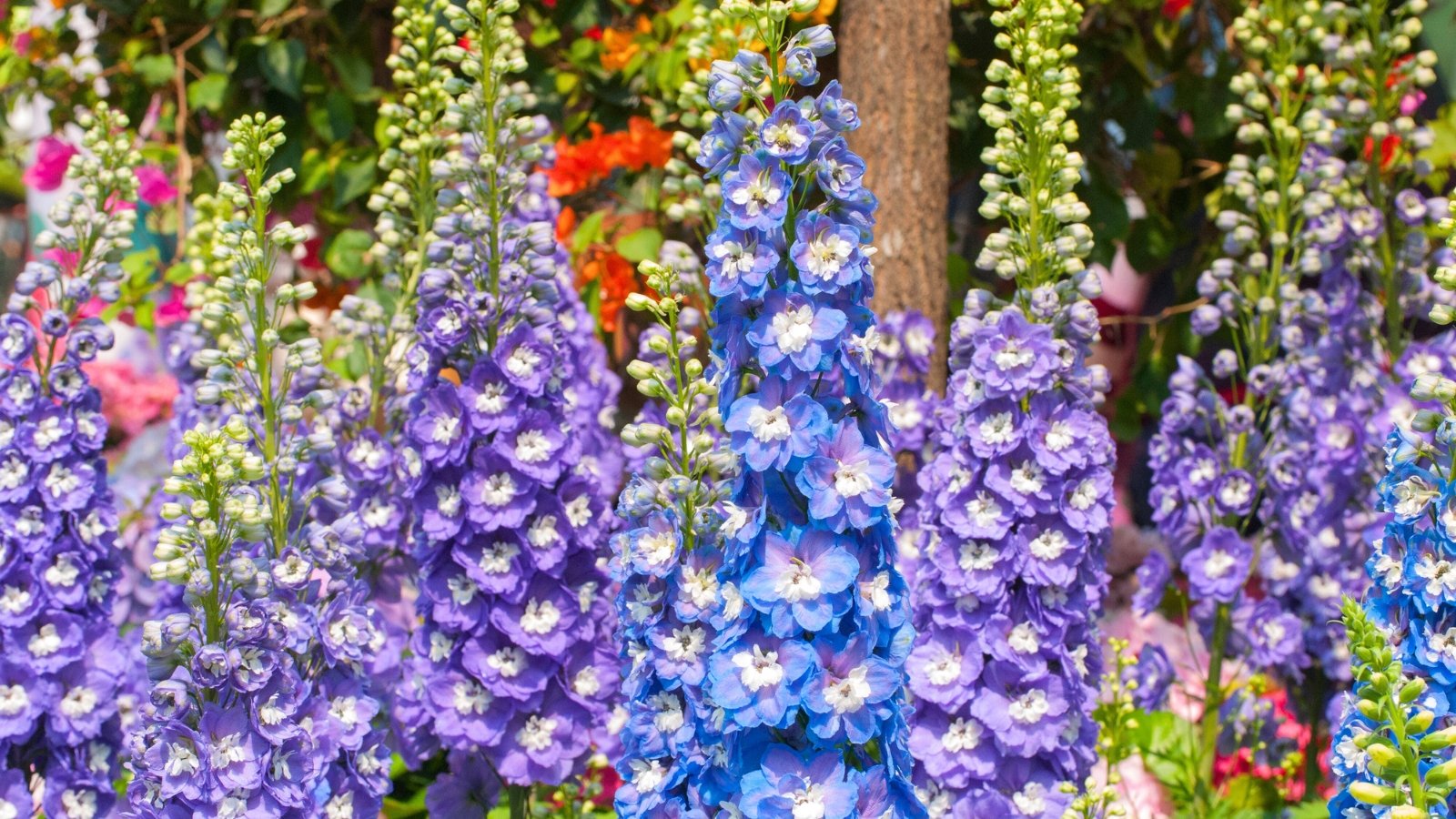
True blue is not a common sight in nature, but for delphiniums, blues are predominant. If you don’t like blue, there’s likely a purple, white, or pink cultivar you can grow instead. Some are perennial, and root hardy in their range, and some are more annuals that return from self-sown seeds.
To get there, you have to sow seeds first! So begin by sowing your delphiniums inside six to eight weeks before your last frost date. For many gardeners, December is that time. The seeds take two to three weeks to emerge, and they grow vigorously after.
As you plant them out, provide support for taller varieties to ensure they don’t topple. They subsist happily in the ground or in containers.
Sweet Pea

Climbing sweet peas are excellent in the garden, and it’s not hard to grow sweet pea flower seeds. Start December sweet peas similarly to lupines, as they are both legumes and their seeds have a similar structure. While sweet peas don’t need cold treatment, they do need soaking or scarification to germinate.
The vines of these generous plants grow long with multiple flower colors to choose from. If you like double flowers, there’s a sweet pea for you. If you like deep blues or even white, there’s one for you. And these are cool-weather lovers, so getting them started in December allows time for them to mature before you plant them in spring.
They take roughly four to six weeks to mature in starter pots before they’re ready for transplanting. Wait until the soil is 55 to 65°F (13-18°C) to plant them outdoors. Seeds take roughly 10 to 21 days to emerge.
