

Sharing is caring!
Cabbage is a cool-weather crop that rewards careful timing with crisp, sweet heads and a long harvest window. Over my 30+ years of gardening in raised beds and containers, I’ve found that planting time is the single most important factor in producing cabbage that’s tender, flavorful, and free from heat stress. Plant too late, and summer warmth will trigger bolting; plant too early, and your seedlings risk frost damage.
Here’s how to plan your planting schedule for spring, summer, and fall cabbage crops.
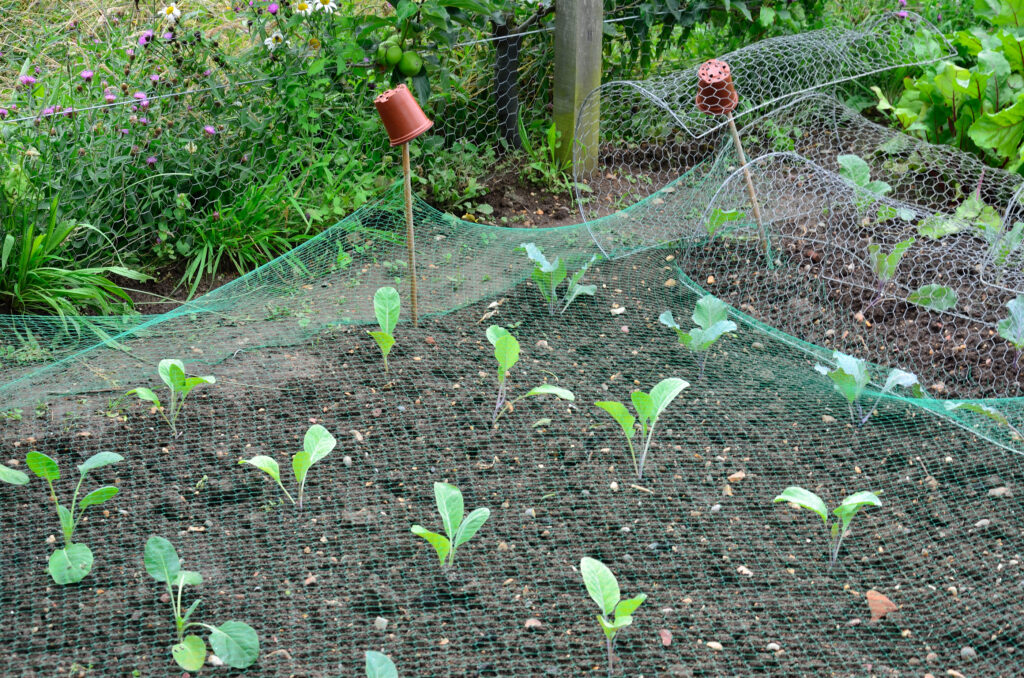
Spring Cabbage Planting
Goal: Mature before summer heat.
- Start Indoors: 6–8 weeks before your last expected frost date.
- Transplant Outdoors: 2–4 weeks before the last frost, when seedlings have 4–5 true leaves.
- Varieties: Choose early-maturing types like Golden Acre or Primo for quick harvests before warm weather.
My insight: In my Sonoma Valley garden, I start seeds indoors in mid-January and transplant in late February. This early start ensures I’m harvesting heads by late April, before temperatures climb.
Summer Cabbage Planting
Goal: A short crop in cooler summer regions or with heat-tolerant varieties.
- Start Indoors: 12–14 weeks before expected fall frost.
- Transplant Outdoors: In mild-summer climates, set out young plants in late spring.
- Varieties: Try heat-tolerant types like Tendersweet or Early Jersey Wakefield.
My insight: In most of California’s interior, I skip summer cabbage because heat stresses the plants. But on the coast, I’ve seen gardeners succeed with steady moisture and afternoon shade.
Fall Cabbage Planting
Goal: Mature in cool autumn weather; sweetest heads often come after a light frost.
- Start Indoors: 12–14 weeks before first frost date.
- Transplant Outdoors: 8–10 weeks before frost, allowing plants to establish in mild late-summer weather.
- Varieties: Choose storage types like Brunswick or Late Flat Dutch.
My insight: My fall cabbages, started in late June and transplanted in mid-July, are typically ready in October–November. The cool nights deepen the flavor and sweetness.
Pro Tips for Perfect Timing
- Use a soil thermometer—cabbage seeds germinate best at 55–75°F.
- Protect seedlings from cabbage worms and flea beetles with floating row covers.
- In hot climates, focus on spring and fall crops rather than summer plantings.
My Experience: Timing cabbage correctly is not just about counting back from frost dates—it’s about matching planting to your region’s seasonal patterns. My own schedule has been refined over decades of trial and error, and I recommend keeping a garden journal to track what works in your microclimate.
Zone-by-Zone Cabbage Planting Calendar
| USDA Zone | Spring Planting (Start Indoors) | Transplant Outdoors | Fall Planting (Start Indoors) | Transplant Outdoors |
|---|---|---|---|---|
| 3–4 | 8–10 weeks before last frost | 4–6 weeks before last frost | 14–16 weeks before first frost | 10–12 weeks before first frost |
| 5 | 8 weeks before last frost | 4 weeks before last frost | 14 weeks before first frost | 10 weeks before first frost |
| 6 | 6–8 weeks before last frost | 3–4 weeks before last frost | 12–14 weeks before first frost | 8–10 weeks before first frost |
| 7 | 6 weeks before last frost | 3 weeks before last frost | 12 weeks before first frost | 8 weeks before first frost |
| 8 | 6 weeks before last frost | 2–3 weeks before last frost | 12 weeks before first frost | 8 weeks before first frost |
| 9 | 4–6 weeks before last frost | 2 weeks before last frost | 12–14 weeks before first frost | 8–10 weeks before first frost |
| 10–11 | 4 weeks before last frost | At last frost | Not recommended in summer—plant fall crops instead | 12 weeks before first frost |
For the tip:
I’ve found that the “start indoors” timing in this chart works best when combined with a soil thermometer check before transplanting. If soil is below 50°F, cabbage seedlings may stall; if above 80°F, bolting risk increases.