


Sharing is caring!
Fingerling potatoes are small, elongated tubers prized for their rich flavor, firm texture, and versatility in the kitchen. They’re perfect for roasting, boiling, and salads, and their unique shapes make them an attractive addition to your garden. After decades of growing potatoes in Sonoma Valley, I’ve perfected techniques for cultivating fingerlings successfully, maximizing flavor, and choosing the best varieties for different culinary uses.
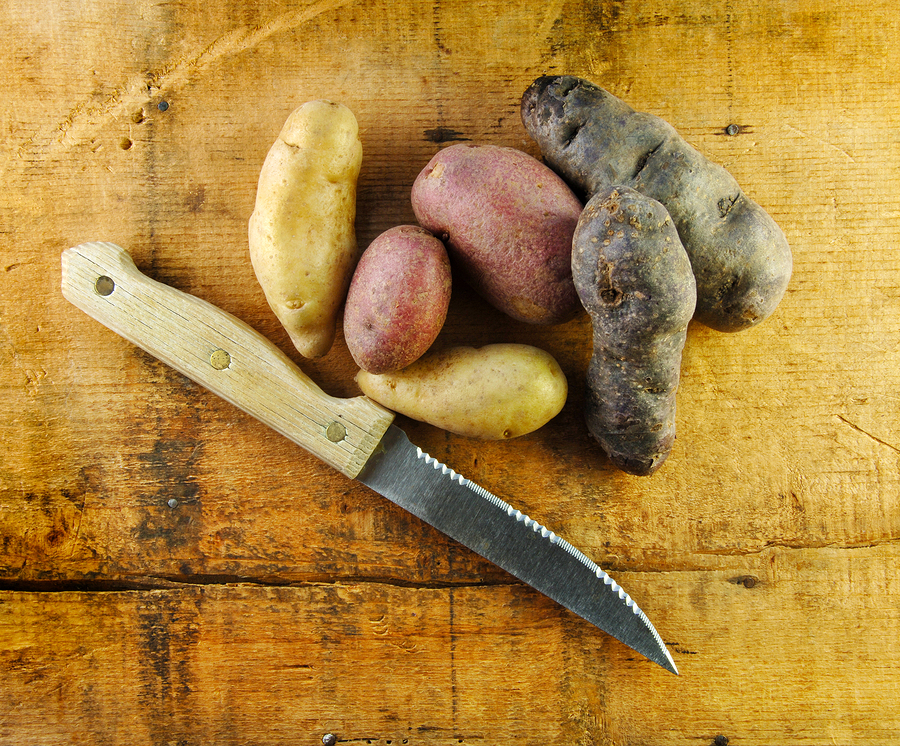
1. Popular Fingerling Varieties
- French Fingerling: Red skin with yellow flesh; sweet, nutty flavor.
- Russian Banana: Yellow skin and flesh; buttery taste, excellent for roasting.
- Purple Peruvian: Striking purple skin and flesh; adds color to dishes.
- The ratte: Creamy texture, slightly nutty; ideal for gourmet meals.
2. Growing Fingerling Potatoes
Soil & Bed Preparation
- Loose, well-draining soil rich in organic matter is essential.
- Raised beds or mounded rows improve drainage and tuber formation.
Planting
- Use certified fingerling seed potatoes.
- Plant 2–3 inches deep, spaced 4–6 inches apart.
- Rows should be 12–18 inches apart.
Care
- Hilling: Hill soil around plants as they grow to prevent tuber exposure.
- Watering: Maintain consistent moisture; avoid waterlogging to reduce rot.
- Fertilizing: Use balanced organic fertilizer early, and potassium-rich fertilizer during tuber formation.
3. Harvesting
- Fingerlings mature in 75–100 days depending on variety.
- Harvest when plants flower for small, tender “new” potatoes.
- For larger tubers, wait until foliage dies back naturally.
4. Cooking Tips
- Roast whole with olive oil and herbs for rich flavor.
- Boil gently to retain shape for salads.
- Fingerlings hold up well in stews or sautéed dishes.
Gardener’s Tip:
In my experience, spacing fingerlings slightly wider than standard potatoes improves airflow, reduces disease risk, and encourages uniform tuber growth.
Fingerling Potato Varieties & Growing Guide
| Variety | Skin & Flesh Color | Days to Maturity | Flavor / Texture | Best Cooking Uses |
|---|---|---|---|---|
| French Fingerling | Red skin / yellow flesh | 75–90 | Sweet, nutty, firm | Roasting, boiling, salads |
| Russian Banana | Yellow skin / yellow flesh | 80–100 | Buttery, rich | Roasting, sautéing, mashing |
| Purple Peruvian | Purple skin / purple flesh | 85–95 | Earthy, firm | Roasting, salads, colorful side dishes |
| The raw | Light brown skin / creamy flesh | 90–100 | Nutty, creamy | Gourmet dishes, boiling, roasting |

Gardener & Cook Tips:
- Space plants 4–6 inches apart, rows 12–18 inches apart for best tuber development.
- Hill soil regularly to prevent tuber exposure.
- Fingerlings are versatile: roast whole, boil gently for salads, or use in stews.
