


Want to avoid the three biggest mistakes many gardeners make with their vegetable gardens in September?
September can feel like the “finish line” for gardeners. After months of planting, weeding, watering, and harvesting, the last thing many people want to think about is more work in the garden. By the time cooler days arrive, it’s easy to simply let the garden go and plan to clean things up next spring.
But the truth is, what you do in these final weeks of the season can make a huge difference in how healthy and productive your garden will be next year. In fact, a just a few simple chores now, you can help to set up less work and far fewer problems for your garden when next spring rolls around.
Unfortunately, many gardeners make the same three mistakes year after year at this time. And these mistakes can quietly undo all of the hard work you’ve put into your garden throughout the summer. Here’s a look at each of the big three – and more importantly – how to avoid them!
The 3 Biggest Mistakes Gardeners Make In September With Their Garden
Mistake #1: Allowing Dying Plants To Remain
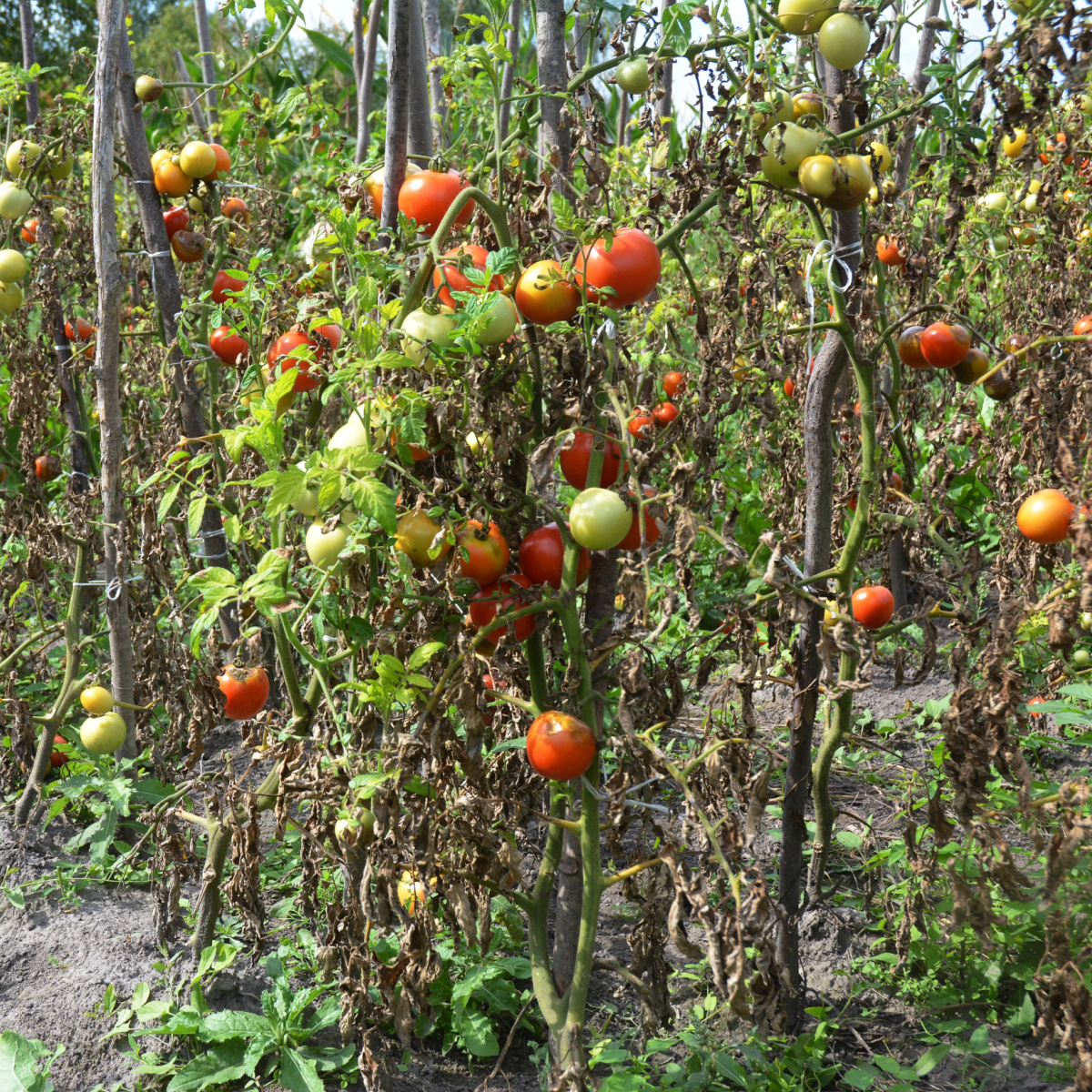
One of the most common errors in September gardening is leaving plants in the ground after they have finished producing. The vines start to look tired. And the fruits start shriveling on the plant and dropping to the soil. At this point, many gardeners decide it’s easiest just to let the plants stand until spring. Unfortunately, that decision can have lasting consequences.
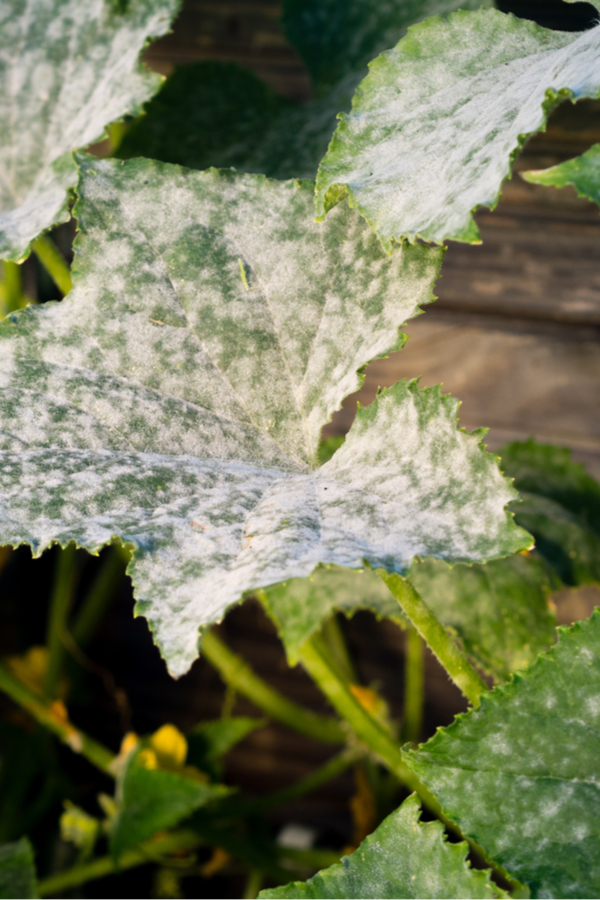
When old plants are left in the garden, they become magnets for disease. Fungi like blight and mildew overwinter in the stems and leaves of dead plants. And they allow the soil to overwinter them too. By next year, they’re ready to re-infect fresh, healthy crops the moment conditions are right.
Instead of starting the season with a clean slate, you begin with a garden already carrying disease. But the problems don’t stop there. Insects and pests also find dying plants to be the perfect shelter. Aphids, squash bugs, cucumber beetles, and many others hide in the decaying vegetation. With food and cover readily available, they survive through fall and emerge even stronger the following spring.
Allowing Old Fruit To Remain
Then there is the issue of rotting fruit. Those last tomatoes or peppers that drop and rot into the soil are more than just messy. They release hundreds of seeds that quickly settle into the soil. By next year, those seeds sprout as unwanted volunteer plants or worse – and overload of invasive weeds.
The solution is simple but powerful – remove plants as soon as they begin to decline. Don’t wait until they are completely brown and shriveled. As soon as production slows and leaves show disease or heavy damage, pull them up.
Dispose of diseased plants away from your compost pile. By removing problem plants now, you cut off disease and pest cycles before they spread. Taking just a little time to clear your garden beds in September will reward you with far healthier soil and fewer pest issues when planting time comes around next spring.
#2 – Fall Tilling – One Of The Biggest Mistakes Of All Gardeners Make In September
For generations, fall was the season when many gardeners brought out the tiller. The idea was to turn under the old plants, churn up the soil, and leave the ground exposed to “rest” over the winter. But this practice is actually one of the most damaging things you can do for your soil. And for your garden’s long-term success.

First, tilling in the fall spreads weed seeds everywhere. All summer long, weeds drop seeds onto the soil surface. Left alone, many of those seeds will never germinate. But once you till the soil, you bury them, mix them, and essentially plant them for next year. In spring, you end up with a fresh crop of weeds already waiting to sprout.
Tilling also leaves the garden soil exposed to the elements. Bare soil is vulnerable. Without plant roots or mulch to protect it, the soil structure breaks down. Winter winds and heavy rains wash away the topsoil and valuable nutrients.
Harming The Life Of The Soil
Another problem with fall tilling is how it disrupts the living organisms in the soil. Earthworms, beneficial fungi, and bacteria all work together to create a balanced, healthy soil ecosystem. Tilling tears apart their networks, kills many of them, and leaves the soil less alive and less fertile.
Instead of tilling, focus on keeping the soil protected. Remove old plants and add a layer of organic matter, mulch, or a cover crop to shield the soil from erosion. By leaving the soil structure intact, you encourage beneficial organisms to keep improving the ground through fall and winter. Come spring, your soil will be easier to work with, richer in nutrients, and ready for planting without the burden of extra weeds!
Mistake #3: Skipping A Cover Crop
Even if you avoid tilling and clear out old plants, there’s still one more step that can dramatically change the health of your garden: planting a cover crop. Too often, gardeners stop after cleanup and leave their garden beds bare. This is a missed opportunity. Cover crops are like giving your soil a protective blanket and a vitamin boost all at once.
No matter how small or large your garden is, a cover crop works wonders. When planted in September, fast-growing crops like cereal rye, oats or clover sprout quickly. And when they do, they create a dense green mat. This living cover prevents erosion, keeps weed seeds from sprouting, and protects soil from temperature swings.
Listen To Our Podcast On Planting A Cover Crop Below!
But the benefits go far beyond protection. As the cover crop grows, it pumps nutrients back into the soil. Its roots break up compacted areas, improving soil structure and aeration. When the plants die back, they add organic matter that enriches the soil and feeds beneficial microbes.
The best part is how simple it is to use cover crops. With no-till methods, you don’t even need to dig them in. Just scatter the seed across your cleared garden beds, let it grow thick through the fall, and leave it over winter. In the spring, mow it off before it sets seed. Then plant directly into the residue. The decaying plants act as mulch, while the roots continue to nourish the soil below.
This process saves you work, improves your soil naturally, and sets your garden up for stronger, healthier crops next year. What looks like a simple patch of green in fall is actually one of the most powerful tools for long-term garden success. For more – see: How & Why To Plant A Fall Cover Crop In Your Garden – Stop Weeds & Energize Your Soil!
Finishing Strong
We really look at September as the turning point for next year’s garden. By simply avoiding these three common mistakes gardeners often make in September, you really can set the stage for big success next year. Happy Gardening – Jim & Mary.
Old World Garden Farms
Jim and Mary Competti have been writing gardening, DIY and recipe articles and books for over 15 years from their 46 acre Ohio farm. The two are frequent speakers on all things gardening and love to travel in their spare time.
As always, feel free to email us at thefarm@owgarden.com with comments, questions, or to simply say hello! You can sign up for our free email list in the subscribe now box in the middle of this article. Follow us on Facebook here : Owg facebook. This article may contain affiliate links.
