


It seems that no matter where we go, whether it’s through emails from readers at the farm – or while speaking at garden conferences around the country – one question comes up over and over again: How can you get rid of Bermuda grass?
Honestly, it’s not surprising why so many people ask. Bermuda grass is one of the most difficult and persistent grasses to eliminate. Especially once it takes hold in your yard, garden, or flowerbeds!
We’ve battled our fair share of tough weeds over the years, but few can match the stubbornness of Bermuda grass. The aggressive perennial spreads through seeds, underground rhizomes, and above-ground stolons that creep along the soil and root wherever they touch. And when pulling, even a small piece of root or stem left behind can grow into a whole new plant.
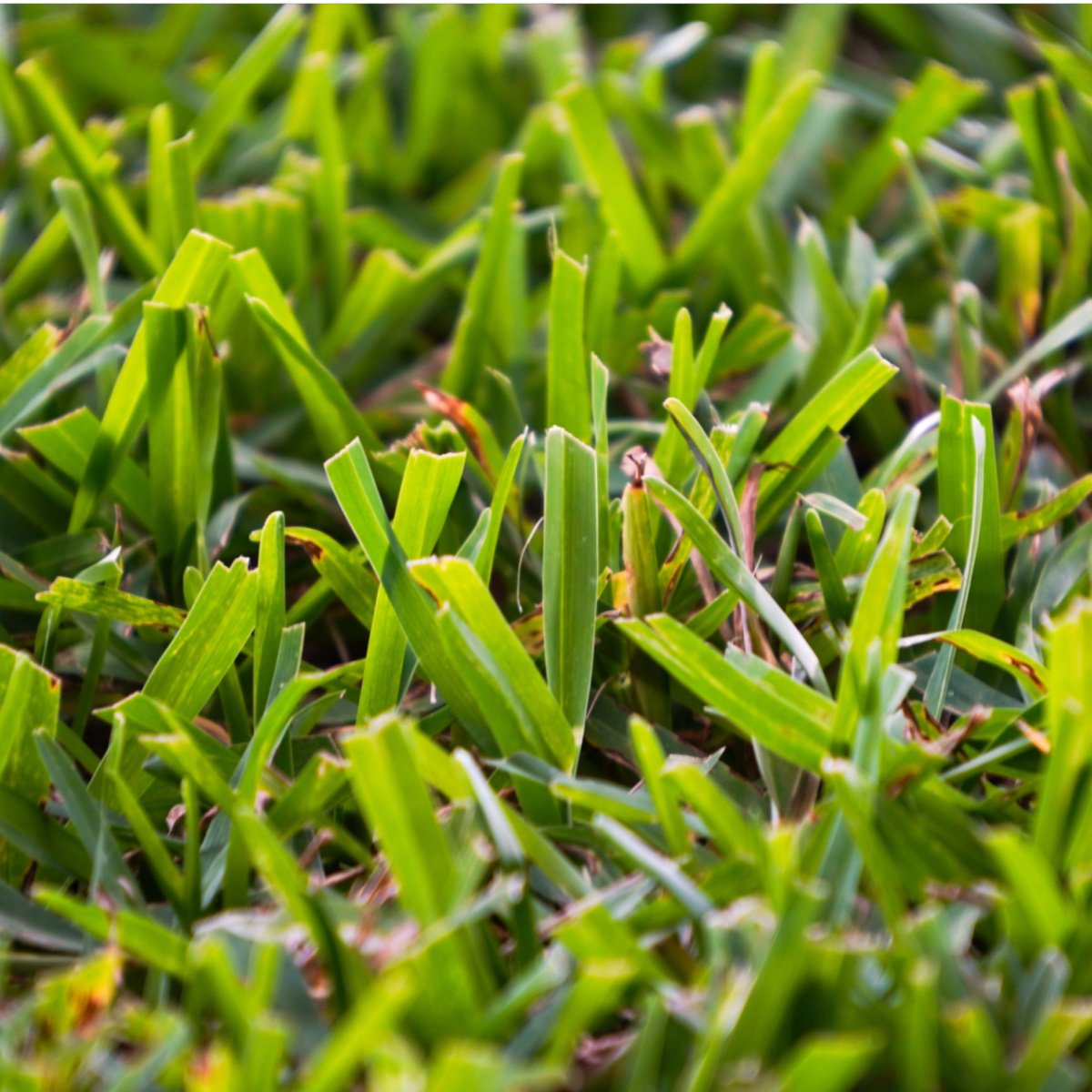
That’s why getting rid of it requires patience, consistency, and the right approach. The good news is that although it takes effort, Bermuda grass can be stopped. And, even better, you can prevent it from ever taking over again.
But with that said – with this tough grass – sometimes you do have to be a little more extreme to take it out!
How To Get Rid Of Bermuda Grass
Why Bermuda Grass Is So Hard To Kill
Before we get into the methods, it helps to understand why Bermuda grass is such a problem. Unlike most grasses that grow primarily by seed, Bermuda grass grows from both rhizomes (underground stems) and above-ground runners.
The roots grow horizontally and can re-root at every node they touch. That means even if you dig up most of it, any small section left behind can start a new colony. That is why tilling a patch is a big no-no. It will only make the problem far worse!
It also thrives in hot weather and poor soil conditions where other grasses struggle. In fact, the more you disturb the soil trying to remove it, the more likely you are to spread it. Because of this, you need to use a strategy that not only kills what’s visible above the ground but also attacks the hidden roots and stops new shoots from forming.
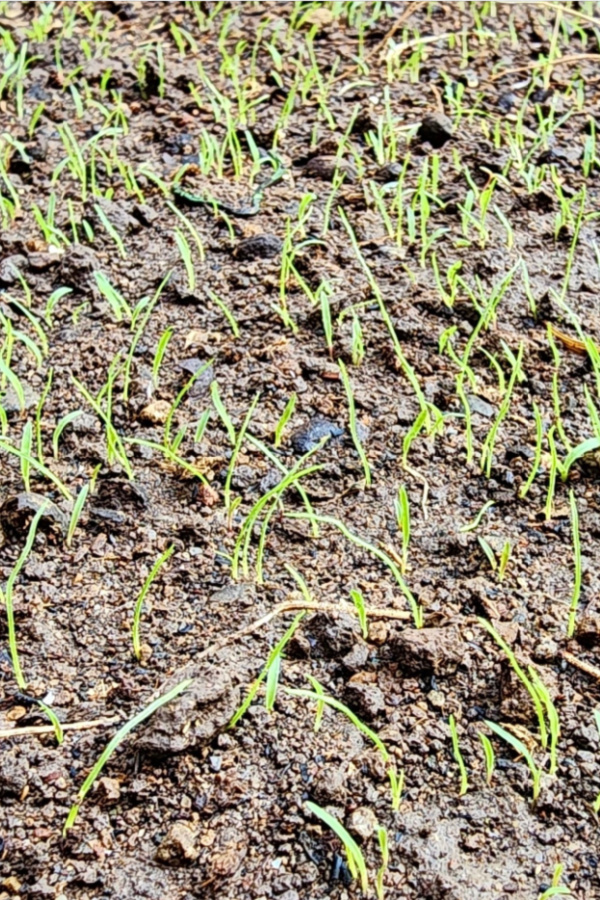
1. Smothering Bermuda Grass – A Natural And Effective Method To Get Rid Of It!
One of the best ways to get rid of Bermuda grass without chemicals is through smothering. The idea is to block out all light and air so the grass can no longer photosynthesize. Over time, this will starve both the top growth and the root system.
To smother Bermuda grass, start by mowing or trimming the area as low as possible. This helps create a smooth surface and limits how much material is underneath the covering. Next, water the area thoroughly to encourage any remaining grass to begin growing. Ironically, you want it to try to grow so it uses up stored energy.
Once the area is watered, cover it with several layers of cardboard or thick newspaper. Overlap the edges so that no sunlight can sneak through. On top of the cardboard, place a thick layer (at least 4 to 6 inches) of organic mulch such as wood chips, leaves, straw, or compost. The heavier the layer, the better the results.
Leave the covering in place for at least 6 months, and ideally a full growing season. The longer it stays, the more completely the roots will die. In some cases, you may need to repeat the process for a second season to ensure total elimination.


The smothering method works best in garden beds, around trees, or in small sections of lawn that you plan to convert to other uses. It’s safe, chemical-free, and adds organic matter to the soil as the cardboard and mulch decompose.
The key is patience. Bermuda grass won’t disappear overnight, but given time, this method is one of the most successful natural ways to eliminate it.
2. Using A Targeted Treatment – When You Need To Take Stronger Action
Sometimes, especially in large lawn areas or spots where the infestation is widespread, smothering just isn’t practical to get rid of Bermuda grass. In those cases, a targeted treatment can help get things under control. And, yes, you can do this naturally or with a chemical herbicide.
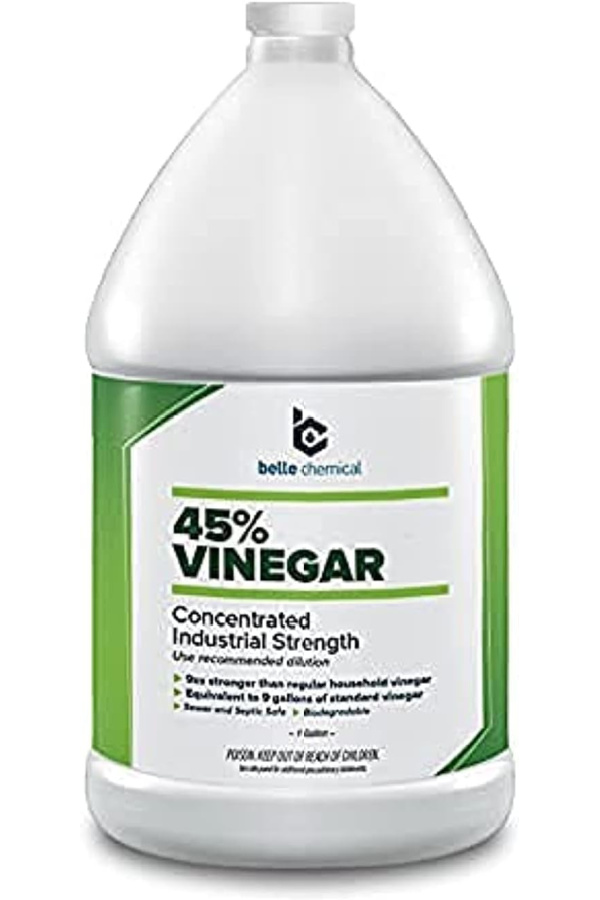
The most effective products for Bermuda grass are non-selective solutions that kill the entire plant, roots and all. To do this naturally, you can use a horticultural vinegar. However, timing and application are everything when using an herbicide. Affiliate Link: 45% Pure Vinegar – Concentrated Industrial Grade (1-Gallon)
Always spray when the grass is actively growing usually in late spring through summer when temperatures are warm. Use at full strength or slightly diluted with water ( max 20%). Also use eye and glove protection as vinegar is an acid. Simply soak the grass and make sure it is coated.
The plant must be pulling nutrients through its system for solution to reach the rhizomes and stolons underground. Avoid mowing for a week before or after spraying, as freshly cut blades won’t absorb the spray as well.
It often takes more than one application to completely eliminate Bermuda grass. Wait about 2 to 3 weeks after the first treatment to see how much regrowth occurs. Any new shoots that pop up should be sprayed again.
After Treatment
Whether using vinegar or a chemical herbicide – remember, this will kill everything it touches. And you will need to wait a few weeks after the last treatment to replant anything at all. Although vinegar can affect the soil’s pH – two treatments will not be enough to not allow future plantings.
Once the Bermuda grass has completely died off, remove all dead material. If planting grass – always mulch with straw on top. In flowerbeds, cover the soil with mulch to prevent any dormant roots from re-sprouting.
3. Keeping It Out For Good – Creating A Lasting Barrier
Getting rid of Bermuda grass is only half the battle. Once it’s gone, you need to make sure it doesn’t find its way back in. The biggest mistake gardeners make is clearing an area but not putting any kind of barrier or maintenance plan in place afterward.
Because Bermuda grass spreads underground and above ground, it can easily creep in from surrounding lawns or neighboring areas. Even if your garden is perfectly weed-free, it will eventually return unless you take steps to block it.
Start by creating a physical border around garden beds, pathways, and flower areas. A deep edging barrier works wonders. Install a steel, stone, or heavy plastic border that extends at least 6 inches below the soil surface and a couple of inches above.
Next, keep a thick layer of mulch in place year-round. Not only does mulch block light to prevent any stray Bermuda grass seeds from germinating, but it also keeps the soil cooler and moister, These are conditions that Bermuda grass doesn’t favor as much as warm, dry soil.
Another good long-term strategy is to maintain dense plantings. The more ground your desirable plants cover, the less space Bermuda grass has to take hold. Ground covers or low-growing perennials create natural living mulch that makes it difficult for weeds to establish.
Regular maintenance is also essential. Keep an eye out for any small patches that begin to appear and deal with them immediately. Pulling out new growth early – before it spreads – can make all the difference between a manageable problem and a complete takeover.
Here is to getting rid of Bermuda grass for good! Happy Gardening – Jim & Mary.
Old World Garden Farms
Jim and Mary Competti have been writing gardening, DIY and recipe articles and books for over 15 years from their 46 acre Ohio farm. The two are frequent speakers on all things gardening and love to travel in their spare time.
As always, feel free to email us at thefarm@owgarden.com with comments, questions, or to simply say hello! You can sign up for our free email list in the subscribe now box in the middle of this article. Follow us on Facebook here : OWG Facebook. This article may contain affiliate links.
