


December is here, and with it comes the expectation of festive blooms from your Christmas cactus. But what happens when your plant refuses to cooperate? While everyone else’s cacti are covered in vibrant flowers, yours could be sitting stubbornly green and bud-free at the moment.
The good news is, it’s not too late. With a few environmental adjustments and a better understanding of what triggers blooming, you can still coax your Christmas cactus into flower.
Whether you’re a forgetful plant parent (like myself) or simply haven’t given your plant the conditions it needs yet, this guide will help you get those Christmas cactus buds forming.
Holiday Cactus
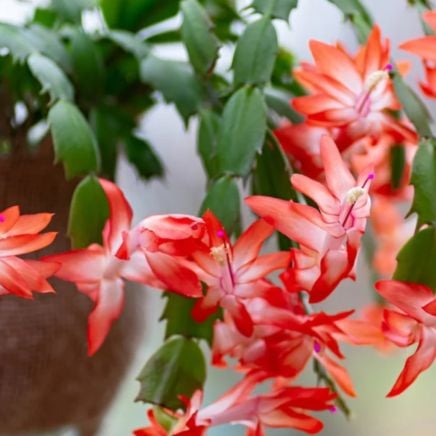
Holiday Cactus: A Festive Showstopper That Lasts
The Holiday Cactusalso known as the Thanksgiving Cactus, is your go-to fall and winter bloomer, delivering a burst of colorful flowers just when most plants are taking a break. It’s like holiday magic—on a stem!
Understanding Bud Formation

Before you start frantically adjusting light schedules and temperatures, it helps to understand why Christmas cactus buds form in the first place. Unlike many houseplants, these forest dwellers are photoperiodic, meaning they respond to changes in day length to trigger flowering.
In their natural habitat, Christmas cacti grow as epiphytes in shaded forest areas. They bloom in response to shorter days and cooler nights that signal the change of seasons. For that reason, recreating these conditions indoors is key to encouraging Christmas cactus buds to form.
The process (unfortunately) isn’t instantaneous. Once you’ve created the right environment, it takes about six to eight weeks for Christmas cactus buds to develop and open. That’s why many guides recommend starting this process in October. But if you’re reading this in early December and haven’t started yet, you still have a window of opportunity for late-season blooms.
Control Dark Hours

Darkness is the most critical factor in triggering bud formation. Your Christmas cactus needs 12 to 15 hours of complete, uninterrupted darkness each night to initiate blooming. This is where many people go wrong, as they assume regular nighttime is enough.
Unfortunately, ambient light from street lamps, hallway lighting, or even the glow from electronics can interfere with the process. Your cactus interprets these light sources as extended daylightwhich delays or prevents Christmas cactus buds entirely.
To give your plant the darkness it needs, move it to a room that stays completely dark at night. A spare bedroom, closet, or basement works well. If that’s not possible, cover the plant with a box or dark cloth each evening. Just make sure whatever you use allows for some air circulation, as you don’t want to trap excess moisture around the leaves.
Consistency matters, especially on a tight schedule. Stick to the same hours every night for at least six weeks. Even a few nights of interrupted darkness can set back the entire process.
Control Light Hours

While darkness triggers blooming, your Christmas cactus still needs adequate light during the day to stay healthy and produce energy for flowers. They need bright, indirect light for 8 to 10 hours daily, but not full sun, which can stress the plant and cause leaf segments to turn reddish.
A spot near a bright window is ideal. These locations provide gentle morning or afternoon light without the intensity of direct midday sun. If you’re using the covering method for darkness control, simply remove the cover each morning and place your cactus in its bright location.
Some people worry about moving their plant back and forth, but Christmas cacti are surprisingly adaptable to this routine. The key is maintaining the pattern consistently so the plant can respond appropriately to the light-dark cycle you’ve created.
Manage Temperature

Temperature plays a supporting role in Christmas cactus buds forming, too. Christmas cacti prefer cooler nighttime temperatures between 50°F and 55°F (10°C and 12°C) during their bud-setting period. These cooler nights mimic their natural environment and work in tandem with shorter days to signal blooming time.
Daytime temperatures can remain comfortable for you (around 70°F or 21°C is fine). It’s the nighttime dip that matters most. If you’re placing your cactus in a spare room or basement for darkness, check that the space doesn’t get below 50°F or stay above 60°F at night.
For those without a naturally cool space, placing your cactus near a window can help. Just be careful it doesn’t touch cold glass on particularly frigid nights.
Don’t Overwater

Watering confusion causes more problems with Christmas cacti than almost anything else. Despite being a cactus, this plant doesn’t want to dry out completely between waterings like its desert relatives. But it also doesn’t appreciate constantly soggy soil, especially when it’s trying to form Christmas cactus buds.
In fact, a little water stress through reduced watering can also help trigger bud formation, as long as it’s not too drastic.
During fall and early winter, when you’re trying to trigger blooming, reduce your watering frequency slightly. Allow the top half of the soil to dry out before watering again. This minor stress, combined with the light and temperature changes, can encourage bud development.
When you do water, use room temperature water and make sure excess moisture drains freely from the pot. Sitting in waterlogged soil during this critical period can lead to root rot or bud drop, both of which will ruin your chances of holiday blooms.
Don’t Fuss

Once you’ve set up the right conditions, step back and leave your cactus alone. This is genuinely one of those situations where less is more. Constantly checking for buds and changing your plan can stress it out and delay flowering or cause bud drop.
Resist the urge to fertilize during this period as well. Extra nutrients can encourage leafy growth at the expense of flowers. Save the fertilizer for after blooming has finished, when the plant enters its active growing phase.
Temperature fluctuations from opening and closing doors, or exposure to heating vents, can also disrupt bud formation. Choose your cactus’s location carefully at the start, then commit to leaving it there for the full six to eight week period.
Buy a New Cactus

If December is already halfway over and you haven’t started the bud-triggering process, or if your attempts to form Christmas cactus buds haven’t worked, there’s no shame in purchasing a cactus that’s already in bloom. Sometimes the most practical solution is simply buying a plant that’s ready to provide those festive flowers right now.
Garden centers and nurseries stock Christmas cacti in full bloom throughout the holiday season. You’ll find them in various colors like traditional pink and red, but also white, orange, and even yellow. Pick one that’s loaded with Christmas cactus buds (not just open flowers) to ensure you get the longest display.
You can always try triggering blooms on your original cactus next year, starting the process in October when you have more time. For this season, if it’s too late this time around, enjoy a blooming plant without the stress. Maybe having two Christmas cacti isn’t such a bad idea after all.
