


Christmas cacti have become synonymous with holiday decorating, and it’s easy to see why. They bloom right when you need color most and last for decades with some basic care. But they’re not the only option if you’re looking for festive indoor blooms.
Whether you already have a Christmas cactus and want to expand your collection, or you’re looking for something a bit different, these Christmas cactus alternatives offer similar satisfaction with their own unique characteristics.
Some bloom at different times of year, others bring different colors or textures to the tablebut all of them deliver that same reliable performance that makes holiday cacti so beloved.
Thanksgiving Cactus

Many “Christmas” cacti sold in stores are actually Thanksgiving cacti. They look nearly identical to their December-blooming cousins, which is why the confusion is so common. The main difference is bloom timing. Thanksgiving cacti flower several weeks earlier, usually in November rather than December.
You can tell them apart by looking at the leaf segments. Thanksgiving cactus segments have pointed, claw-like projections along the edgeswhile true Christmas cactus segments have more rounded, scalloped edges.
For care purposes, they’re essentially interchangeable. Both prefer bright indirect light, moderate watering, and the same temperature and darkness requirements to trigger blooming. If you want flowers for actual Thanksgiving rather than waiting until December, this is your plant.
The earlier bloom time of these Christmas cactus alternatives can actually be an advantage. Your plant will be covered in flowers during Novembergiving you a head start on the holiday season.
Easter Cactus

Rounding out the holiday cactus trio, Easter cactus blooms in spring rather than winter. These plants share the same easy-care nature as their holiday relatives but offer a completely different bloom schedule that brings color when you’re craving it after a long winter.
The flowers are star-shaped and appear in various warm shades. They’re just as profuse as Christmas cactus blooms, covering the plant in a spectacular display that can last several weeks. The leaf segments are more rounded than Thanksgiving or Christmas cacti, with gentle scalloping rather than pronounced points.
These Christmas cactus alternatives need the same photoperiod manipulation as other holiday cacti (several weeks of dark nights to initiate bud formation), though the timing shifts to late winter instead of fall. If you love the look of holiday cacti but want flowers at a different time of year, Easter cactus fills that spring gap beautifully.
Kalanchoe

Kalanchoe has that same explosion of color you get from holiday cacti, but with a completely different growth habit. These compact succulents produce clusters of small flowers in vibrant holiday shades. The blooms last for weeks, and many varieties rebloom readily if you provide proper care.
Even without blooms, the thick, glossy leaves are attractive when the plant isn’t flowering, making adorable houseplants. Kalanchoe are true succulents that need the soil to dry out between waterings. This makes them more forgiving of neglect, perfect for forgetful plant parents (like myself) who occasionally miss a watering or two.
Kalanchoe appreciate bright light and will bloom more profusely in sunny locations. They’re not fussy about humidity and tolerate the dry indoor air that many tropical houseplants struggle with. Once the initial flowers fade, cutting back the spent blooms often encourages a second flush.
These Christmas cactus alternatives are often treated as disposable seasonal decorations, but they’ll live for years with minimal care if you look after them.
Moon Cactus

Moon cacti are those impossibly bright neon cacti you see at grocery stores and garden centers. Yes, the ones with shocking pink, orange, or yellow tops grafted onto green bases. They look almost artificial, but they’re real plants with a fascinating story.
The colorful top portion is actually a unique cactus that lacks chlorophyll and can’t photosynthesize on its own. It’s grafted onto a green rootstock cactus that does the photosynthesizing for both plants. This partnership creates those eye-catching colors you’d never see in nature.
Moon cacti are true desert cacti, so they need very different care than holiday cacti. Let the soil dry completely between waterings, provide bright light, and keep them in warm conditions.
The downside is that moon cacti are relatively short-lived. But while they last, they’re spectacular conversation pieces that bring that same festive pop of color you get from holiday cacti in bloom.
Cyclamen

Cyclamen have butterfly-like flowers that hover above stunning foliage. These Christmas cactus alternatives bloom prolifically through fall and winterproviding months of color when outdoor gardens are dormant.
The flowers have swept-back petals that give them an elegant, almost whimsical appearance. Some varieties are lightly fragrant, adding another sensory dimension to their appeal. The heart-shaped leaves often feature silvery patterns that make the plant attractive even between bloom cycles.
Cyclamen prefer cool temperatureswhich can be tricky in modern homes. They’re happiest in rooms that stay between 50°F and 65°F, making them ideal for unheated sunrooms, cool bedrooms, or north-facing windows. In warmer rooms, they’ll decline quickly and may not rebloom.
Watering requires a light touch. The tubers rot easily if kept too wet, so water from below by setting the pot in a saucer of water for 15 to 20 minutes, then removing excess. This keeps moisture away from the base, where rot typically starts.
Poinsettia

Poinsettias are the quintessential holiday plant, and while they’re not cacti, they bring that same seasonal color impact. The vibrant “flowers” are actually modified leaves called bracts that surround the tiny true flowers in the center. These bracts come in traditional red, but also other colors.
Most people treat poinsettias as temporary decorations and toss them after the holidays. But these plants will live for years and rebloom annually if you’re willing to put in a bit of effort. They need the same photoperiod treatment as holiday cacti to trigger bract coloring.
Poinsettias prefer bright, indirect light and consistent moisture. Don’t let them dry out completely or sit in soggy soil, both of which cause leaf drop. They’re also sensitive to cold, so keep them away from drafty windows or doors during winter.
Amaryllis
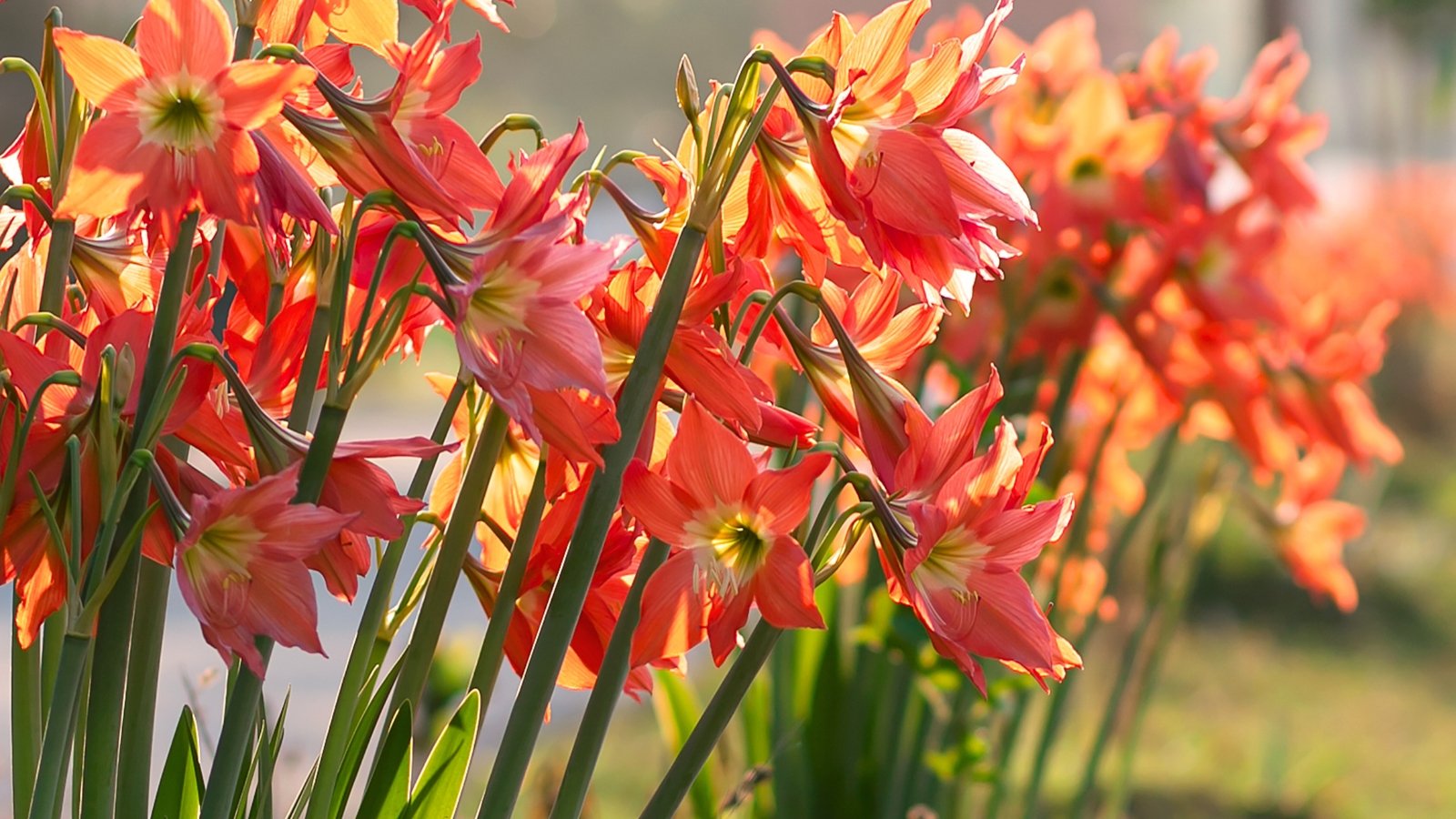
Amaryllis bulbs produce enormous, show-stopping flowers on tall stems that seem almost too dramatic to be real.
Unlike most Christmas cactus alternatives on this list, amaryllis are grown from bulbs that you can store and rebloom year after year. Plant the bulb in fall, water sparingly until growth begins, then watch as the flower stalk shoots up with surprising speed. Blooms typically appear six to eight weeks after planting, making them easy to time for specific holidays.
After flowering, the strap-like leaves emerge and photosynthesize to replenish the bulb for next year’s bloom. Many people cut these leaves off too early, weakening the bulb and resulting in poor flowering the following year. Let the foliage die back naturally for best results.
Moth Orchid

Phalaenopsis orchids, commonly called moth orchids, produce graceful flowers that last for months. The blooms come in seemingly endless color combinations, and a single plant can stay in bloom for three months or more, providing far longer color than most flowering houseplants.
Moth orchids have a reputation for being fussy, but they’re actually quite forgiving once you understand their needs. They prefer the same bright, indirect light as holiday cacti and similar temperature ranges. The main difference is their growing medium. Orchids need a specialized bark mix rather than potting soil.
Watering is straightforward despite the mystique surrounding it. Water thoroughly once per weekletting excess drain completely. The roots should never sit in standing water, which causes rot faster than you’d think possible.
After the flowers fadeyou can cut the spike back to encourage reblooming or remove it entirely. Either way, the plant will eventually produce new flower spikes, usually once or twice per year, with proper care.
Desert Rose

Desert rose plants bring sculptural beauty along with their flowers. The swollen trunk base and twisted branches create bonsai-like forms that are attractive even without blooms. When flowers do appear, they’re tubular and rose-like.
These Christmas cactus alternatives are true succulents from arid regions, so they need different care than holiday cacti. Bright, direct sun is essential for flowering, along with warm temperatures and minimal water. The thick trunk stores water, allowing the plant to go weeks between drinks during cooler months.
Desert rose won’t bloom constantly like some plants on this list. They typically flower in warm months when days are long and light is intense.
