


Gardeners love helping garden birds year-round, but it’s especially useful in winter when food and water sources are scarce. You don’t have to invest in elaborate feeding stations or specialized equipment to do it either. While those things certainly help, your garden likely already contains resources that birds desperately need during cold months.
Birds face serious challenges in winter. They are used to these challenges, but that doesn’t mean we can’t make their lives a little easier along the way, hopefully encouraging them to stick around.
By making a few strategic decisions about maintenance (or lack thereof), your garden can help winter birds using materials already present in your yard.
Black-Eyed Susan

Purple Coneflower Echinacea

Purple Coneflower Echinacea Seeds
Mammoth Sunflower

Refill Bird Feeders

If you already have bird feeders, winter is when they become most useful from a bird’s perspective. Natural food sources dwindle as seeds get eaten and insects seem to disappear out of sight, much like we do when it’s too cold out. Feeders provide reliable calories that help birds survive harsh weather.
Black sunflower seeds are preferred for winter feeding. They’re high in fat and protein, and nearly every bird species will eat them. Mixed seed is fine too, though you’ll get more waste as birds pick out their favorites. But anything is better than nothing.
Make sure you keep feeders consistently stocked through winter. Birds learn to rely on these food sources and incorporate them into their daily foraging routes, which is a great way to encourage them to stay in your garden.
Clean feeders regularly to prevent disease transmission. Moldy or spoiled seed harbors bacteria and fungi that spread between birds using the same feeder. A quick scrub every few weeks keeps things sanitary to help winter birds in your garden.
Position feeders near cover where birds can escape if needed. They get nervous easily and won’t return as often with no cover. The same goes for bird baths to a lesser extent, which we’ll look at next.
Provide Clean, Fresh Water
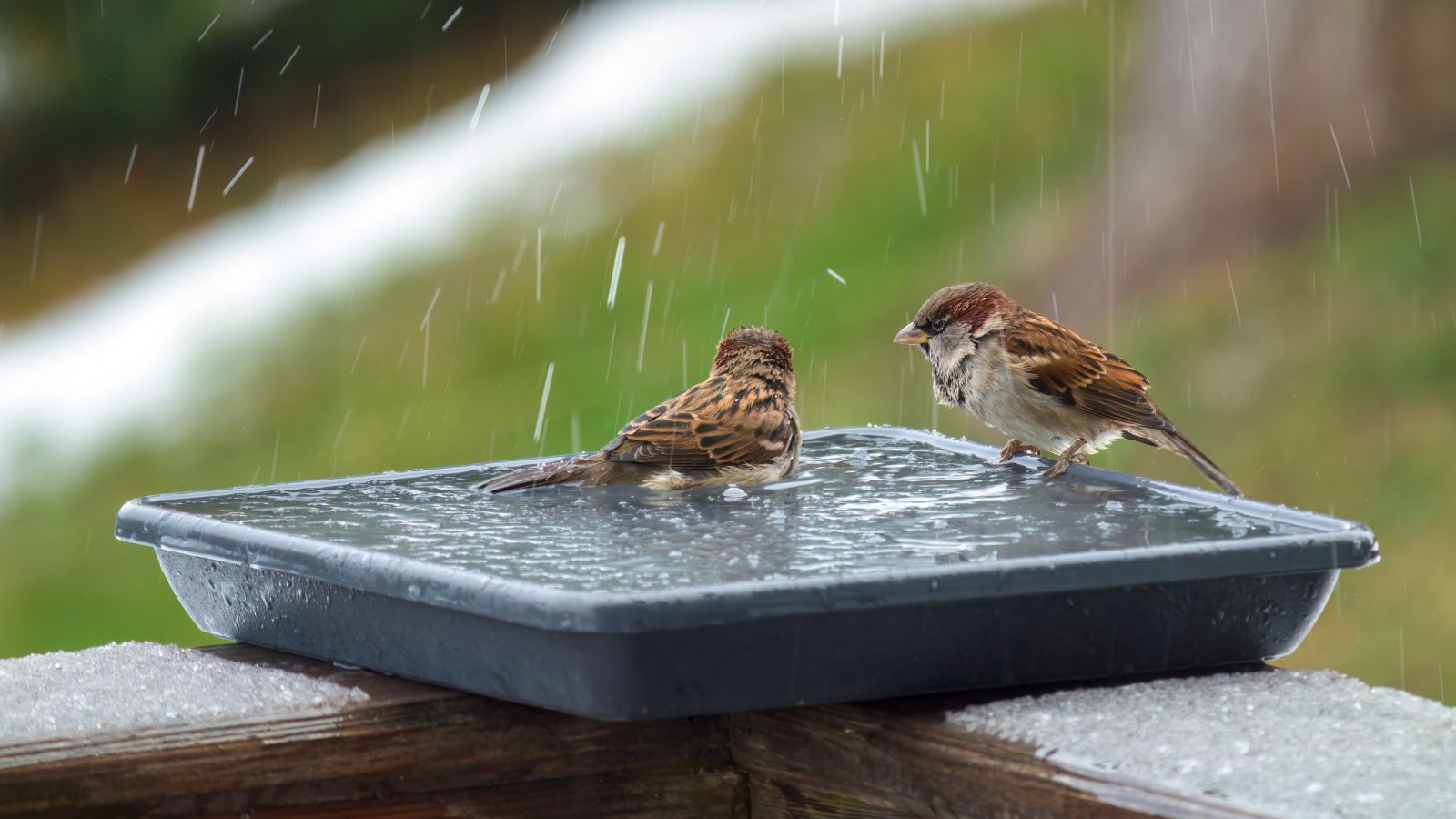
Birds require water for drinking and also for maintaining feather condition, which is essential for insulation and flight. Finding open water when everything’s frozen can be genuinely difficult for wildlife, depending on the region you live in.
If you have a birdbath and want to go the extra mile, keep it ice-free using a heater designed specifically for this purpose. These devices use minimal electricity and prevent the water from freezing solid. Alternatively, just keep clearing and filling the bath with fresh water, or place it in a full sun position.
Change the water regularly, even in winter. Clean water prevents disease and keeps birds coming back, and they can make a mess surprisingly quickly.
If you don’t have a birdbath or heater, simply setting out a shallow dish of warm water each morning helps. The water will eventually freeze, but it provides a window of opportunity for winter birds in your garden to drink before ice forms.
Limit Pruning

Many gardeners automatically clean up the garden in fall as part of their yearly schedule, cutting back all the dead plant material and leaving bare soil and mulch. But from a bird’s perspective, you’ve just removed their winter lifelines.
Seed heads provide natural food that many birds prefer over feeders. Coneflowers, black-eyed Susans, sunflowers, coreopsis, and native grasses all produce seeds that winter birds in your garden eat throughout the cold months. Dead flower stalks also harbor overwintering insects and insect eggs. Pruning the dead material eliminates these food sources completely.
It’s not like you have to give up a beautiful garden in favor of winter birds. Many plants look attractive through wintereven when dried and brown. Ornamental grasses catch snow and frost beautifully, creating interesting texture in the winter landscape.
If you absolutely must tidy certain areas, leave at least some sections wild. Even one corner left unpruned provides more bird resources than a completely cleaned garden. You can always cut things back in late winter or early spring before new growth begins, giving birds several months of access to the resources they need most.
Provide Cover
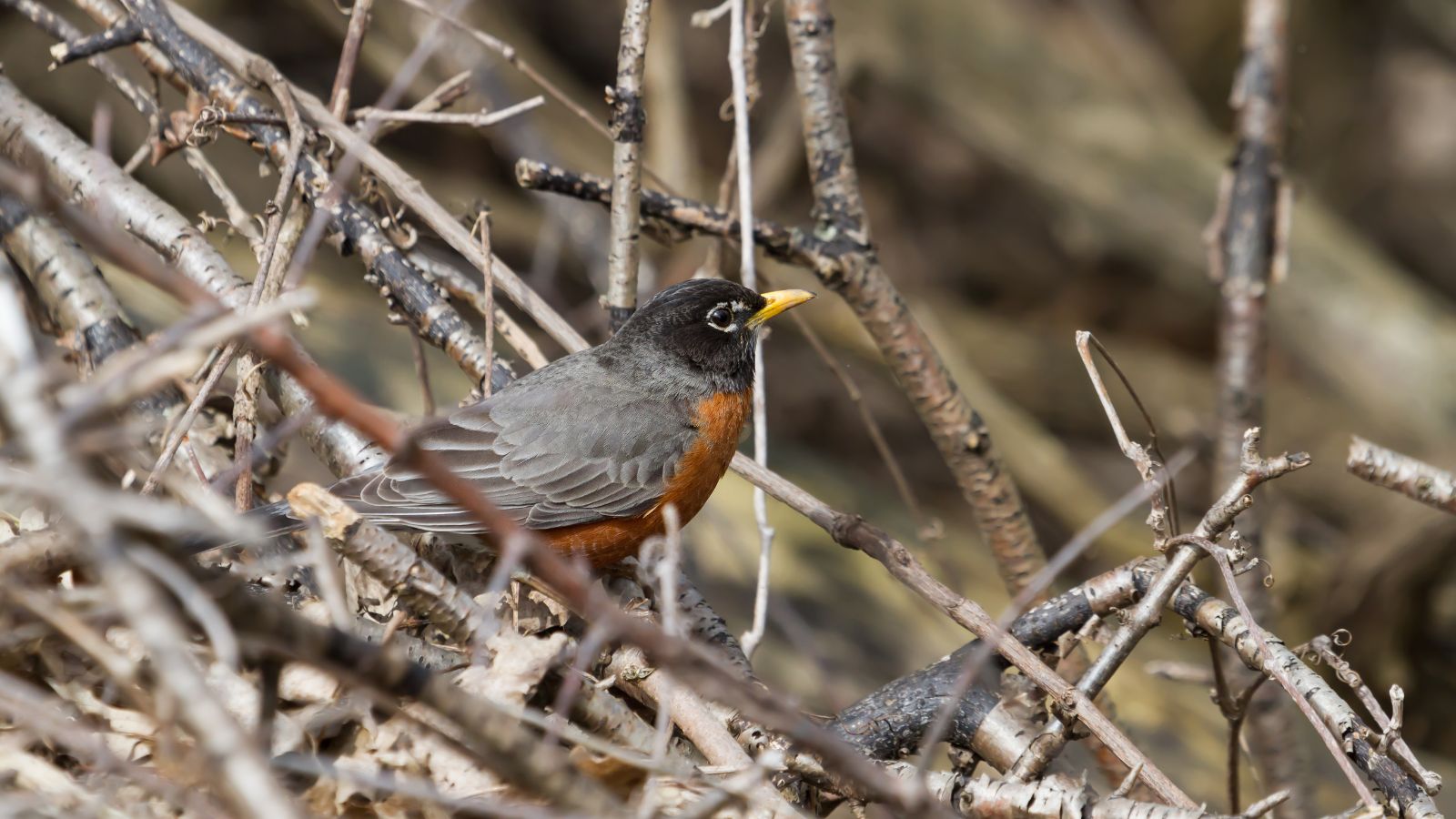
Birds need shelter from wind, snow, and predators. Dense evergreen shrubs and trees offer this protection while also providing roosting spots where birds huddle together for warmth.
If your garden includes evergreens like holly, juniper, arborvitae, or spruce, you’re already providing valuable cover. Deciduous shrubs with a branching structure still offer some shelter even after leaves drop. Dense twiggy growth breaks up the wind and provides perching spots.
If you don’t already have any of these options in your garden, brush piles made from pruned branches or foraged sticks can create artificial shelter for winter birds in your garden. Stack branches loosely to create gaps and cavities where small birds can hide from weather and predators. Position brush piles in out-of-the-way corners where they won’t be eyesores but will still serve their protective function.
Resist the urge to remove dead trees unless they pose safety hazards. Standing dead wood provides crucial habitat for cavity-nesting birds. The decaying wood also harbors insects that birds eat, and existing cavities offer ready-made shelter during storms. These are often the most visited spots for birds in my garden.
Leave the Leaves
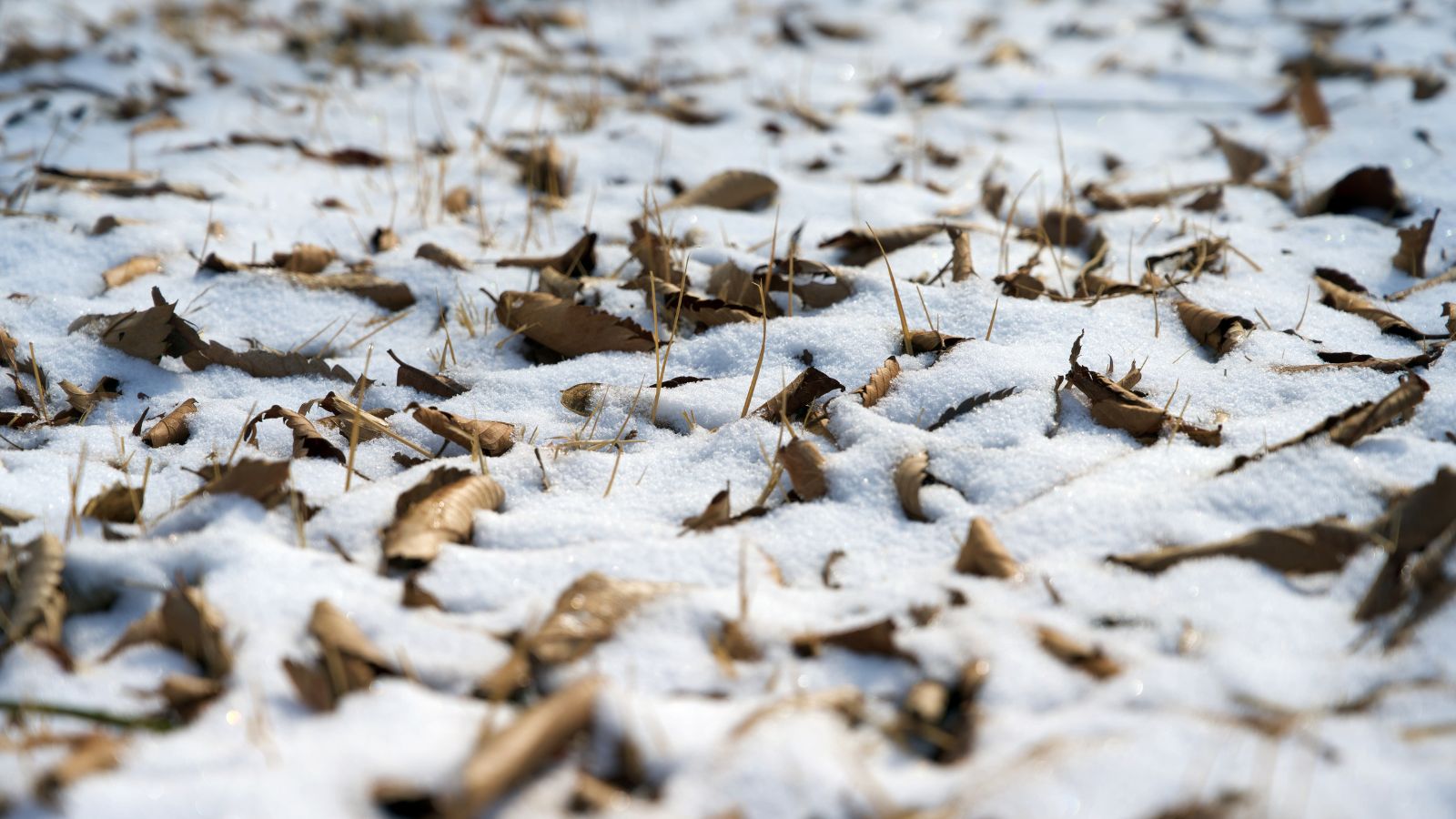
Leaf litter is often just considered an eyesore, but it’s actually quite beneficial for plants and wildlife in your garden. Insects overwinter in leaf litter, either as adults, pupae, or eggs. These insects emerge in spring exactly when birds need massive amounts of protein to feed growing chicks. Removing all the leaves eliminates these future food sources.
Ground-feeding birds actively forage in leaf litter, scratching through the layers to find insects and seeds. The leaves provide cover while they search, protecting them from other predators.
Leaves also insulate the soil and protect plant roots through winter. As they decompose, they add organic matter that improves soil structure and fertility. You’re essentially getting free mulch and compost that also happens to support wildlife.
If you can’t stand the look of leaves scattered across lawns and beds, compromise by raking them into designated areas. Pile leaves around the bases of shrubs and trees, in corners, or along fence lines where they’re less visually prominent but still available to birds and insects.
Winter birds in your garden don’t care about human aesthetics. They need food, water, shelter, and nesting sites. Your messy winter garden provides all of those things far better than a manicured landscape ever could.
