


Outdoor gardens are great, but indoor gardens bring plants much closer to your attention and your fingertips. There are several vegetables to start on your windowsill in January, many of which do not take up much space. If you have a large bay window, though, you can go crazy!
First, ensure your window gets full sun from either a south or west-facing direction. This recommendation is for residents of the northern hemisphere of the globe. If you live in the southern hemisphere, northern and eastern exposures are best.
If you do not have full sun from your window for at least eight hours per day, incorporate a grow light into your setup. Set a timer to turn the light on when the sun is scarce, and turn it off when the light requirements have been met for the day.
Another important consideration is your soil. If you’re growing any of the plants on this list, provide a rich, well-draining soil. A little organic fertilizer sprinkled into your mix ahead of planting is a good idea, too. Then, as your plants grow, fertilize them lightly with a diluted liquid every couple of weeks.
The type of container you use will change the watering frequency. Plastic containers hold water longer than terracotta, which wicks moisture away from the soil. If you know you have a hard time remembering to water, plastic may be your go-to. Terracotta and other clay options are more aesthetically pleasing, but they do require more regular checks.
Patio Choice Yellow Bush Cherry Tomato

Patio Choice Yellow Bush Cherry Tomato Seeds
Lettuce Leaf Basil

Chef’s Choice Mesclun Lettuce
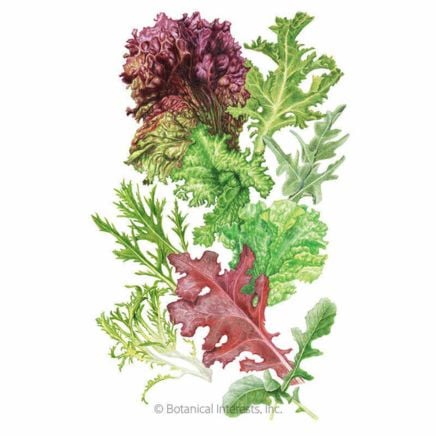
Chef’s Choice Mesclun Lettuce Seeds
Basil
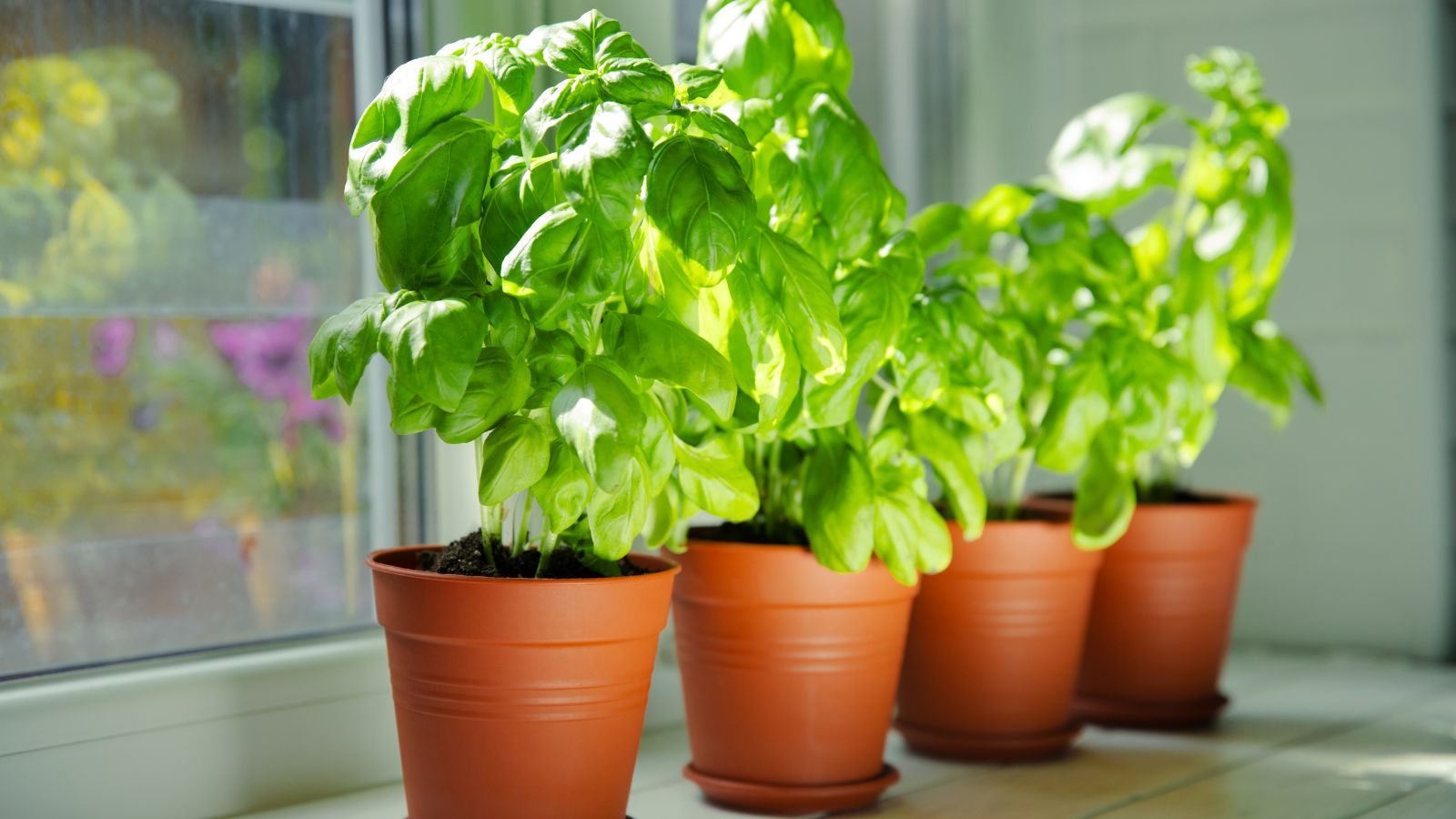
Growing basil indoors on a windowsill is not only doable, but it’s also easier to keep it from bolting. You can sow basil seeds in a small container in winter, and have plenty of fragrant, peppery leaves to harvest in late spring.
Basil takes some time to germinatebut with consistently moist (not waterlogged) soil and lots of light, it’s easy to grow. If you like a traditional basil, look for a ‘Genovese‘, which is great for making pesto. Lettuce leaf basil offers standard flavor in large, bright green foliage.
If you prefer a more licorice-like flavor, grow Tulsi or Thai basil. Either works in Thai recipes, and Tulsi is great for calming herbal teas.

Determinate Tomatoes
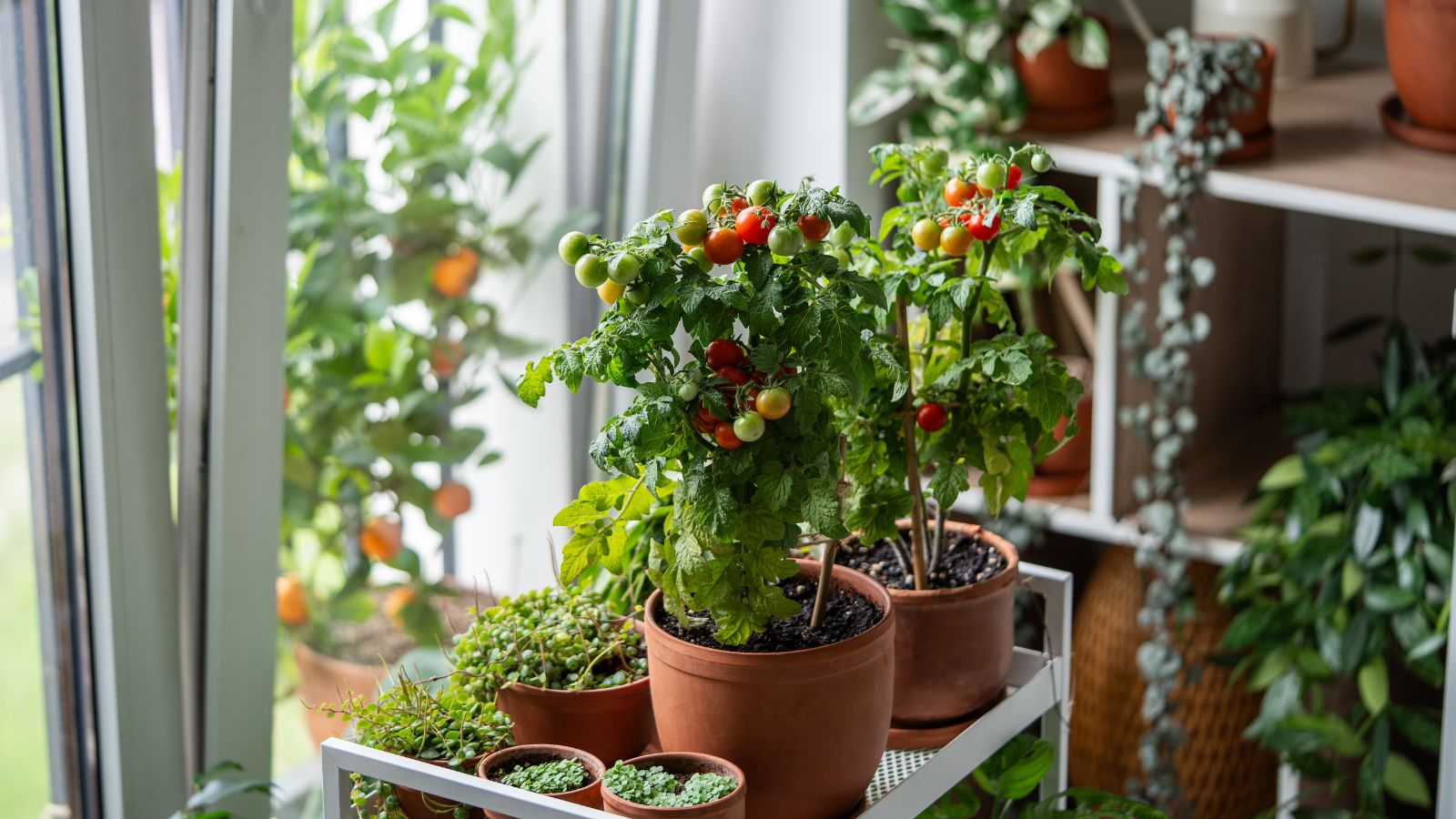
You might think growing tomatoes indoors isn’t possible, but you can start these vegetables on your windowsill in January with the right amount of light. The trick for indoor plants is choosing the right type. Look for a small determinate tomato that won’t outgrow the container it’s planted in. Small cherry varieties are great candidates for windowsill growing.
Hang a planter at the top of your windowsill, and grow ‘Cherry Falls‘. Watch as small crimson fruit cascade downward on no more than 18-inch vines as summer draws near. Patio choice is another great option for your window setup. The upright plants of this variety max out at 18 inches as well, and the golden cherry tomatoes offer much flavor and color to the kitchen.
Other important aspects of growing tomatoes indoors are feeding and pollination. Tomatoes need a steady diet of feed every week or so, especially when they begin to fruit. You should also prepare to hand-pollinate your plants, as they won’t have access to wind and bees that would pollinate them outdoors.
Small Pepper Plants
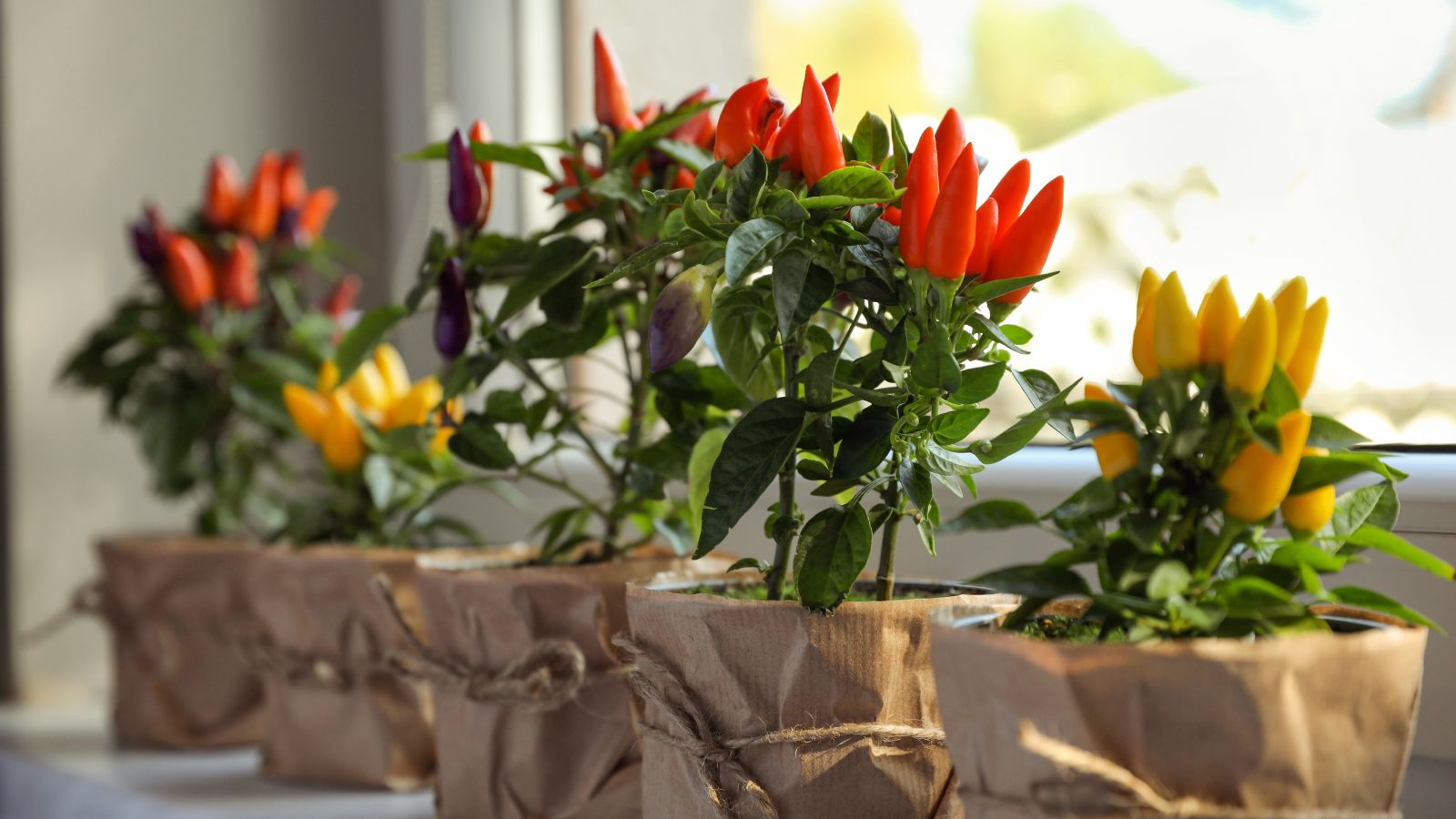
Growing peppers on your windowsill is easy! And starting these vegetables on your windowsill in January keeps them out of the intense heat in areas where summers are hot. Most pepper plants are small enough to grow indoors without the need for excessive pruning or trellising.
Choose a variety that stays under two feet; there are plenty of those. For an extra small plant that packs a punch, look for Thai hot chile peppers. This plant stays under 20 inches and grows peppers that reach 50,000-100,000 Scoville units (that’s hot!). For a smaller and less spicy option, there’s always the lovely Mini red sweet bell pepper.
Indoor container peppers need help with pollination as well, so get out your paintbrush when the flowers open, and dust pollen from one flower to another.
Parsley
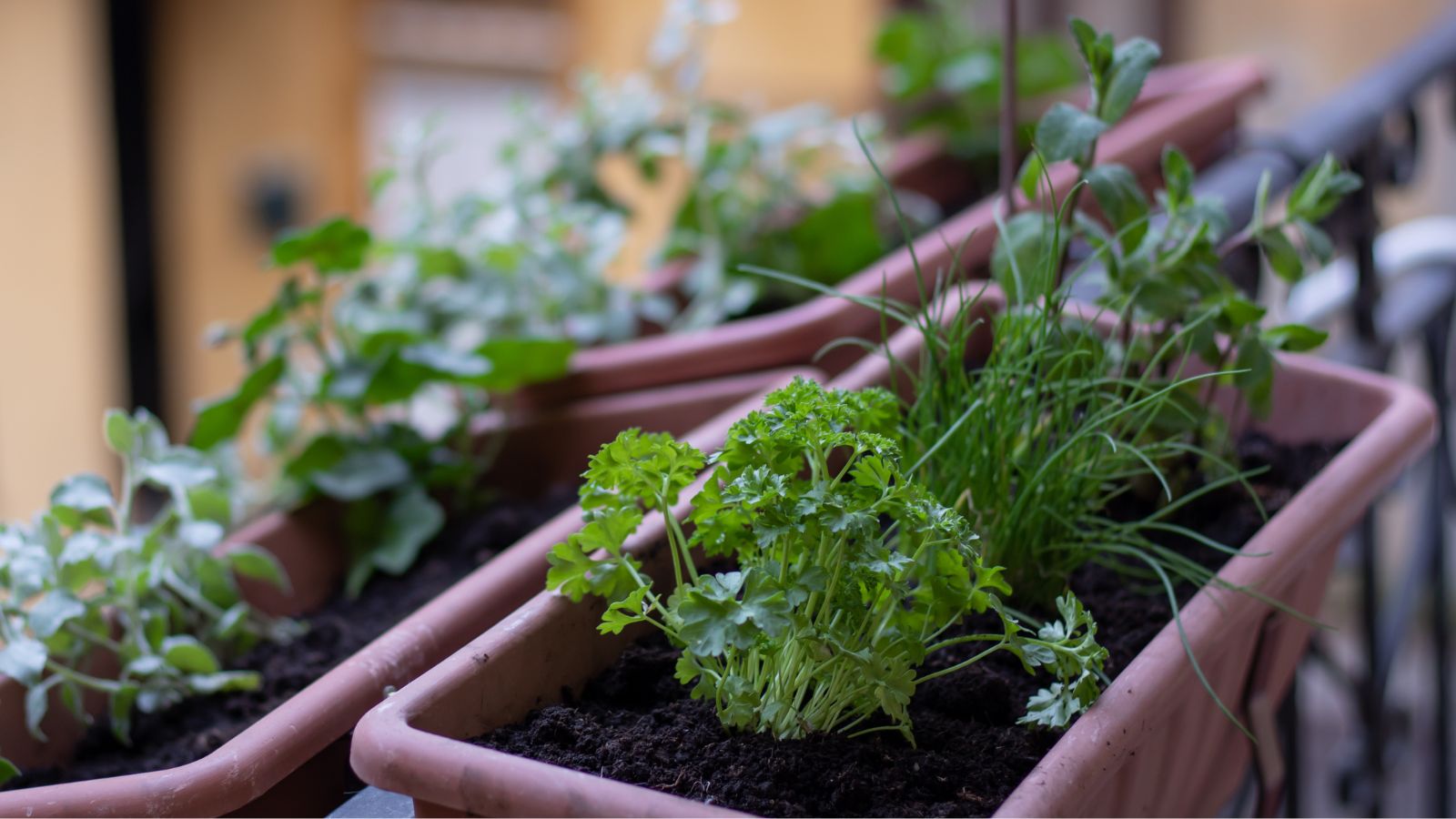
Grow some parsley alongside your basil in your sunny window this year. This herb has a reputation for being difficult to germinate and slow to grow, but indoors, you can ensure nothing stands in your way. Parsley doesn’t need much tending once it gets going, either.
For large, flat leaves, look for ‘Italian Giant‘. It can take up to one month to grow, but having fresh parsley on hand is so worth it. Moss curled parsley is another great option that works amazingly in tabouleh and other Mediterranean dishes.
Lettuce
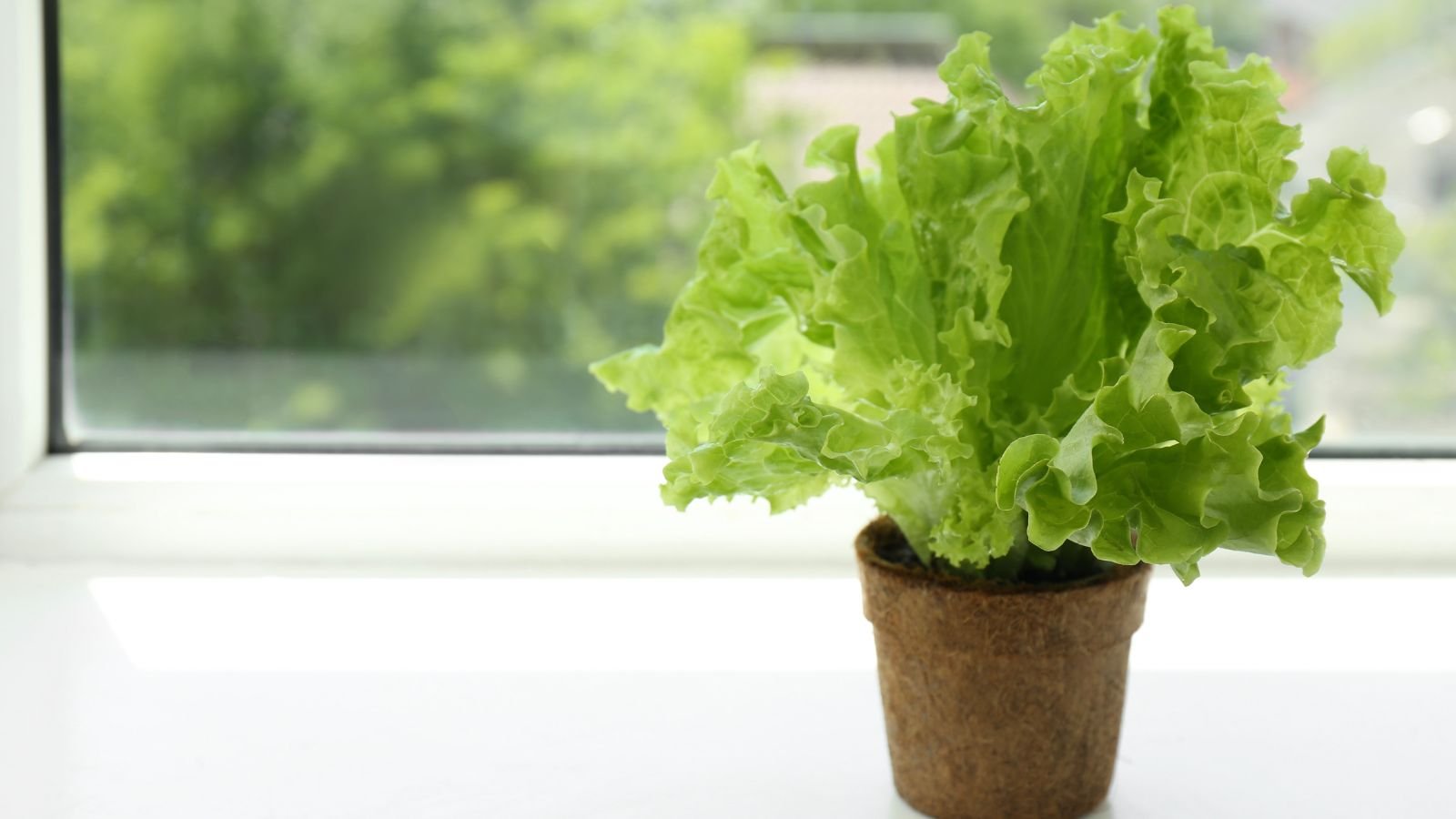
There’s a reason lettuce is a common sight in countertop hydroponics. It’s so easy to grow, it grows quickly, and it can be a cut-and-come-again crop. Outdoors, the supple leaves of lettuces are subject to feeding by insects and small mammals. Indoors, there’s not much to worry about in that regard.
Because the roots of lettuce are so shallow, you can grow it in a container that’s wider than it is deep. Look for a mix of lettuces you can harvest at any stage. While you can grow head lettuces and icebergs indoors, it’s much easier to stick to leaf lettuces, like ‘Chef’s Medley‘.
Chef’s choice offers a little more variety than the medley, but you can harvest both in less than one month. Leave maturing leaves in the container, and harvest them as they’re ready. If you’re growing a heading lettuce, harvest the outer leaves to keep it going through its entire life cycle.
Thyme

While you’re starting other herbs, remember thyme is the perfect companion for any vegetable to start on your windowsill in January. There are multiple species of thyme, all of which are perfect for indoor growing as long as there is enough light.
You can go for a basic English thymewhich is great in chicken soup and other savory dishes. But there’s also lemon thyme, creeping thyme, and woolly thyme. All of the Thymus species out there are edible, but you’ll find that the ones that produce smaller flowers are better for cooking.
It doesn’t hurt to choose a thyme that grows lovely flowers. The leaves are still fragrant and pungent, but less so than standard culinary varieties. Still, growing woolly thyme for its lovely flowers will yield foliage for cooking.
Oregano
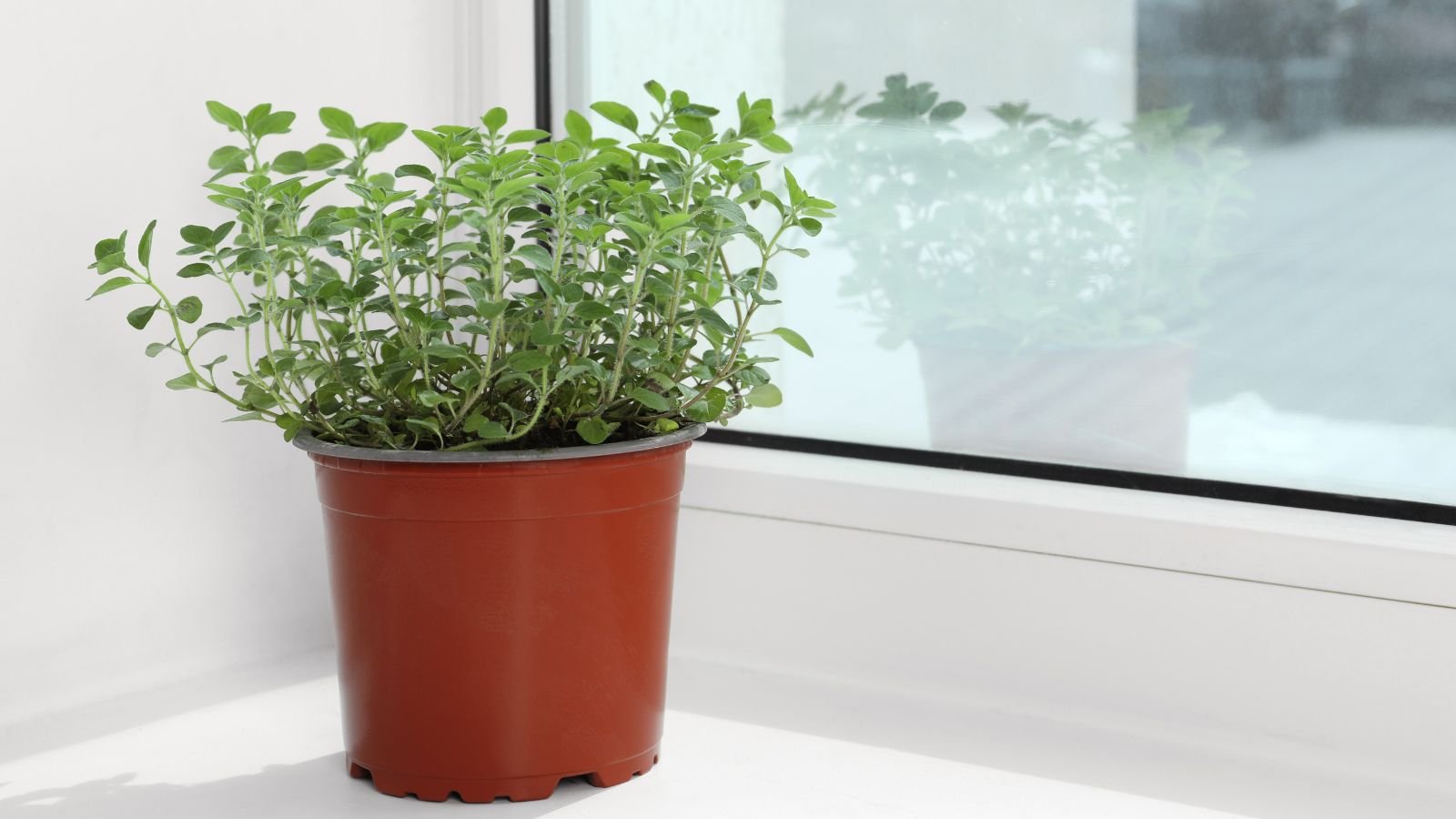
I love incorporating fresh or dried oregano into my cooking on a regular basis. Growing a plant indoors isn’t difficult. The best thing about growing herbs indoors is not having to do much after they get established. Oregano is no exception to this rule.
Opt for the standard ‘True Greek’ variety for a slight divergence from the flavor you’re used to having with Common Oregano. As soon as your oregano plant grows to six inches tall, you can start harvesting. For more impact in the flavor of this herb, dry it!
