


Since its founding in 1922, the American Horticultural Society (AHS) has published dozens of books, including deep-dive guides on single issues like propagation and starting seeds. The organization’s latest is Essential Guide to Ecological Gardeninga broad yet in-depth manual on ecological gardening practices. The book is part of many new efforts underway at AHS and the third in a new series focussed on sustainably minded gardening (AHS’s Essential Guide to Perennial Gardening and Essential Guide to Organic Vegetable Gardening were published last winter).
The new books’ timing coincides with both a wave of interest in organic and ecological gardening practices and a tsunami of less-than-reliable advice on the internet and social media. Matt Matthus, senior director of horticulture at AHS, says that the organization felt the need to offer a comprehensive guide that reflected the latest horticultural research. “Home gardeners really want more accurate information and less hacks,” he says. “We felt there needed to be a book that top-line addresses all of these ecological trends across the country.” And while it may be hard to believe, even as recently as five years ago most garden books weren’t talking about keystone species, fire-wise landscapes, and forever chemicals in fertilizers, just a few of the many topics covered in Essential Guide to Ecological Gardening.
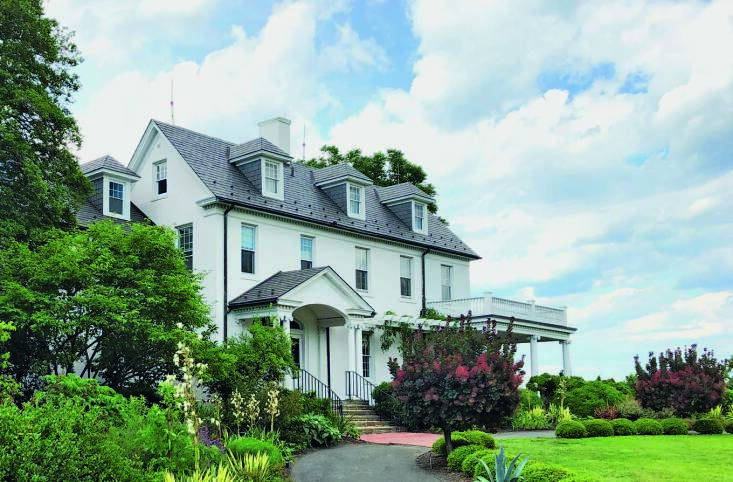
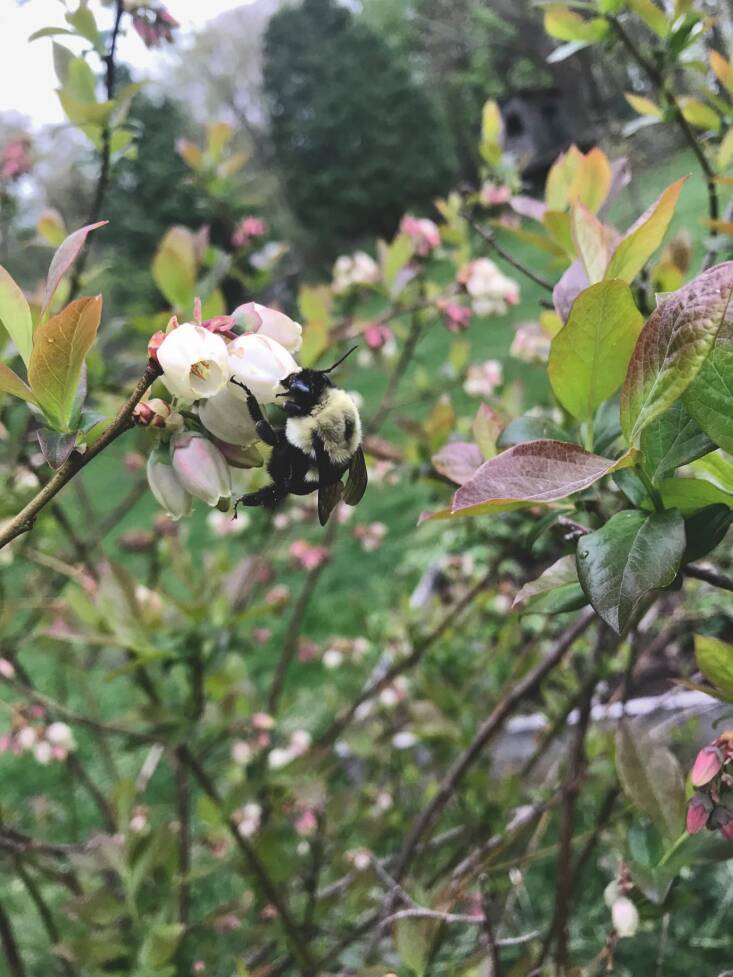
One thing that stands out flipping through the book is how many photos of birds, bees, butterflies, and even toads appear in its photos, a reflection of AHS encouraging gardeners to think of their gardens as a part of their local ecosystem. But this is a book for gardeners–not conservationists–so it’s not dogmatic about planting only straight-species native plants, nor does it shame gardeners for occasionally using pesticides. Rather, it offers advice for how to make better ecological choices while maintaining the aesthetics you prefer.
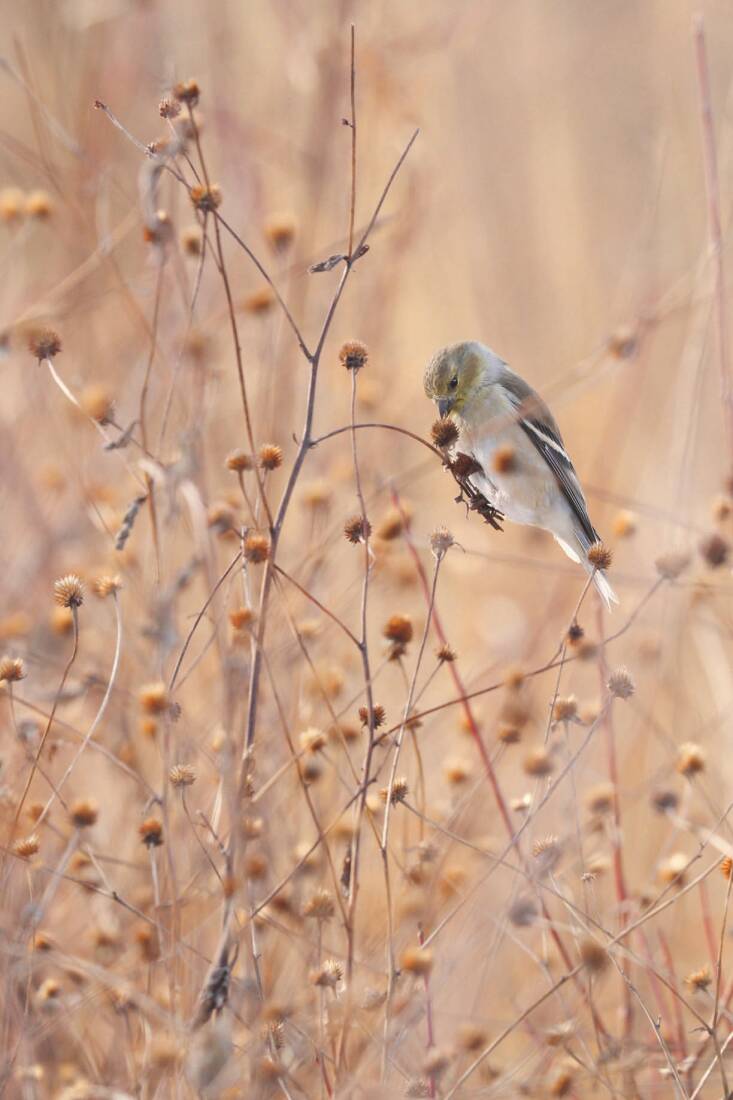
Essential Guide to Ecological Gardening is neither a garden design guide nor a dream book of garden tours (although we glimpse many attractive gardens in its pages): It’s a handbook and a reference book that gardeners can trust. Written by the staff of one of the oldest national gardening organizations in the United States and a team of professional consultants, its content was also reviewed by a horticultural advisory committee.
This book will appeal to beginner gardeners, but there is much for advanced gardeners as well. Here are six tips that the Gardenista team took away from this helpful new guide:
Cut back halfway in fall.
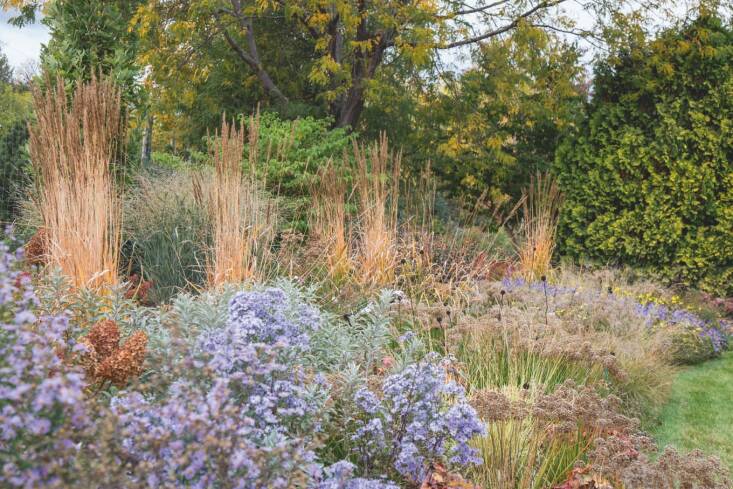
By now many gardeners know that leaving old stems and leaves in place provides much-needed habitat for hibernating insects, but for gardeners accustomed to a neat and tidy cut back, this can feel messy. AHS proposes cutting plants back partially instead, writing, “Rather than cutting plants down to the ground, you can leave half to a third of the stem length in place, which provides plenty of habitat, but also gives a tidier appearance.” Come spring the fresh growth will also cover the old stems faster.
