


Happy Friday, GPODers!
We’re ending the week with a sweet sampling of color, thanks to Johanna Smith in Aiken, South Carolina (Zone 8, which used to be 7a/7b). Johanna has shared some standout plants from her garden a few times in the past (Johanna’s South Carolina Garden, Fall in South Carolinaand Winter in South Carolina), and today she is back with more bright blooms and vibrant foliage that make her southeastern garden sparkle.
I have been gardening for more than 50 years. We’ve always had a garden, and we did it as a family. When we retired from New Jersey and moved to South Carolina, I found gardening to be more of a weather challenge, but once I got used to the various weather and soil changes, it was a great learning experience.
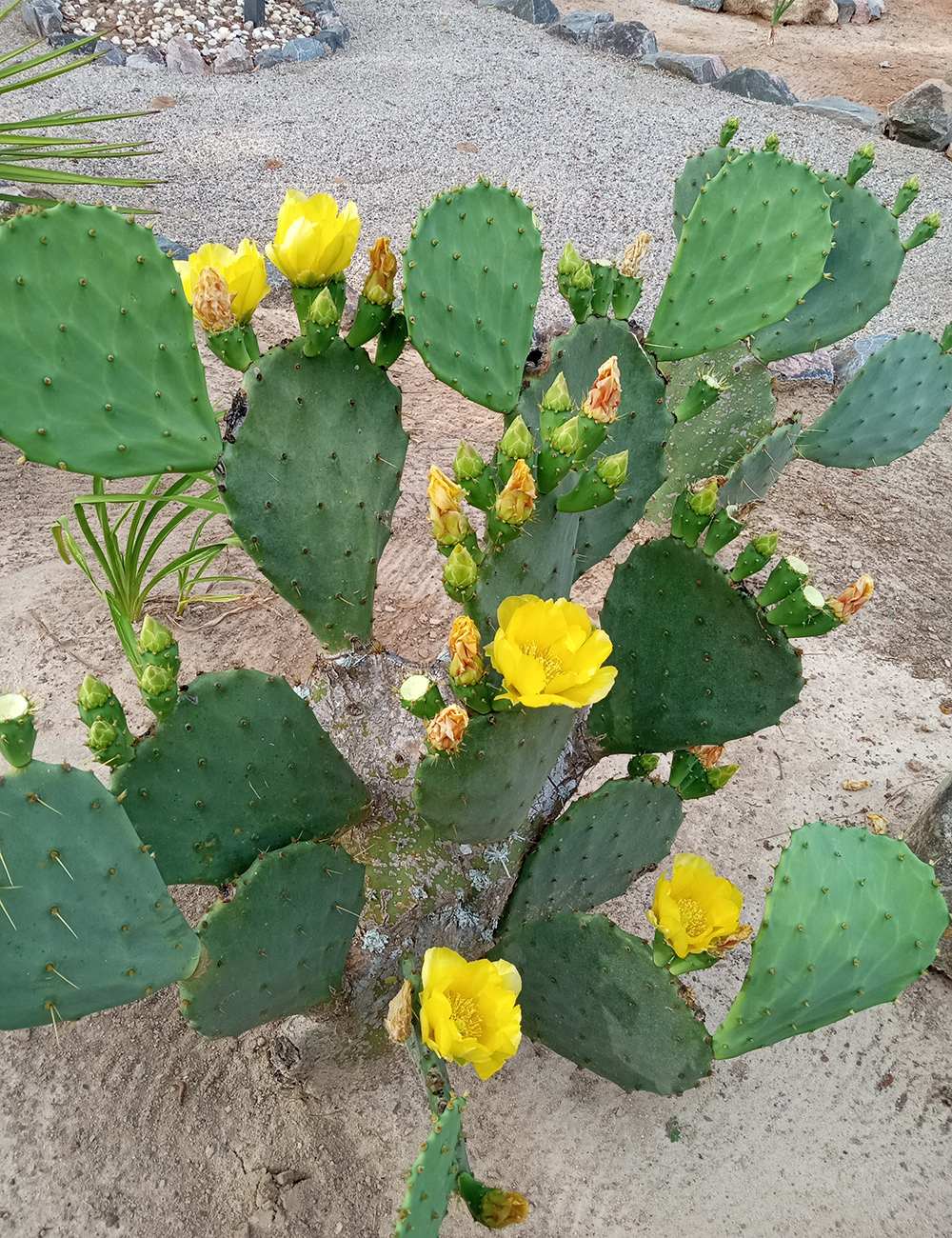 Prickly pear cacti (Opuntia humifusa, Zones 4–9) in bloom
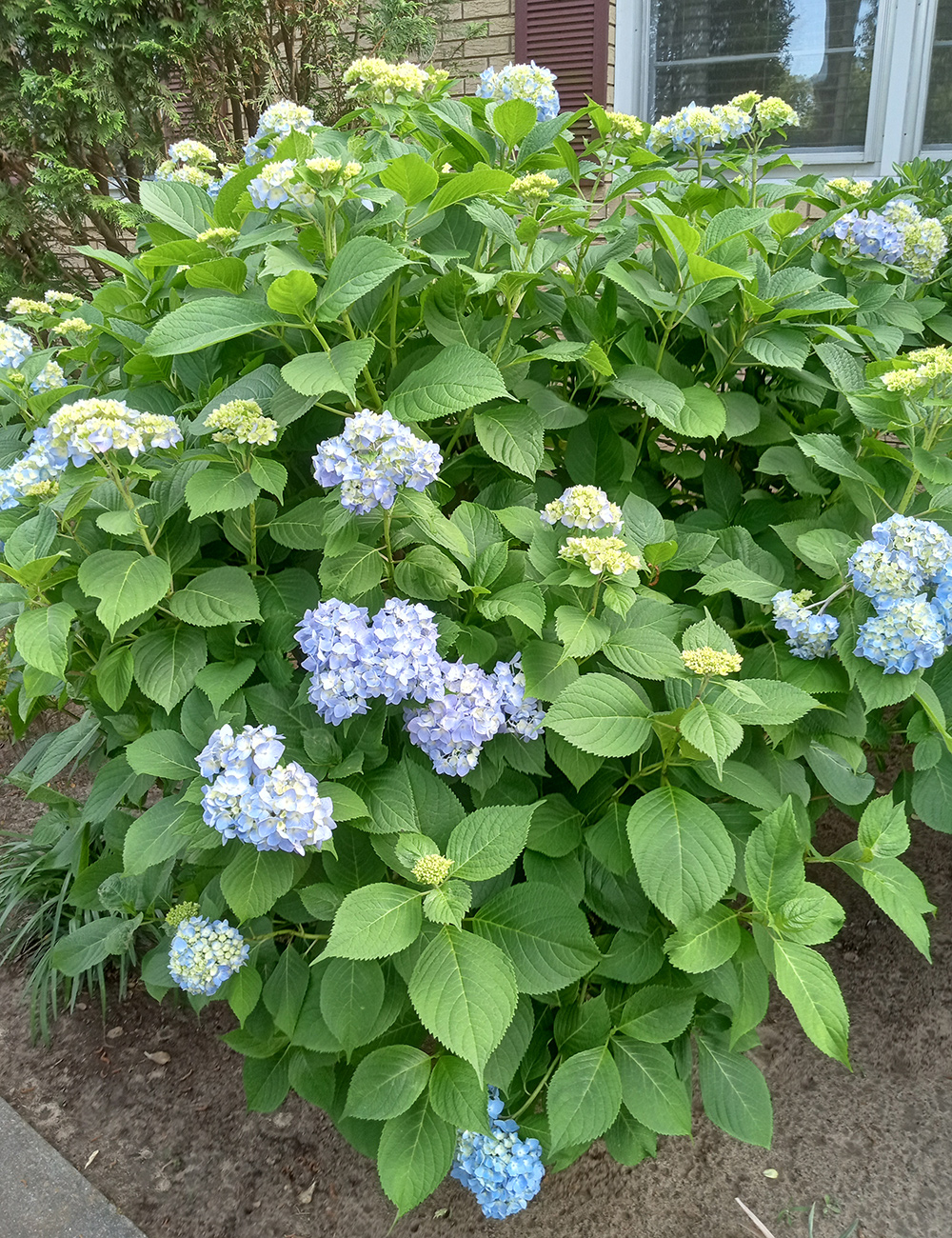 Blue bigleaf hydrangea (Hydrangea macrophylla, Zones 6–9) in bloom. This was the first thing we planted in the spring of 2008.
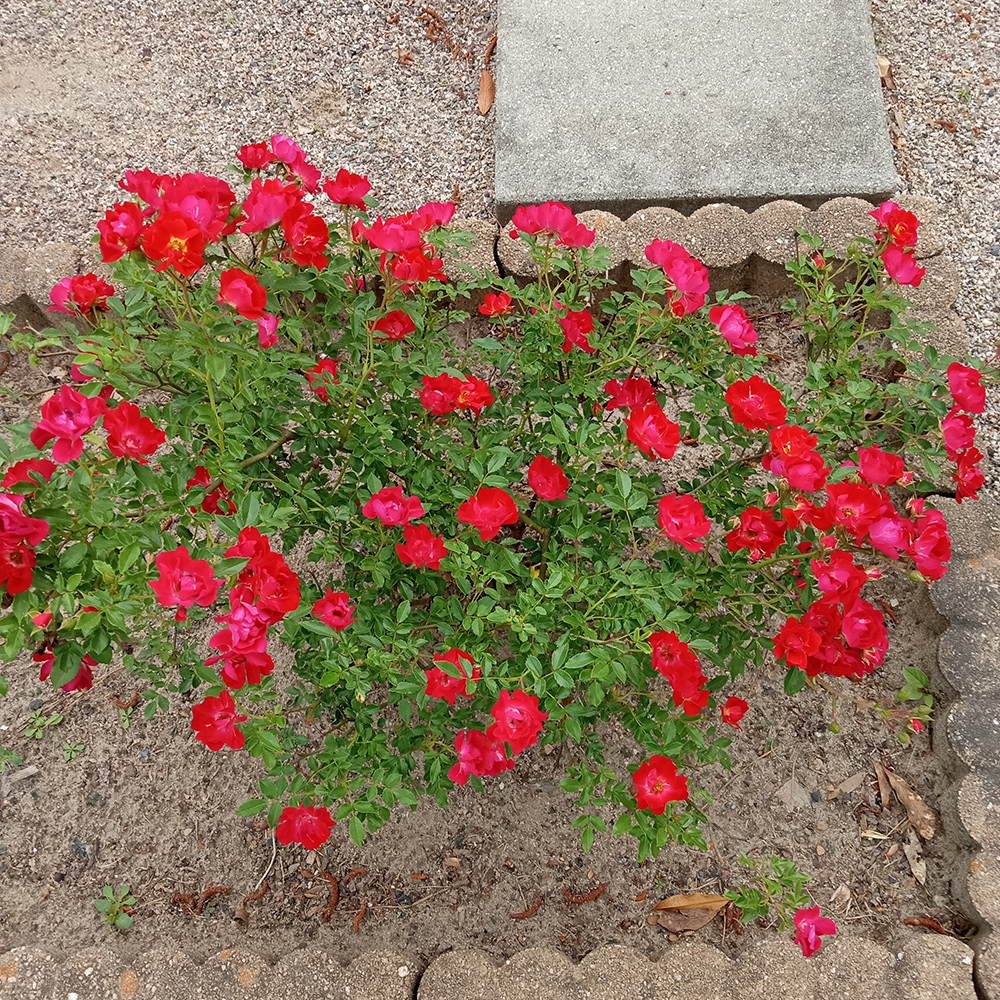 This Red Drift® rosebush (Rosa ‘Meigalpio’, Zones 4–11) was a broken branch given to me by my friend. I rooted it, and it turned out to be a real stunner.
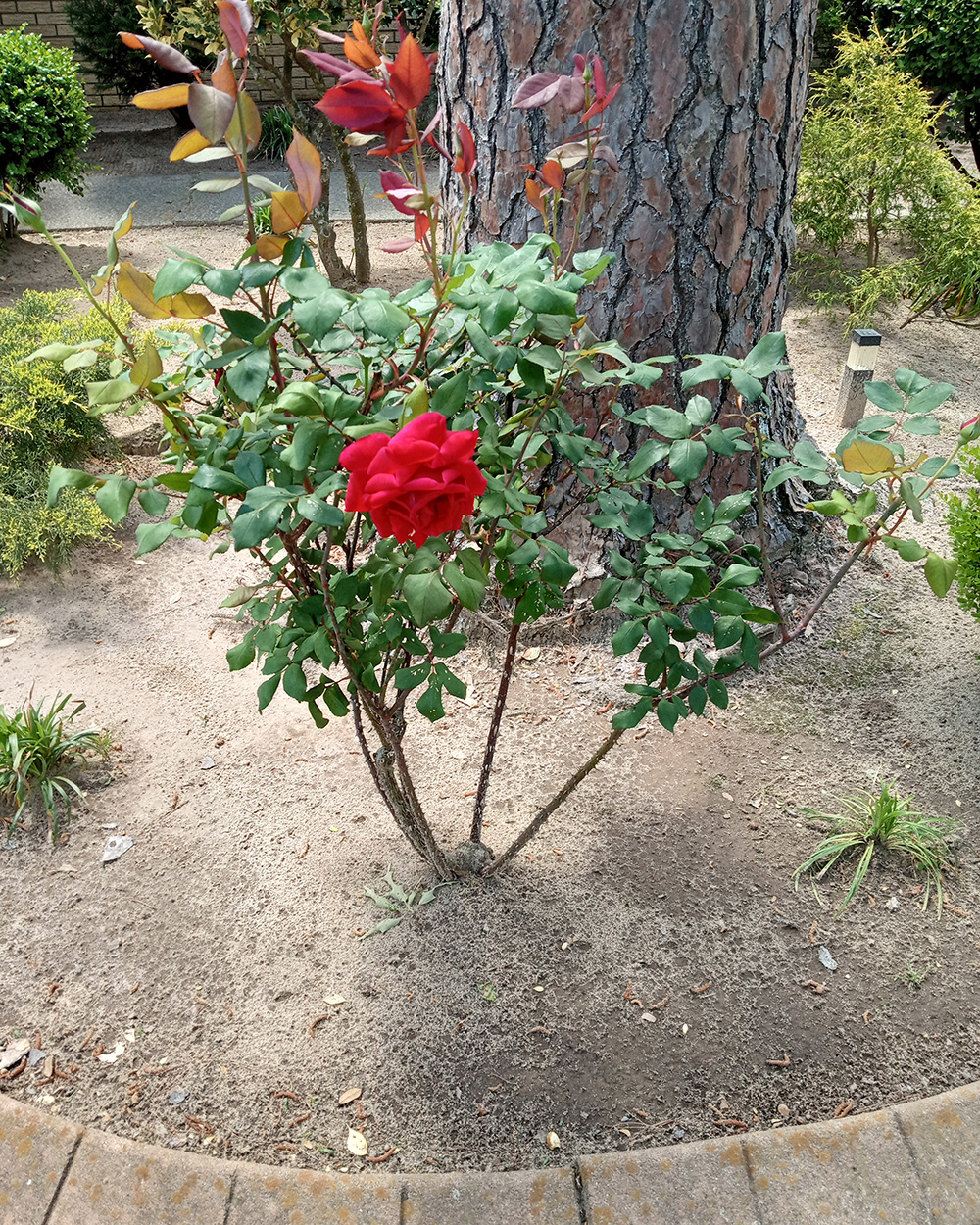 I purchased this Douglas rose (Rosa ‘Douglas’, Zones 4–11) on clearance at Home Depot.
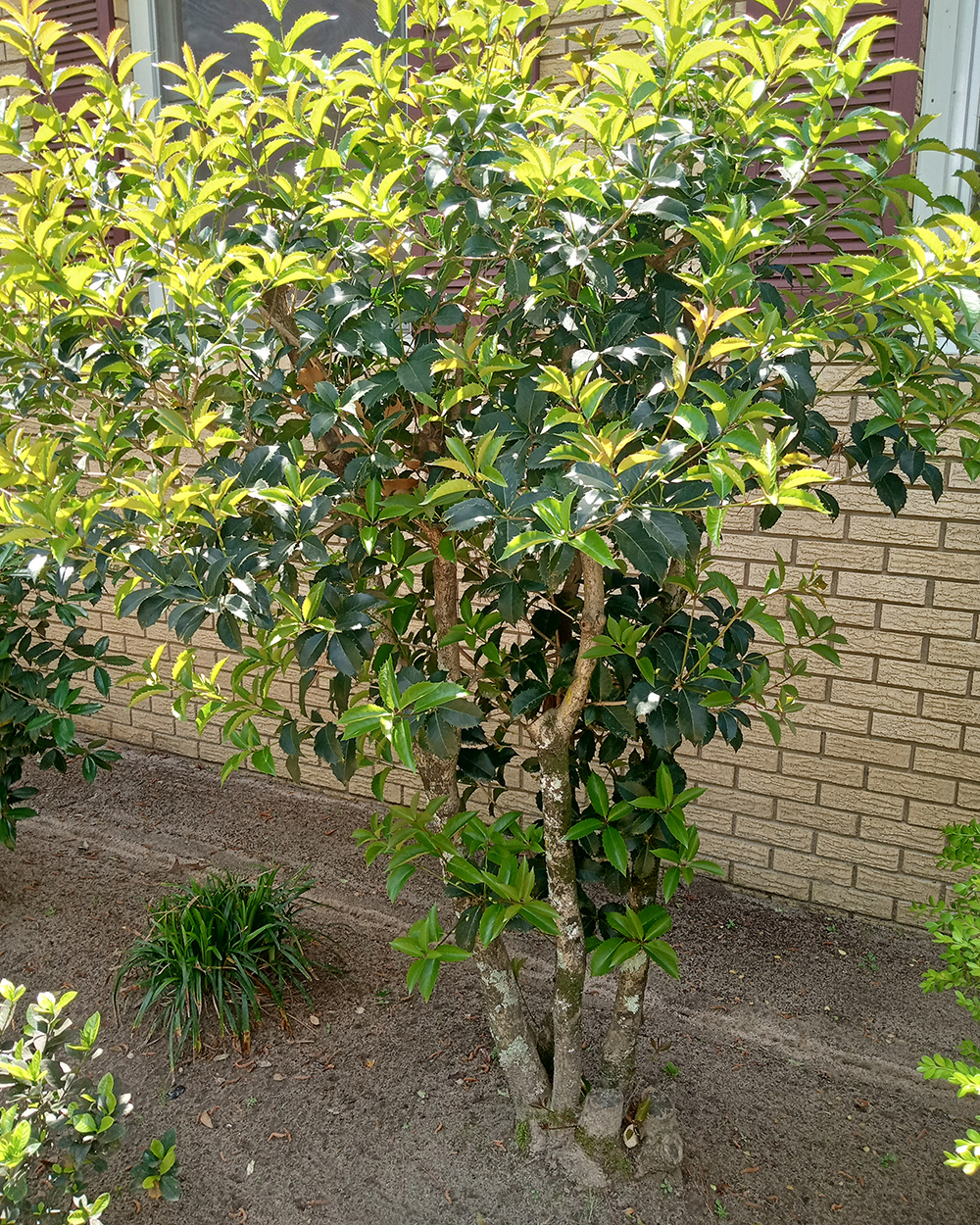 We have several osmanthus plants, which have tiny white and orange flowers with wonderful fragrance.
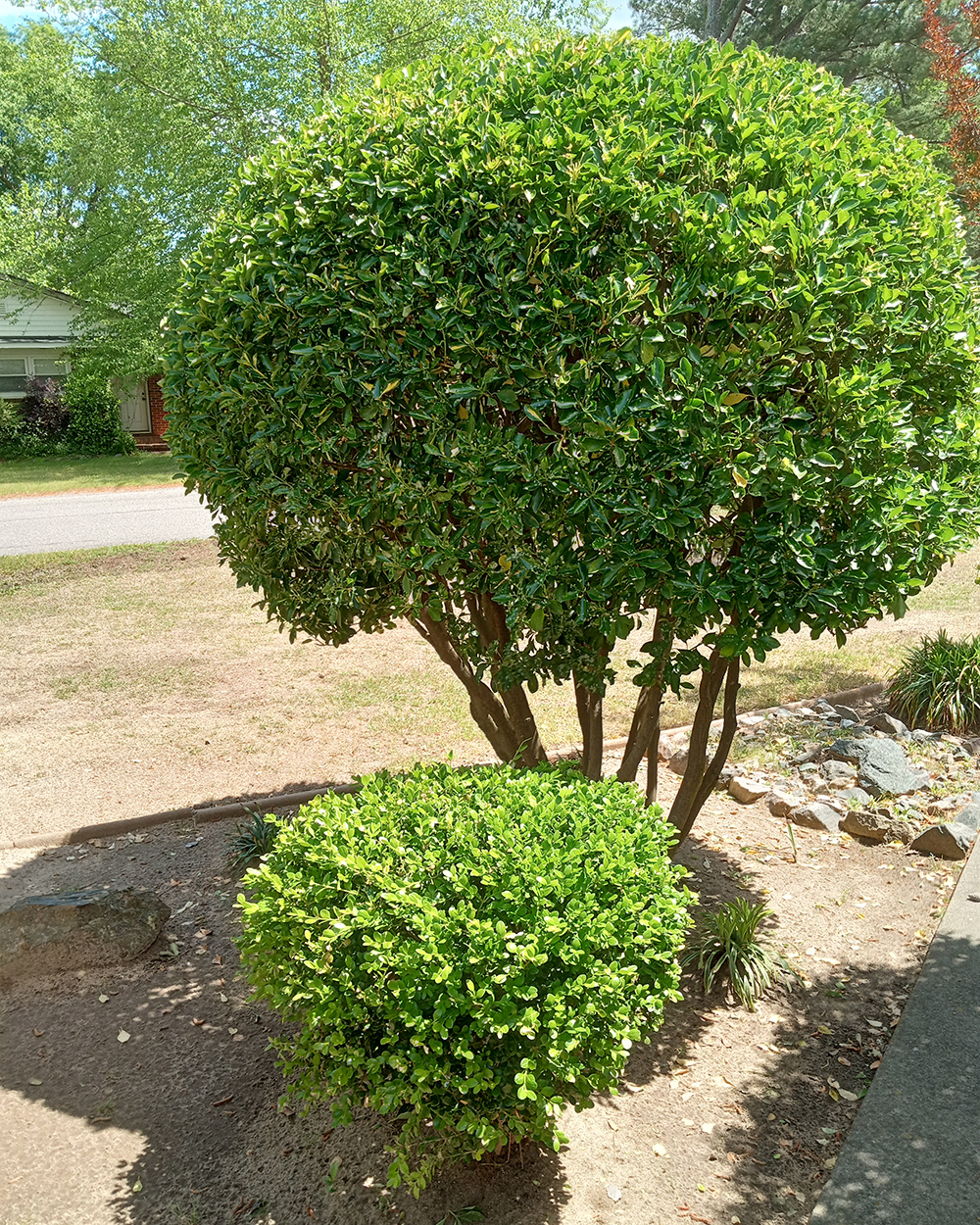 The euonymus and boxwood make a sweet pair on the stroll to the front door.
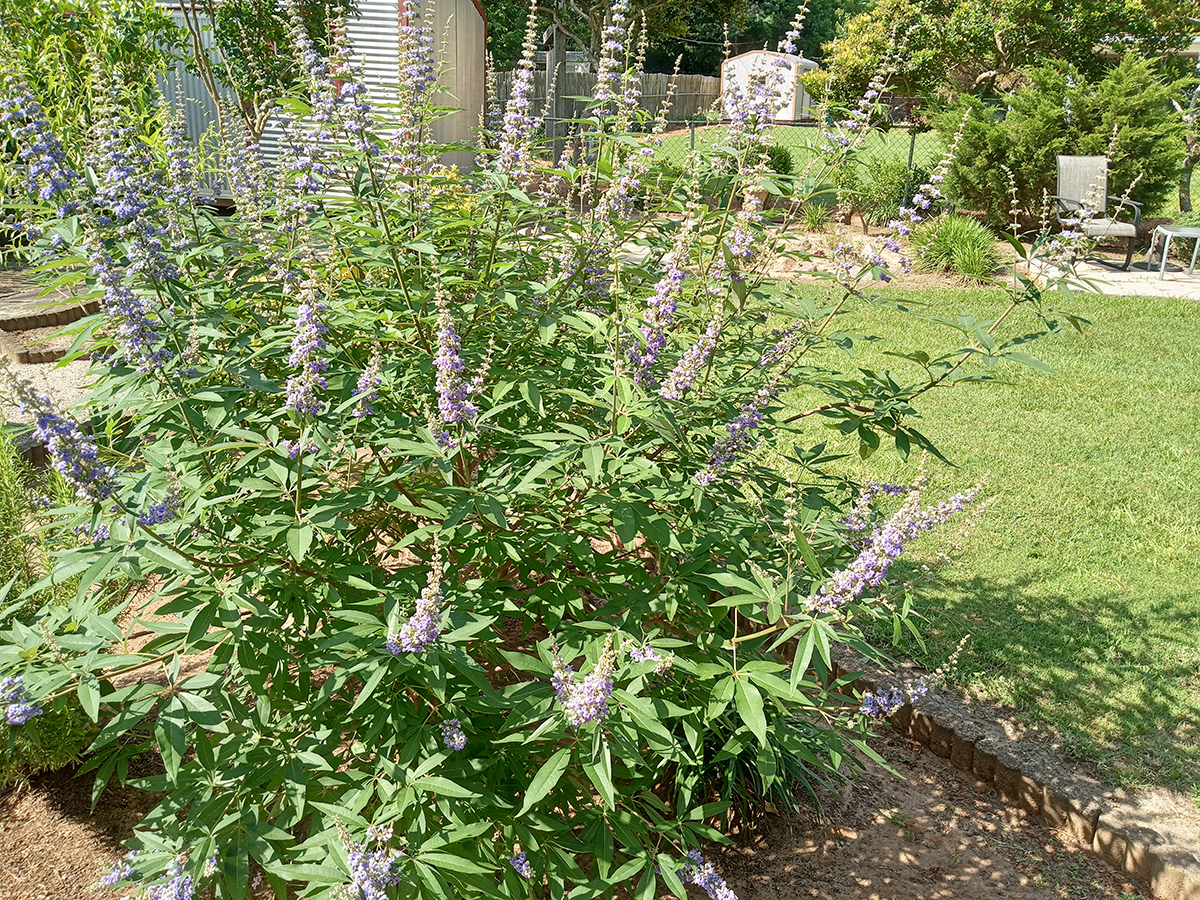 I love this chaste tree (Vitex chaste lamb Zones 6–9). For years I tried to find one, and made this purchase from Amazon.com. It is a beautiful blueish color, and the bees and birds enjoy it as much as I do.
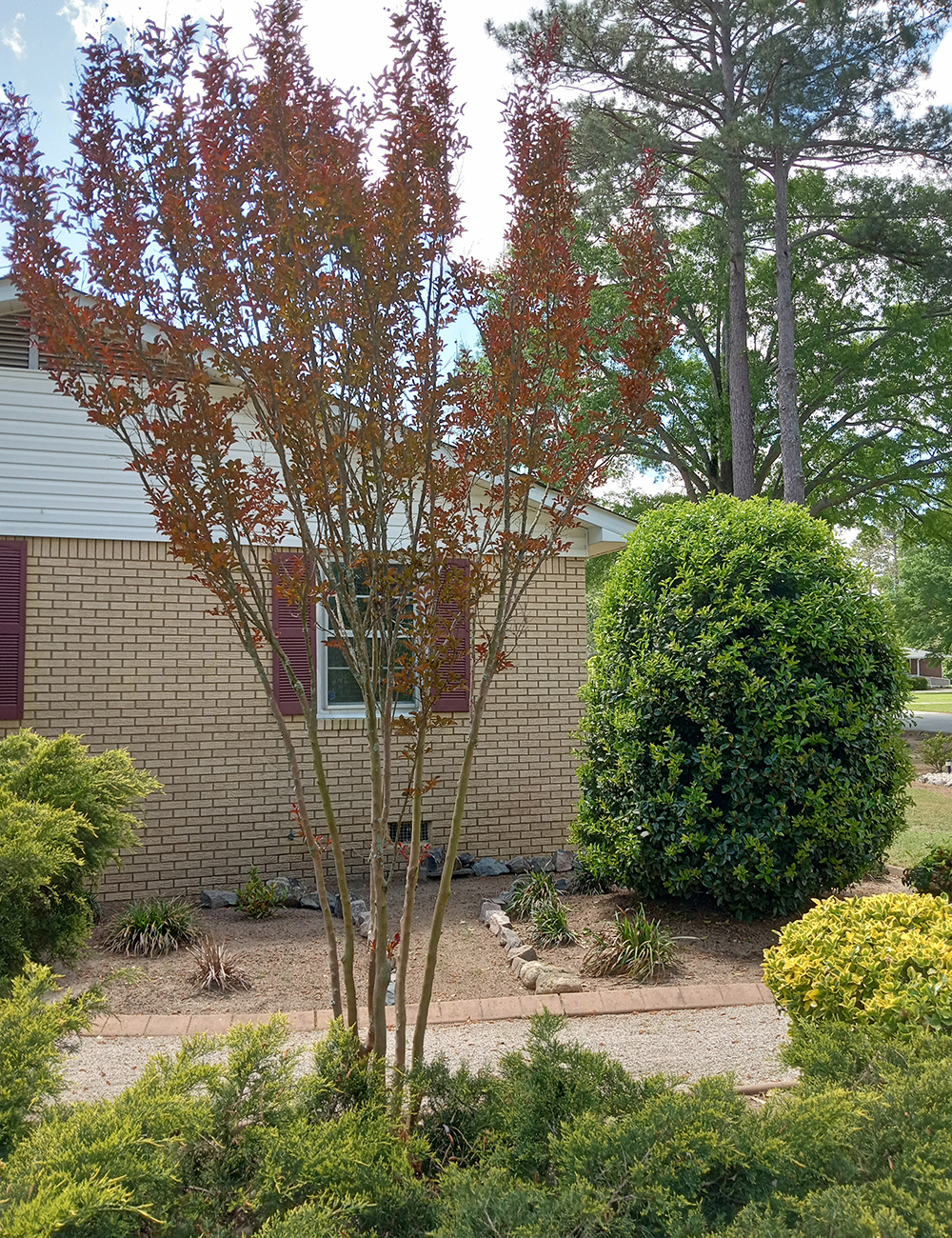 This Black Diamond® crape myrtle (Lagerstroemia ‘Ebony Flame’, Zones 6–9) is gorgeous from spring until late winter. In the spring, it starts with green leaves, which turn red and then black with red flowers.
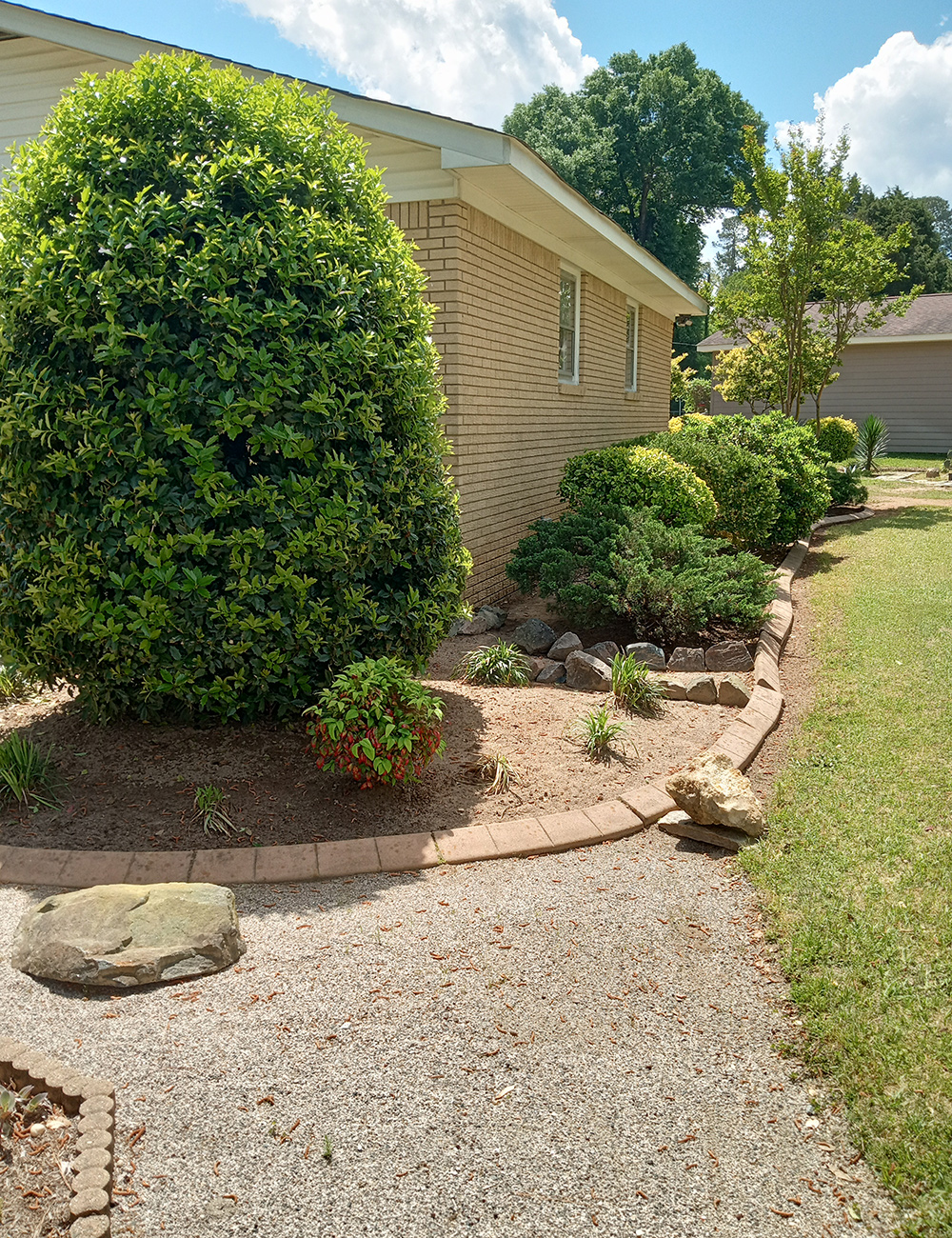 This is the evergreen side of the house, home to a large holly that has tiny yellow flowers. The bees enjoy this, and it’s usually home to several bird families. There are also junipers, euonymus, pittosporum, and mock orange plants (Philadelphus coronariusZones 4–8) that lead the eye to the red crape myrtle at the other corner of the house.
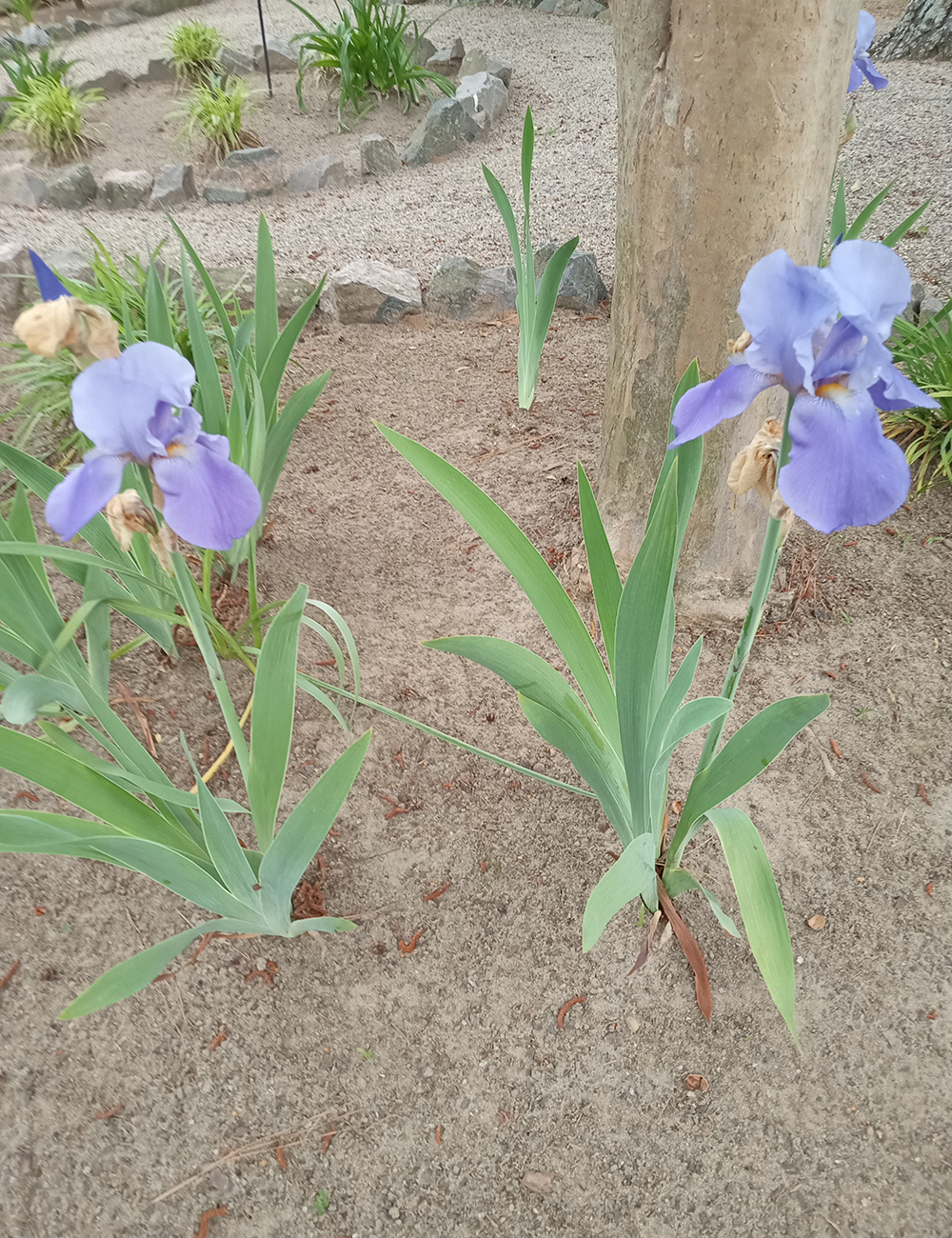 These are irises that were given to me by another friend. They have survived and multiplied, and they look great with the liriope.
Thank you so much for sharing your delightfully diverse garden with us again, Johanna! It’s lovely to see your pretty blooms and interesting plant selections.
Please consider sharing your garden journey with the blog. Whether you’re a lifelong gardener with decades of experience like Johanna, or just started your plant obsession, we would love to hear from you. Follow the NEW directions below to submit your photos to Garden Photo of the Day!
We want to see YOUR garden!
Have photos to share? We’d love to see your garden, a particular collection of plants you love, or a wonderful garden you had the chance to visit!
To submit, fill out the Garden Photo of the Day Submission Form.
You can also send 5–10 photos to (email protected) along with some information about the plants in the pictures and where you took the photos. We’d love to hear where you are located, how long you’ve been gardening, successes you are proud of, failures you learned from, hopes for the future, favorite plants, or funny stories from your garden.
Do you receive the GPOD by email yet? Sign up here
Fine Gardening Recommended Products
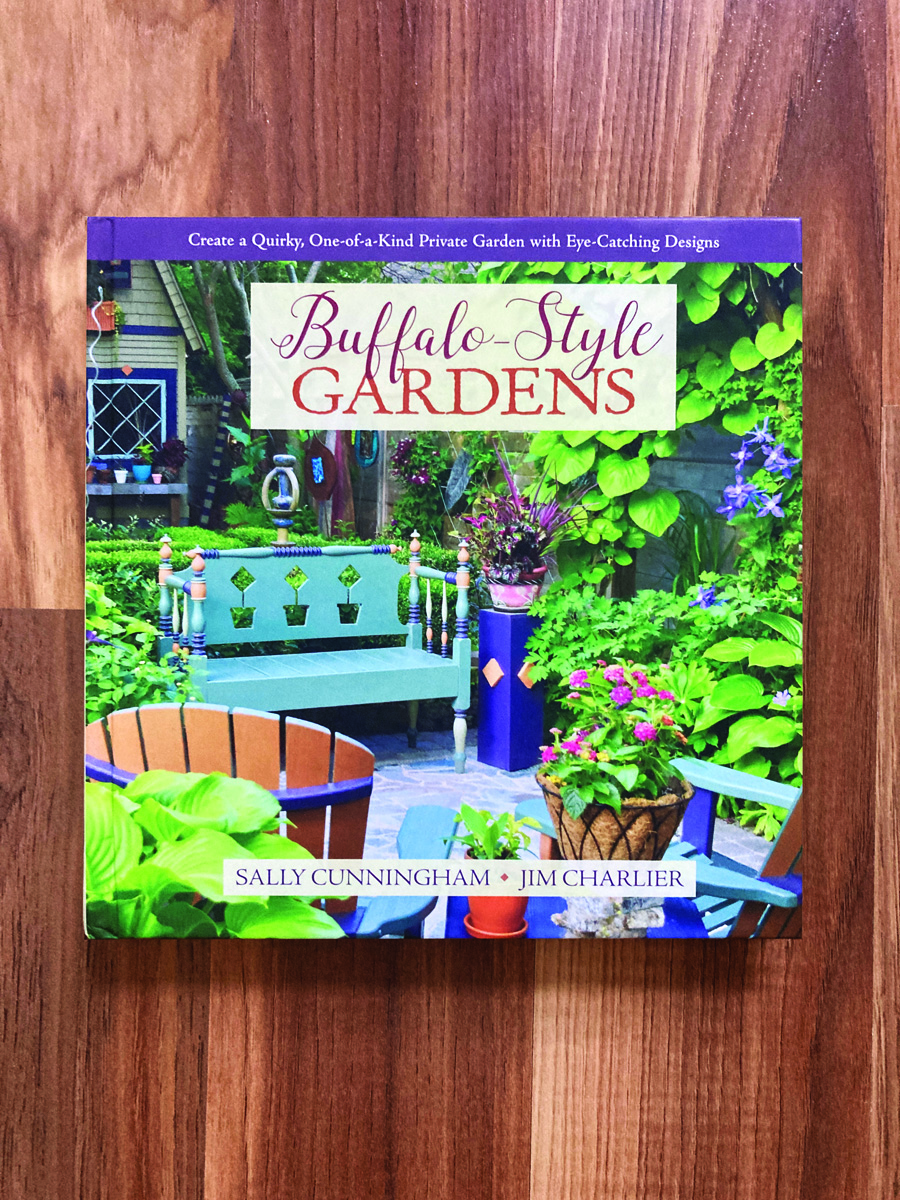
Buffalo-Style Gardens: Create a Quirky, One-of-a-Kind Private Garden with Eye-Catching Designs
Fine Gardening receives a commission for items purchased through links on this site, including Amazon Associates and other affiliate advertising programs.
Buffalo-Style Gardens is a one-of-a-kind, offbeat garden design book that showcases the wildly inventive gardens and gardeners of Buffalo – and offers readers “the best of the best” ideas to use in their own small-space gardens.
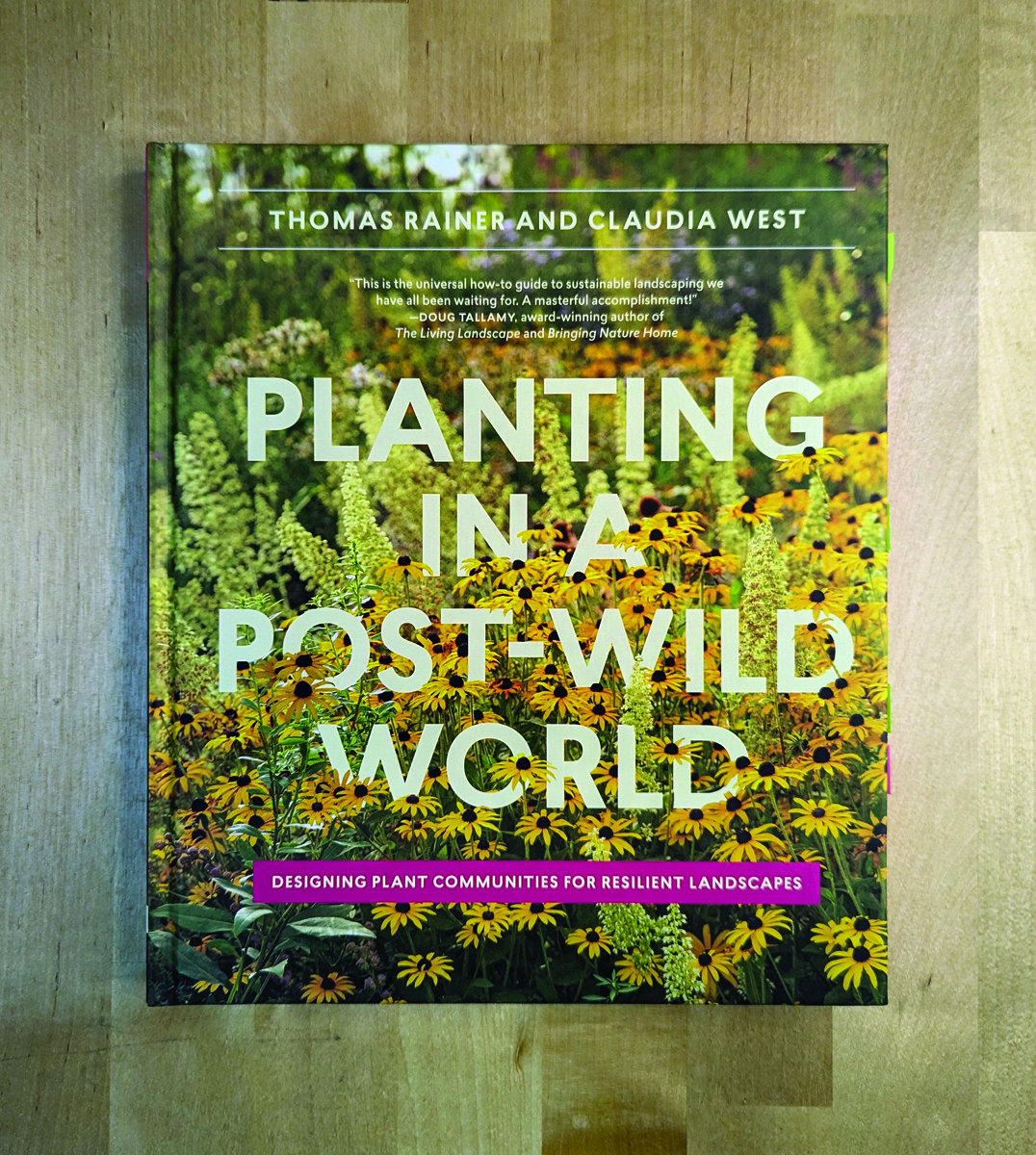
Planting in a Post-Wild World: Designing Plant Communities for Resilient Landscapes
Fine Gardening receives a commission for items purchased through links on this site, including Amazon Associates and other affiliate advertising programs.
Featuring gorgeous photography and advice for landscapers, Planting in a Post-Wild World by Thomas Rainer and Claudia West is dedicated to the idea of a new nature—a hybrid of both the wild and the cultivated—that can nourish in our cities and suburbs.

Winco Aluminum Utility Scoop, 58-Ounce, Medium
Fine Gardening receives a commission for items purchased through links on this site, including Amazon Associates and other affiliate advertising programs.
The Winco Aluminum Utility Scoop makes garden tasks faster and easier with its oversized 85-ounce capacity. Perfect for transferring potting mix into planters or seed trays, it moves soil quickly without the mess. The scoop shape allows for precise backfilling around plants and easy pouring into cells, while also making it simple to refresh containers or measure out soil amendments like compost, worm castings, or biochar. Durable and reliable, it’s a practical upgrade from small scoops that slow you down.
