


Did you know that one of the easiest ways to save money on your garden budget each spring is to simply recharge and reuse last years potting soil this spring?
Many gardeners are left in late winter or early spring with container after container of old potting soil from last year. The problem is that most people assume it has to be thrown away and replaced with brand new potting mix each spring. And that couldn’t be further from the truth!
If you have more than just a few containers, buying all new potting soil every season can get expensive fast. The good news is that you usually don’t have to throw that soil away at all. In fact, most old potting soil can be reused again and again – you simply need to recharge it first.
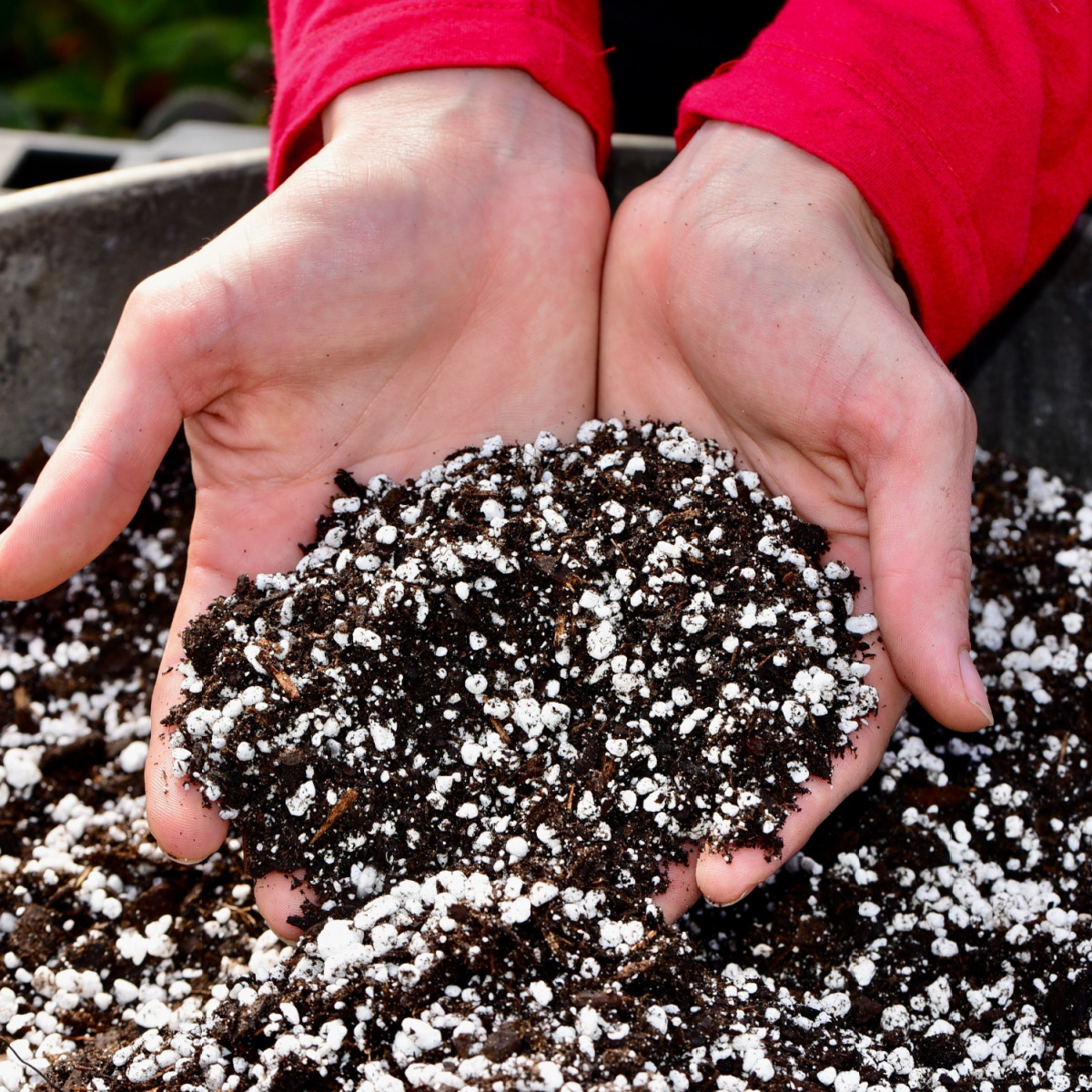
How To Recharge & Reuse Last Year’s Potting Soil This Spring!
Over the course of a growing season, potting soil slowly loses nutrients. Plants pull those nutrients from the soil as they grow, and frequent watering washes many of the remaining nutrients away. By the time fall arrives, the soil might still look good, but it often lacks the fertility needed to support healthy plants.
Fortunately, it is incredibly easy to bring that soil back to life. With just a few natural ingredients like compost, worm castings, coffee grounds and eggshell powder, you can quickly recharge old potting soil and turn it into fertile growing mix once again. Best of all, doing so can save you a tremendous amount of money each year.
Here at the farm, we reuse mountains of potting soil every single spring. With all of the vegetables, flowers, and container plantings we grow, replacing it all would cost a small fortune. Instead, we recharge what we already have, and it performs just as well if not even better as brand new mix.
Why Old Potting Soil Needs Recharged
At first glance, last year’s potting soil might still appear perfectly healthy. It may still be light and fluffy and look just like the day you poured it into your containers. But looks can be deceiving.
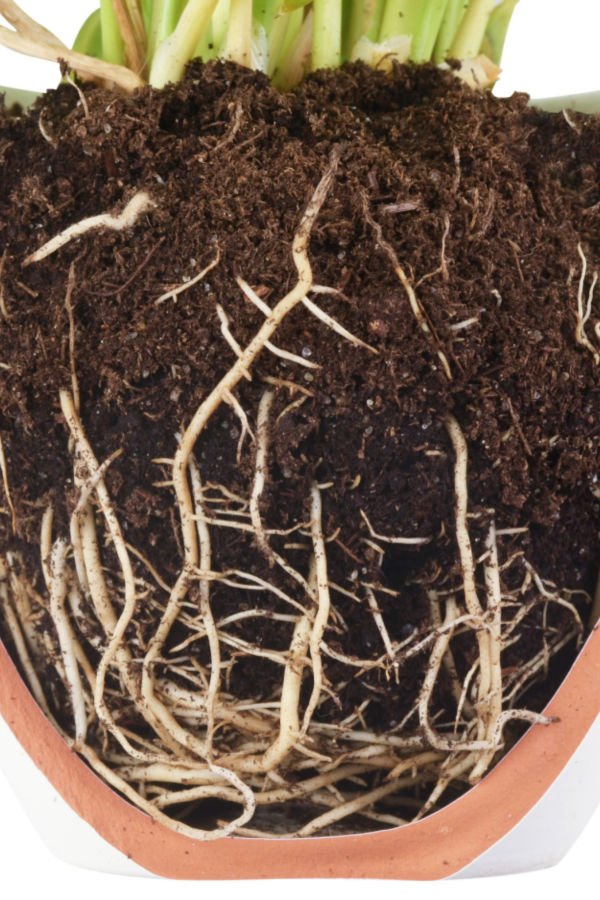
Potting soil is designed to provide nutrients for plants for a limited time. Most potting mixes contain nutrients and even light fertilizers that gradually feed plants throughout the growing season. As plants grow, they consume these nutrients from the soil. At the same time, every watering slowly leaches additional nutrients out of the mix and through the drainage holes at the bottom of the container.
By the end of the growing season, much of the soil’s fertility has been used up. That doesn’t mean the soil itself is bad. What it lacks is the organic matter and nutrients needed to support healthy plant growth and improve the soil structure as well.
The Simple Steps To Recharge & Reuse Last Years Potting Soil
The first step to reusing last year’s potting soil is gathering it together in one place. If you only have a few containers, a large wheelbarrow works great. For larger amounts, simply spread out a tarp on the ground and dump all of the soil into a pile.
As you collect the soil, take a moment to remove any old plant stems, roots, or debris that may still be mixed in. Old roots can break down over time, but removing the larger pieces helps create a cleaner mix that is easier to work with.
Listen To Our Podcast On Recharging Old Potting Soil
A Simple Formula To Recharge Potting Soil
Recharging old potting soil doesn’t require complicated measurements or special ingredients. A simple mix of compost, worm castings, coffee grounds, eggshell powder, and perlite can restore fertility quickly and naturally.
For every five-gallon bucket of old potting soil, add the following ingredients:
4 cups of compost
1 cup of worm castings
A few tablespoons of used coffee grounds
A few tablespoons of eggshell powder
A small handful of perlite
The exact measurements don’t have to be perfect. Getting close to this ratio is more than enough to recharge the soil and provide plants with plenty of nutrients. Once the ingredients are added, simply mix everything together thoroughly until the new materials are evenly distributed throughout the soil.
After mixing, the potting soil is ready to use again. It really is that easy! Here is a quick look at what each of the above ingredients brings to your new potting soil mix:
Why Compost Is The Key Ingredient
Of all the above ingredients, compost is the most important when it comes to help recharge and reuse old potting soil. It is the foundation of recharging old potting soil. When you add compost back into the mix, you are replacing much of the organic matter that was lost during the previous growing season. Compost contains a wide range of nutrients that slowly release into the soil as plants grow.
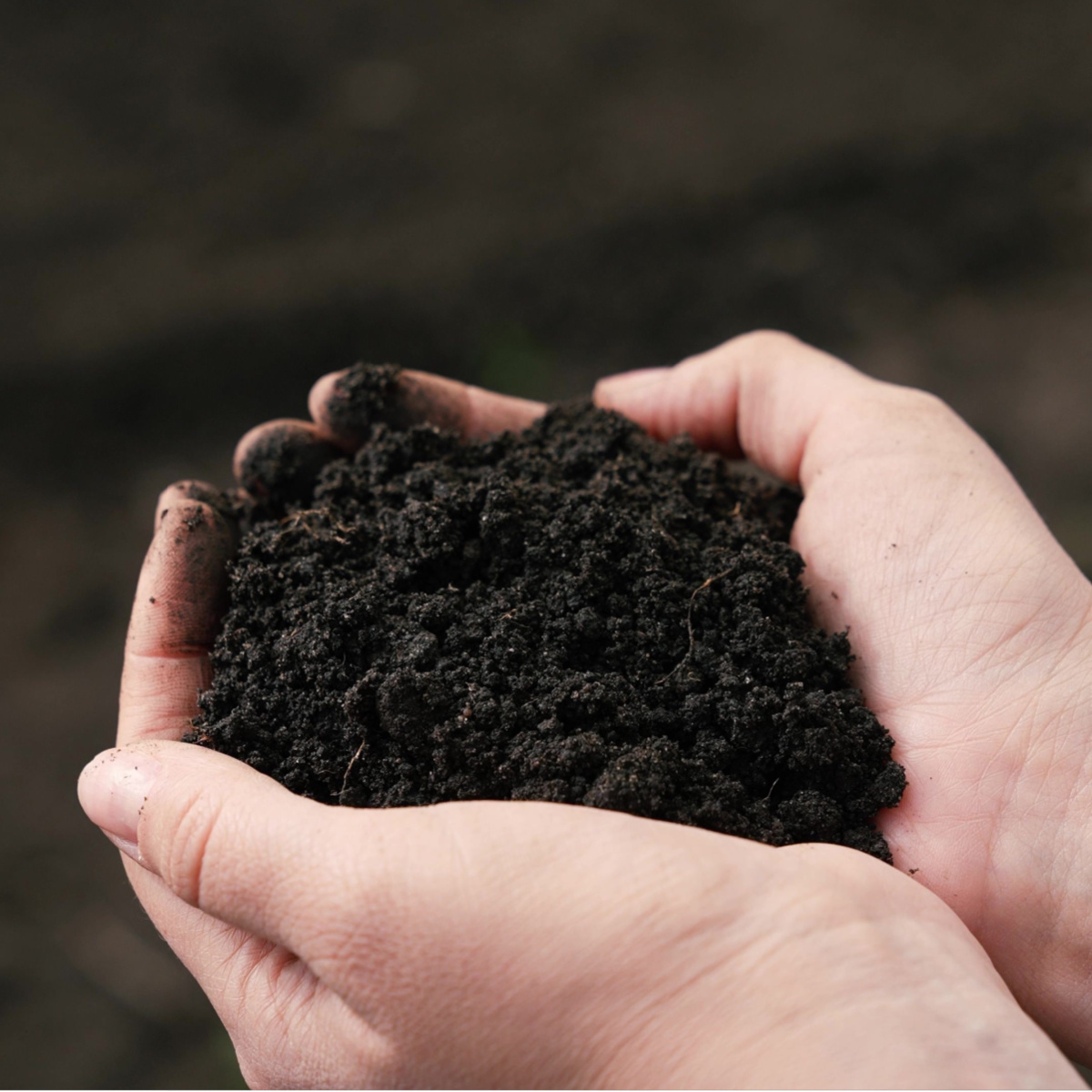
It also improves the structure of the soil. Compost helps soil retain moisture while still allowing excess water to drain properly. This balance is extremely important for container gardening where roots rely entirely on the soil inside the pot.
The finer the compost, the better it blends into the potting mix. Even a small amount of compost will dramatically improve the fertility of old soil and provide a steady source of nutrients for your plants throughout the season.
The Power Of Worm Castings
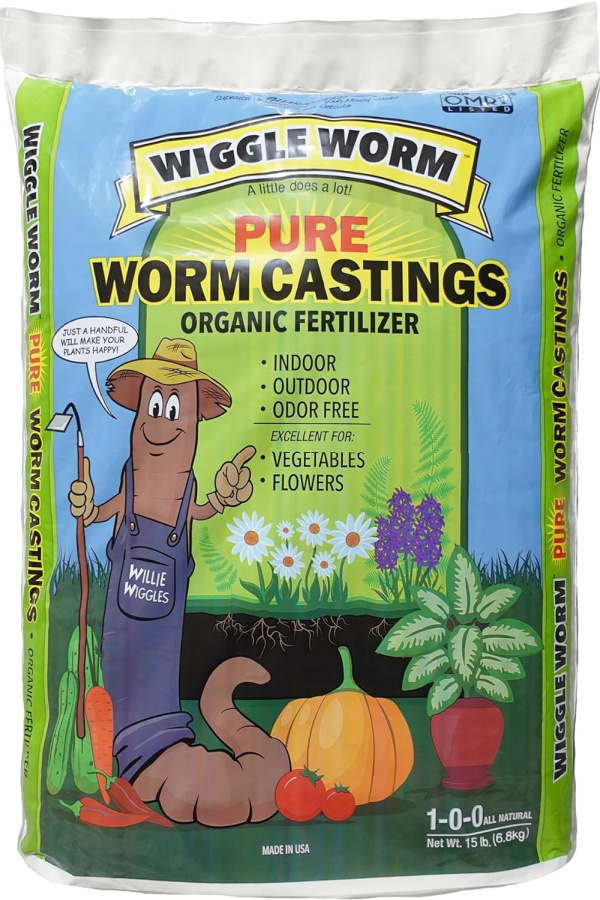
Worm castings are another excellent addition when recharging potting soil. Often referred to as nature’s perfect fertilizer, worm castings are full of beneficial nutrients and microbes that help plants grow strong and healthy.
Unlike synthetic fertilizers that can burn plants if overused, worm castings release nutrients slowly and gently. This makes them ideal for container gardening. Adding just one cup of castings per five gallons of soil provides a natural boost of nitrogen, phosphorus, and potassium, along with beneficial microorganisms that improve overall soil health.
These microorganisms also help break down the other organic materials you added to the soil, making nutrients even more available to plants.
Used coffee grounds are another simple ingredient that works incredibly well to help re-power and reuse last years potting soil. Coffee grounds add a small amount of nitrogen to the mix, which helps support leafy growth and overall plant vigor. They also improve soil structure and help the mix hold moisture without becoming compacted.
Eggshell powder adds calcium, which is an important nutrient for many vegetables, especially tomatoes and peppers. Calcium helps strengthen plant cell walls and can prevent issues like blossom end rot in container-grown vegetables.
To make eggshell powder, simply dry your eggshells and crush them into a fine powder using a blender or food processor. A couple tablespoons mixed into the soil is all it takes.
Don’t Forget A Little Perlite
Over time, potting soil can become slightly compacted, especially after a full season of watering and root growth. Adding a small handful of perlite helps restore the light, airy texture that container plants need. Perlite improves drainage and keeps soil from becoming too dense.
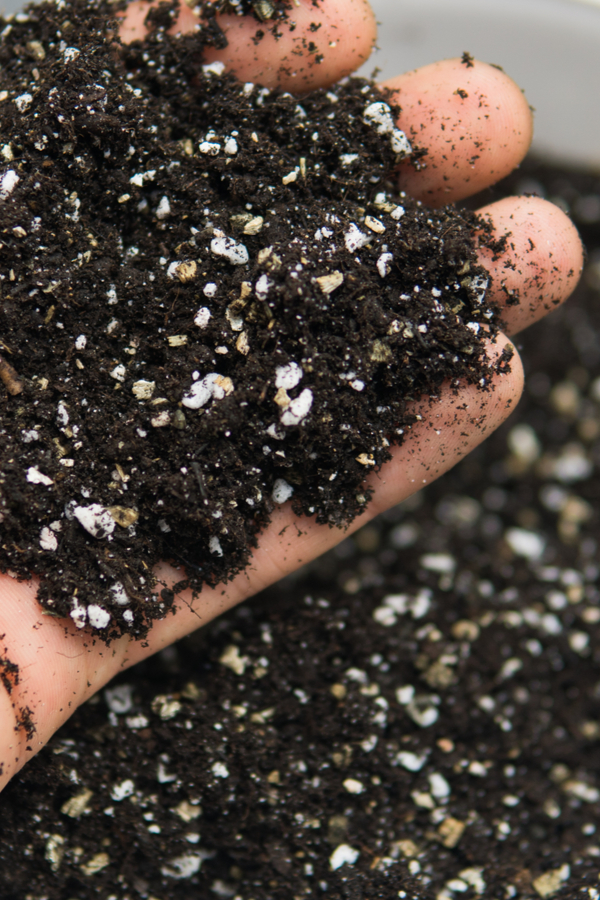
This is particularly important when growing vegetables in containers, where healthy root development depends on good airflow within the soil. A little perlite goes a long way when refreshing old potting mix.
One thing is for sure – once you start to recharge and reuse last years potting soil you will never go back to throwing it away again. Give it a try this season, and you might be surprised just how well your “old” soil performs! Happy Gardening – Jim & Mary.
Old World Garden Farms
Jim and Mary Competti have been writing gardening, DIY and recipe articles and books for over 15 years from their 46 acre Ohio farm. The two are frequent speakers on all things gardening and love to travel in their spare time.
As always, feel free to email us at thefarm@owgarden.com with comments, questions, or to simply say hello! You can sign up for our free email list in the subscribe now box in the middle of this article. Follow us on Facebook here : OWG Facebook. This article may contain affiliate links.
