


In my beginner winter gardening phase, I thought everything was done when the first frost arrived. While that can be the case, there’s still plenty to do.
Sure, shut it down if you want to. But if you’re going to continue growingyou should know winter gardens are a little different than those in spring and summer.
As a new gardener, it took me a bit of experimentation to understand the limits my plants faced. Once I got the hang of that, the rest fell into place. By choosing the right plants and planting them at the right time, I had a solid foundation to grow from.
Right now, it’s winter in most of the northern parts of North America, and it might be warm and summery in the south. Regardless of where you are, you can still garden in cold seasons. How you do it is up to you—you’re gardening nonetheless.
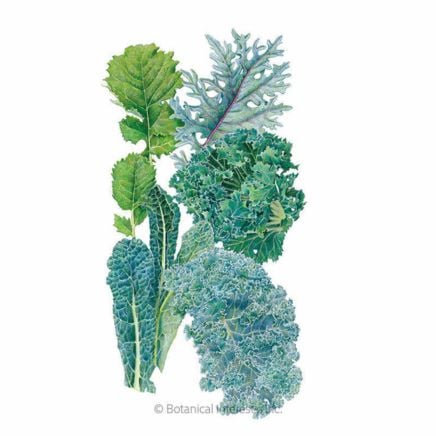
Premier Blend Kale
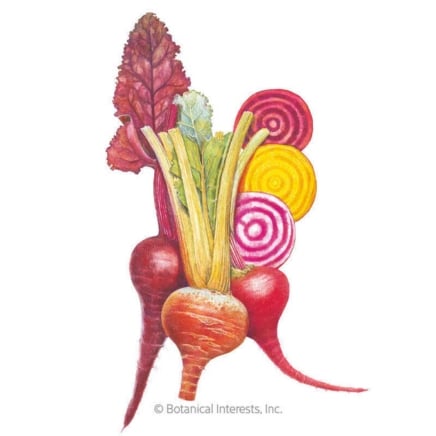
Gourmet Blend Beet
Carnival Blend Carrot
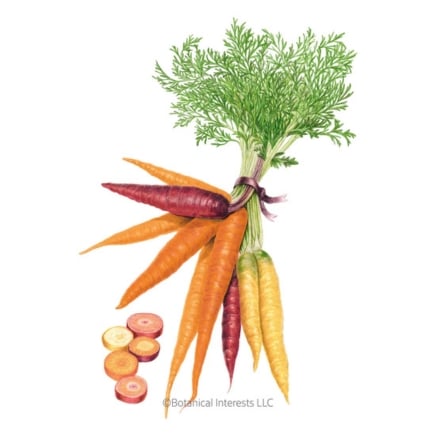
Carnival Blend Carrot Seeds
Know Your Limits
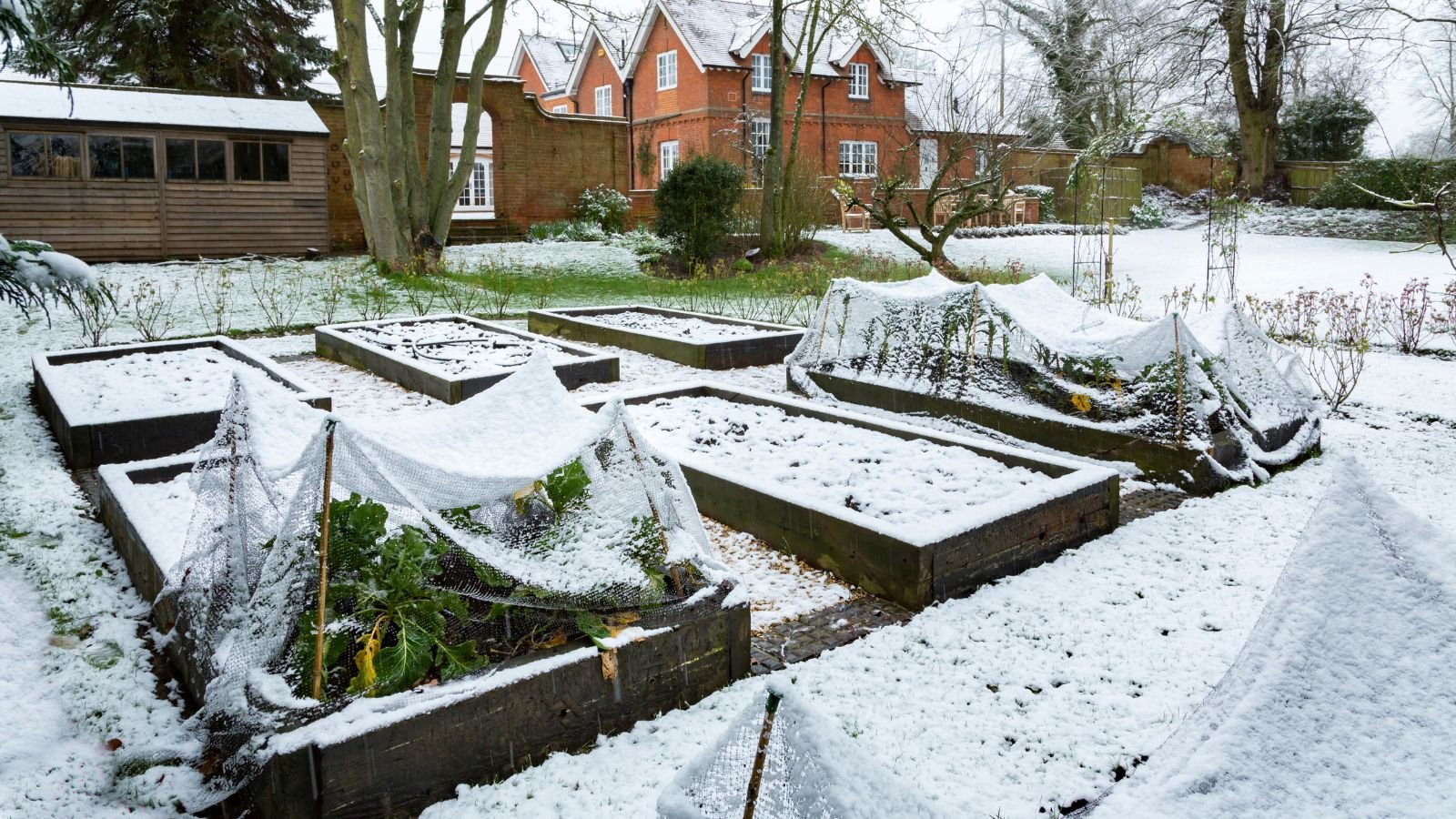
Good gardeners know the parameters of their gardens. When you’re beginner winter gardening, start by making a list of those parameters. Check your local first frost date and your growing zone. Examine your local conditions to determine the kinds of plants best suited to your space.
Once you’ve learned when your growing seasons start and end, take a look at your garden. In winter, the angle of the sunlight shifts and changes. There will be less light due to shorter day length (at least that’s the case if you’re growing in the northern hemisphere).
Make a note of any obstructions and consider where your access to water and soil is. See what kind of space you have, and what kinds of garden beds you currently have. All of these are indications of what is possible for you going forward. Limitations are useful guidelines in this regard.
Choose Cold-Loving Plants
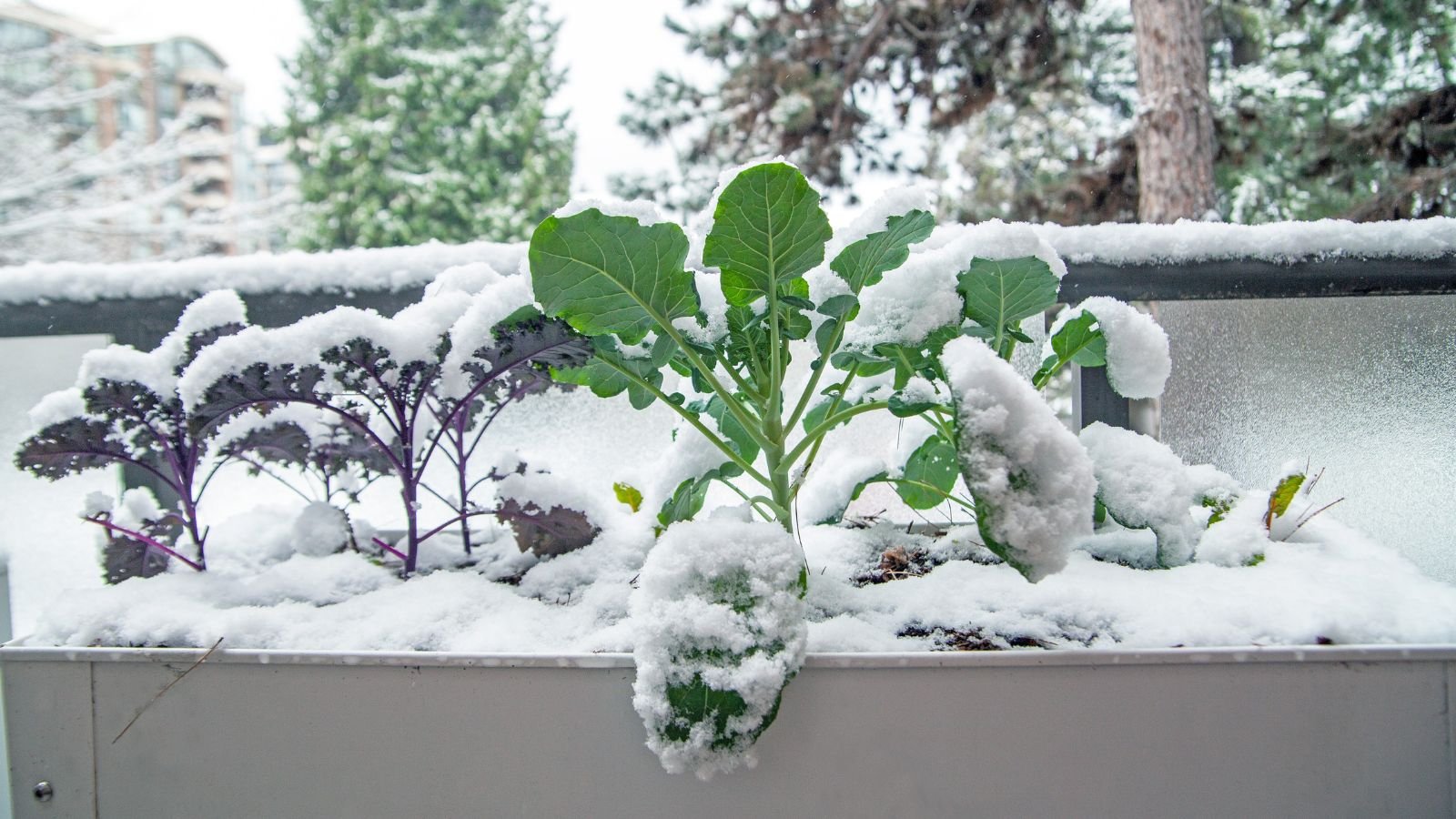
No matter your setup, select plants that can handle a bit of cold. One of my worst beginner winter gardening mistakes was trying to grow something that preferred some warmth as fall drew on. It was a disaster. Not only did the plants languish as soon as the cold came in, but they also suffered from shorter days and less light.
Using your parameters, find plants that can handle the cold. If you want to grow food, plant cabbage, hardy greensand root veggies. If you like flowers, look for those that bloom in winter. Violas and pansies are cold-hardy, along with multiple bulbs. There are even fruit trees that thrive in the cold.
If your plants are already growing when winter arrives, you’ll notice that some die back, and some simply turn, releasing their fall and winter color. Those that lose their leaves and petals, or brown as freezing weather rolls in, offer your garden what’s known as “winter interest.” The winter light shining through a coneflower seedhead, or between the blades of shimmering grasses, is where it’s at.
Protect Sensitive Plants
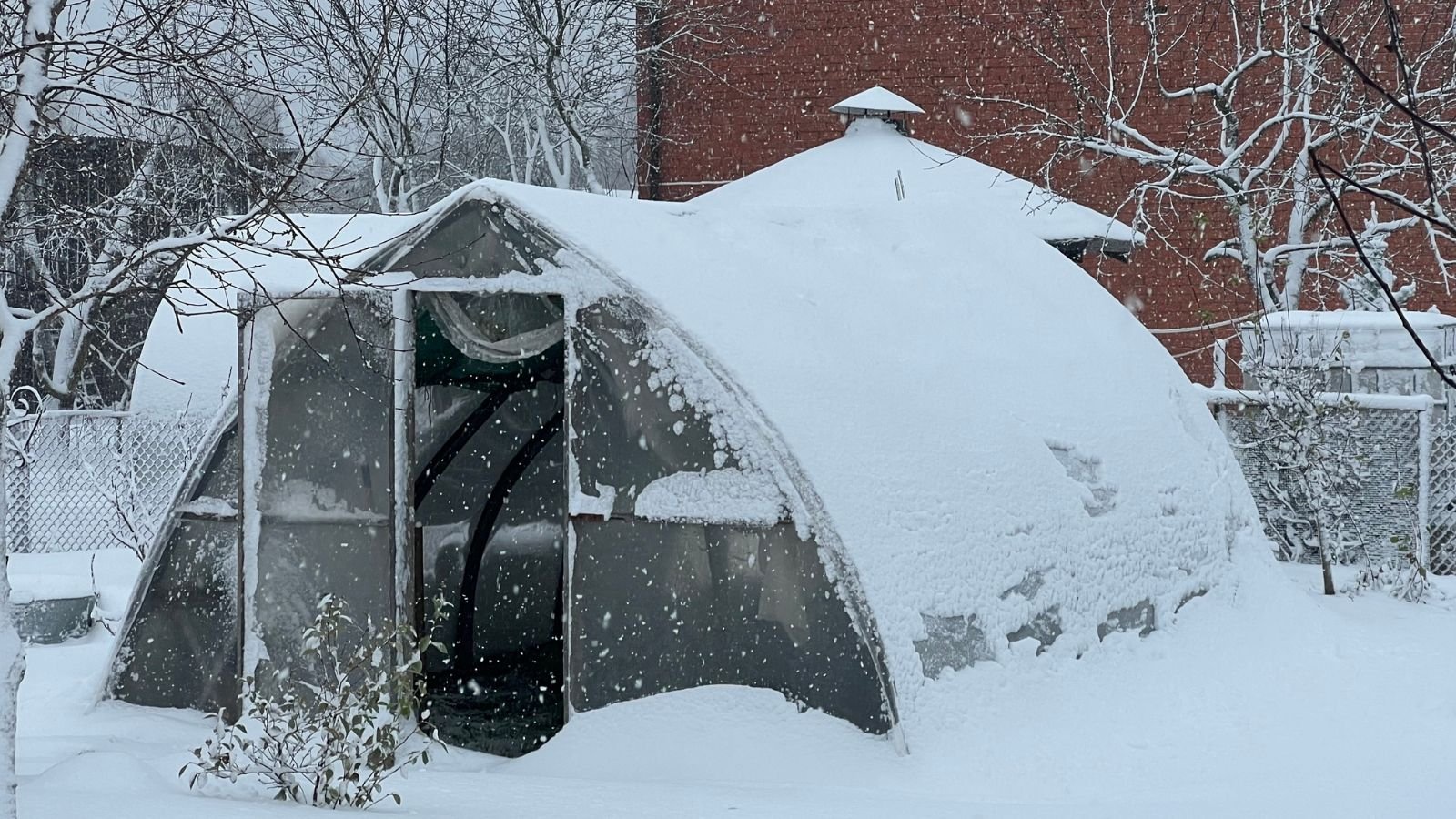
Similar to my mistake of planting an out-of-season plant, is trying to keep certain plants outdoors and hoping they will make it through the cold. This is one of those typical beginner winter gardening mistakes. Plants that prefer warm or temperate weather need shelter from cold.
If you’re growing smaller tropical perennials in the ground, get them in a pot before it’s consistently below 50°F (10°C) at night. Place all cold-sensitive plants in a sheltered area away from cold. A space in a heated garage, inside your house, or in a greenhouse is perfect.
Mulch the soil surface of plants that are root-hardy through winter. Give them a layer of two to three inches, and opt for organic mulches that break down over time and feed the soil. For cool but not cold-weather lovers, try growing them in a bed with an attached cold frame. We’ll touch on these more in the next section, but they’re amazing tools to have.
Consider Season Extension
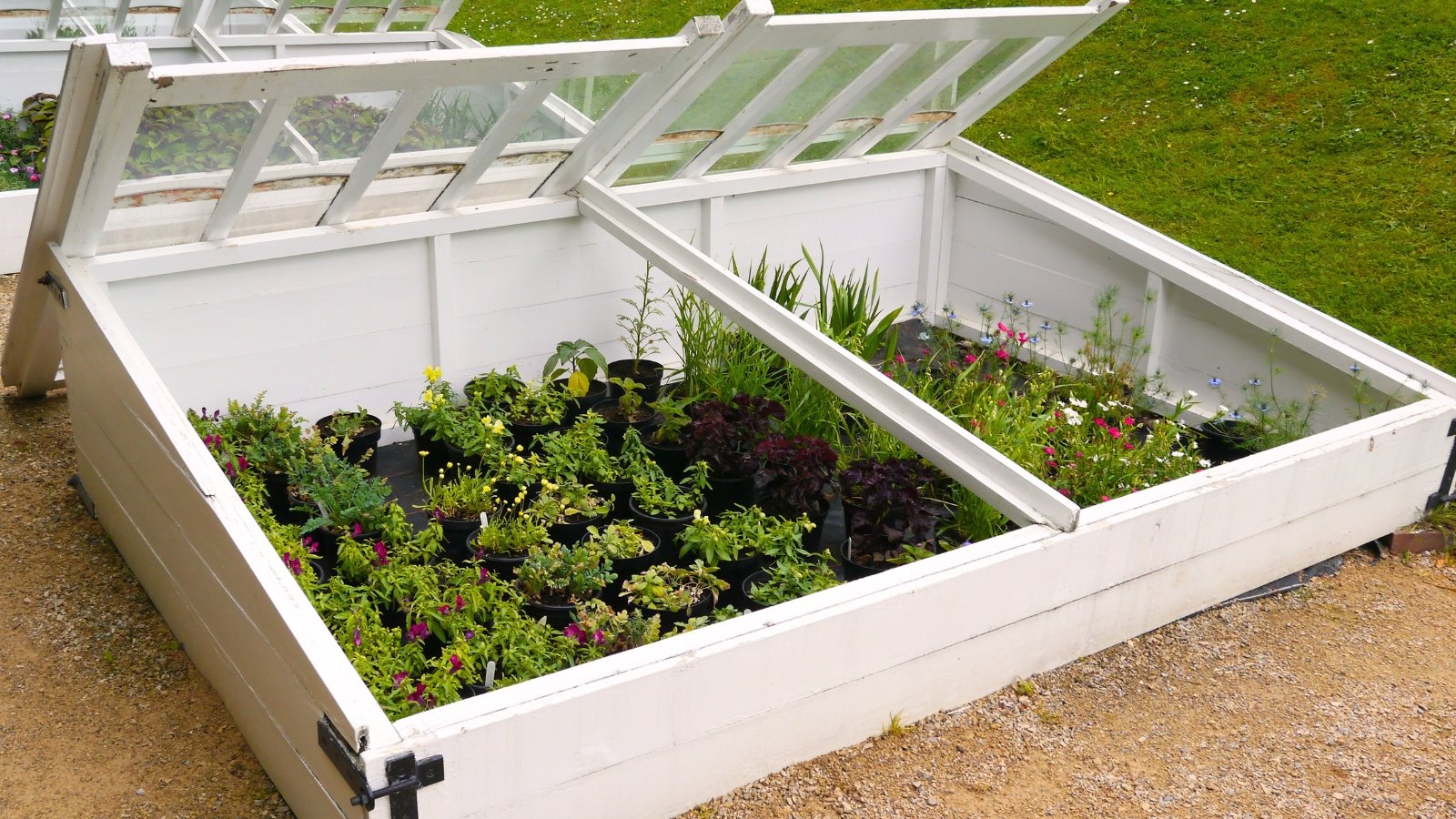
If you want to keep gardening in winter, try a hoop house, greenhouse, or cold frame. Cold frames offer up to 10°F of protection, which can make a huge difference. They keep a plant that can handle a little freeze alive for just a little longer. Hoop houses lined with greenhouse plastic can raise the internal temperature 50°F in direct sunlight.
Greenhouses and indoor growing setupswhen climate-controlled, are excellent. With the right lighting and temperature, you can keep plants going through subfreezing temperatures, while they’re tucked in a protected area. But you can also provide some frost cloth to extend the season a little longer.
Season extenders are as intensive or simple as you need them to be. When you’re beginner winter gardening, review your parameters and see what kind of space you have before installing your preferred type. If you want to get a head start on spring, try winter sowing!
Let It Sleep

The best thing you can do for your garden, and for the local ecosystem, is let it sleep in winter. Let perennials brown and become a habitat for overwintering insects. Let seed heads remain on plants so birds and mammals can forage on them when there are few food sources.
That “winter interest” we mentioned is beautiful, and it has a purpose. In the wild, plants naturally grow, flourish, and die back to become something else until spring revives them again. Some annuals seed out, and the cold, moist conditions help the seeds break dormancy and emerge in spring.
You can nurture plants through cold, or beginner winter gardening can simply be a time to enjoy the perennials that remain standing. As the season passes, clean up any diseased plants and toss them. Rake leaves into your beds to mulch them (or leave them to promote more beneficial insects next year). Prune fruit trees just as spring is about to arrive.
