


Common fig, fig tree
The next plant I plan to buy for myself (and not for a garden client) will definitely be a fig tree. I usually harvest figs from my clients’ trees, and any fruit that goes uneaten I turn into yummy fig jam, but transporting delicate, thin-skinned figs home is a tenuous and messy activity. The solution is simple: it’s time to grow my own.
Native to the Middle East and parts of Asia, figs are one of the oldest known fruits (they were one of the first trees to be cultivated in Egypt) and came to North America by Spanish missionaries in the early sixteenth century. The fruit, to some, represents the womb, and more generally, fertility. (Interestingly, fig flowers hide inside the fruit.) And the expression, “fig leaf,” is used figuratively to describe an object used to cover up something embarrassing—obviously a Biblical reference to Adam and Eve using fig leaves to cover their nakedness.
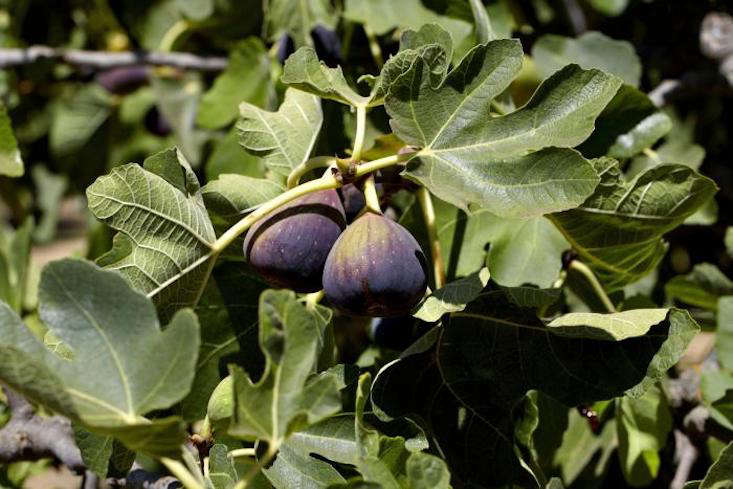
More than 700 named cultivars of the common fig exist, and they flourish in areas with a Mediterranean climate, meaning mild winters and hot, dry summers. If you live in USDA Zones 8 to 10, you can grow an attractive fig tree in your garden without needing protection from freezing winter temperatures. If you live outside of those zones, pick hardier cultivars or grow your fig in a large container, top dress with compost, and bring into an unheated garage for the winter.

Relatively fast, fig trees can soar from about 10 to 30 feet tall if planted in the ground. Grown in containers, the tree’s height and width will be much smaller. With many varieties available, and with such a broad range of fruit color, shape, and taste, choosing the best option can be intimidating. I always recommend starting with a variety well-suited to your climate, then go for taste and color second. Also, a reassuring fact is that common fig trees grown in home gardens don’t require another fig for pollination, and because they don’t need an opening for pollinating wasps to enter, they are less vulnerable to rot caused by rainwater or other insects. The best option is to visit your local nursery and see what varieties they carry or what they recommend.

In the right conditions, and on some varieties like San Pedro, your fig tree could produce two times a year. The first crop, called a “breba” crop (from the Spanish word The lettermeaning ‘early fig’), is the fig produced on last year’s wood and ripens in late May or early June, and a second will be ready to harvest in late September to early November.
While it’s the fruit that is commonly eaten, and well-known to be rich in calcium, B-vitamins, and important minerals, the young mildly fragrant fig leaves are also edible, and they add a nice vanilla flavor to food. The first record of fig leaves being used to wrap food is in third century BC.
Common Varieties for Home Gardens

- Brown Turkey: Large, sweet figs with few seeds emerge over a long season.
- Purple Genoa (also called Black Spanish or Black Genoa): Large, deep purple figs with sweet red flesh. Great for turning into jam.
- Alma: A late season fig, this tree produces rich tasting figs.
- Celeste: This moderately sized tree to 15 feet tree produces smaller fruit and earlier than most. This tree is popular in the southeastern United States because it can tolerate heat and cold better.
- Mission: Sweet purplish black fruit ripens in summer. This fig was used in historic California Missions and can live a long time.
