


Living in a cold, snowy Zone 5 (more recently zone 6) climate, figs never crossed my mind as something I could grow at home. That is, until a couple of years ago, when I noticed a fig tree growing alongside the road not far from my house. Unprotected. Unassisted. Thriving.
I was genuinely shocked. Since when do figs grow wild in New England?
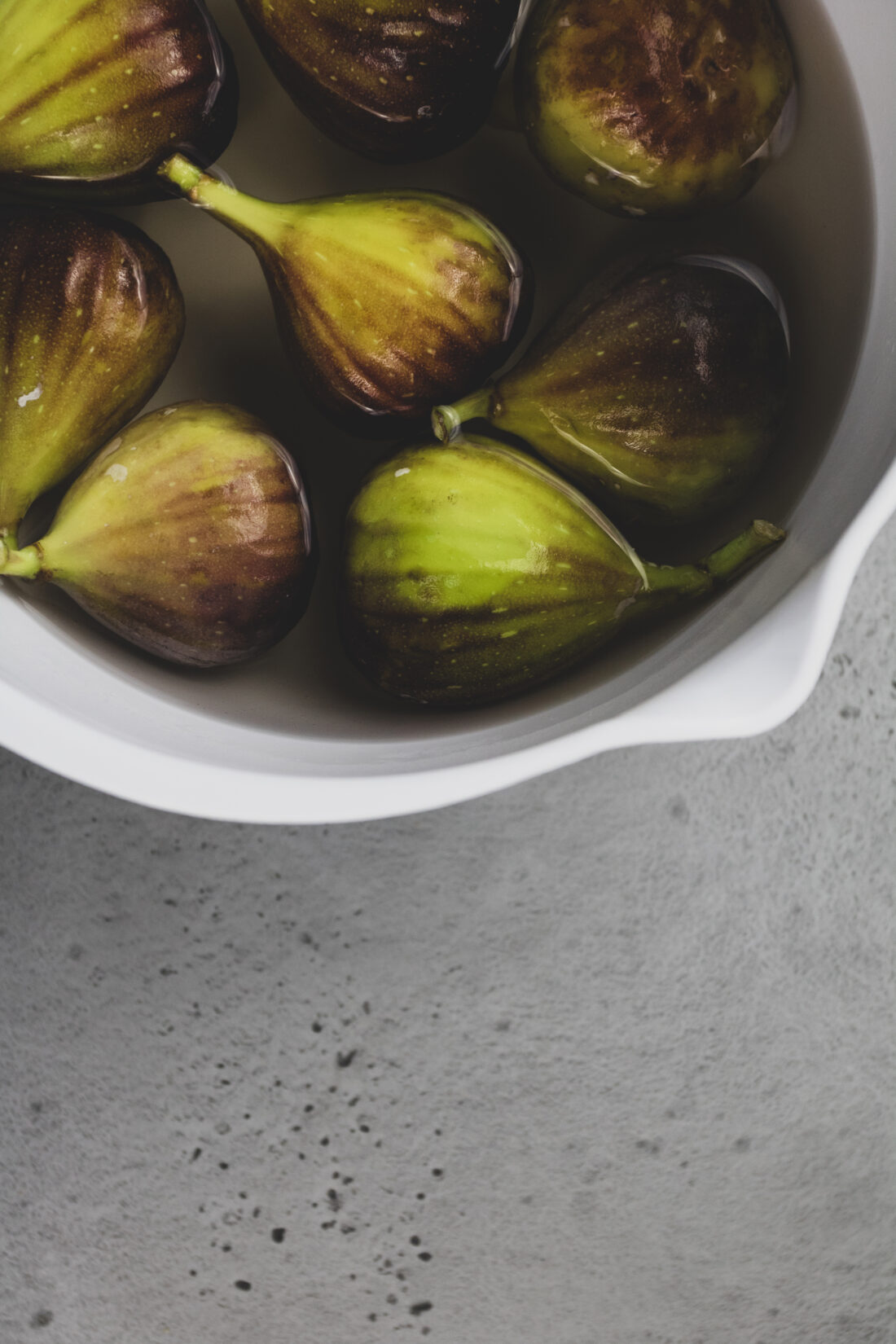
Later, I was introduced to the owner of the house nearest the tree and mentioned it in passing. She immediately assured me that it was not a fig tree. She knew exactly which tree I meant, and I was—without question—wrong. No figs, she proclaimed, with a touch of unnecessary confidence.
Not wanting to meet certainty with certainty, I let it go.
Still, I figure one of two things was true. Either she didn’t realize she was talking to someone who knows a fig when she sees one and simply needed to win our first exchange—or she was deliberately protecting a secret stash of roadside figs. I’m choosing to believe the latter. It’s easier on my worldview.
Years earlier, just before we moved to Massachusetts, my husband, daughter, and I left London and took two months to make our way back to the States. Our daughter wasn’t quite two, and we walked everywhere with her.
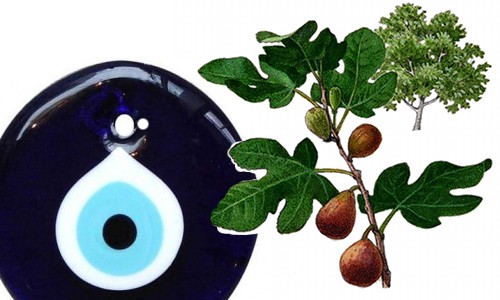
During a week in Turkey, something strange kept happening. People—complete strangers—would walk up to her and pin little glass and beaded charms onto her clothes. No asking. No explaining. Just a quiet, purposeful pinning.
Understandably, this was unsettling.
It wasn’t until a guide in Cappadocia gently explained what was happening that we relaxed. Our daughter has clear blue eyes—rare in the region—and in local folklore, blue eyes are believed to carry unusual power. Because she was a child, people saw her as both potent and vulnerable. The charms—evil eyes—were meant to protect her.
We left Turkey with pistachios, almonds, walnuts, and some of the most remarkable dried figs I’ve ever eaten. In many shops, figs stuffed with nuts were labeled “Turkish Viagra.” I assume the connection lies somewhere between vitamin E, libido, and several thousand years of mythmaking. Plants have always carried stories alongside their nutrients.
Which brings me back to the fig tree by the road.
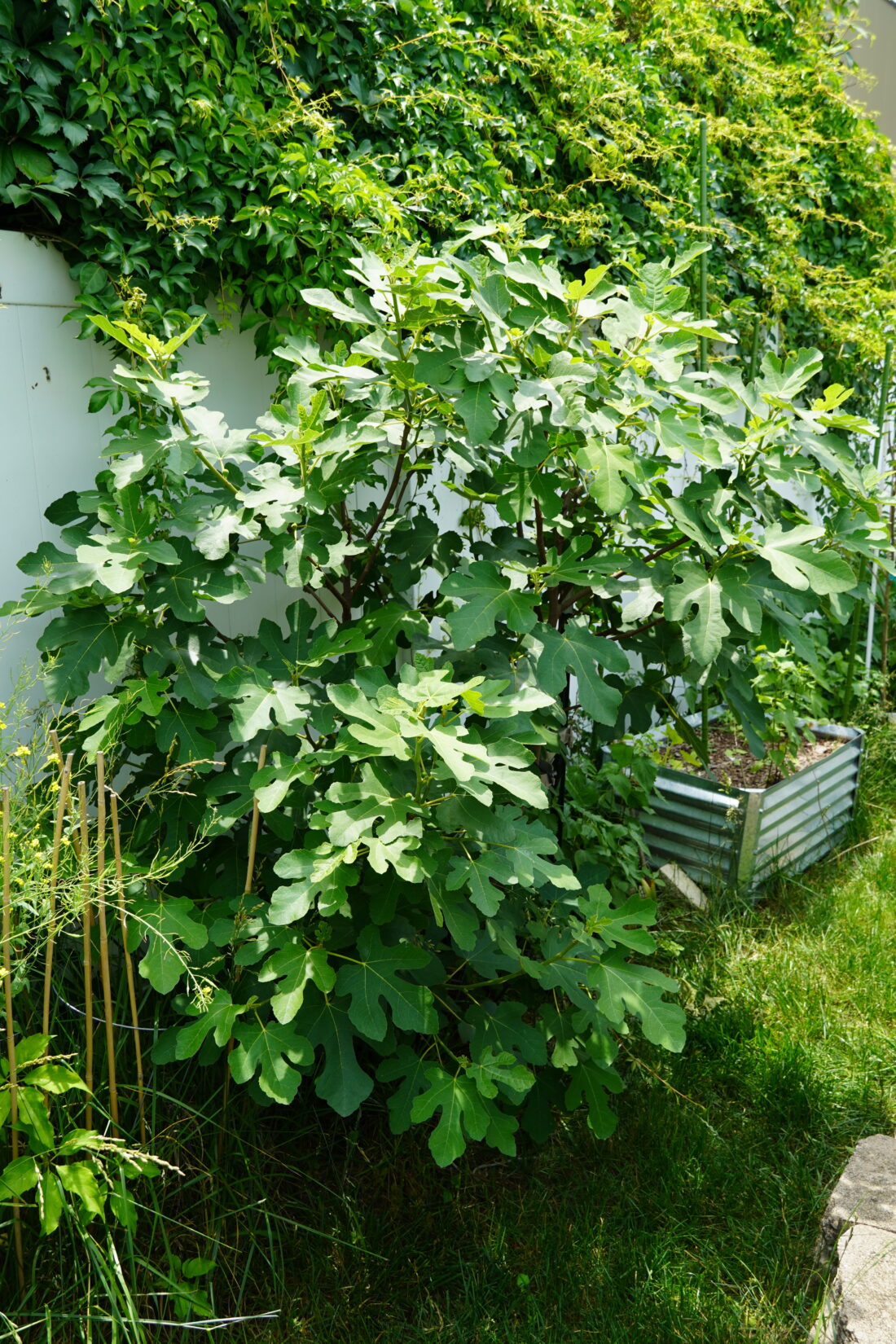
Because I know figs can grow here—because I’ve seen one quietly doing exactly that—I’m planting a Brown Turkey fig this spring. I want to prune it into something biblical and slightly unruly. When it’s large enough, I plan to decorate it with evil eyes and name it for my daughter.
The only thing left to decide is where to plant it. I want it to reveal itself unexpectedly, just as figs have a way of doing—appearing where you least expect them, carrying stories you didn’t know you were planting.
I suppose that means I need to create a few more corners in the garden first.
-Rochelle
