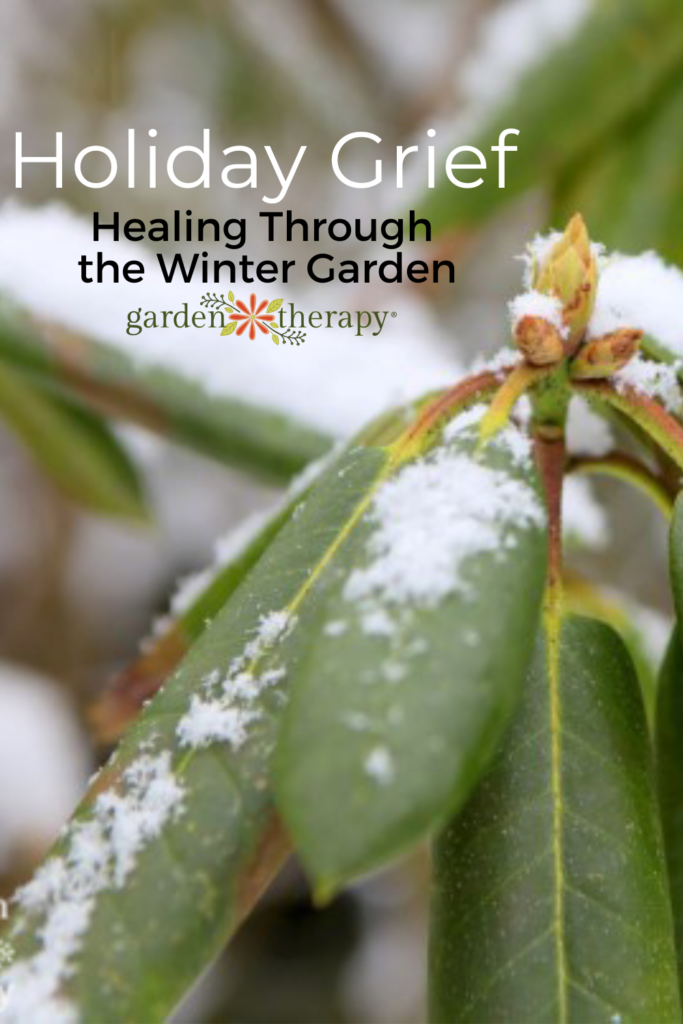


Grief has a way of unsettling the ground beneath. In the quiet rhythm of planting and tending, gardening can help guide us toward healing.
I have often turned to garden therapy to honour and help process my own grief. Plants can offer us comfort and help us form new rituals and meaning during a challenging time in our lives.
I find the winter to be a very peaceful and healing time of year; there is a natural quiet and stillness in the world. And as spring comes, I can find small joys in life beginning again.
Stepping outside into gardens and forests can offer us great comfort, helping us to process feelings, ground ourselves, reflect, and take a moment to slow down when the grief comes in waves.
If you’re looking to honour someone that you’ve lost or seeking some solace, the garden can be one of the most steadfast comforts.
The Varying Forms of Grief
I’ve gone through many different kinds of loss, such as the loss of my mother, as well as family changes over the years. The emotional pain and heartbreak when I suffered a miscarriage. Again, in losing pets, who I honour with memorials in my garden.
Grief can arise from the death of a loved one, the end of a romantic or platonic relationship, or even the loss of a place. It can also apply to the absence of something altogether that never even existed.
I’ve had some very difficult holidays in the past where I didn’t feel much like celebrating. But when you have a kiddo, you always have to put on a brave face.
Nature, plants, and the garden are all powerful tools that help us process grief. It’s one word we use to describe all kinds of emotionsfrom heartbreak and sadness to numbness and pain. It can come in waves or sit with us like a stone in our chest.
How Nature Helps Us Process Grief
Grief is such an important emotion. It shows that something mattered to us.
Many people consider it a bad emotion. But I don’t believe there is such a thing as good or bad emotions. Happiness isn’t good, sadness isn’t bad. We must learn to sit with all kinds of feelings, regulating ourselves in the process.
Of course, some feelings like joy and anticipation are easier to sit with than sadness, loneliness, and loss. However, it’s part of the human experience to feel it all. Running away from feelings is all too common, as we’re not taught to simply be with our emotions.
This is where the garden can be really helpful. Nature herself experiences so much loss. Forests burn down. Plants die. Insects are eaten by birds, who in turn are eaten by mammals. The cycle of life and nature is quite brutal.
As humans, we have this expectation of comfort and positivity. But truly, that’s not what life is about. Grief is a gift. An opportunity to sit with our feelings and know how meaningful something felt to us.
I’ve always believed that there’s a power to the presence of plants, which can be felt year-round. Nature has always been a useful tool in helping to ground yourself, relieve anxiety and stress, and give your mental health a boost.
If you can already sense that things will be different this year, think about how you can reshape these reminders that you may be grieving over. Find the quiet moments and reconnect with nature.
Create New Rituals
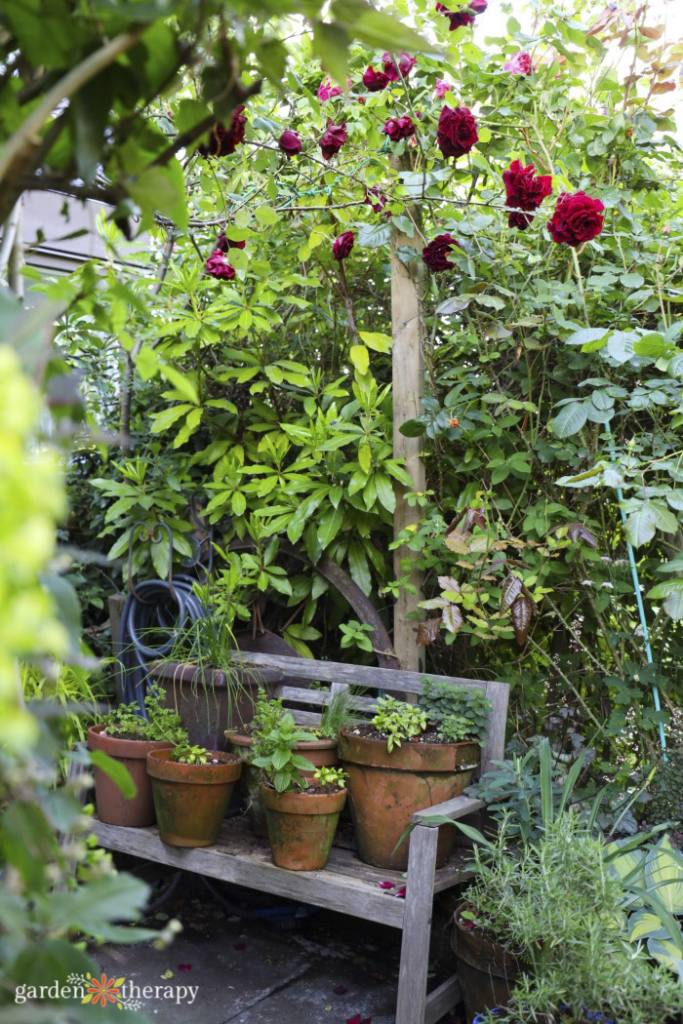
This year, create new rituals. These don’t have to replace the old ones, and they don’t have to be fancy or even involve other people. I encourage you to use plants when creating your rituals because they can be very dependable. Even if the plant doesn’t make it through the year, there will always be more you can spend your time with.
For instance, create a healing garden where you can bring your grief, reflect, and remember. You can also use it to meditate, as I talk about in this post.
If you don’t have access to your own individual garden, use an indoor plant arrangement. You can also go and walk through a garden centre or an indoor public garden. Head to the forest or woods, or any other outdoor space.
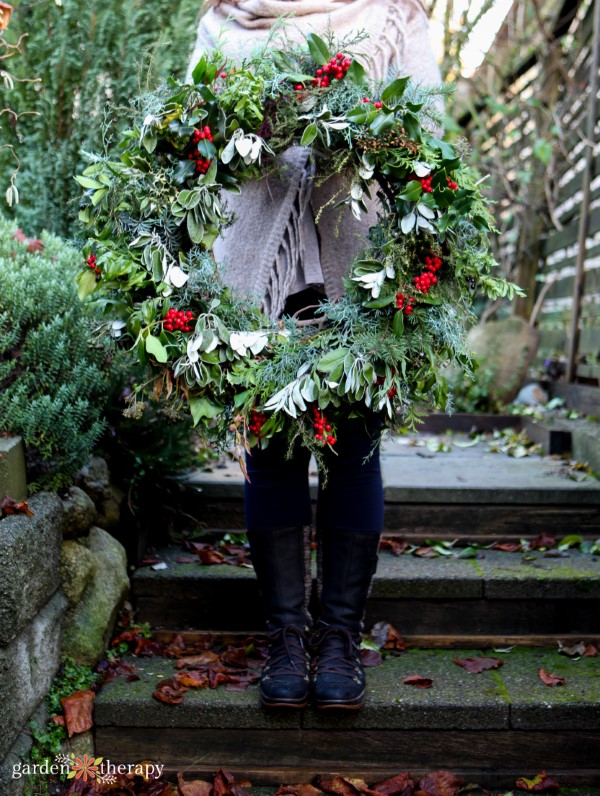
Rituals can change over time. For instance, I used to make a wreath with the neighbourhood gals every year. When I moved, it became harder to uphold that tradition.
I still make a wreath every year when the weather starts to cool. Sometimes with my old wreath-making pals, sometimes by myself. But it’s always something that I look forward to.
Another example is when we gather with our families for the holidays. More often than not, we’re told that these holidays are meant to be celebrations. But for some, they can actually be a time of immense loneliness and grief.
So if you choose not to go to that family dinner as a form of self-care and protection, you can still feel grief at letting go of traditions or past expectations.
Using Herbs to Soothe Grief
Many herbs are known for their soothing qualities. There are many that come to mind, but here are a few you can try:
- Roses are meant to mend broken hearts, and adding roses to tea can help those experiencing heartache.
- Lavender is also a favourite in aromatherapy due to its calming nature. It can also aid with stress relief and encourage sleep. Add lavender to things, such as tea, sachetsor scents throughout the house, like a lavender wreath or essential oil diffusing.
- Rosemary is known as the herb for remembrance. It can be dried, burned, or used in teas as a grounding opportunity to help you respect and remember.
- Lemon balm helps to lift spirits. Use the scent to help with emotional balance and give you support.
- Mugwort helps to promote dreams. Use it to connect to your memories.
Green Memorial Activities
A big part of grief is honouring it and using the time for reflection. Memorial activities can help you remember and honour those who are gone rather than skip over the grief.
Many people have planted memorial trees in honour of loved ones. Memorial plantings can also be small garden plantings, dedicated garden beds or spaces, or even as simple as houseplants. This will help create a space that allows you to go and visit with the intention of sitting with your grief in the physical form of a plant.
I’ve also found that journaling can help. You can even write down messages for loved ones on a little piece of paper and add it to the soil by your plant.
I’ve also seen people write messages on little hearts and hang them in trees. Using just paper and twine makes it biodegradable.

Through my own grief, I have found that ritualistic elements have helped me to support myself and slowly heal. Because the garden has always been a place for healing for me, it was natural for me to turn to it during my time of grief. I hope it can do the same for you.
More Ways to Find Peace

A city girl who learned to garden and it changed everything. Author, artist, Master Gardener. Better living through plants.