


One sunny afternoon in late-April, while working on a remote landscape design in Scotland, I took the opportunity to pop into Cluny House Garden in Perthshire. What I discovered is nothing short of remarkable.
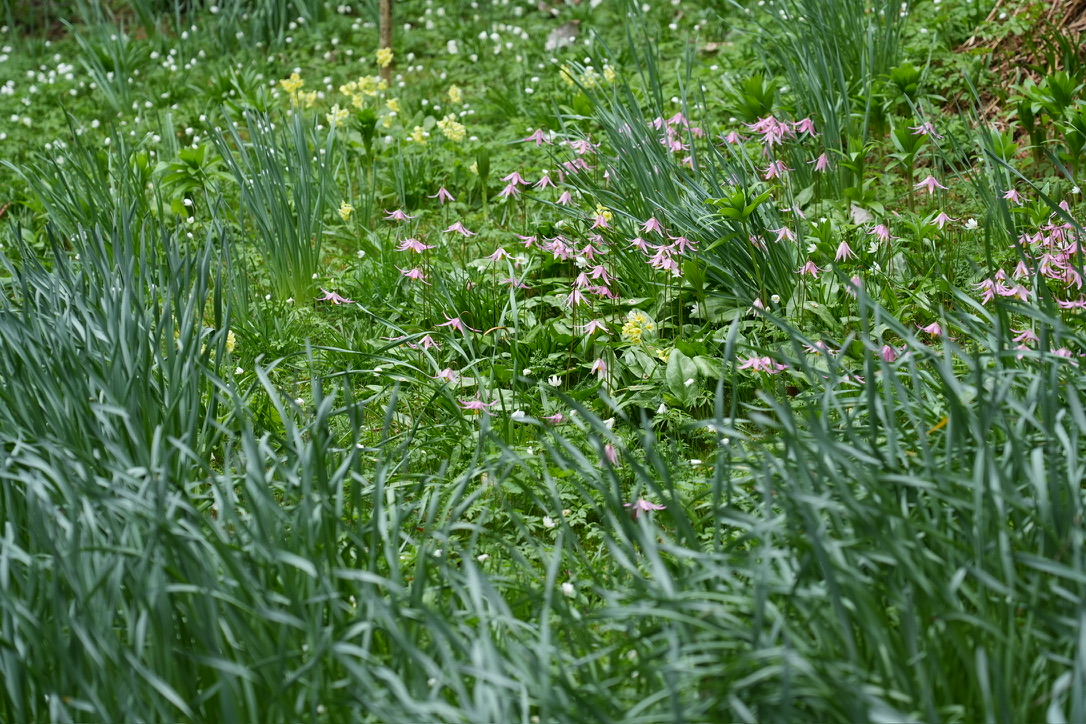
A private hillside garden open to the public, Cluny is a heavily sloped and densely shaded woodland garden where seedlings are encouraged to grow in paths and visitors to tip-toe gently around them for wildlife. While some would balk at the prospect of shade and challenging slopes, owners Wendy and John have cleverly turned to plants that will gradually spread in these conditions.
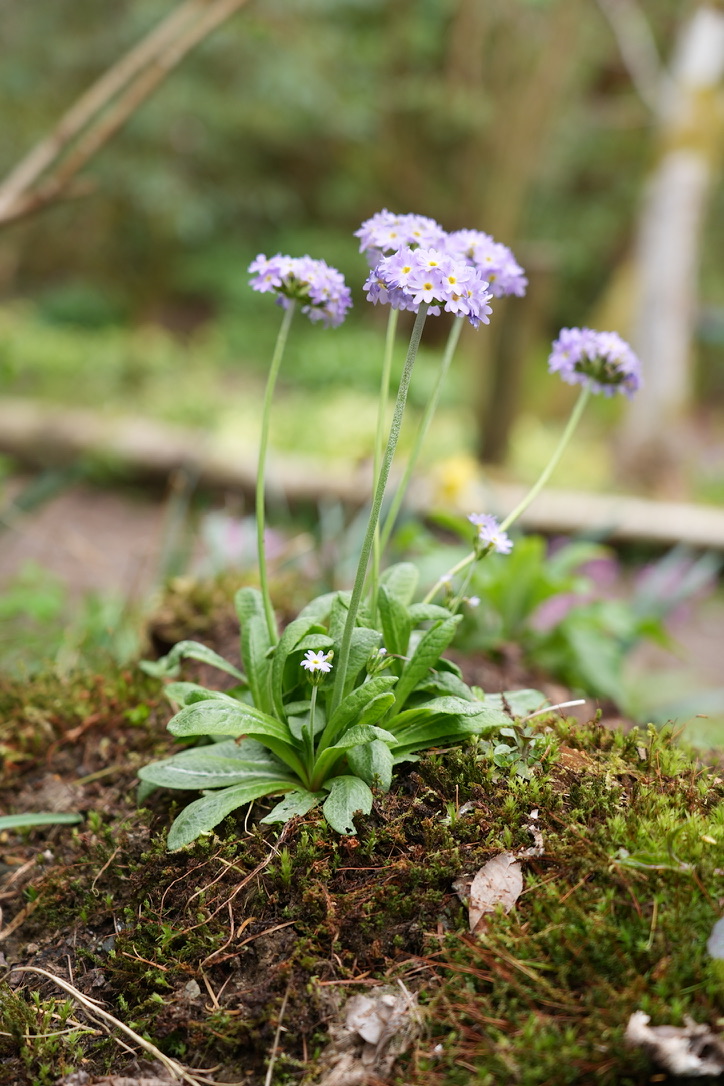
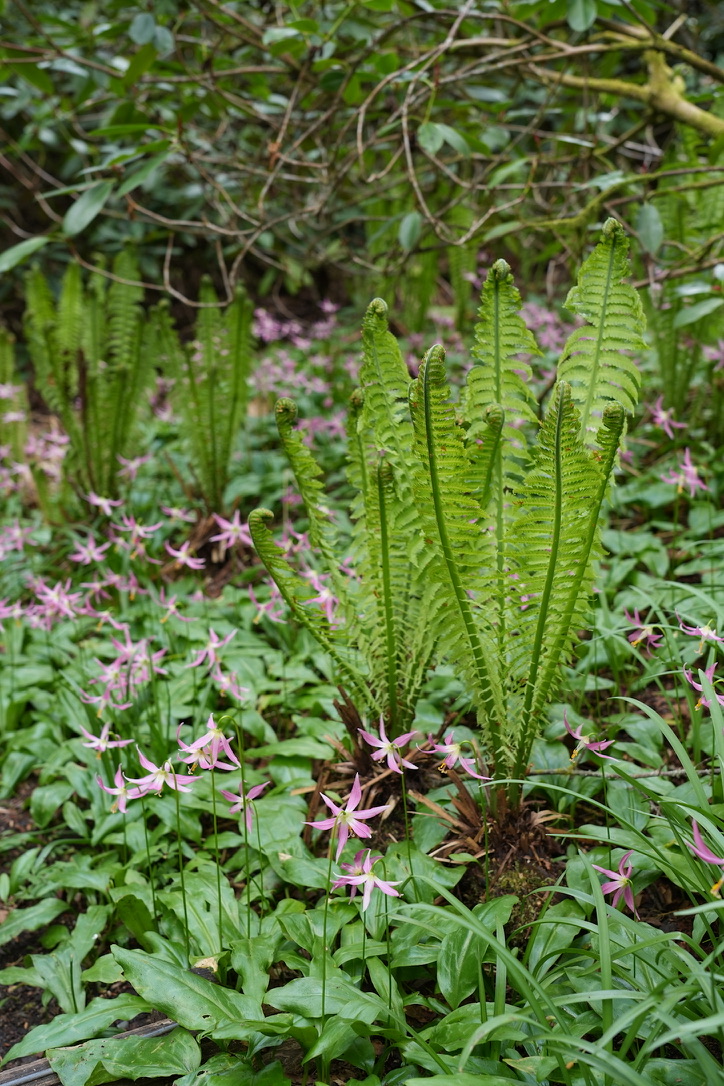
The garden is organic, it uses no pesticides at all, no weedkillers – everything is hand weeded – and peat free compost is used for propagation. Plants are encouraged to spread, though kept within the bounds of the garden, which also has an impressive list of wildflowers including a large bluebell wood.
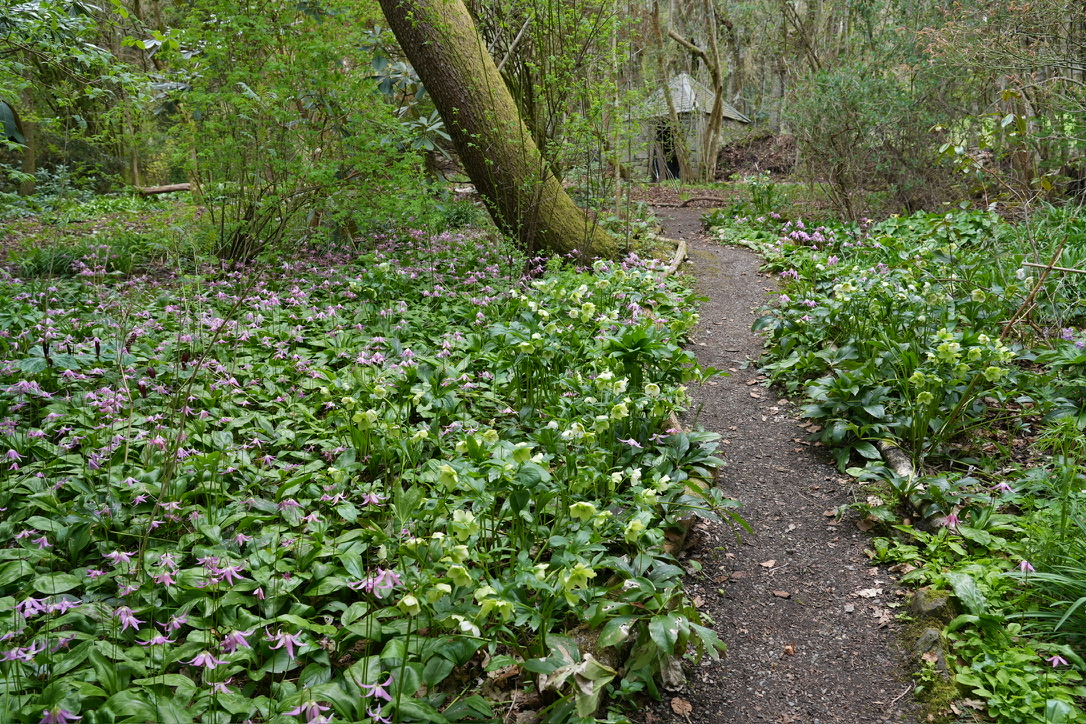
Cluny House Garden was established in the 1950s by Bobby and Betty Masterton who had an interest in Himalayan plants because their natural habitat matches that of this hillside plot just beneath the Cairngorm National Park in Scotland. It is now looked after by Bobby and Betty’s daughter Wendy and her husband, John Mattingley.
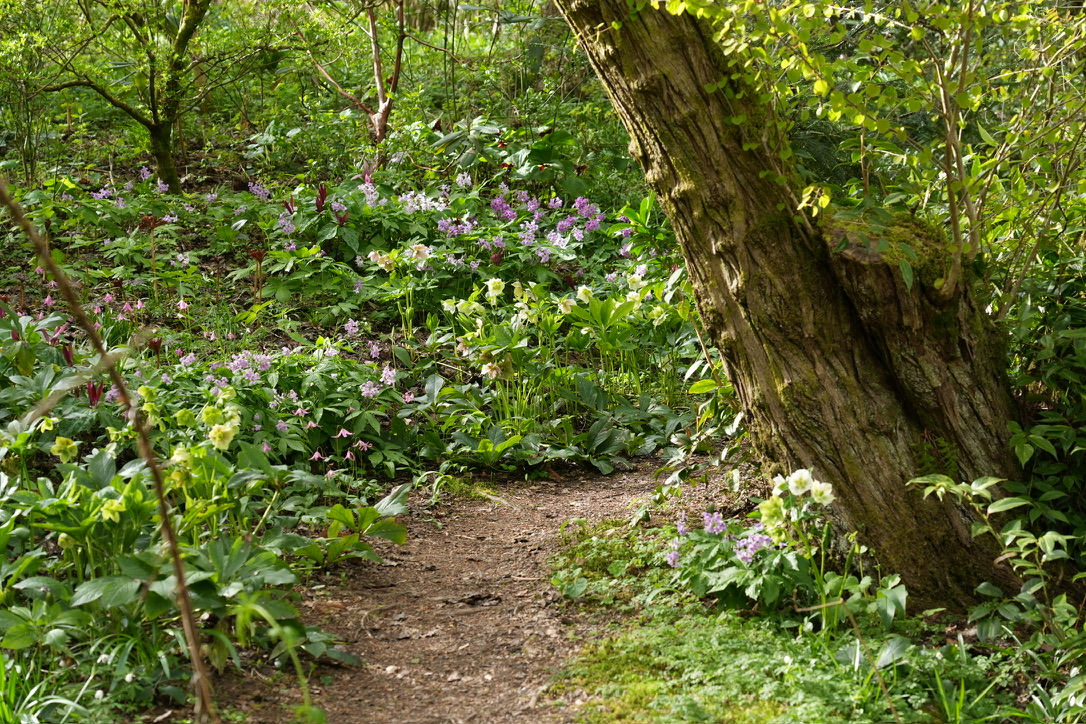
Wendy’s parents planted up what was originally an empty plot with lots of trees and shrubs, often grown from seed, including beautiful Acer and Prunus found throughout the garden. There are also two enormous Sequoiadendron giganteumwith the largest girth I have seen outside of California.
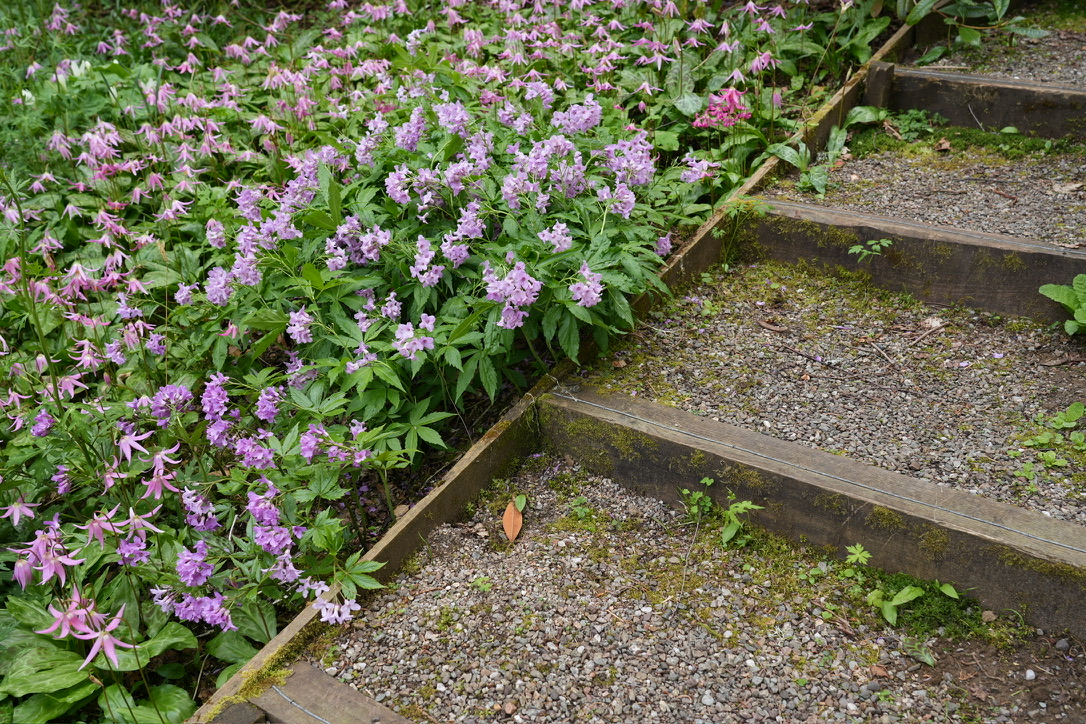
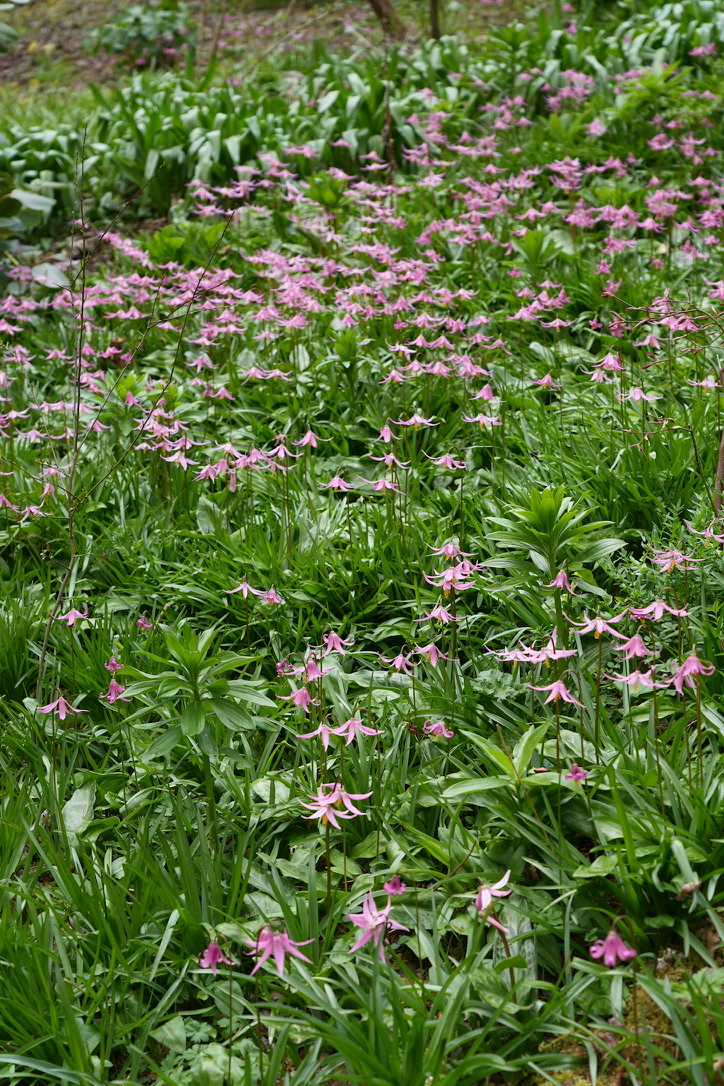
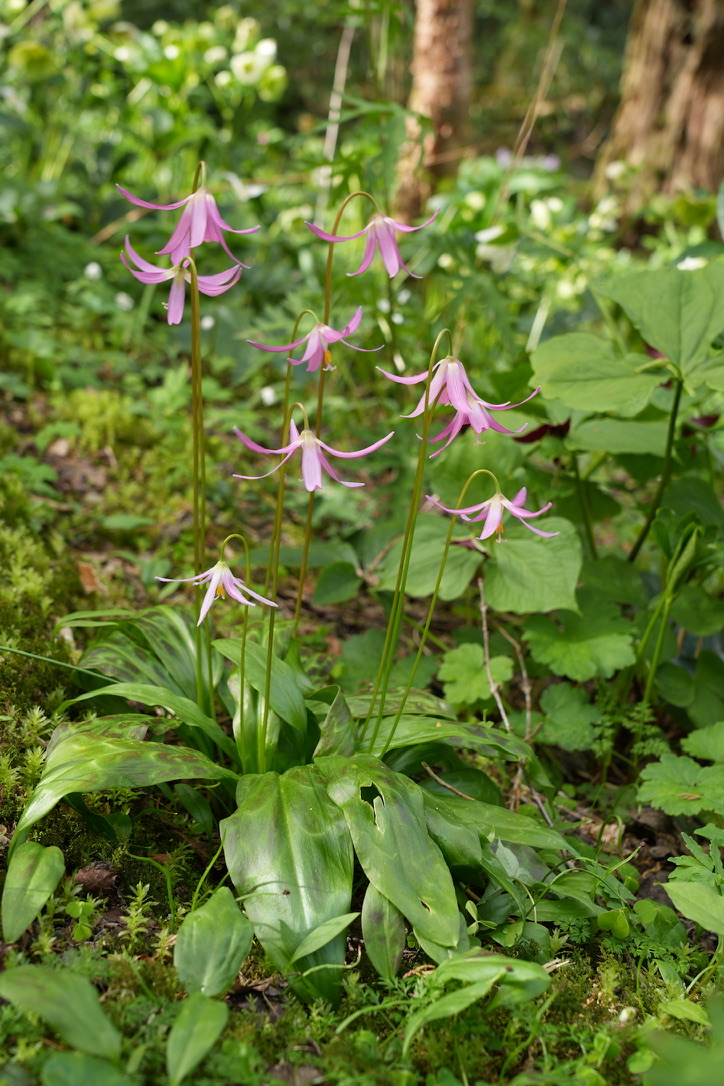
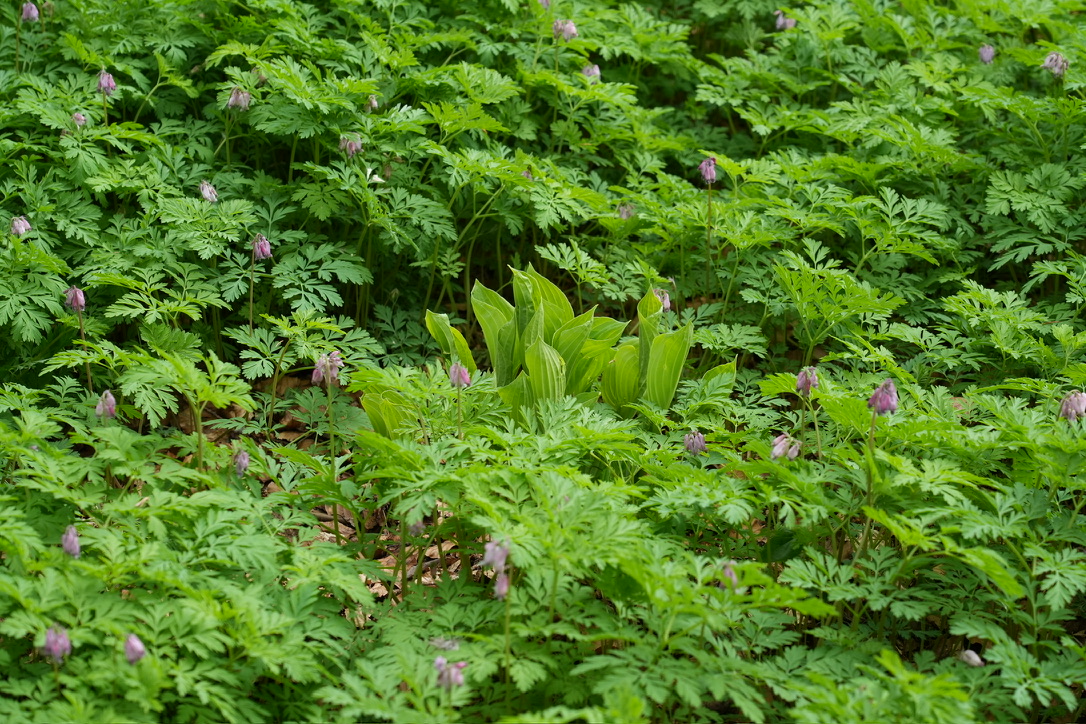
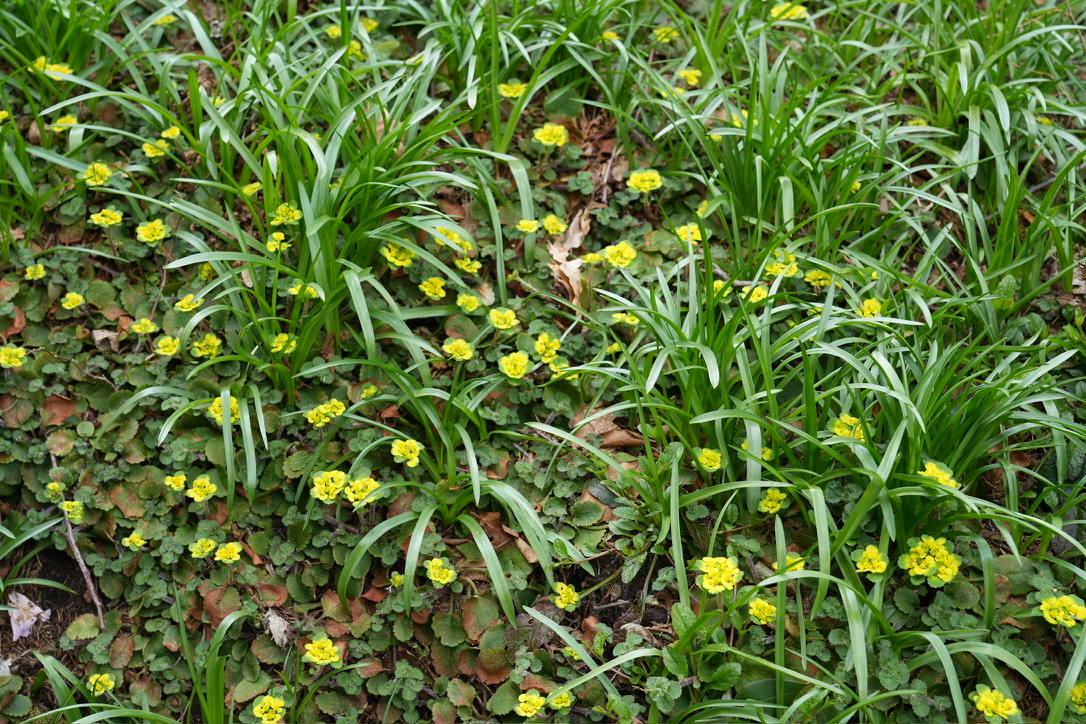
I love the way spreading plants fill huge areas of shade, mingling with wildflowers. Because they are low, they create a wonderful feeling of openness allowing visitors to appreciate the vast carpets of colour. The vastness of the low blanketing flowers at this time of year may not be entirely clear from my photos, they cover almost all areas of the garden.
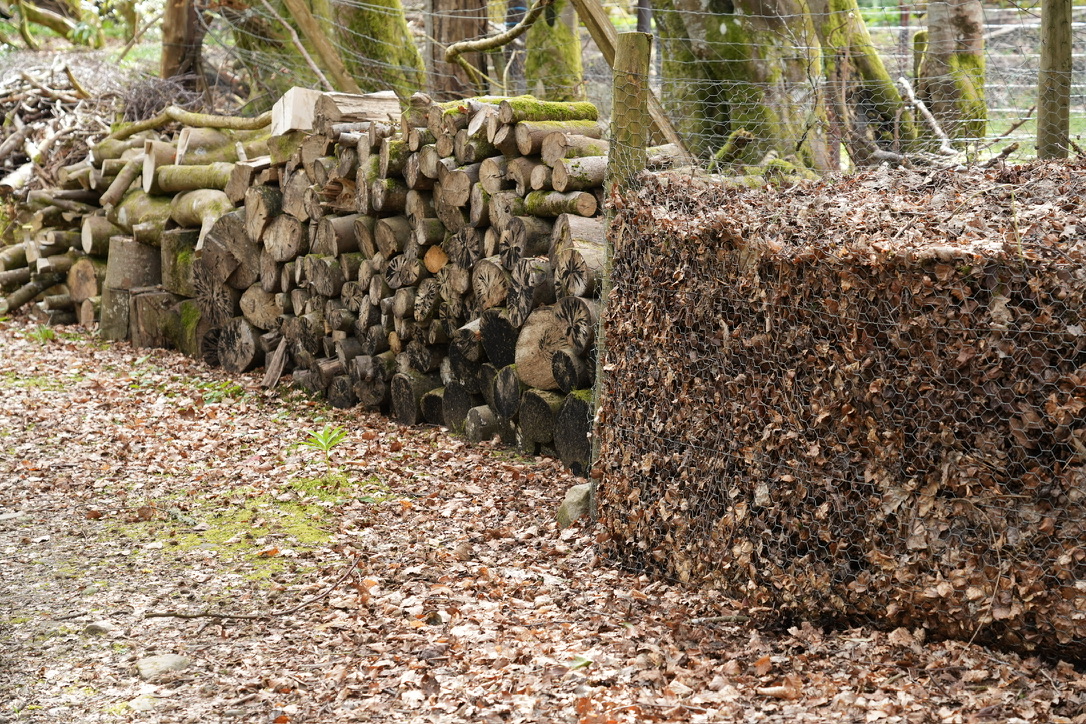
Cluny House Gardens make extensive use of dead wood, fallen leaves and plant material for making various habitats and usable homemade compost. When I arrived at the end of the day, John was potting up seedlings by the house while Wendy traversed the steep slopes removing weeds to take to the compost piles.
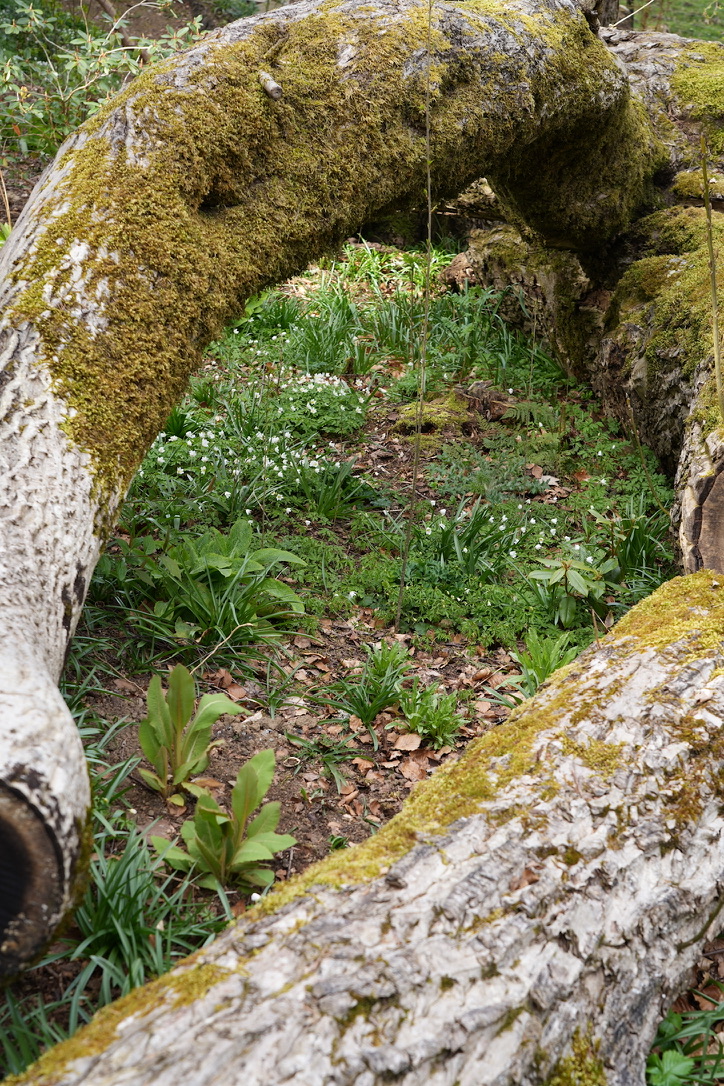
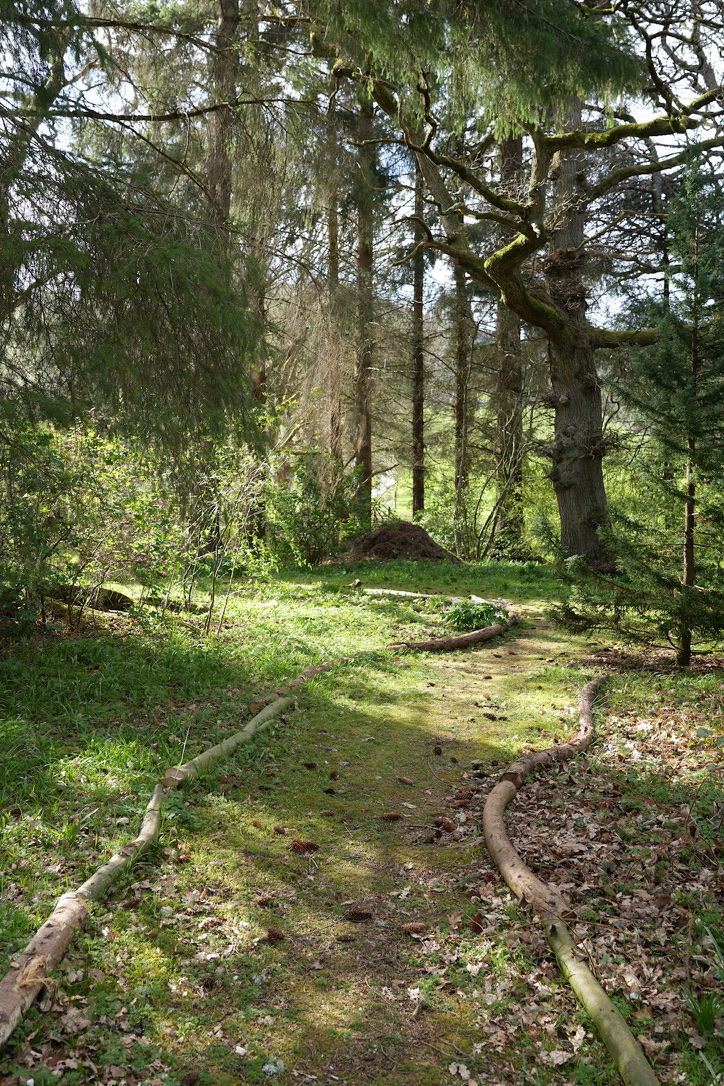
Fallen trees are left to rot down naturally, creating natural habitats for fungi, bacteria and insects.
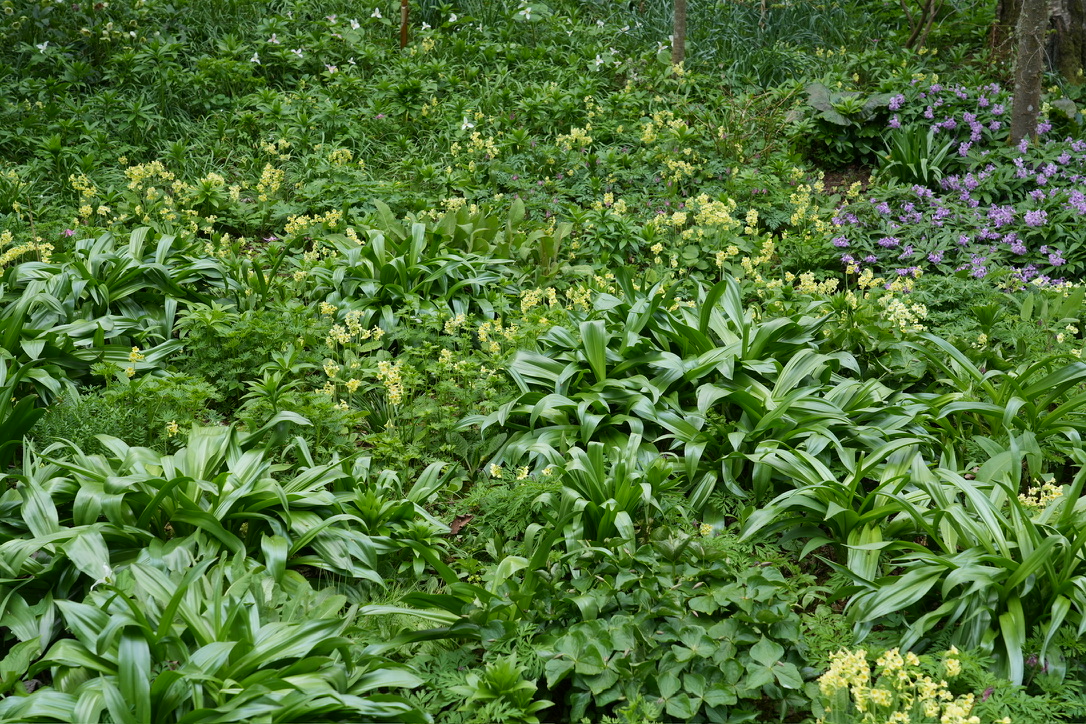
Overall the feeling is one of a very natural and magical woodland. There are bare patches of soil as you’d expect in a woodland, useful for wildlife that need it, and in other areas the spreading plants close like a tide, creating dense matts of colour and texture.
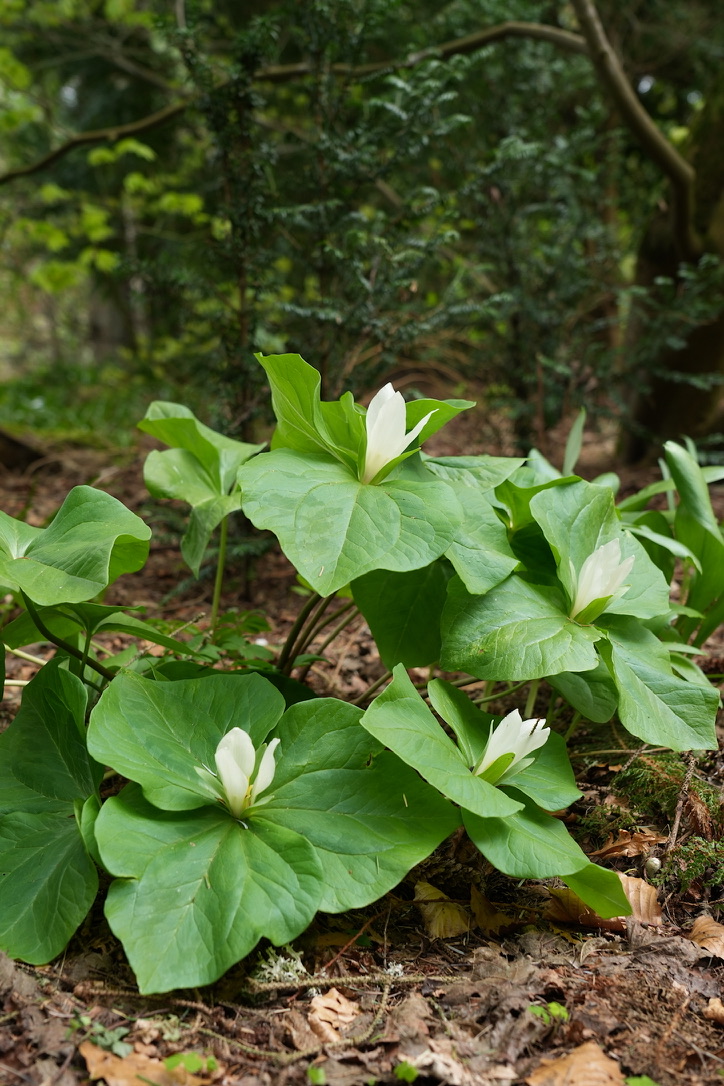
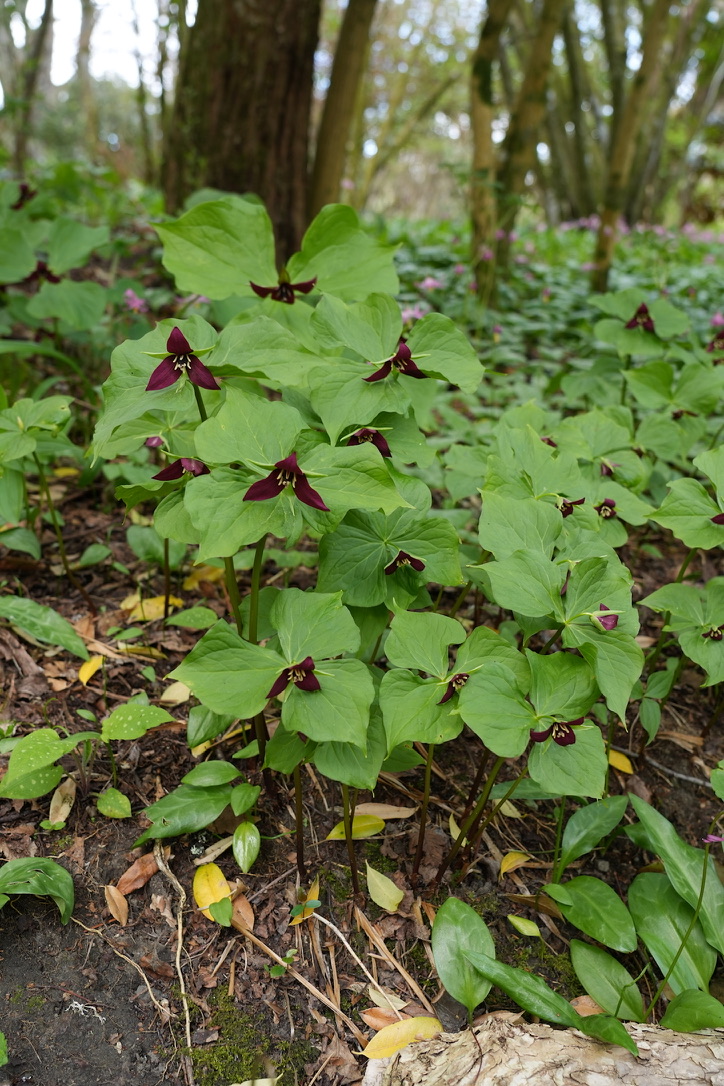
Chris and I saw trilliums wild in Canada last year, and Cluny House Gardens has many in different colours through different areas, reminding me of that trip. I particularly liked the darkest reds and the bright white ones above.
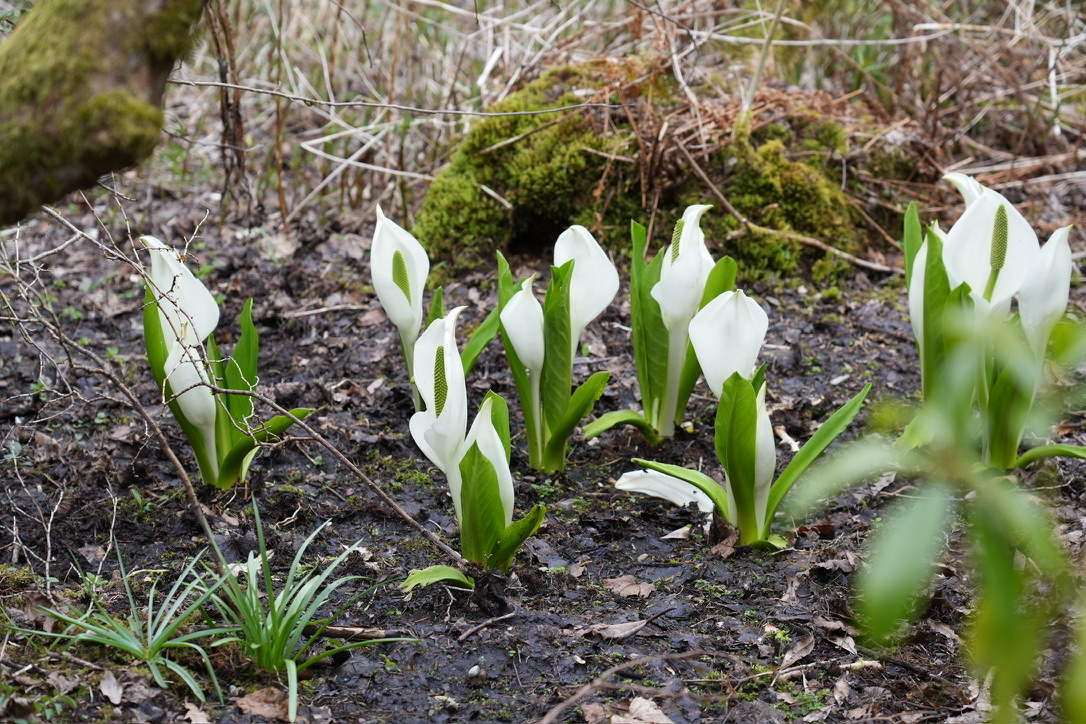
Lysichiton camtschatcensisthe white skunk cabbage from Asia, is much slower to spread than its American cousin, Lysichiton americanusand isn’t a problem. You can’t help but be drawn in the by the pure white of the spathes.
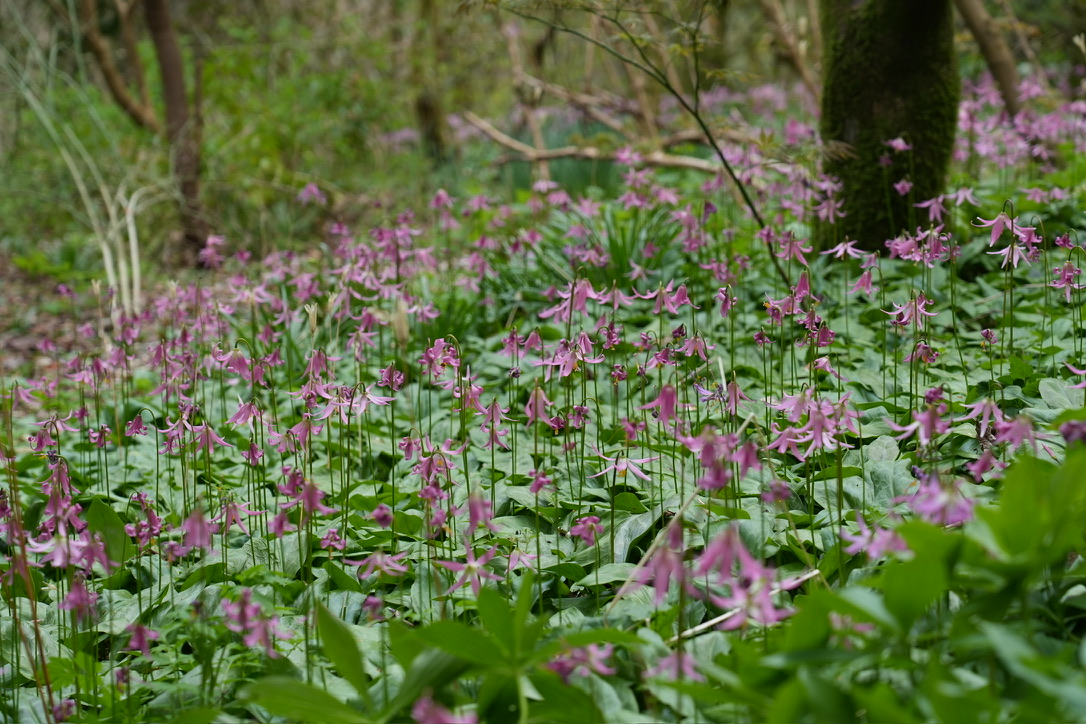
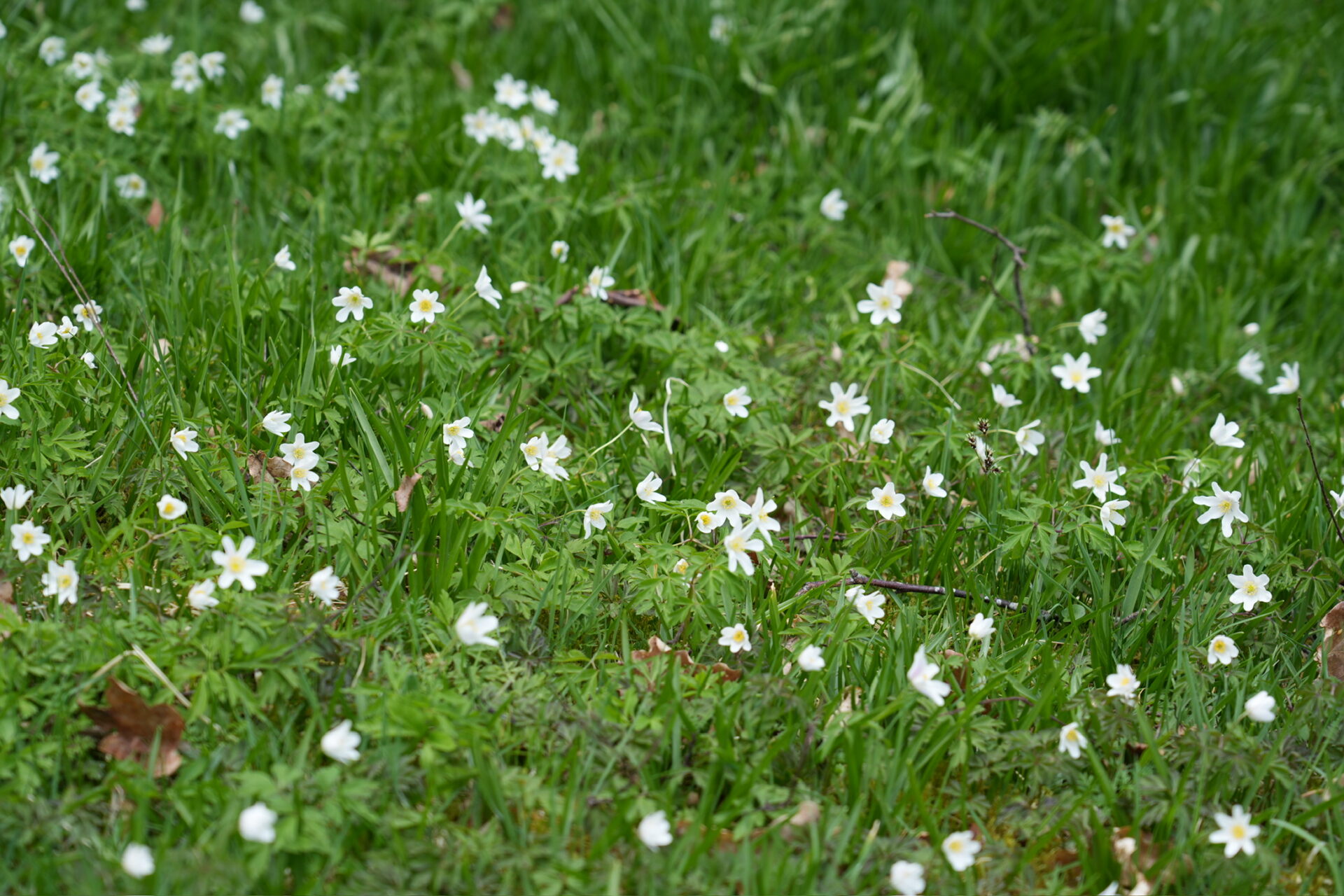
I guess I found the garden exciting not only because of the sheer impact of the volume of ground covers, – the best use I’ve seen of low flowering plants – but because the next wave of plants were coming through too, revealing the layers of interesting plants to see across the year. Giant Himalayan lilies and Martagon lilies could be seen shooting all over the garden, blue Meconopsis poppies too, all no doubt remarkable later in spring.
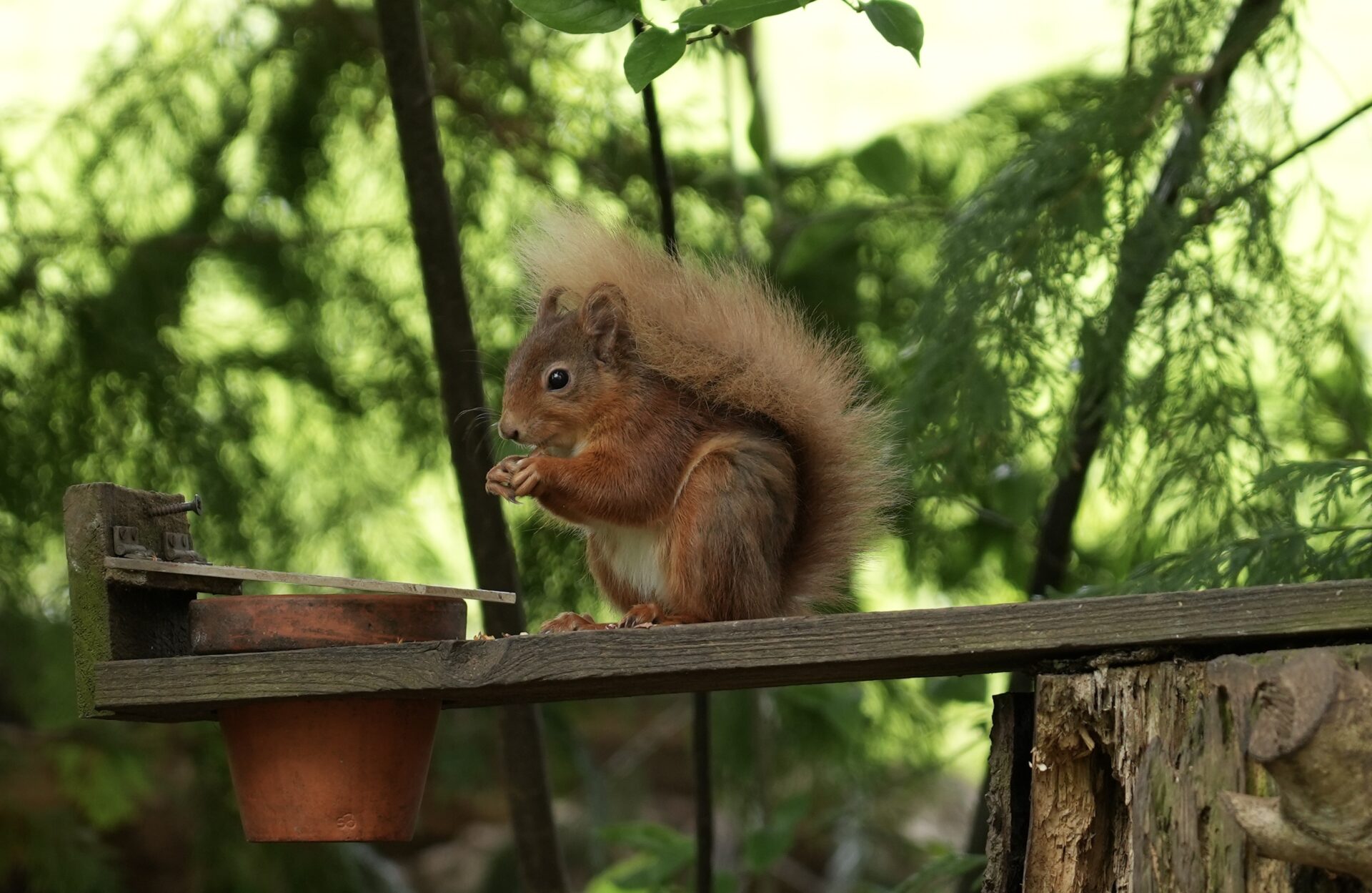
Squirrel popularthe red squirrel, evolved in Western Europe but is now threatened in the UK because of grey squirrels introduced by Victorians, which spread deadly diseases that the red squirrel has no immunity to. Cluny House Gardens cares for a number of red squirrels that live among its exotic trees.
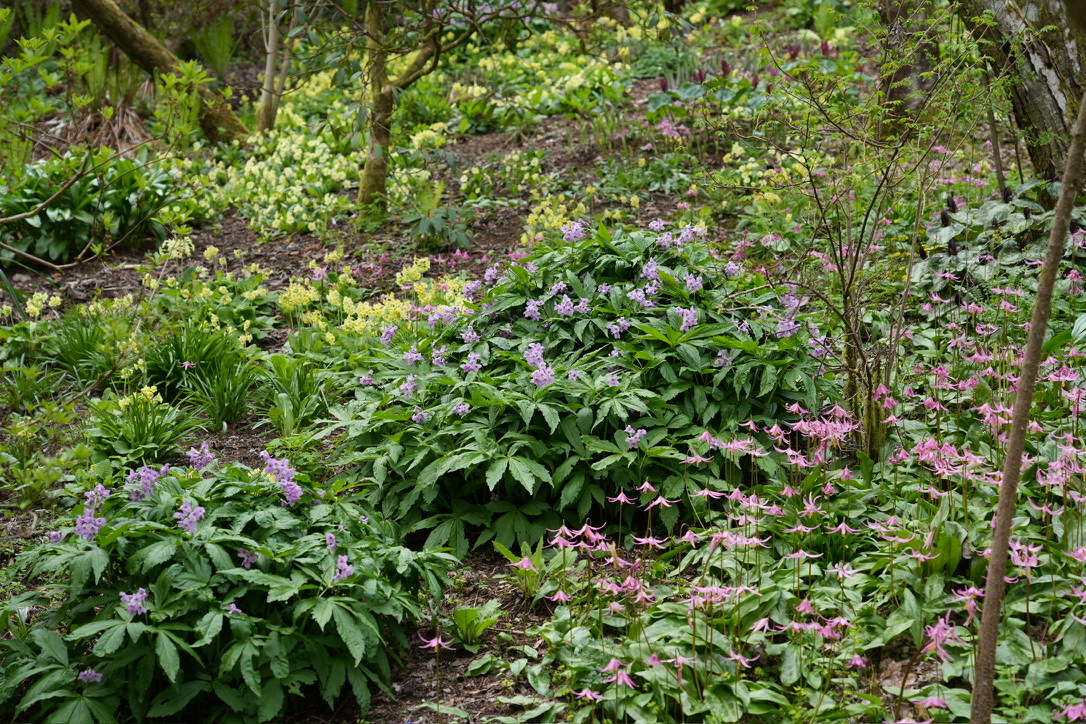
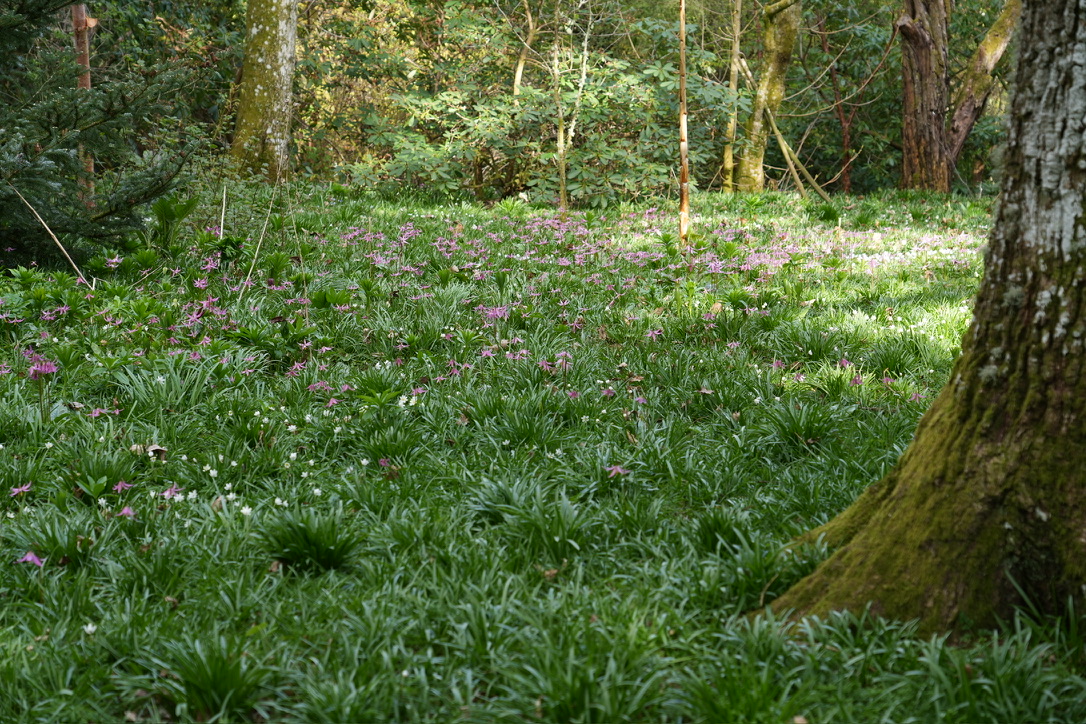
If you look closely in the above picture among the Erythronium and Anemonethere are the emerging tufts of Martagon lilies. John told me that this area began simply by throwing seeds collected from their existing plants into a damaged lawn.
I hope I can revisit again later this year to see how the garden has changed, Cluny House Gardens is one of the most unique gardens I’ve visited and deeply thought provoking, exciting because of it.
Cluny House Gardens is open every day from 9am – 6pm. Site: clunyhousegardens.com
