


Scattered clumps of snowdrops are beautiful, but they just don’t have the same impact as a full meadow. The difference is actually quite dramatic in early spring, and luckily, snowdrops want to spread, so it’s not difficult to achieve.
These bulbs naturalize readily once established, but it does take a little time. If you want to speed up the process or spread snowdrops to different parts of your garden, dividing is the answer.
To divide and replant snowdrops, you’ll only need a few tools (which you probably already have) and about 10 minutes of your time. It’s that easy. Here are the steps to take to get it right.
Timing
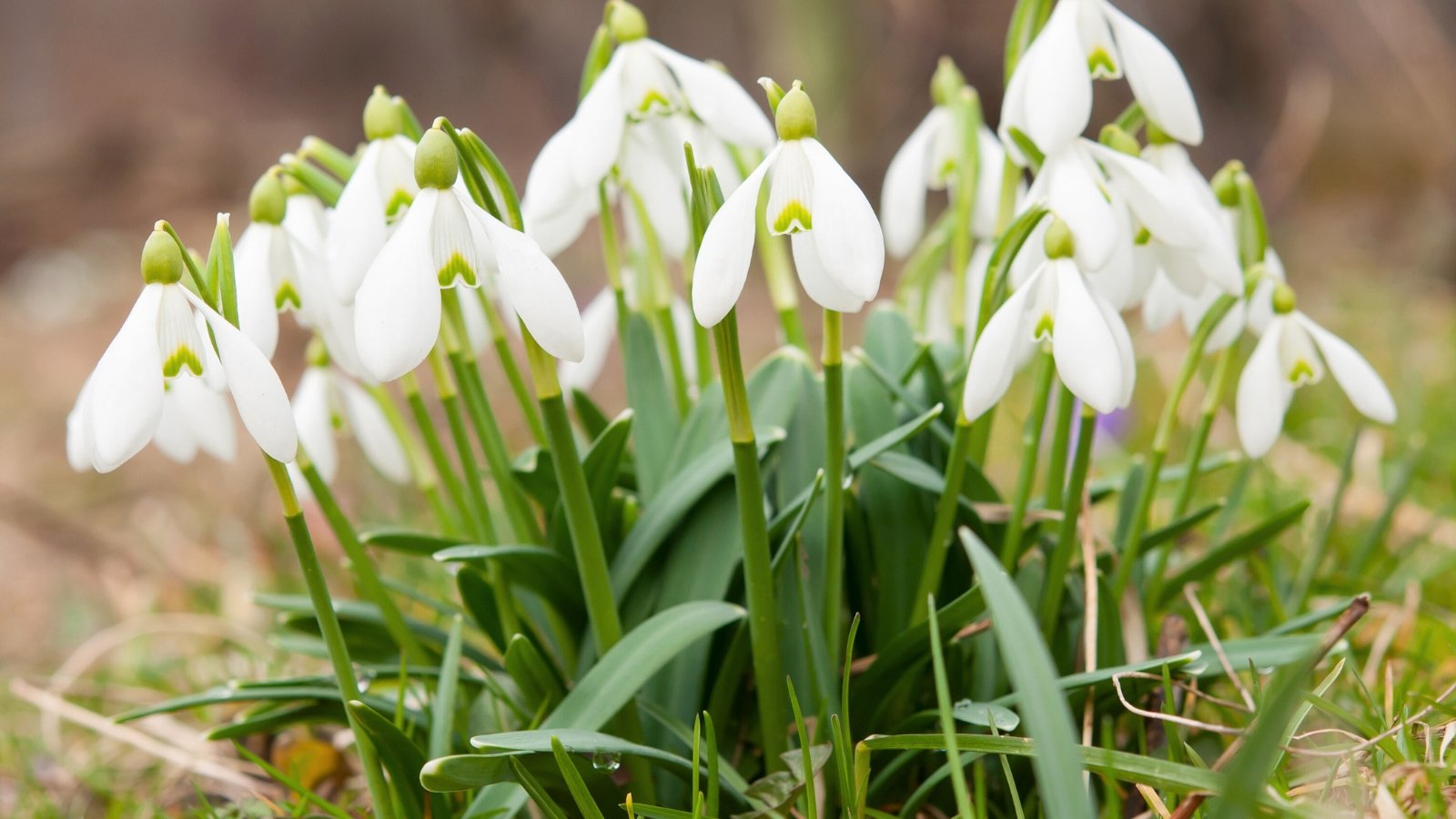
Snowdrops are a little different from other bulbs when it comes to dividing. That’s because most gardeners divide and replant snowdrops while the bulbs are still actively growing with leaves present. This is different from most bulbs, which you’d normally divide when dormant.
The ideal window is right after flowering finishes but before the foliage dies back completely. That doesn’t mean you have to follow this timing, as it’s possible to divide in late summer too, but it’s generally the time they are most visible for easy splitting.
Aim for when flowers have faded, but leaves are still bright green and photosynthesizing. Once foliage starts yellowing significantly, you’ve missed the best window to divide and replant snowdrops (though you can still attempt it if needed).
Preparation

Decide where your snowdrop meadow will go before you start digging in case you need to amend the soil. Snowdrops prefer partial shade and tolerate a range of soil types, though they perform best in soil that doesn’t completely dry out in summer. Beneath deciduous trees or along shaded pathways are good spots.
For a meadow effect, plant in drifts rather than rigid rows. Natural drifts follow irregular shapes with denser planting in some areas and sparser coverage in others. Think about how seeds would scatter and cluster naturally rather than how you’d arrange them on paper.
Because it’s hard for us to naturally plant in a ‘random’ pattern, my trick is to throw the bulbs onto the ground from a standing position and plant them where they land. This is much easier with dormant bulbs like daffodils, but depending on when you divide and replant snowdrops, it can work here too.
Also have your tools ready: a garden fork or spade for digging, a trowel for replanting, and somewhere to temporarily hold the bulbs. A bucket or tray works fine, though you don’t want to let bulbs sit out of the ground for hours.
Dig Up Your Snowdrops
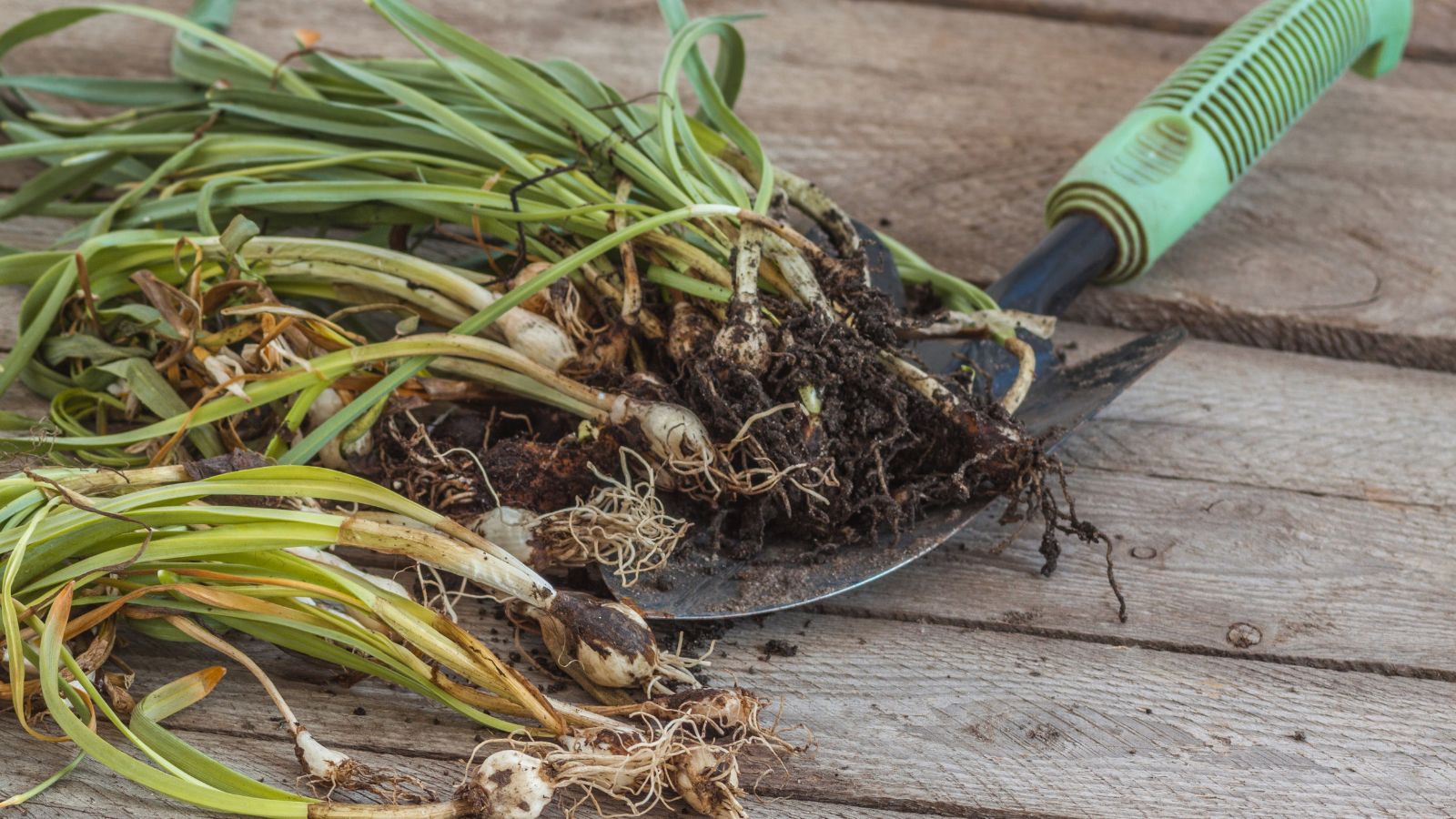
Now for the dividing part. To start, use a garden fork to carefully lift clumps, working several inches away from the foliage to avoid spearing bulbs. These bulbs are small and easy to damage if you dig too close or use a spade that slices through them.
Lift the entire clump with soil attached. The roots are delicate, and keeping some soil around them reduces transplant shock. You don’t need to shake off all the soil or clean the bulbs like you would for storage, since they’re going straight back in the ground.
If you’re dividing an established drift, you don’t have to dig up every clump. Take from the densest areas where bulbs are overcrowded and leave some established clumps to continue flowering. This gives you a little insurance if some divisions don’t take.
Separate the Bulbs
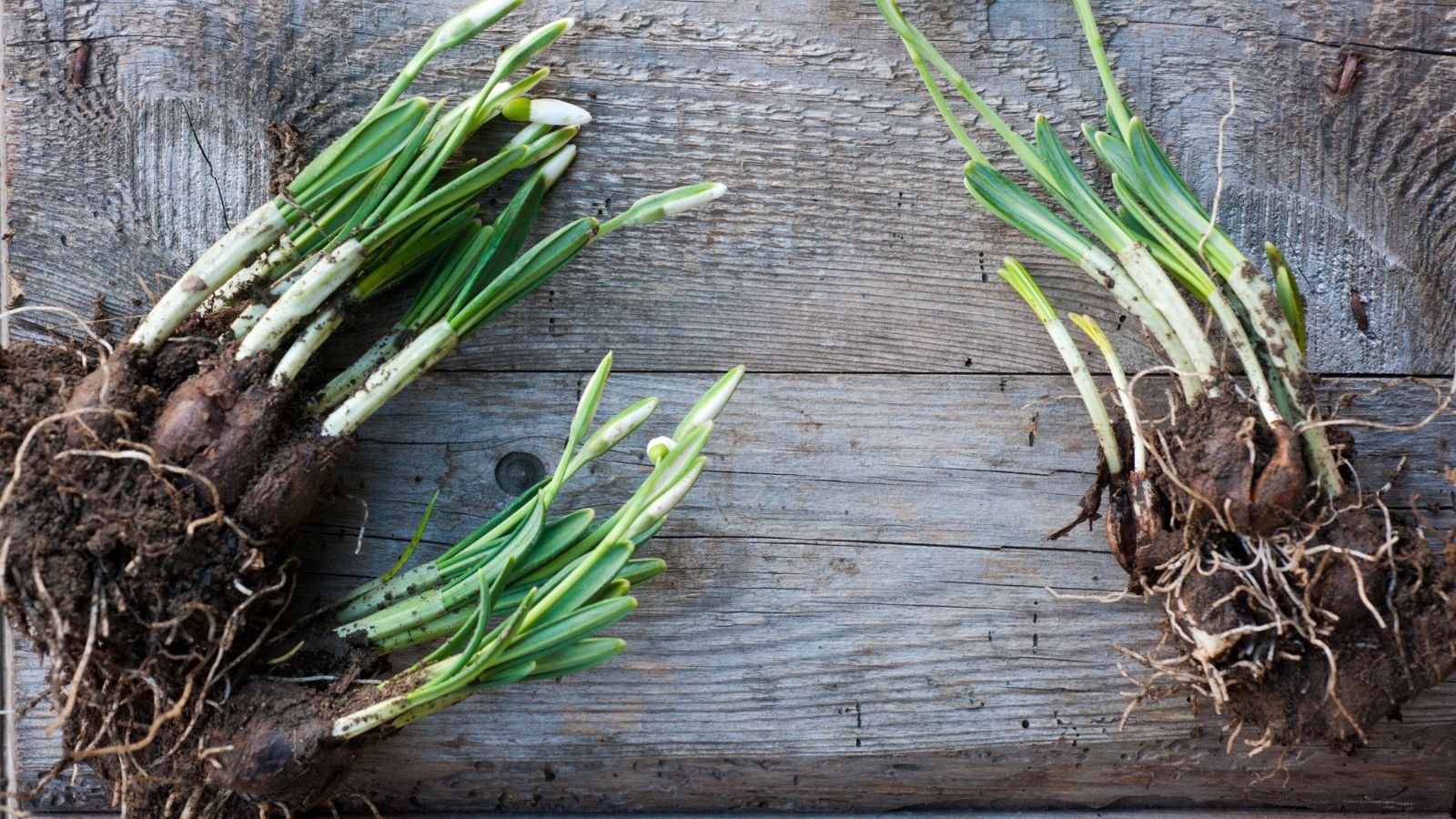
Gently tease apart the clump into smaller groups. Look for natural separation points where bulbs have already begun dividing themselves for the easiest splits. Rather don’t force bulbs apart if they’re firmly attached. You should have plenty to work with anyway.
Groups of two to four bulbs work well for replanting. I think small clusters create a more natural look, and they’ll generally establish faster. They’ll continue dividing on their own over the coming years.
It’s good to inspect as you separate, keeping the best bulbs for planting and getting rid of ones that don’t look good. Discard any bulbs that are soft, moldy, or obviously damaged. Healthy bulbs should be firm and white. The leaves might wilt slightly during handling, but will perk up once replanted.
Replant
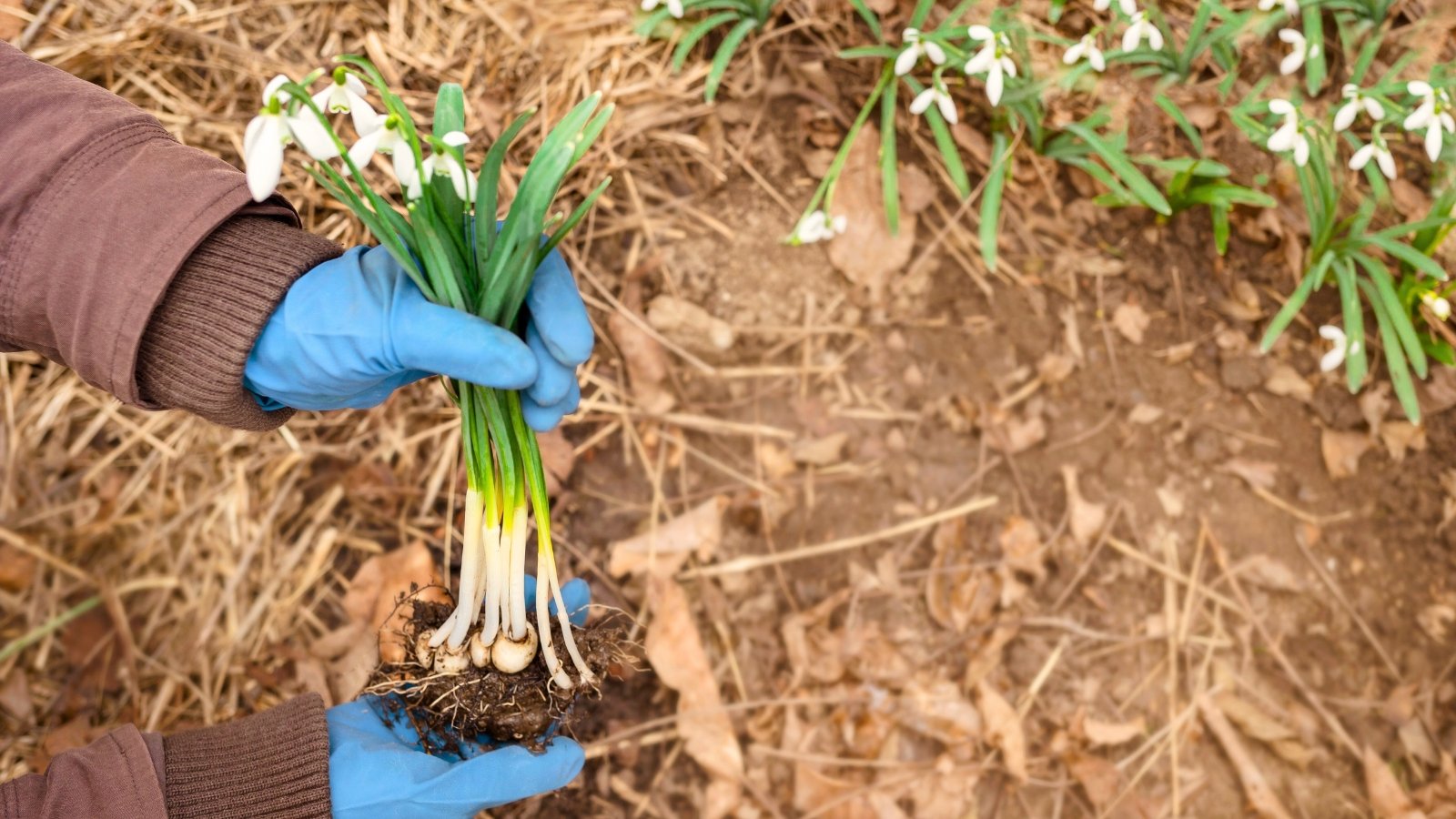
After you divide, replant snowdrops immediately. The longer they’re out of the ground, the more they dry out, and snowdrops don’t appreciate that.
Dig holes a couple of inches deep for each small cluster. Place bulbs at roughly the same depth they were growing before (you can usually see the soil line on the leaves). Space clusters about five inches apart within drifts, or a little closer where you want dense coverage.
Firm the soil gently around each cluster to settle it in and water well. The soil should be moist but not waterlogged. After a bit of time to adjust, they should be happy in their new homes.
Care
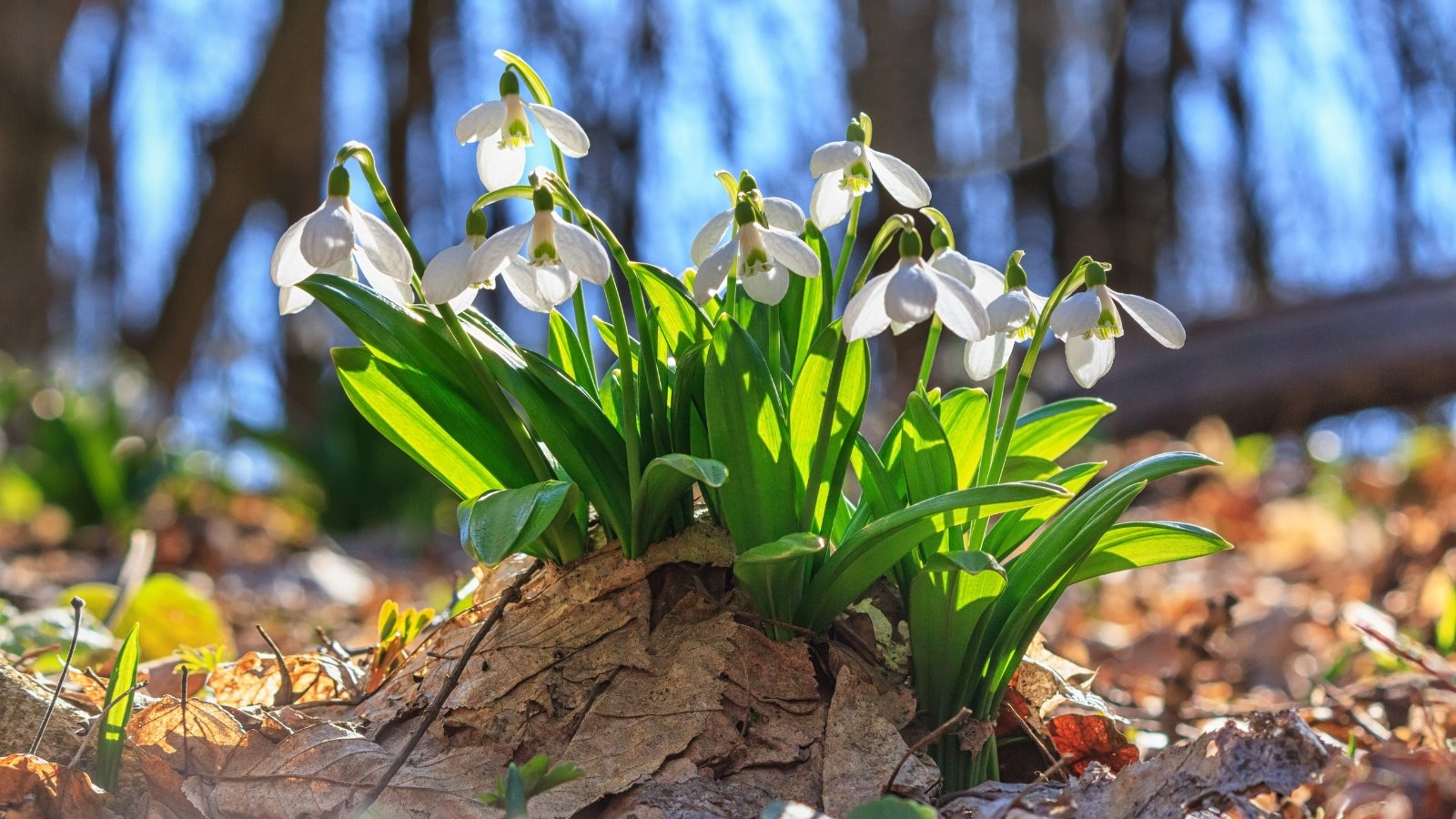
Water regularly for the first few weeks if rain is scarce to help them settle in. Beyond that, after you divide and replant, snowdrops are fairly self-sufficient.
Let the foliage die back naturally rather than cutting it off early. Those leaves are photosynthesizing and building up energy in the bulbs for next year’s flowers. Once leaves yellow completely, they’ll detach easily and can be removed if they bother you (though leaving them to decompose in place feeds the soil).
Snowdrops don’t need fertilizing in most situations. If your soil is particularly poor, a light application of compost in fall helps, but they typically perform well without it.
The bulbs will multiply on their own over time, gradually filling in gaps and creating the sweeping effect you’re after. In a few years, you’ll have enough snowdrops to divide and replant again and expand your meadow further or share with neighbors.
