


If you have been coming by here for a while you might have heard me talk about this before, but I’m going to say it again. I really miss Englandand one of the biggest reasons is because I miss what I can only call a ‘garden culture’. Writing this blog has always been my attempt to inspire a greater connection for people with For years now, I’ve found myself circling the same observation, even when I try not to.
I miss England—not for specific gardens, but for something harder to name. What I miss is a garden culture. A shared understanding that gardens are not a niche hobby or a weekend indulgence, but a normal, visible, and culturally embedded part of daily life.
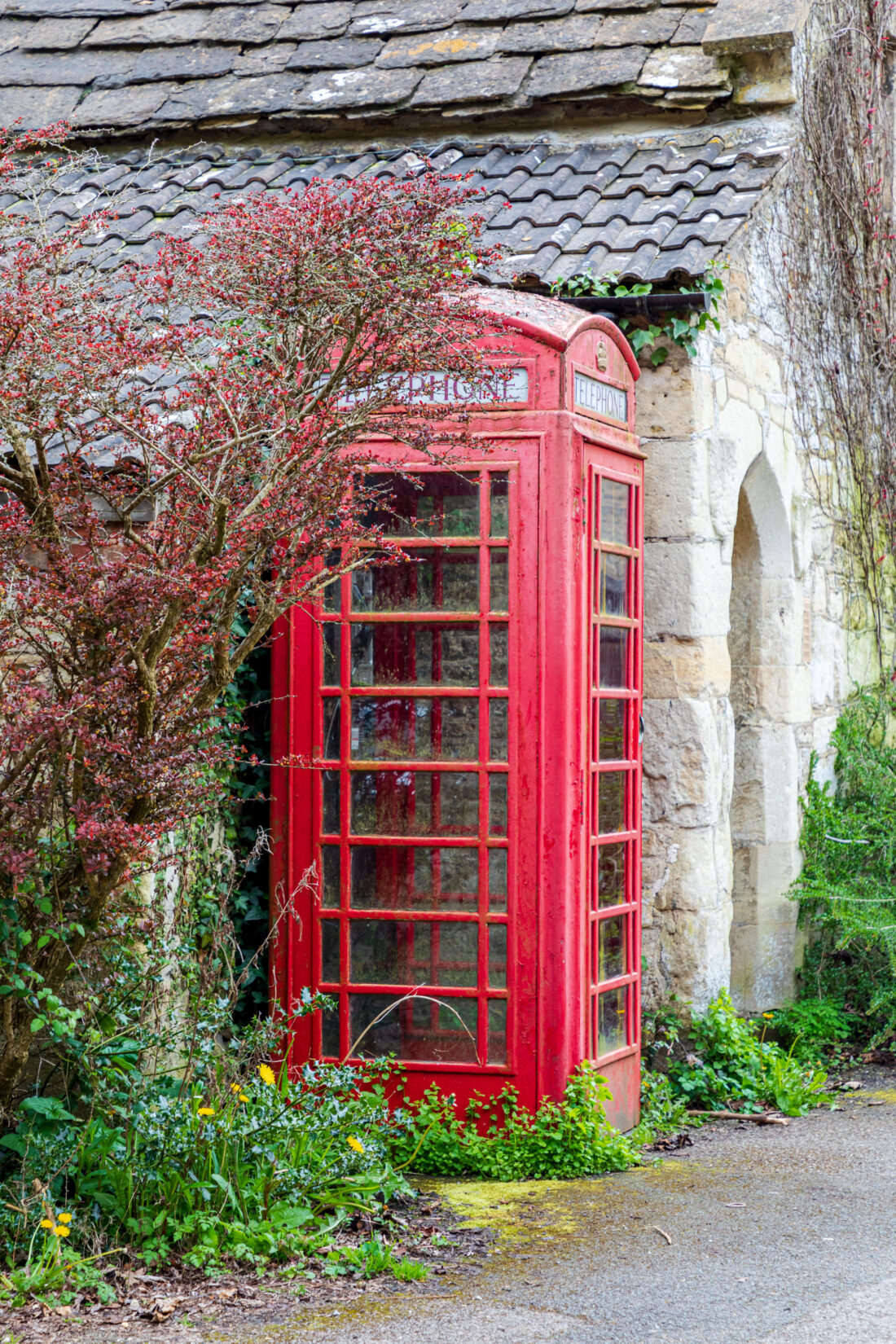
In the U.K., gardens show up everywhere. In magazines at the grocery store. In public conversation. In housing, schools, and civic space. They are assumed to matter—not because they are perfect or picturesque, but because they are part of how people relate to land, season, and place.
In the United States, that assumption is far less common.
We garden, of course. Intensely, even. But often in isolation. Gardening here is frequently framed as either a lifestyle choice, a consumer pursuit, or a private refuge. What’s missing is the connective tissue—the sense that gardens participate in a broader cultural system, one that links people to place, food, ecology, and community in visible ways.
This site has always been an attempt—sometimes clumsy, sometimes clearer—to think through that gap.
Garden culture isn’t created by better advice or more products. It’s shaped by stories, values, habits, and shared reference points. It lives in how we talk about gardens, where we encounter them, and whether we understand them as meaningful beyond the fence line.
If gardens are going to play a serious role in environmental resilience, food systems, and climate adaptation, they have to be understood as cultural systems first. They have to belong to people—not just to experts, markets, or trends.
Garden culture doesn’t announce itself. It accumulates slowly, through visibility, curiosity, repetition, and care. It shows up when plants are allowed to be part of ordinary life—when growing things is seen not as exceptional, but as normal.
That’s the work I’m interested in here.
Not just how gardens are made, but how they’re understood.
Not just what we plant, but what we value.
