


Want to know the easiest way to save zinnia seeds from all of those beautiful flowers growing in your garden and beds?
Zinnias are one of those flowers that never fail to brighten up a garden. Their bold colors, tall stems, and constant blooms make them a favorite for gardeners everywhere. For us, they also bring in loads of pollinators for our gardens and flowerbeds every year – with little effort other than sowing seeds in the spring.
But here’s the best part of zinnias – you don’t have to buy new seed packets once you grow this amazing annual! In fact, by simply saving seeds from our plants in late summer and early fall – we enjoy zinnias year after year without ever spending a dime. Not only does saving seeds help save – even better – it also makes our zinnia plants stronger and better as they continue to adapt to our soil.
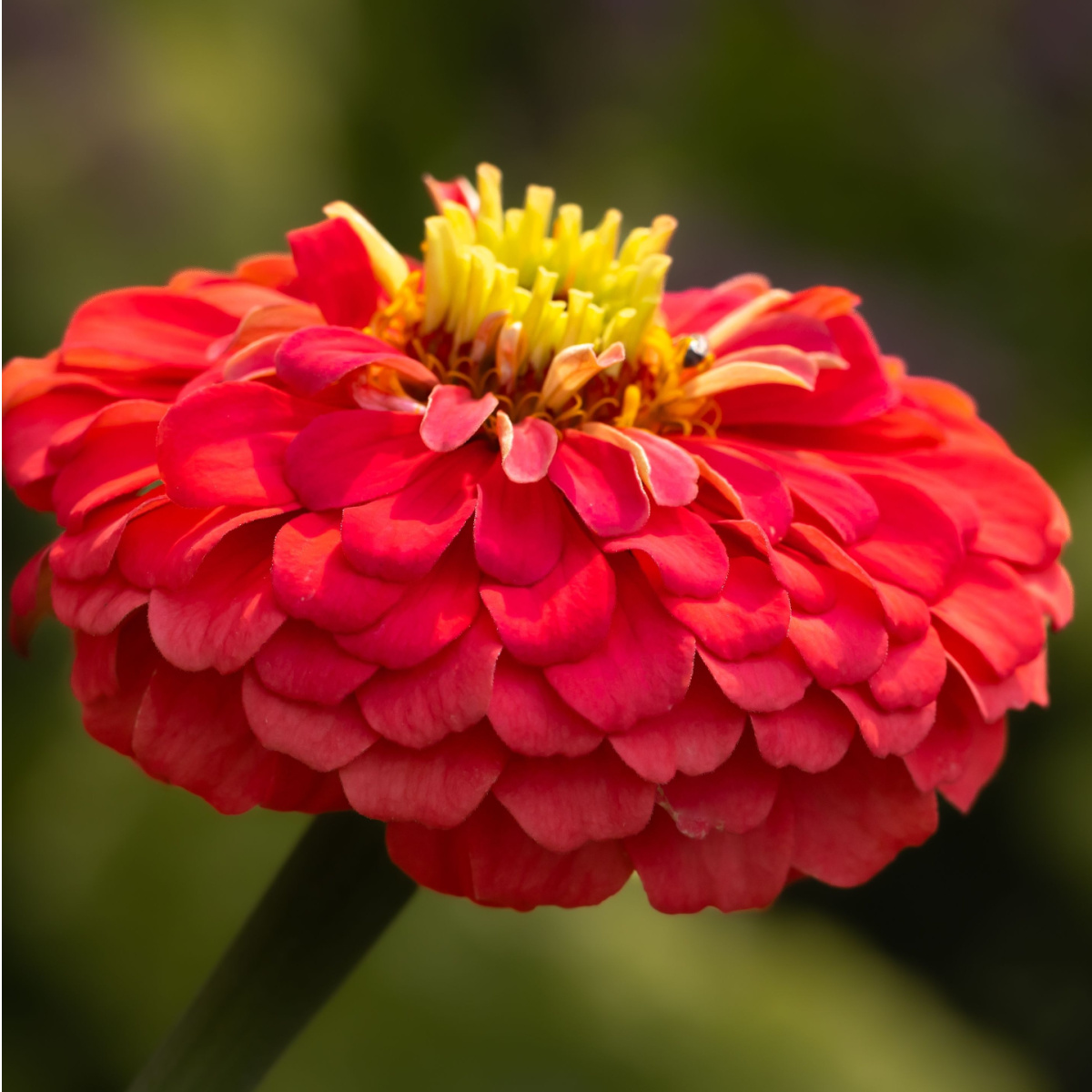
The Easiest Way To Save Zinnia Seeds In Late Summer & Early Fall
Why Zinnias Deserve A Spot In Every Garden
Zinnias are some of the easiest flowers to grow. They don’t demand rich soil or constant attention. In fact, they thrive in gardens all across the country, from cooler climates to hot, dry locations.
They are fast growers too. Plant them directly from seed, and in just a few weeks, you’ll have lush green plants topped with colorful blooms. It makes for a great choice for gardeners who want quick results without starting plants indoors.
One of our most favorite things about zinnias is how they attract pollinators. We love planting them all throughout our vegetable garden and flowerbeds around the farm. Why? Because they bring in an incredible amount of bees, butterflies, and even hummingbirds! See our article: Why Zinnias Belong In Your Vegetable Garden – The Amazing Power Of Zinnias!
By growing zinnias among tomatoes, peppers, cucumbers and other garden crops, we see a noticeable increase in pollination. That means more blooms turn into fruit. And it definitely makes our harvests bigger and better.
More Reasons To Save Zinnia Seeds
Seeds saved from your own garden are already adapted to your soil and climate. Each year, the plants grow a little more resilient. Why? Because they’ve adjusted to the exact conditions where you live. That means stronger plants, more blooms, and better performance over time.
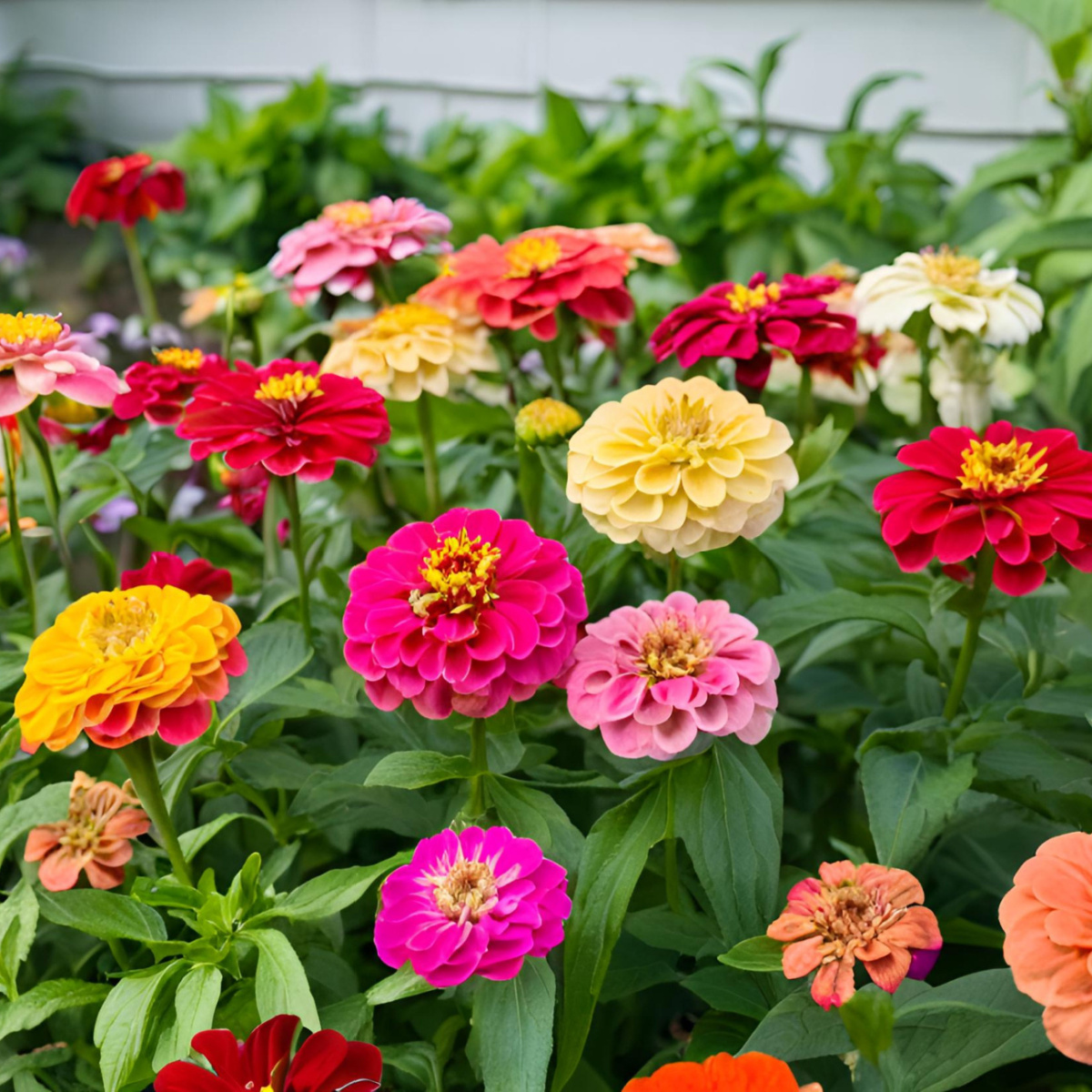
If you grow unique or heirloom zinnia varieties, saving seeds also ensures you’ll always have access to them. Seed companies often change what they offer. The variety you fell in love with this year might not be available next spring. But if you save seeds yourself, you never have to worry about losing it.
And even if you don’t grow zinnias now – you can start with an initial purchase of quality seeds – and then save them every year after for free! Affiliate Link: Zinnia Seeds Mix, 1 Oz, Over 3,000 Flowers Seeds, 5 Varieties (Pink, Yellow, Orange, White, Purple)
The Easiest Way To Save Zinnia Seeds – The When & How
The best time to collect seeds is at the end of the growing season – late summer through early fall. Early in the season, the flowers are still developing. This means their seeds won’t be mature enough to sprout well the next year.
By waiting until the plants are nearing the end of their life cycle, you allow the flowers to fully develop their seed heads. Late-season seeds are simply more strong, viable, and better ready for storage.
When saving seeds for replanting, it’s important to let the flowers dry on the plant. Zinnias used in bouquets will dry out too, but the seeds inside are usually weak because they didn’t get enough time to mature outdoors. If you want the best results, always leave your seed-saving blooms on the plant until they begin to fade and dry.


Choose The Best Flowers For Seeds
Not every zinnia bloom is worth saving. For the strongest seeds, choose flowers that were especially bright, large, and healthy during the growing season. These traits are more likely to carry over into next year’s plants.
Also, avoid saving seeds from flowers that show signs of mildew, mold, or disease. These can carry problems into next year’s plants. Stick to healthy, clean blooms only.
Watch for flowers that are starting to fade and dry on the stem. Once the petals are brown and crisp, and the seed head feels dry to the touch, it’s ready to harvest. Don’t wait too long, though. Birds and wildlife love zinnia seeds! And if you leave them on the plant too far past maturity, others will beat you to the harvest.
How To Harvest Zinnia Seed Heads
The easiest way to save zinnia seeds is to cut the heads from the plant with a sharp pair of garden scissors or pruners. Always cut a few inches below the base of the bloom.
At this point, you could pull the seeds out. But with that said, it’s best to let the entire flower head dry out even more before you separate them. Place the cut flowers on a cooling rack, screen, or tray in a dry, airy space. This allows airflow above and below so they dry quickly and evenly.
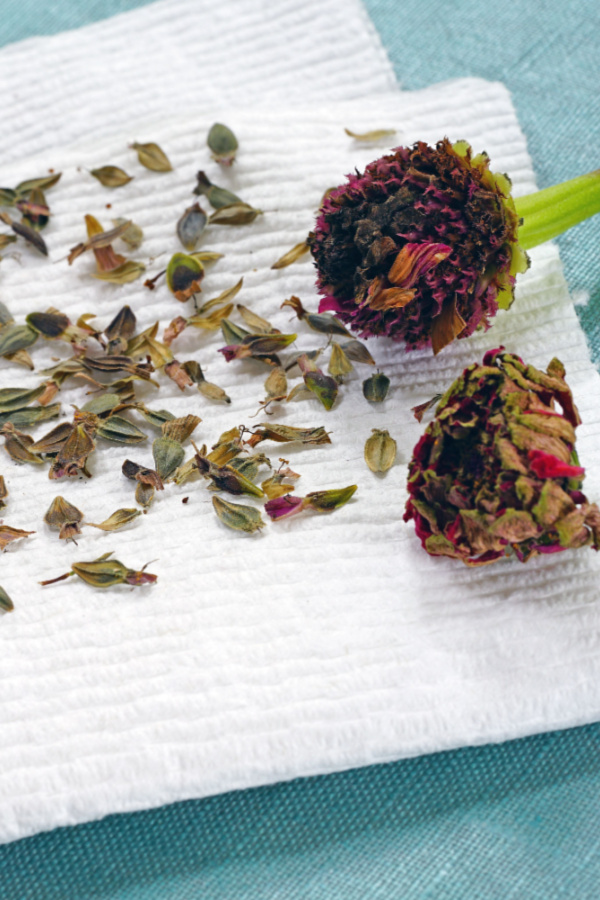
After two or three weeks, the seed heads should be completely brittle. That’s when they’re ready to be stored until next year. And how you store can play a big role in how well the seeds germinate and perform.
Storing Zinnia Seeds
To keep seeds safe until planting season, store the entire dried flower head in a paper bag or envelope. Never use plastic, as it traps moisture and leads to mold. Label each bag with the variety name and the year you collected them.
Store the bags in a cool, dark place. A closet, pantry, or basement shelf works well as long as it stays dry. Properly stored seeds will remain viable for several years, though it’s always best to plant them the very next season for the highest germination rates.
By mid-winter, you can separate the seeds from the dried flower heads. This makes them easier to handle and plant in spring. To do this, simply hold the dried flower in one hand and pull away the petals with the other.
At the base of each petal, you’ll see a small, arrow-shaped seed. Dark seeds are fully mature and ready to grow. Lighter-colored seeds are often immature and won’t sprout well, so set those aside. Each bloom produces dozens of seeds, so even a handful of flowers will give you plenty for the next growing season.
Planting Zinnia Seeds
When spring arrives, plant your saved seeds just as you would store-bought ones. Direct sowing works best. Scatter the seeds into loosened soil once the weather warms and all danger of frost has passed.
Cover the seeds lightly with soil and water them gently. In a week or two, sprouts will begin to appear. And perhaps the best part? Each season’s plants will continue to adapt and thrive in your unique garden, producing even better flowers as the years go by.
It really is easy to save zinnia seeds! Happy Gardening – Jim & Mary.
Old World Garden Farms
Jim and Mary Competti have been writing gardening, DIY and recipe articles and books for over 15 years from their 46 acre Ohio farm. The two are frequent speakers on all things gardening and love to travel in their spare time.
As always, feel free to email us at thefarm@owgarden.com with comments, questions, or to simply say hello! You can sign up for our free email list in the subscribe now box in the middle of this article. Follow us on Facebook here : Owg facebook. This article may contain affiliate links.
