


Spider mites are much like the movie characters Beetlejuice or Candyman. If you say their name three times in a row, they seem to appear out of nowhere to cause you unnecessary pain and aggravation. Unlike the movies, these pests are not entertaining and will take up more than a few hours of your time. When you get infested with spider mites, it can feel like a biblical pestilence has invaded you. Locusts ain’t got shit on spider mites, let me tell you.
Things might be chugging along well in the grow room, which is where I usually run into these gross little arseholes, and then BAM! You start spotting the tell-tale signs of things going south—little white dots near the primary veins under your leaves. If you have been an inattentive gardener, you may be balls-deep in webbing and egg sacks by this point. Your plant may look like something out of a Tim Burton film. If you took a microscope to any stage of a spider mite infestation, you would want to soak the plants in gasoline and flick a match. Christ… it’s shocking enough to make you want to set the whole house on fire. Exterminate the brutes.

How To Treat Spider Mite Infestations
Let’s talk treatment. What I do for cannabis remains true for many other species, so pay attention. If your plants are not in flower, you have many options; we will begin with the all-natural route before we go nuclear. You can start by defoliating the most affected areas, bringing down the population numbers immediately. Combine this with a homemade soap and hydrogen peroxide spray and wipe down the entire plant. Repeat the process for a couple of days. You can also employ Neem oil in this spray to make your all-natural home remedy even more potent, but it’s not recommended during flower. Remember, these little bastards are tenacious and will reappear. Just when you think you have things under control, BAM! Like in Poltergeist, “They’re baaaaaaaaaaaaaack”.
Taking Things Up A Notch
These mites’ birthing cycle is about three days, so if you haven’t managed to disrupt that effectively, you will most likely have to arm yourself with something a little more severe, like a Miticide or Insecticide that’s good for eggs, nymphs, and adult mites. If you are dealing with a Stephen King-level infestation and are down to your last option before a flamethrower, might I suggest “Spider Mite Knockout”? This should also be used before flower, as it is toxic. Not only do I not recommend breathing it in, I wouldn’t want to be in the room with it after spraying. It contains Pyrethrins and Piperonyl Butoxide that will do more than just steal a few brain cells out of your skull.
“But what about if we are in the middle of flowering?” I hear being screamed at me right now. Well, let me tell you, my dear grow buddy, you are shit out of luck and can’t get rid of them; it’s all about mitigation now. It’s time to decide whether to limp your way to the finish line or break out the butane torch. You can’t start spraying willy-nilly now, so get a little hands-on. It’s time to roll up our sleeves and commit a small-scale insect genocide. This is Sparta, it’s time to kick these fuckers down the well.
Firstly, you will defoliate intelligently; don’t take any leaves pertinent to flower growth. These primary leaves should be cleaned with the spray mentioned in the all-natural treatment, except don’t spray it. Wet a paper towel and gently wash your sick ladies. These little guys will also travel up and down the stem and hang out in the soil, so you must treat the whole plant.
You can manually apply neem oil during flowering. However, it has a powerful smell that some may say will leech into your terpene profile. But in a spider mite apocalypse, you might be willing to sacrifice taste and smell and hope you have something smokable for your troubles. Late-stage spider mite infestations will kill plants by eating them to death one nibble at a time. Each nibble impedes the plant’s ability to photosynthesise. Giant spider webs will cover your plants like cotton candy, and mite adults will be big enough to be seen by the naked eye. I feel like barfing just thinking about it. I have been able to wipe out a population before, but they will often be a permanent fixture in the grow room until you chop, and the room goes dead for a few weeks.
Tricks of the Trade
Let’s say you have now limped your way through flower and are ready to chop. Are you going to just smoke the same herb the mites have been fornicating on? You will hear spider mite eggs pop as you smoke your spliff. That’s gross, so let me give you a tip. Since all the parts of the plants you like are oil-based, you can go ahead and “wash” them. I start by totally defoliating. I then get three buckets, filling two with room-temperature water and the other with water, citric acid, and baking soda. I will let you create your ratio based on your container size, but I recommend being liberal, more rather than less. Make the solution effective. Submerge the plant entirely in the solution and agitate the plant for a few minutes. Do the same with the two other rinsing solutions. Hang it dry like usual, except hit it with a fan until all that excess water is dry. This will clean all the spider mite poop off your product and also removes a lot of other ambient grow room grime. You can use this trick even if you don’t have mites. Some people do it for every grow.
Assume you have Spider Mites
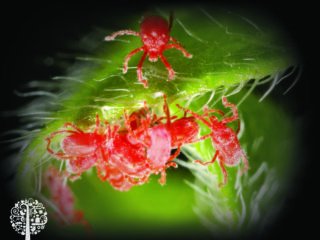
I don’t want to give anyone any nightmares, so I will ask the publisher to put a cute face on the mites they may use to dress up this article. When gardening, spider mites may be one of the biggest challenges, so it’s best to be proactive and assume they are ALWAYS around and do some IPM (Integrated Pest Management). Aside from that, if you’re religious, start praying they don’t show up. If you’re not religious, power up the flamethrowers and stay vigilant. For everyone’s sake, don’t say spider mite three times in a row. I fear even writing this article has me slated for a visit.
Happy growing, my little bean sprouts. Death to all pests, spider mite to aphid.
