

Some cool season plants will bolt when exposed to light frosts, or days with temperatures below 50°F – bok choy and tatsoi, for instance.
These cool weather crops can be direct sown – or started indoors and transplanted out – after the first frost date for better results.
Short Season Tender Annuals
Other vegetables that do well with direct sowing are tender annuals that can fully mature during a short summer season – within 110 days or less.

These plants are not cold hardy, so they should be sown after all risk of frost has passed, and they will generally have plenty of time to reach maturity.
Short season tender annuals include most varieties of:
However, some varieties of cucumbers, melons, and squash are slower to mature. I’ll address those in just a bit.
Seedlings that Don’t Transplant Well
There are some veggies – both cool season and warm season crops – that should be direct sown because their seedlings aren’t typically very successful when transplanted.

Some have sensitive root systems, which are easily disturbed during transplanting – such as carrots and spinach, two cool season plants.
Others, like radicchio, tend to bolt when transplanted, so direct sowing remains the best planting method.
Here’s a list of veggies that are poor candidates for transplanting, and should always be direct sown:
- Beans (pole, bush)
- Beets
- Carrots
And then there is another group of veggies that only do moderately well with transplanting, so direct sowing is recommended where possible:
If you do need to transplant, you’ll have greater success if you use biodegradable pots for starting your seeds.
However, transplanting in biodegradable pots will only work if you live in a climate where the biodegradable pot will actually break down.

For those of us who are gardening in dry climates, the biodegradable pot won’t stay wet enough to break down properly, and this could eventually stunt the roots of the transplant.
An alternative that works even in dry climates is to grow these delicate-rooted veggies in compressed soil blocks.
According to Master Gardener Sandy Patry, in a 1993 edition of “Cognition: The Voice of Canadian Organic Growers,” published by McGill University’s Ecological Agriculture Projectsthese blocks increase survival rates of seedlings dramatically by reducing damage to seedling roots during transplanting.
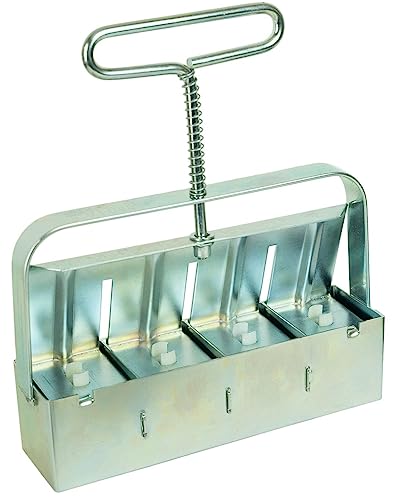
You can make your own blocks of compressed soil with the Ladbrooke soil blocker, available via Amazon.
Crops to Start Indoors
Unlike the freewheelers mentioned above, some types of vegetables perform better when started indoors.

And beyond the preferences of your seeds as to how they get their start, there are times when you may want to give your preferences priority, and start some of the above indoors anyway.
Long Season Tender Annuals
Generally, the vegetables that are sown indoors are the ones that are tender, require warmer germination conditions, and need additional time to reach maturity – long season tender annuals.

These seeds are started indoors, either in a warm and sunny southern facing window, under grow lightsor in a heated greenhouseusually six to 10 weeks before the first frost.
Then they are transplanted out to the garden after all risk of frost has passed.
Depending on the variety, different plants can require varying amounts of time to grow from seed to maturity.
Some tomatoes can take 140 days to reach maturity, and some pepper varieties need 175 days.

Plus, many plants will produce harvestable crops over an extended period – so we don’t want to choose cultivars that won’t reach maturity until the day before our first frost.
