


5 cool ways to outsmart garden pests naturally with organic pest control strategies, beneficial insects, smart watering, and Integrated Pest Management tips.
In The Climate Change Resilient Vegetable GardenKim Stoddart writes about how changing weather patterns increase pest and disease risks in outdoor gardens. Extreme weather weakens plants, and wet, muggy conditions breed pests. There are many ways to protect crops, but at Garden Culture Magazine, we insist on organic, regenerative practices that benefit plants, people, and the planet. Enjoy our list of 5 Cool Ways to Outsmart Garden Pests—Naturally!
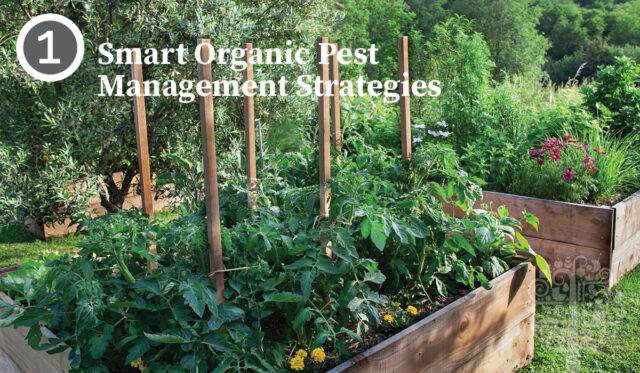
1. Smart Organic Pest Management Strategies
You can’t control everything, but you can minimize pest invasions with simple tricks. If you have a longer growing season, adjust your planting dates to avoid a particular pest’s egg-laying season. Use trap crops to attract pests away from prized plants, then dispose of them properly. Alternatively, plant a few seedlings early as decoys; toss the invaded plants before transplanting the clean ones.
Some gardeners become so overrun with specific pests (like Colorado potato beetles, root maggots, or squash vine borers) that they skip planting the target crops for a year or two to disrupt the pest’s life cycle. Interplant aromatic herbs and flowers to boost biodiversity and repel bugs. Mulch between crops to deter egg-laying pests, but avoid excess around stems. When buying seedlings, always inspect them for pests and diseases.
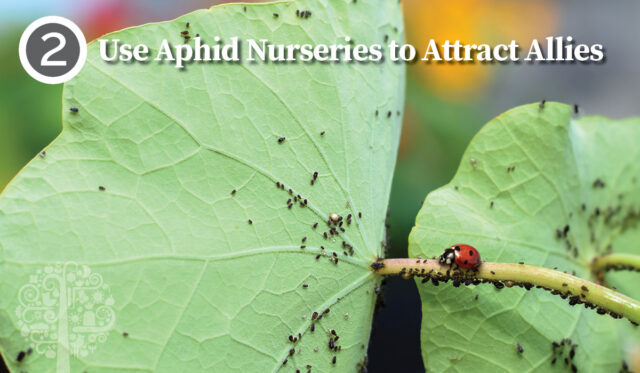
2. Use Aphid Nurseries to Attract Allies
Yes, you read right: we’re suggesting you build a nursery to attract aphids to the garden. In her book, Garden AlchemyStephanie Rose explains that pest populations must reach a certain threshold to encourage predatory insects to patrol your space. Similar to trap crops, an aphid nursery helps you determine where the aphids set up in the garden; ideally, away from your kitchen garden. Once the aphids move in, so will the chickadees, wasps, hoverflies, and ladybugs. Aphids love nasturtiums, mustards, kale, and Shasta daisies, which are all hardy enough to handle an infestation. If the aphid population takes over more than 20% of the plant, prune the affected leaves or spray with a hose.
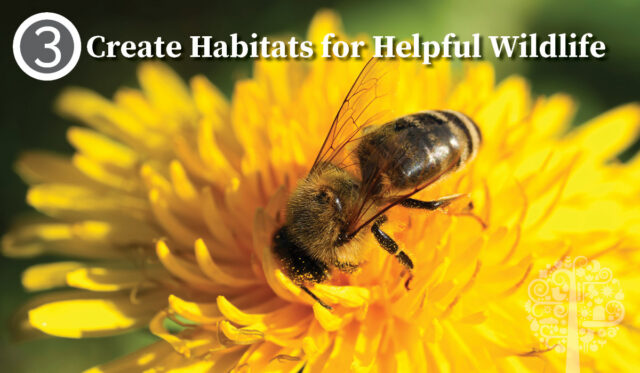
3. Create Habitats for Helpful Wildlife
Don’t forget to provide food and habitat for beneficial insects and birds to support natural pest control. Dandelions are an early food source for bees and attract predatory bugs like hoverflies, whose larvae feed on aphids, mealybugs, leafhoppers, and caterpillars. Stinging nettles are not only medicinal but also offer habitat for ladybugs and lacewings, and Queen Anne’s lace attracts bees, wasps, and predatory flies. Birds are excellent natural pest control agents; they can easily tackle excessive caterpillar and slug populations. Winter bird feeders and a clean water source are crucial for keeping birds near your gardens year-round. Leaving seed heads on flowers and some leaf litter on the ground also greatly benefits the local bird population.
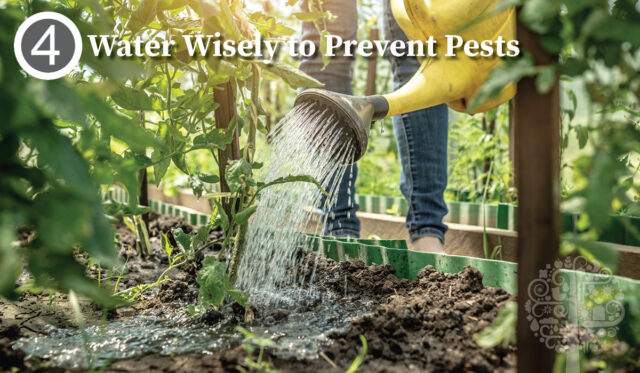
4. Water Wisely to Prevent Garden Pests
Did you know that stressed plants send out chemical signals that attract plants? Pests love it when plants are under duress because they lack the energy to defend themselves and are easier to feed on. Over- or underwatering the garden is one stressor you can manage by developing good gardening techniques. Water plants in the early morning with a drip irrigation system or soaker hoses so moisture reaches the plant’s roots.
If you’re forgetful, consider using basic timers so plants receive moisture at consistent intervals, and remember to adjust the watering schedule as plants grow and the weather warms. Sometimes plants that appear to be wilting in the heat are not actually thirsty. Invest in a moisture meter; this simple gadget will gauge how much water is near the root zone and whether watering is even necessary. Conserve moisture with mulch, but don’t pile it up too high around the stem; doing so will only encourage pests and diseases.
5. Hands-On Organic Pest Removal
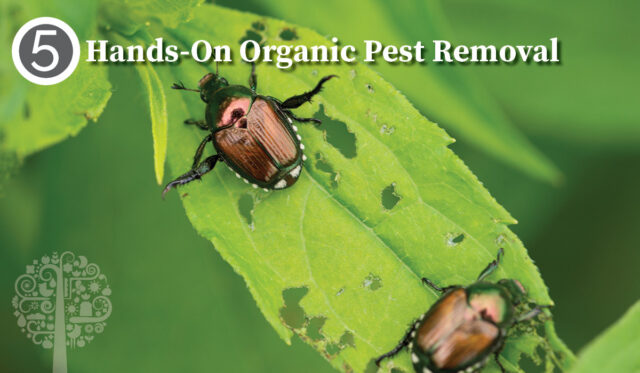
Are Japanese beetles chewing holes in your bean plants? Get some garden gloves and squash ‘em. It’s not fancy, but it works! Be warned: these guys are crunchy. The same method can be used to kill the squash vine borer or aphids. Speaking of aphids, the good old-fashioned garden hose can help eliminate them; just be sure to check your plants regularly because they will return.
Finally, there are many recipes for non-toxic herbal sprays that help deter insect pests, rabbits, and deer. Ingredients often include garlic, chili peppers, and aromatic herbs such as basil, catnip, chives, lavender, mint, or rosemary. Ensure you’ve properly identified the garden pests in question and that the population is out of control before using an organic spray, as some herbs may also repel the good guys in the garden!
Sources:
The Climate Change–Resilient Vegetable Garden: How to Grow Food in a Changing Climate (Kim Stoddart)
The Vegetable Garden Pest Handbook: Identify and Solve Common Pest Problems on Edible Plants – All Natural Solutions! (Susan Mulvihill)
Garden Alchemy: 80 Recipes and Concoctions for Organic Fertilizers, Plant Elixirs, Potting Mixes, Pest Deterrents, and more (Stephanie Rose)
