

If you’re an indoor grower who uses soil in your gardens, you may be wondering, “Should I be testing my soil, and if so, how often do I do it?” Well, you’re right to ask those questions, so let’s take a deep dive into why testing organic soil is crucial for indoor growing and how to amend it effectively if necessary.
Why test indoor soil?
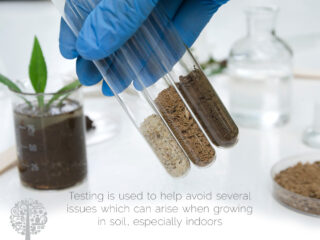
There are several reasons why testing is essential. The balance of macronutrients and micronutrients is crucial. Because your plants rely entirely on the soil you provide for their nutrient needs, a test is like a nutritional analysis of the soil – a window into what and how you’re feeding them – which gives insights into any imbalances in the nutrients or pH within the soil composition.
We know that macronutrients nitrogen (N), phosphorus (P), and potassium (K) are essential for plant growth, and having the proper balance ensures robust plant growth and overall health.
What tends to get overlooked is that micronutrients need to be balanced with macronutrients to ensure optimal growth.
These micronutrients include iron, zinc, manganese and others which are needed in smaller amounts but still play a critical role in the successful cultivation of a crop.
Testing is used to help avoid several issues which can arise when growing in soil, especially indoor soil. Let’s look at the issues that can be avoided with proper and consistent testing:
Deficiencies -stunted growth, yellowing leaves, or other symptoms can indicate a lack of specific nutrients in indoor soil.
Excesses – too much of a nutrient can be just as harmful as not enough. This can lead to toxicity and nutrient lock-out.
pH imbalance – pH measures how acidic or alkaline your indoor soil is. Most indoorn plants thrive in a slightly acidic to neutral range (6.0-7.0). An incorrect pH can hinder nutrient uptake, even if the nutrients are present because the plant cannot absorb them due to the pH being off. Extreme pH issues can also cause issues in the root zone, leaving the roots damaged and more vulnerable to disease.
Contaminants are also a considerable issue testing can reveal to the grower. Heavy metals can be present in some soil sources and harm the plants and anyone consuming the plants grown in contaminated soil. These heavy metals include lead, arsenic and mercury, among others. An important thing to remember is if a crop is intended for extraction, any heavy metals present in the plant biomass will be amplified in the final test numbers of the extracted product. This is why you must test your soil , especially if extraction is the intended final output.
Pesticide residue is also detected through testing. Some growers source their soil from an outdoor source which may have had pesticides applied to it. Some of these pesticides can harm plant growth and be harmful to humans if passed on through the plant and any products produced from the plant.
So, what’s the best way to amend your organic soil for future crops? Let’s look at a few ways to ensure a successful crop is produced:
Organic Matter
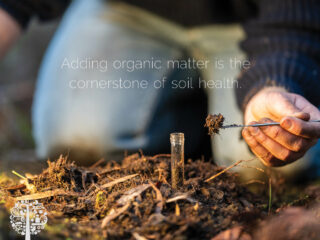
Adding organic matter is the cornerstone of indoor soil health. Organic matter improves the soil structure by creating air pockets for roots to breathe and preventing compaction. It also helps with moisture drainage which helps the roots breathe while preventing root rot. The addition of organic matter also helps the soil hold onto nutrients, which makes them available to the plants over time. Microbial health is improved as organic matter feeds beneficial microbes that help with nutrient cycling and disease suppression. Examples of organic matter include compost (a mix of decomposed organic materials like food scraps, leaves and yard waste).
Many outdoor gardeners will amend with aged manure that’s been composted to reduce nitrogen and odour or worm castings (earthworm excrement that’s rich in beneficial microbes). If you want to add these to your indoor gardens, you must be cautious not to allow microbial contamination of the plants being grown or the facility as a whole. A crop can fail because of microbial contamination caused by using these to amend indoor soil.
Cover Crops
Cover crops grown specifically to improve soil health get tilled into the soil between crops, which adds organic matter. Some cover crops are used to help fix nitrogen issues by converting atmospheric nitrogen into a form plants can use; some of these include legumes and crimson clover. Cover crops help prevent soil erosion by preventing it from being washed away during watering or blown away from drying out and having fans blowing it around the grow space. Another benefit of cover crops is they suppress any weeds (usually brought in by bringing in soil from outdoors) by outcompeting them; this reduces the need for the use of herbicides.
Soil Rotation
Rotating your soil is also incredibly beneficial if it can be achieved. At one of the facilities I work with, we have ‘new’ soil waiting for each crop. That specific soil has been tested and amended as needed in preparation for planting a new crop. We amend by taking the used soil and adding what has been removed by the previous crop, either by top-dressing each pot of bed or by mixing large totes of soil and the required amendments.
Rotating the soil helps prevent pest and disease buildup and improves soil fertility because the depletion of nutrients has been prevented by making sure the tested and amended soil has everything needed for the incoming crop.
No-Till
Avoid tilling once the crop is planted. Some growers do a top rake till around the plants with the belief that doing so introduces oxygen to the root zone when, in fact, it disrupts the soil’s natural structure and kills beneficial organisms. Some operations cover the soil with layers of organic matter to suppress unwanted weeds and add nutrients.
The biggest thing to remember is to test and amend your soil between each crop – you do not want your soil to become depleted or have imbalances resulting in poor plant health and lower yield. Consider your plants’ needs; different plants and cultivars have different nutrient and pH requirements – tailor your amendments to the specific plants you are growing.
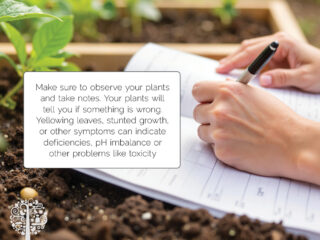
Make sure to observe your plants and take notes. Your plants will tell you if something is wrong. Yellowing leaves, stunted growth, or other symptoms can indicate deficiencies, pH imbalance or other problems like toxicity.
By testing your soil regularly and amending it properly, you can create a healthy and productive environment for your indoor plants. Better in = better out. It’s that simple. Treat your soil and plants with respect and love; they’ll provide everything you need .
