


Sharing is caring!
If you want to grow earlier in spring, protect crops from pests, or stretch your harvest into fall, hoop tunnels are one of the most effective tools you can add to a home garden. They turn a simple raised bed into a mini climate system—trapping heat, blocking wind, and protecting plants when conditions are unstable.
After more than 30 years of gardening in raised beds and intensive planting systems in California and Iowa, I’ve found that hoop tunnels are not just season extenders—they’re yield protectors and growth accelerators when used correctly.
1. Frame Material (Strength vs Flexibility)
- Fiberglass hoops: Lightweight, flexible, good for DIY systems
- Steel or aluminum hoops: Stronger, more durable, better for wind and heavy covers
If you get wind or heavy rain, metal frames are usually the safer long-term choice.
2. Height and Bed Compatibility
Match the tunnel to your crops:
- Low tunnels → lettuce, carrots, early greens
- Mid-height tunnels → peppers, bush beans, brassicas
- Tall tunnels → tomatoes, cucumbers, extended season crops
Also check compatibility with 4-foot-wide raised bedsthe most common home garden size.
3. Cover Options (This Is Where Performance Changes)
A hoop frame is only half the system. Covers determine what it does:
- Frost cloth: Light cold protection and wind buffering
- Insect netting: Prevents cabbage moths, aphids, beetles
- Plastic sheeting: Heat retention and true season extension
- Shade cloth: Summer heat protection
A flexible system that allows swapping covers is ideal.
4. Ease of Assembly
Look for:
- Tool-free installation
- Modular connectors
- Adjustable width or height
- Easy removal for crop rotation
Systems that are hard to move often get abandoned mid-season.
5. Ventilation Control
Good hoop tunnels allow airflow management:
- Roll-up sides
- Liftable covers
- Adjustable ends
Without ventilation, temperatures can spike quickly on sunny days and stress plants.
Best Overall Modular Hoop Tunnel System (Most Versatile)
Gardzen Garden Hoops Grow Tunnel Kit
- Flexible fiberglass hoops with connectors
- Works across multiple raised bed sizes
- Easy to adapt for netting or plastic covers
Why this works: This is a true all-season system. You can switch from insect protection in spring to frost protection in fall without changing infrastructure.
Best Heavy-Duty Metal Hoop System (Long-Term Durability)
Extendable Metal Garden Hoops Grow Tunnel Kit
- Powder-coated metal construction
- Strong resistance to wind and weather
- Modular expansion system
Why it matters: Metal hoops last significantly longer and hold structure better under wind or snow load, making them ideal for permanent raised-bed setups.
Best Budget Hoop Tunnel Kit (Beginner-Friendly)
LifeisLuck Garden Hoops Kit 60 Pcs Fiberglass Set
- Lightweight fiberglass system
- Multiple hoop configurations
- Affordable entry point into season extension
Best for: New gardeners testing hoop tunnels for the first time.
Best Low Tunnel Kit for Small Beds
Garden Hoop Tunnel Frame Kit Small
- Designed for compact raised beds
- Low profile for early-season crops
- Easy to cover with frost cloth or netting
Best for: Lettuce, spinach, carrots, and early spring planting.
Best All-in-One Greenhouse Hoop System (Max Season Extension)
KING BIRD Premium 15x7x7 FT Greenhouse for Outdoors, Large Walk-in
- Walk-in tunnel greenhouse design
- Strong protection from cold and wind
- Extends growing season significantly
Best for: Serious gardeners pushing early spring or late fall production.
In real raised-bed systems, hoop tunnels change how you garden:
- Spring planting happens 2–4 weeks earlier
- Fall crops last 3–6 weeks longer
- Pest pressure drops dramatically under netting
- Wind damage is significantly reduced
The biggest insight after decades of use is this:
👉 Hoop tunnels don’t just protect plants—they stabilize your entire growing schedule.
But they only work well when:
- You ventilate on warm days
- You match hoop height to crop growth
- You rotate covers seasonally
Leaving Covers Closed in Heat
Even in spring, temperatures can spike fast under plastic.
Using Weak Frames in Windy Areas
Light hoops without anchoring can collapse or shift.
Ignoring Bed Width Compatibility
Mismatched hoops create poor coverage and gaps for pests.
Treating It as a Permanent Greenhouse (When It Isn’t)
Most hoop tunnels need seasonal adjustment, not static installation.
Use them for:
- Early spring planting
- Fall frost protection
- Pest exclusion during brassica season
- Heat retention for warm-season transplants
Skip them when:
- Summer heat is extreme and ventilation is limited
- Crops require full pollinator access without barriers
For most home gardeners:
Start with a modular hoop tunnel system that fits a 4-foot raised bed and allows interchangeable covers.
That gives you:
- Season extension
- Pest control
- Climate stability
- Flexible year-round use
I’ve grown vegetables for over 30 years in California using raised beds, wide-row planting, and intensive succession systems. In that experience, hoop tunnels consistently stand out as one of the highest-return infrastructure upgrades a gardener can make.
They don’t change what you grow—they change when and how successfully you grow it.
Go Deeper: Learn More About Hoop Tunnels
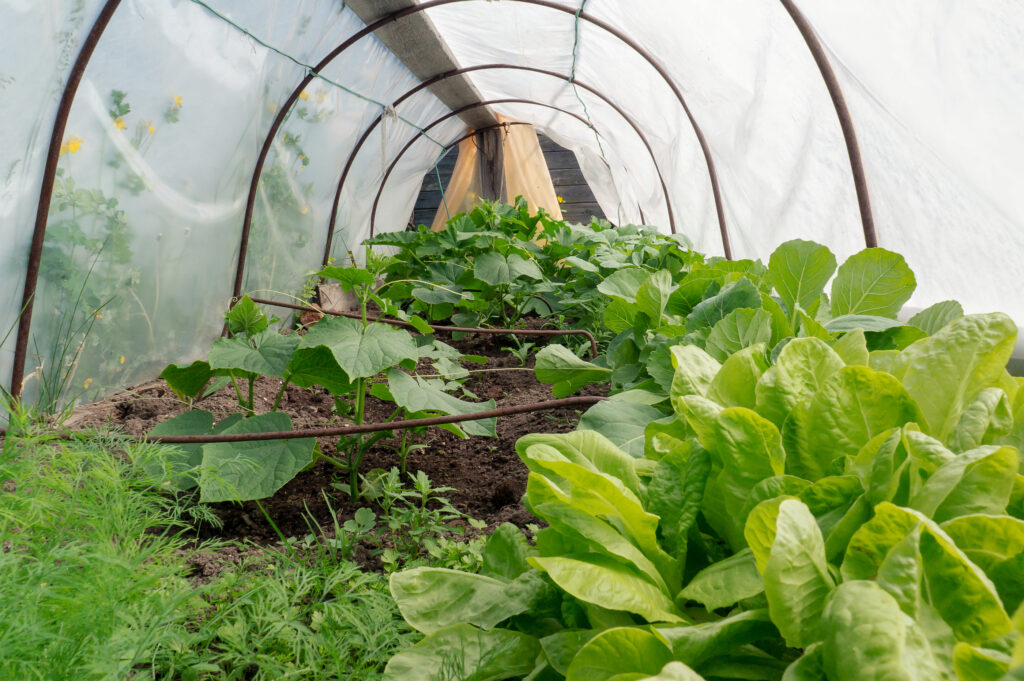
A hoop tunnel can protect plants and seedlings from seasonal temperature extremes in early spring and late fall, heat in summer, animals, and flying pests. Hoops can be covered with lightweight, translucent, spun-bonded polyester, plastic sheeting of varying weights, shade cloth, or bird netting.
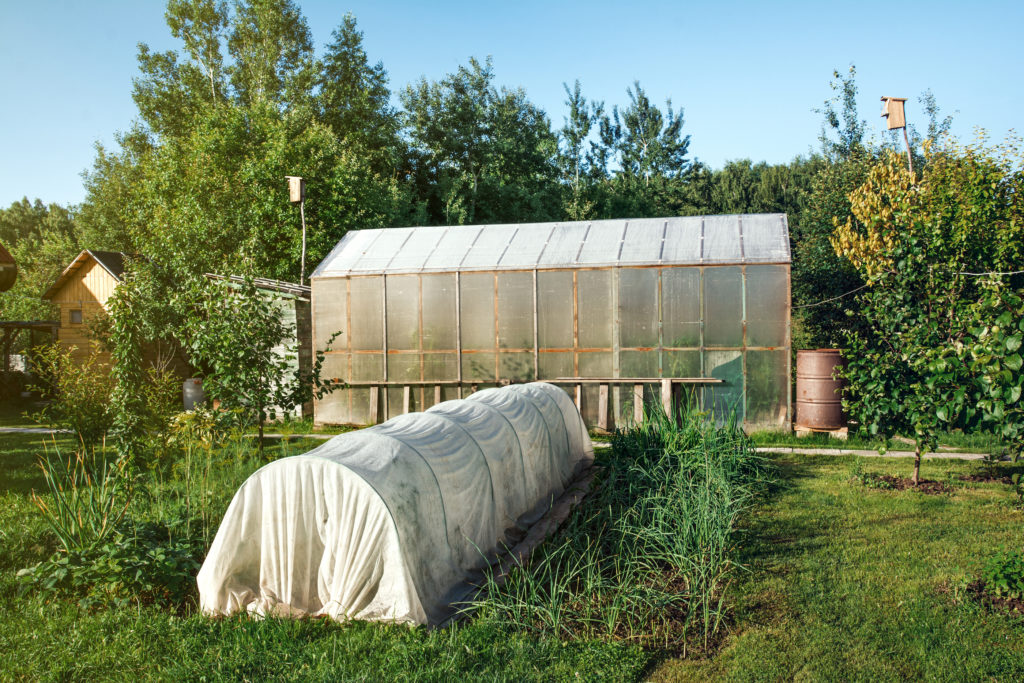
A hoop tunnel is often used as a sort of cold frame. It is an inexpensive, portable structure for extending the growing season. A hoop tunnel can cover an inground bed or a raised bed. There are also hoop tunnels large enough to walk. A large hoop tunnel can be used as a greenhouse.
Visit the Winter Garden and Season Extension Learning Hub
Benefits of using a hoop tunnel
Hoops made of plastic, fiberglass, aluminum, metal, or wire can be bent into tunnel-like sections or hoops and anchored in the soil. The hoops can be placed in series and then draped or covered with spun polyester row covers or plastic sheeting. Such a hoop tunnel can offer a number of benefits:
- By trapping heat from both sun and soil, the tunnel can protect plants from frost. A row cover hoop tunnel will elevate temperatures by 2° to 7°F. A plastic cover will elevate temperatures by 7° to 15°F or greater.
- The tunnel will warm the soil and the air in spring, getting plants off to q quicker start–earlier and faster germination, better root growth, and earlier-maturing crops.
- The tunnel can trap solar heat and maintain soil and air warmth in autumn, allowing plants to grow and mature while outside temperatures cool. A row cover or plastic hoop tunnel can extend the growing season by four or more weeks in autumn.
- Hoopes covered by row covers or plastic sheeting serve as a barrier for flying insect pests. Plants will not be eaten by bugs and diseases spread by insects will be excluded. Cabbage moths, root maggot flies, flea beetles, leaf miners, cucumber beetles, European corn borers, Colorado potato beetles, and potato leafhoppers can be kept away from plants.
- By placing 50 percent shade cloth over the hoops in hot weather, you can protect crops from heat and sunburn. A green shade cloth can lower temperatures by 3° to 6°F.
- By placing bird or deer netting over the hoops, you can protect seedlings and plants from birds and animal pests as well as cats and dogs.
Hoop tunnel frequently asked questions
Q: What is a hoop tunnel?
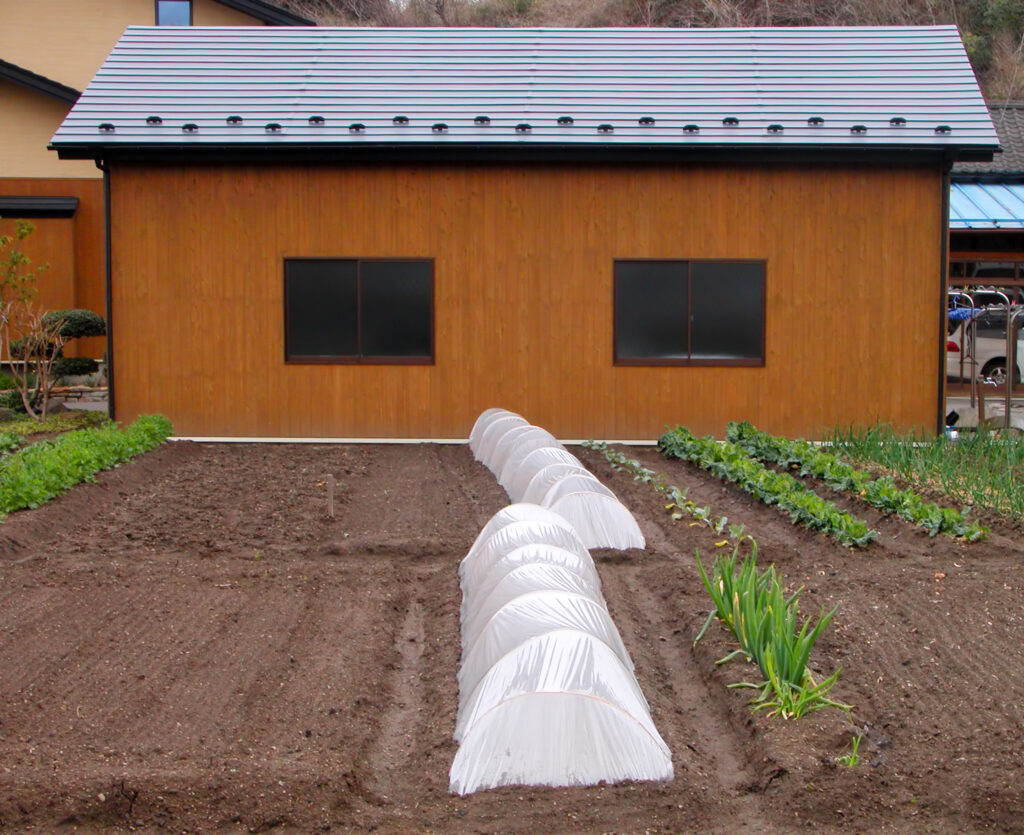
A: A hoop tunnel is a row of half-circle hoops over which various types of coverings can be draped. Coverings can be spun poly-row covers, plastic sheeting, shade cloth, or bird netting.
Q: Is a cloche the same as a hoop tunnel?
A: The word “cloche” is French for bell. In Europe, gardeners have long-covered plants with glass cloches. A cloche can also be made from plastic or fiberglass. Some gardeners refer to hoop tunnels as cloches. Winter hoop tunnels are often called plastic tunnels because the hoops are covered with plastic sheeting.
Q: How big should a hoop tunnel be?
A: A hoop tunnel should be large enough to protect the plants growing beneath it. A hoop tunnel can be a few feet tall to protect greens such as lettuce and spinach or root crops. A hoop tunnel to protect peppers and bush tomatoes would need to be 3 to 4 feet tall. A hoop tunnel can be tall enough to walk in.
Q: Is a hoop tunnel and a cold frame the same thing?
A: A hoop tunnel can be used as a cold frame. Hoop tunnels are usually quite portable. The covering can be folded up for transport or storage. The hoops can be lifted and moved easily. Cold frames are commonly made from wood, glass, or plastic and are less portable.
Q: Can I make my own hoop tunnel or do I need a kit?
A: Hoop tunnel kits can be purchased in different sizes and are easily assembled. The covering and hoops are often sold together. You can make a hoop tunnel using sections of hog-wire fencing curved to fit the planting bed and covered with a row cover or plastic. You can make hoops out of old coat hangers or heavy gauge wire. Lengths of 9-gauge wire are easy to work with and sturdy.
Q: What kind of covers are best for winter hoop tunnels?
A: Choose a heavy-weight spun poly row cover for the greatest protection from cold or use plastic sheeting of various thicknesses. The thicker the plastic sheeting the more protection it will offer crops from cold. Use 2 to 6-mil polyethylene or copolymer sheeting for the best protection (6-mil will last several seasons and provide the most warmth).
Q: Can I use my hoop tunnel all year round?
A: Yes. Different coverings can be used throughout the year. Use row covers in spring and autumn cool weather; use plastic sheeting in winter; use shade cloth during hot summers; use bird netting or animal netting to exclude birds and four-legged pests.
Hoop tunnel buying tips
- Choose hoops that are large enough to allow for plants to grow to maturity.
- You can purchase hoops and covers separately or you can purchase a kit with all of the necessary parts.
- Hoops must be anchored in the soil. Decide how your hoops will be anchored.
- Coverings must be fastened to the hoops otherwise they may blow away in windy weather. Purchase a kit with fasteners or purchase fasteners separately.
- Decide what kind of cover you will need — spun poly fabric (row covers), plastic sheeting, shade cloth, or bird netting. To use your hoop tunnel throughout the year, you may need each kind of cover.
- Walk-in hoop tunnels
- Hoops
- Row covers
- Plastic sheeting
- Shadecloth
- Bird netting
- Fasteners
Related articles:
Plastic Tunnels for Growing Vegetables
More Buyer’s Guides
Garden Planning Books at Amazon:
