


To prevent your plant from growing crooked, give it a quarter turn every week, so that it receives sun from all angles.
If you don’t have a lot of bright light coming into your home, you may need a grow light.
Temperature and Humidity
When kept in average indoor conditions, these plants will do just fine – they prefer a range of 60 to 72°F during the day, and a slightly cooler temperature at night.

Humidity needs to be above 50 percent, for best results.
Exposure to temperatures below 35°F can kill the plant.
Just make sure you avoid placing your living Christmas tree in a drafty location, such as near an exterior door or drafty window.
If you give your Norfolk Island pine outdoor time in summer, remember to bring it back indoors when the mercury falls into the 50s.
Soil
Norfolk Island pine can grow in soil with a slightly acidic, neutral, or slightly alkaline pH.
It grows natively in a sandy, chalky loam, and is tolerant of salty soils.
Use a well-draining potting mix that has some sand in it – the sand will help with drainage and provide stability, to prevent the trunk from leaning.
I like Tank’s Pro Coco-Soil Potting Mix for this purpose. It contains coconut coir for drainage and water retention, compost for nutrients, and it is peat-free.

Tank’s Pro Coco-Soil Potting Mix
It’s available for purchase at Arbico Organics.
Water
While living Christmas trees prefer moist soil, they are quite drought tolerant, as my own Norfolk pine can attest to.
After a stressful move one year, my plant was neglected and it was not watered for (I’m ashamed to say) at least two summer months, if not longer.
Its needles started to turn brown – including those of its growing tip – and my husband and I both thought it was a goner.

But before we relegated it to the compost pilewe decided to see if we could revive it. And amazingly, it rallied! It soon began putting out new, bright green foliage and looking quite happy and undaunted.
As a rule of thumb, water when the top inch of soil feels dry. These plants prefer moist but not soggy soil.
When it’s time to water, pour water evenly over the soil until it begins to run out of the bottom of the pot.
Younger plants will need more frequent watering than more mature trees.
If you’re not sure if you’re watering enough, look out for browning on the tips of branches – this often means the plant is being underwatered.
And once the days start to cool and winter arrives, your Norfolk pine should require water less frequently.
Fertilizer
Fertilizing twice a year is plenty to provide your plant with the nutrients it needs.
You can use a general-purpose houseplant fertilizer and apply during the growing season.
Or you can take a more natural, organic approach, like I do, by using worm compost tea to fertilize your plant. You can make your own worm compost tea from your worm castings.
TeaDrops are tea packets containing dry worm compost that are ready to use.
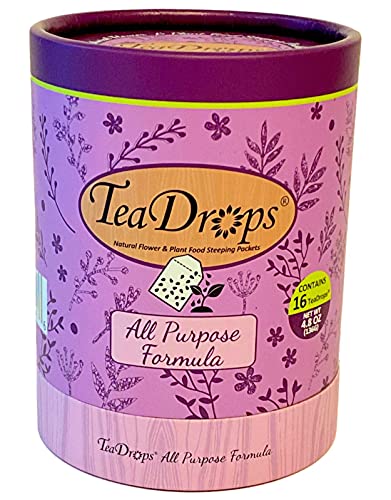
TeaDrops Organic Houseplant Fertilizer
You’ll find a pack of 16 worm compost tea packets from the Earthworm Technologies Store available via Amazon.
Where to Buy
These plants are available to purchase in a range of sizes, from table-top to floor sized.
When purchasing one of these festive conifers, keep in mind that the more outdoor time and fertilizer you give them, and the more often you repot them, the faster they will grow – and choose your size accordingly.

You can find two- to three-foot tall plants available at Fast Growing Trees.
Maintenance
Norfolk Island pines are truly low maintenance.
The branches of these trees aren’t as sturdy as those of a Phrases forand won’t stand up well to a heavy load of decorations.
So if you are hanging ornaments, limit them to those that are lightweight. Bows, ribbons, and lightweight glass ornaments make good choices.

The lower branches will turn brown and die as these plants grow. This is a normal process – you can remove them with a pair of garden snips or pruners.
However, it’s best to avoid pruning green growth since this can as it can affect the overall shape of the tree.
