

What to Grow: Choose Your Vegetables
Many different varieties of produce grow well in containersespecially when you take care to accommodate their mature dimensions, provide abundant sunshine, and closely monitor their water needs.
In addition, pay close attention to the recommended USDA Hardiness Zones and number of days to maturity, so that your chosen crops’ requirements coincide with your region’s weather.
Decide what veggies you most enjoy eating, and start by consulting seed catalogs to determine which types are naturally compact, or available in dwarf varieties for growing in pots.
One example is the wide and varied category of beans (Phaseolus vulgaris).
Instead of choosing sprawling pole beans that will require trellising, pick a bush bean variety that doesn’t need so much room.
Small versions of favorites are lots of fun.
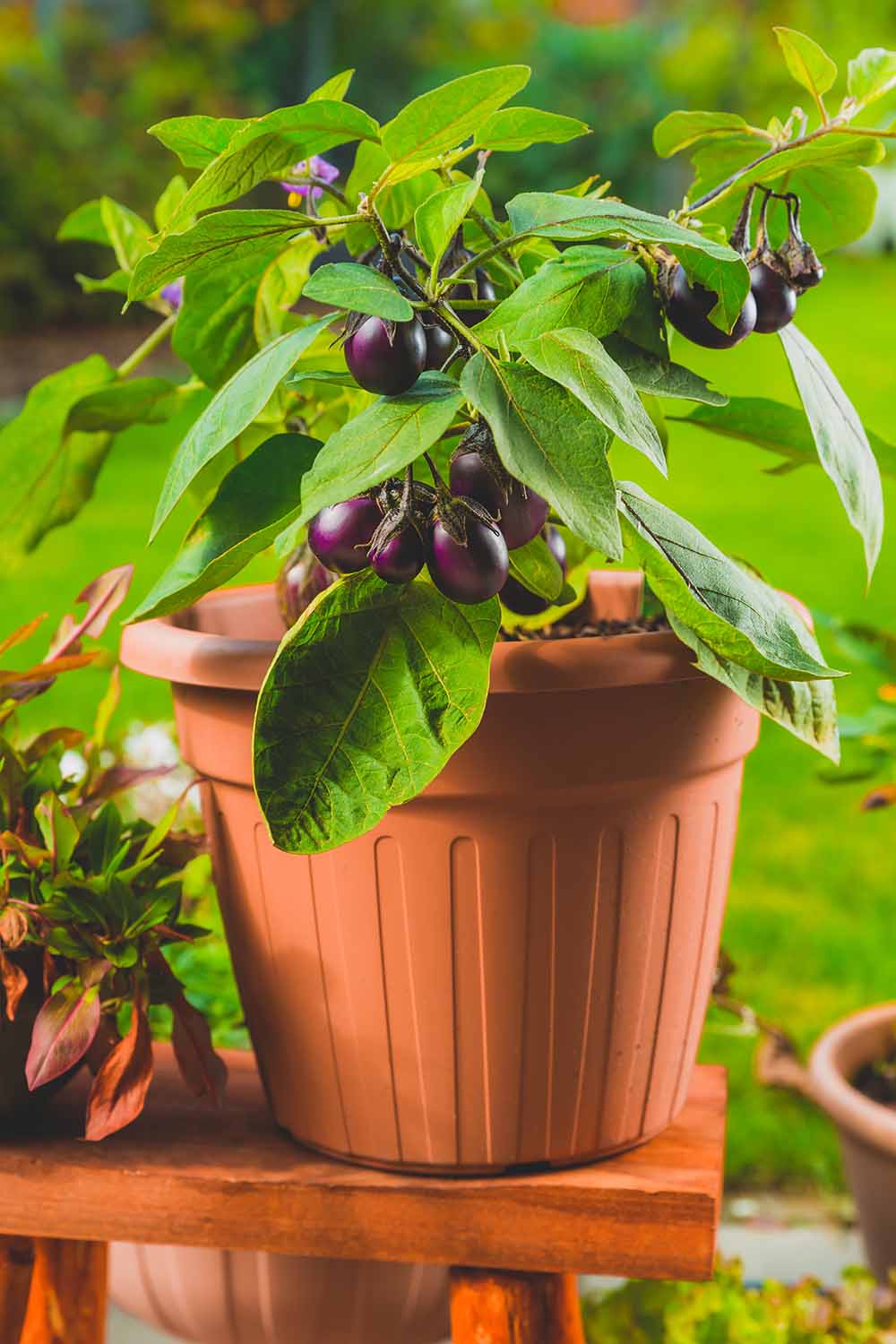
Eggplant grows well in containersand there are many types of eggplant from which to choose.
A cultivar to consider is Solanum melongena ‘Patio Baby,’ which produces two- to three-inch-long fruits on plants measuring about two feet tall at maturity.
Growing carrots in pots is especially easy when you select types like Daucus carrot subsp. sativus ‘Amsterdam,’ with roots that are ready to harvest at five to six inches long.
You can grow longer-rooted varieties, but you’ll need to ensure that your container is deep enough to accommodate their length at maturity.
You can generally expect 50 to 120 days to maturity. And did you know that you can even raise carrots indoors?
If you’re a fan of cool-season producelike juicy, succulent beetsyou’ll find these root crops to be another excellent container plant.
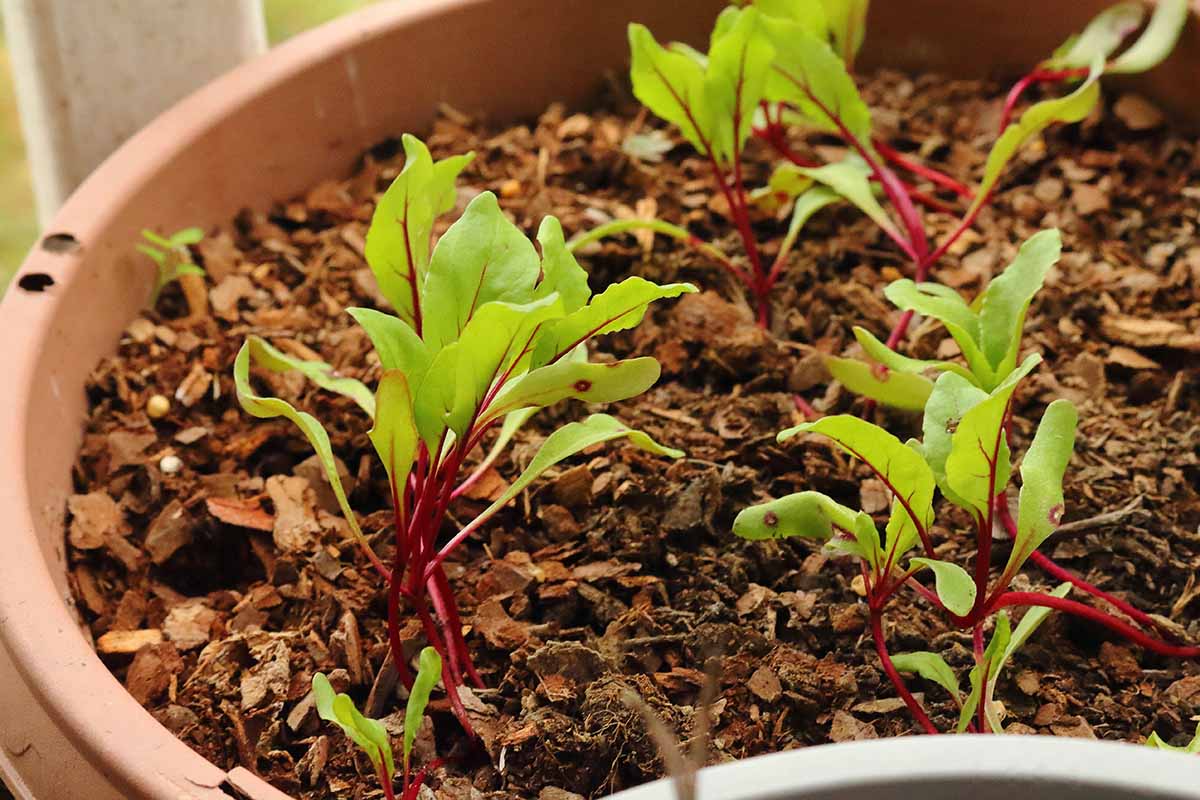
This is especially true with mini types like Beta vulgaris ‘Little Ball.’
At maturity, you’ll enjoy an abundant harvest of adorable one- to two-inch round beet roots.
And don’t forget to use the tender beet greens as a crisp and colorful addition to salads and sandwiches.
Learn more about how to grow beets in containers in our guide.
If you love crisp green cucumbers (Cucumber sativa) on a hot summer day, there is no reason why you can’t grow them in a pot.
Bush varieties are the best option, as they don’t require trellising. They reach mature heights of between two and four feet. The type you choose is entirely up to you.
If you’re a tomato lover, there are many varieties from which to choose that grow very well in pots.
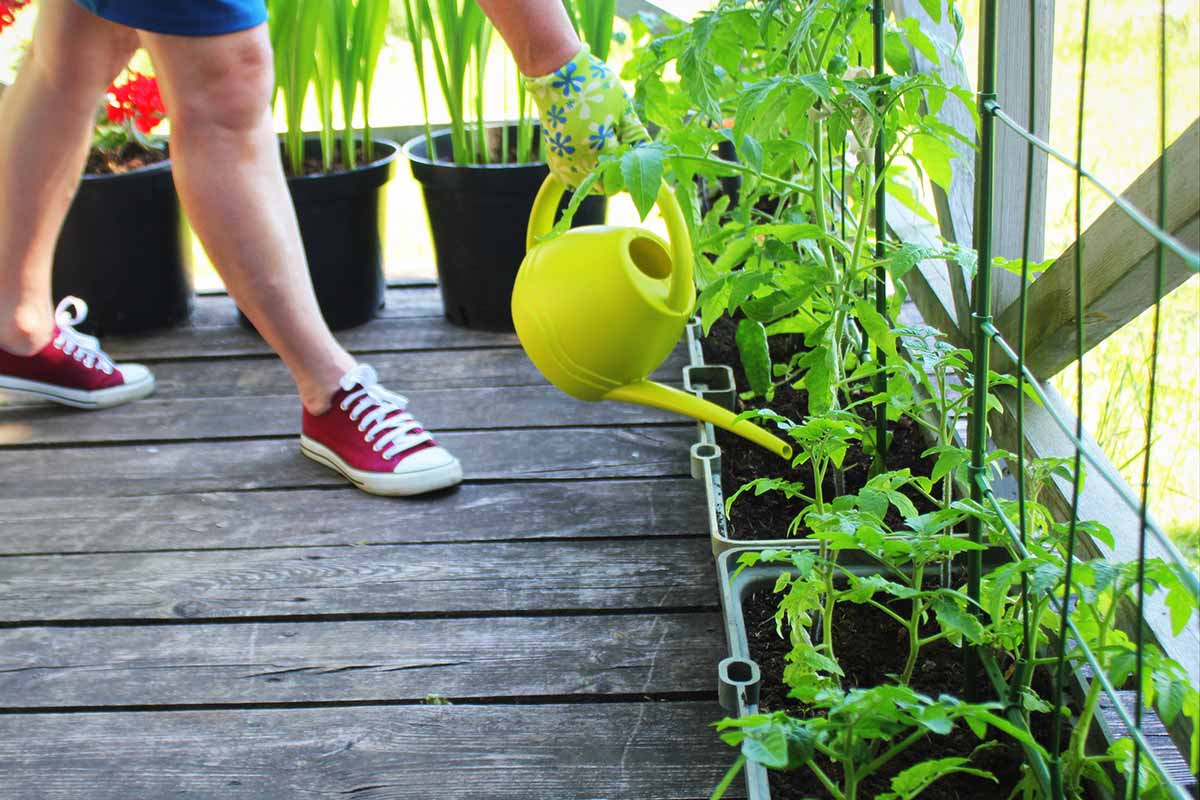
Imagine a vessel full of bite-sized cherry tomatoes right by the kitchen door, handy for snacking and tossing into salads.
Read all about growing tomatoes in containers here.
And let’s not forget leafy greens like chard and kalelettuce, and spinach. Or root crops like onions and radishes.
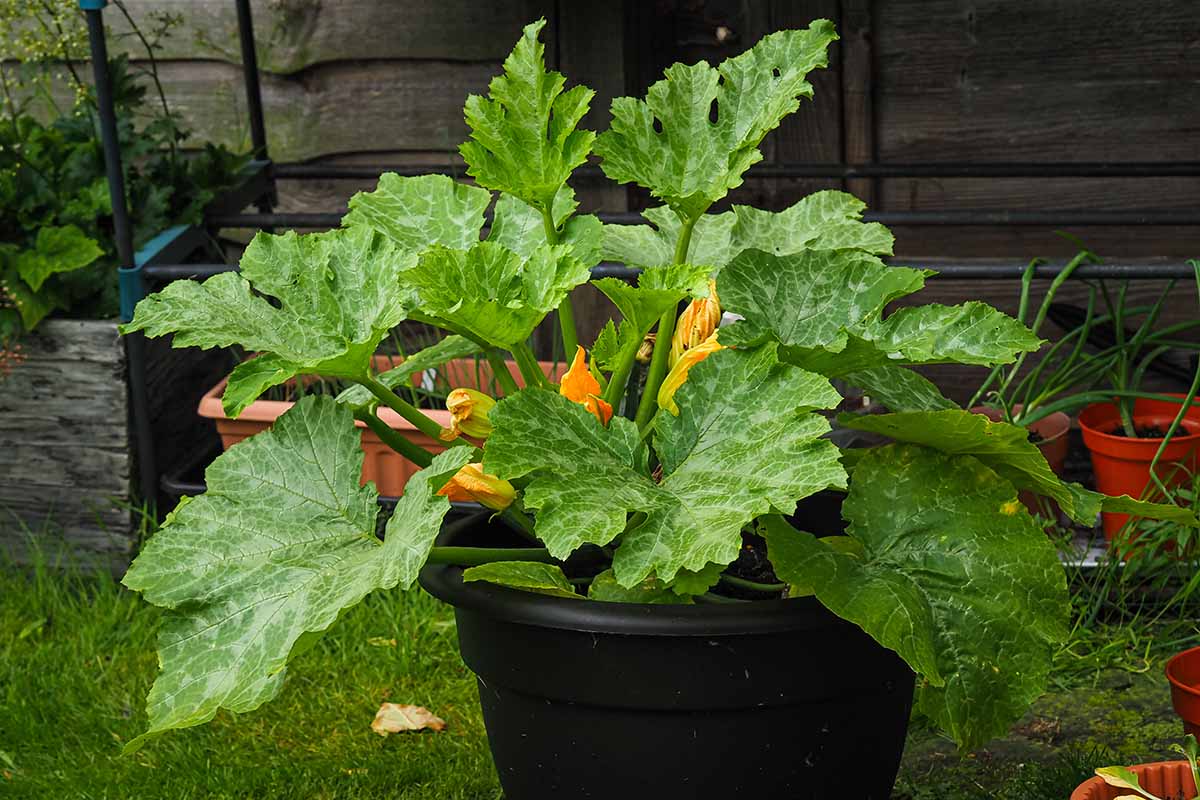
If you’re a zucchini lover, don’t worry about the huge leafspan of full-size varieties. There are many baby summer squash varieties with smaller profiles for potting up.
Avoid vining types, unless you are cultivating on a trellis. Opt instead for compact bush varieties with easy-to-harvest basal fruit.
Find our guide to growing zucchini in pots here.
Garlic is another container-friendly option to consider. Each plant needs a mere four to six inches in diameter and only eight to 10 inches of depth to produce firm and zesty heads.
Choose a hardneck cultivar with a stiff stalk to avoid floppy scapes that encroach on neighboring pots.
You’ll find all you need to know to grow your own container garlic here.
And finally, while they are not the easiest crops to cultivate, you might give broccoli or cauliflower a try. Compact and shallow-rooted, both of these cool-weather cruciferous veggies offer the option of both early and late season cultivation.
Learn to grow broccoli and cauliflower in containers in our guides.
Getting Started
There are lots of options that you can start from seedeither in seed-starting trays or directly in their pots. You can even start seeds indoors to get a jump on the growing season.
For even more time savings, get a head start by shopping for ready-to-transplant nursery seedlings and starts, either online or at your local home and garden center.
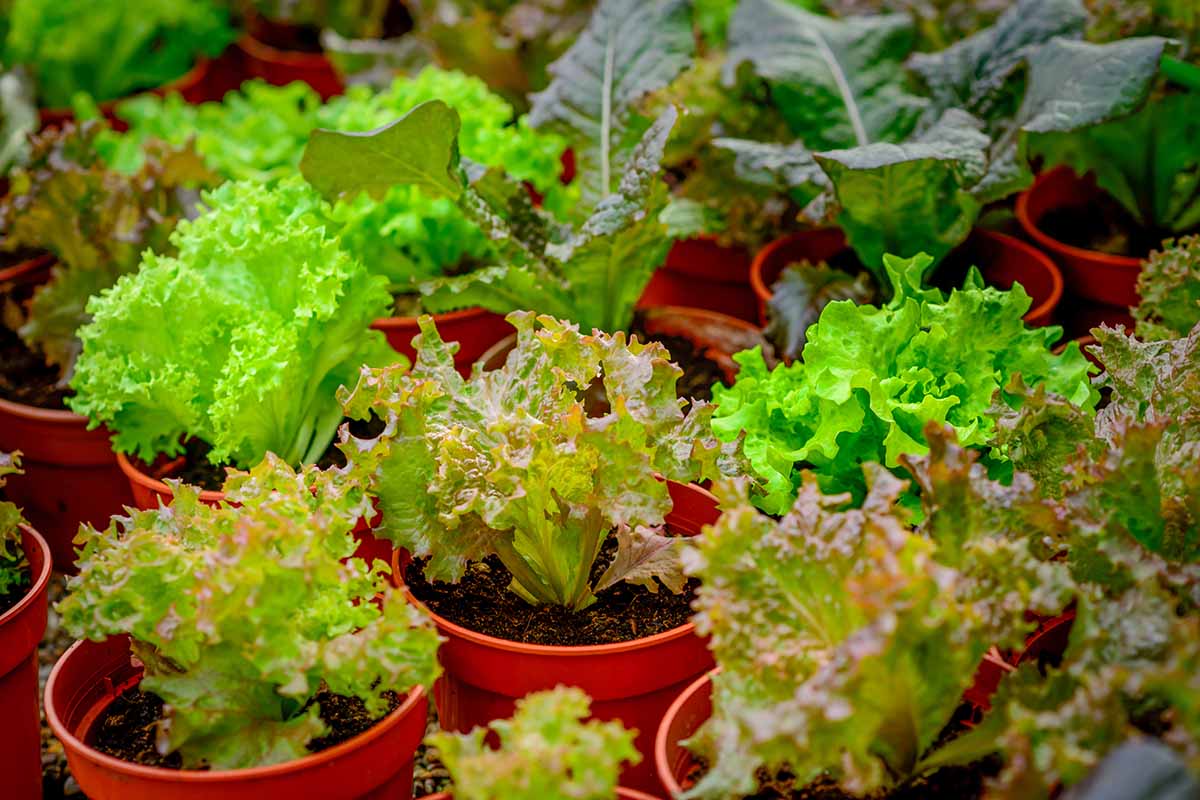
Once you know what you want to plant, use the descriptions of the plants found in catalogs, on seed packetsand on tags to learn the cultural requirements of each.
You’ll find details of their mature dimensions as well.
If you find you have several compatible plants with the same sun and water requirements, you may want to consider planting them in the same large pot.
And that is our next job – container selection.
How to Select Appropriate Containers
There are many different types of pots to considerincluding ceramic, wood, metal, and terra cotta.
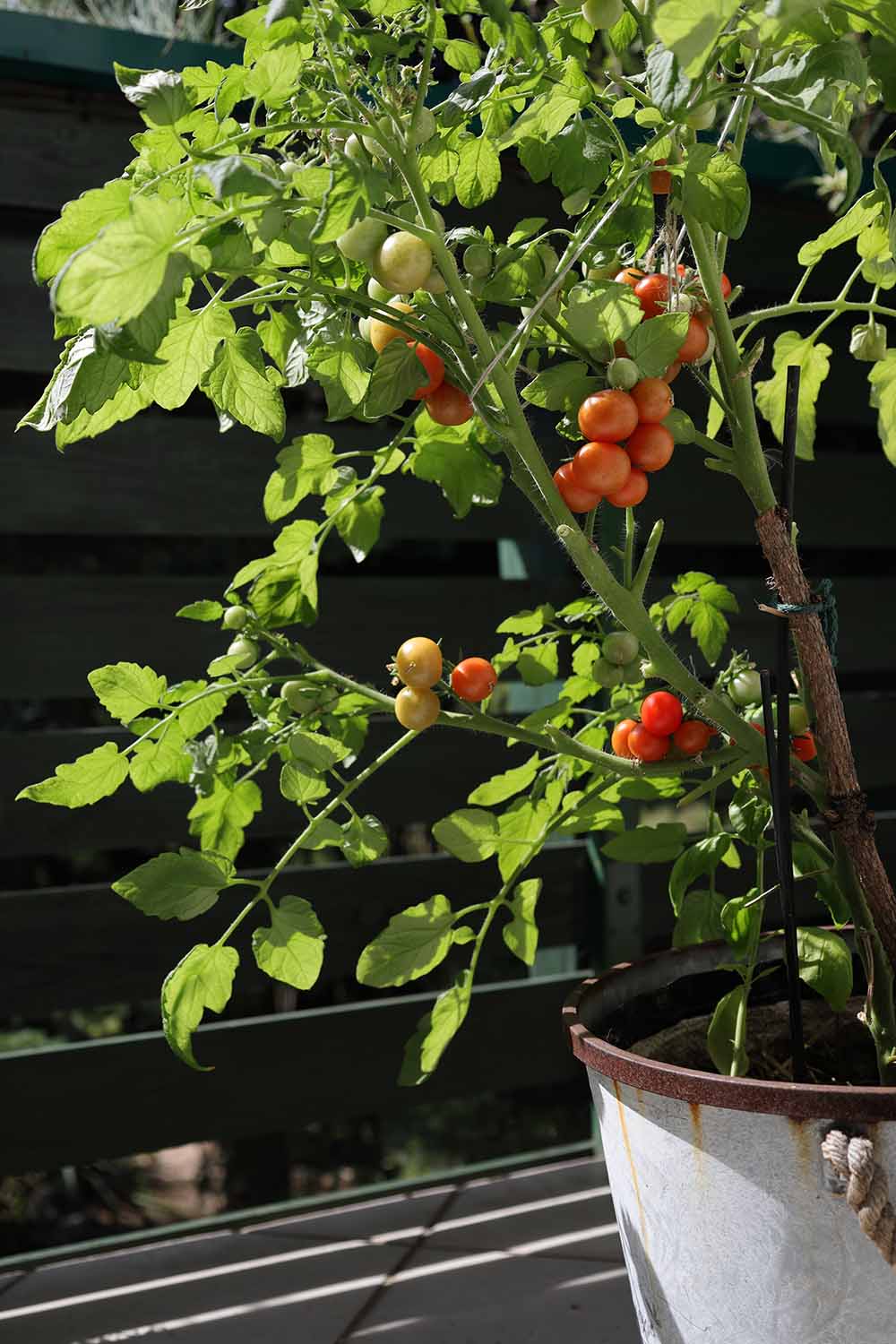
In addition to aesthetics, your choice(s) should be based upon the answers to practical questions, such as:
- Is the material intended for outdoor use?
- Can I leave it out year-round?
- Is it deep and wide enough to accommodate what I plan to grow?
- How heavy is it?
- Does it have adequate drainage holes?
Beware of hand-painted containers that may not be colorfast outside in inclement weather.
Along the same lines, if you live in a hot climate, you may find that plastic containers left outdoors fade and deteriorate over time.
And conversely, in colder regions, pots left out through the winter may crack.
Metal containers tend to become very hot in the summer months, and unglazed ones promote evaporation, both resulting in the need for more frequent watering.
So, what’s the best choice?
For my money, here in the Northeast, I like a plastic pot that is light enough for me to move around as I like.
