


2. Buy and Start Seeds
Some seeds need to be started indoors in late winter and most others in early spring.
If you order your supplies online and have them shipped, you’ll need to plan even further ahead.
When you have your seeds, look back at that plan you made and start sowing them in the ground, or in containers indoors in plenty of time to plant them out when appropriate.
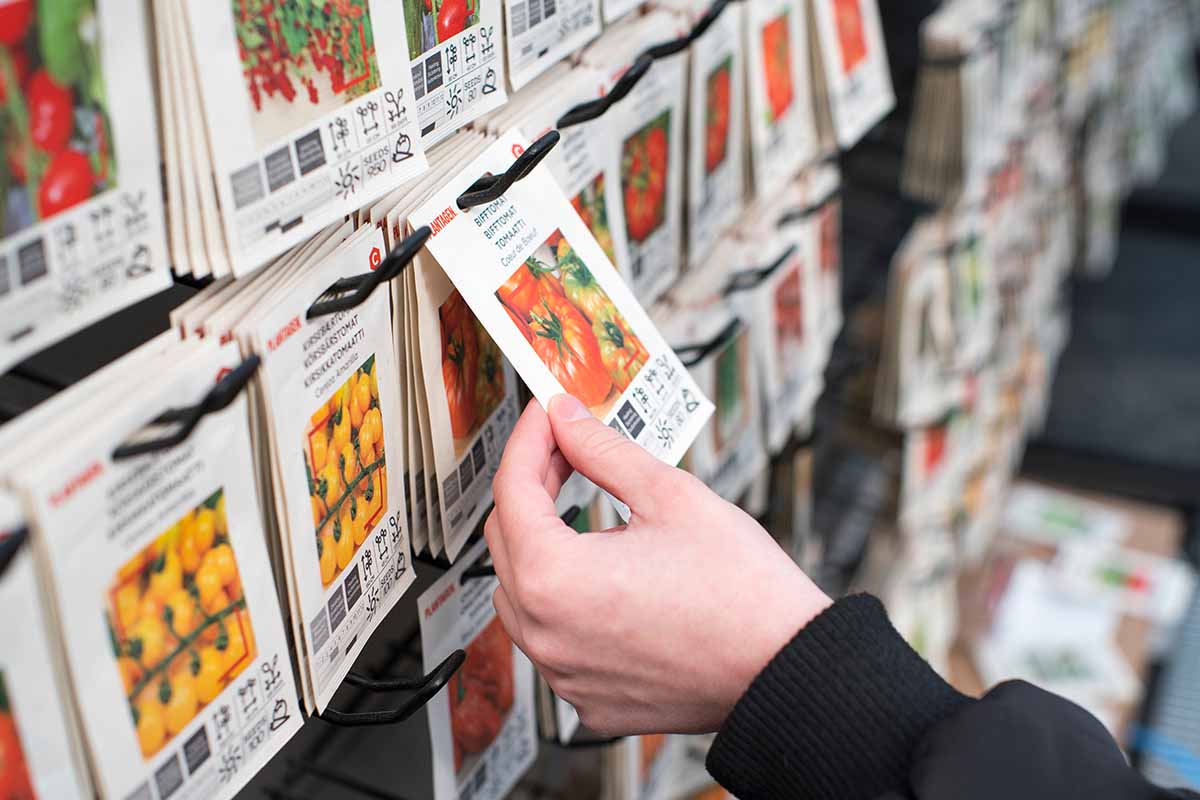
For example, if you’re starting tomatoesthe seeds should be sown indoors six to eight weeks before the last predicted frost date.
You might want to add an additional week for slow growers and allow time for hardening off.
If you order the seeds online, you might want to add an extra week for shipping, particularly during the holidays.
That means you’ll need to place an order ten weeks before the last predicted frost date.
3. Build or Repair Infrastructure
If you need to build any new beds or structures, do this as soon as the weather allows.
The most important consideration is light exposure. If you dream of growing big, beautiful dahliasyou’re not going to be very successful if you set up your garden in a shady area.
Spend a few days observing the sun exposure of the area you want to build in, and remember that the sun will change its position throughout the year.
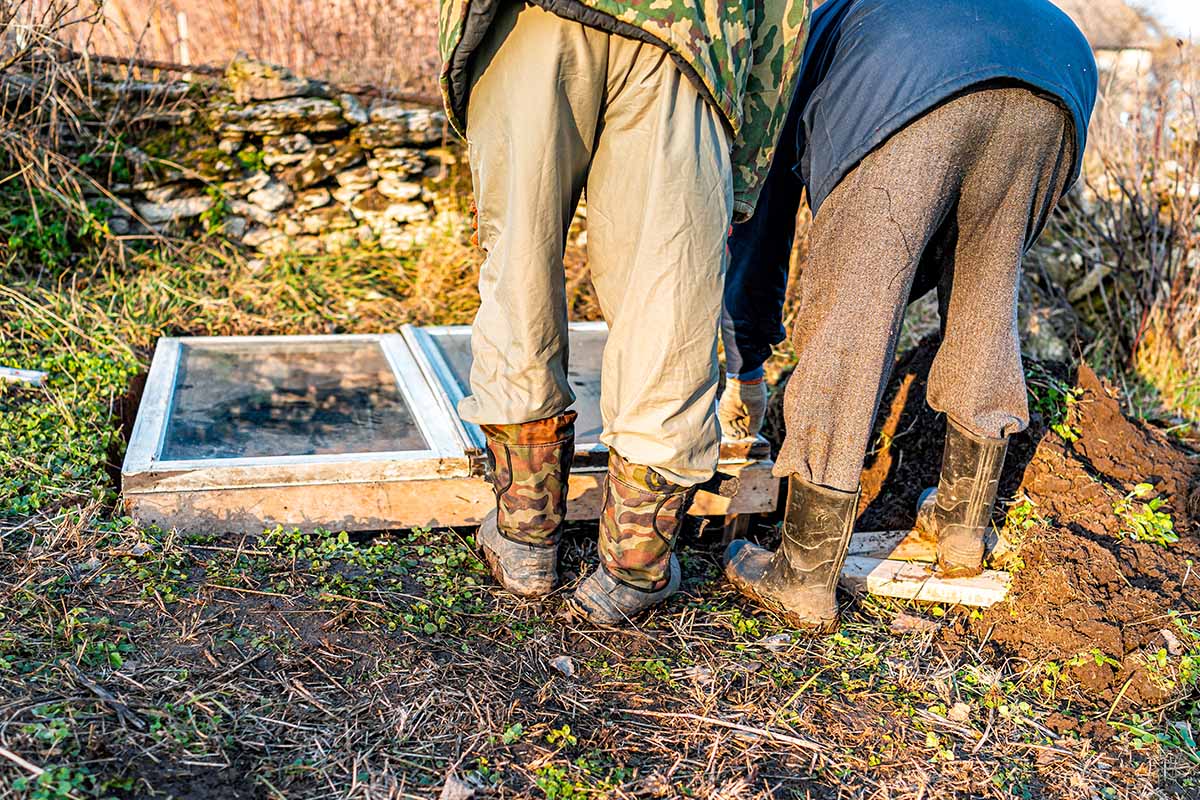
Over the winter months, rain, snow, and fluctuating temperatures can wreak havoc on fences and other garden structures.
Check your trellises, fences, raised bed walls, and any other supports or structures for signs of damage. It’s much easier to repair infrastructure before plants are growing in, on, or in front of them.
Look at your raised beds, greenhousecold frames, and other growing areas. Are they all clean and in good repair? If not, make a plan to have them fixed.
Clean out any drainage channels, low, pooling areas, or gutters that you have. Leaves and other debris can collect in these locations and prevent water from moving.
4. Prepare the Beds
If you skip any step, don’t skip this one. I know, we all get busy, and we can’t do absolutely everything that the professionals advise.
I have a job and other responsibilities, I don’t have time to do everything! But preparing the beds is non-negotiable.
It’s the basis of all the other work we’ll do in the garden, and you can’t have healthy plants without healthy soil.
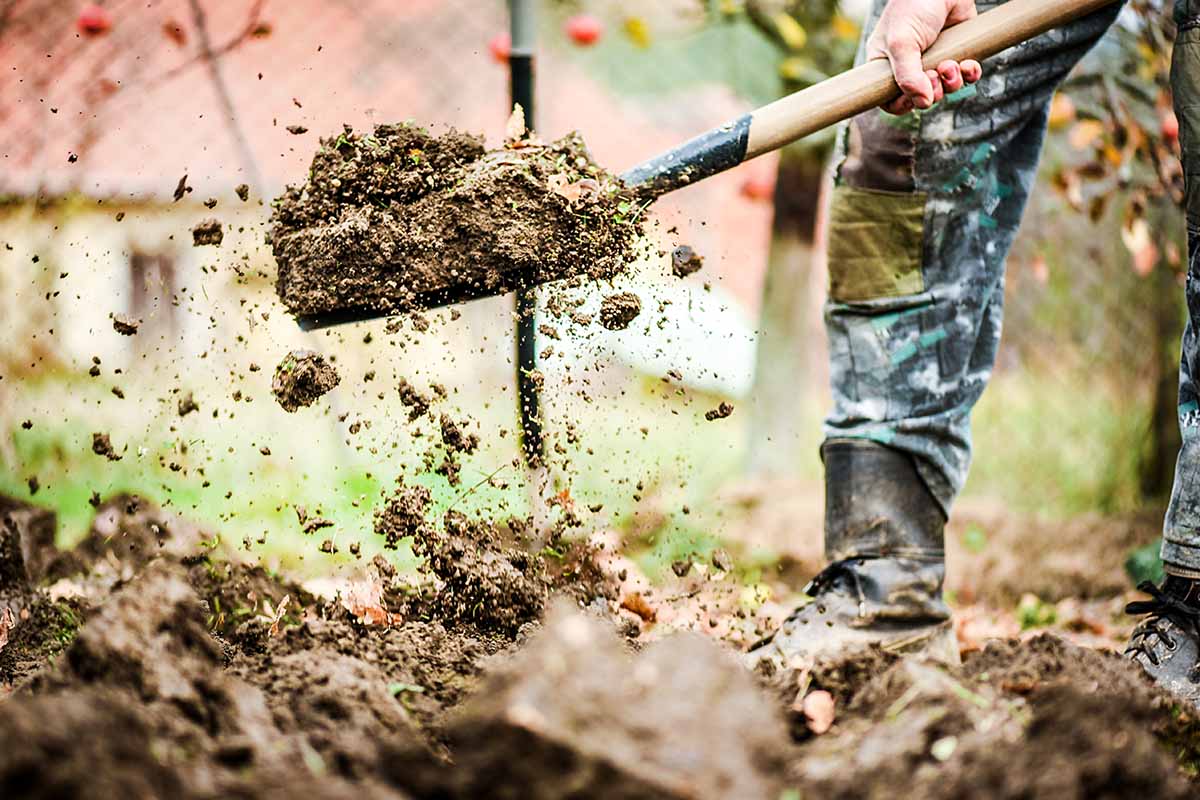
Get out there as soon as the soil is workable, and start working.
You don’t want to start too early because you risk compacting the soil, and that can be a death sentence for seeds and seedlings.
If the ground is still frozen, head back inside and pass the time by reading more of our articles about gardening or jumping to other tasks on this list until the timing is right.
