


I’ve been working in public horticulture for over 30 years now, and the battle with crabgrass is always a consideration when it comes to maintaining healthy lawns. The common, hairy crabgrass (Digitaria sanguinalis), a warm-season annual, can be challenging to manage successfully without a preemptive strike and the knowledge that you have a tight window for maximum control. The years that I’ve forgotten this “control window” is when I see a nice, dark green lawn become speckled with lighter green, wider-bladed grass that takes advantage of the warming soil and any thin spots. But with a battle plan in place, you’ll mitigate your crabgrass issues before they even begin.
How crabgrass spreads
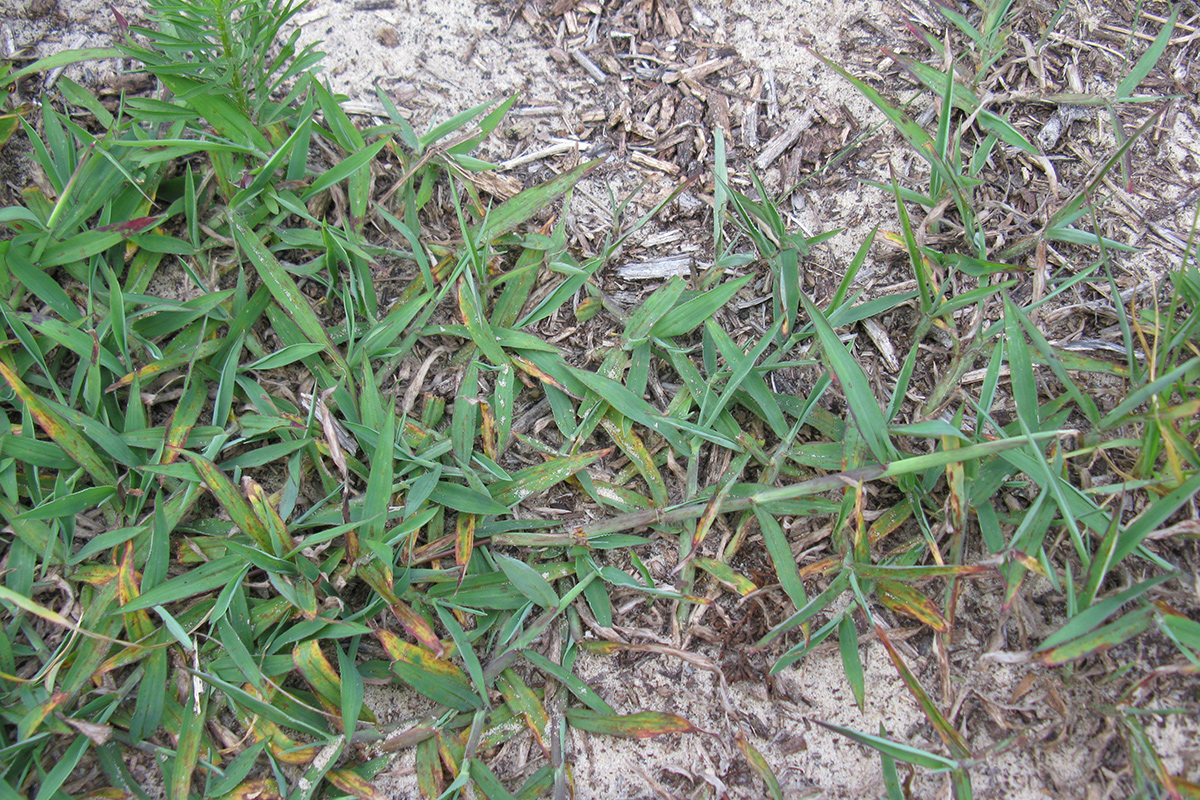
The good news about crabgrass: Because it’s an annual, in fall all crabgrass plants will die. However, the real danger is in its prolific reseeding (below mower height) that sets the table for the resurgence of another generation that will germinate when soil temperatures warm in spring. Light green leaves emerging among your turf in mid to late June are common indicators of crabgrass infiltration. The prostrate stems, featuring wide blades with hairs, have a bit of purple to them. The stems also tend to trail and root at the nodes. Your local Extension service or agent can likely help you positively identify crabgrass, but again, in the Midwest its germination is in spring after the soil reaches 55°F to 60°F for several days. This grass loves hot, humid weather, populates in weaker turf areas and openings, and revels in frequently irrigated areas.
Mitigate germination with your mower height
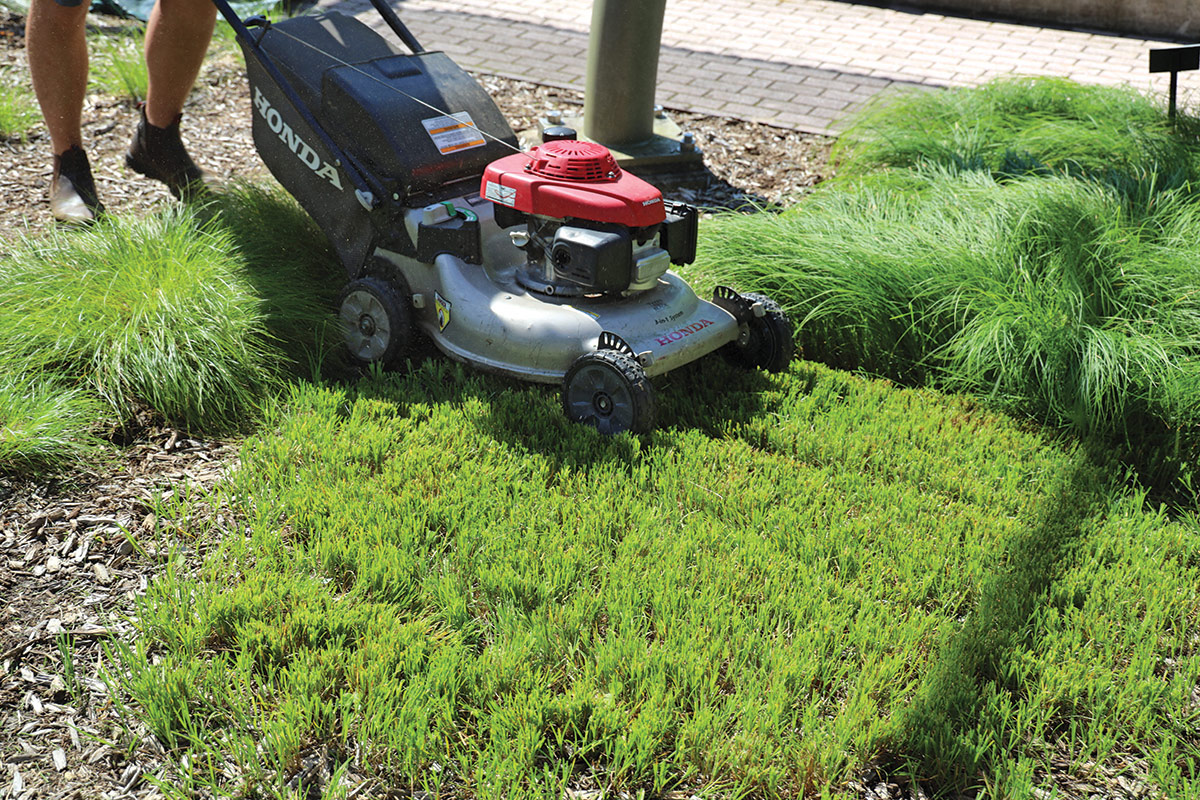
There are two very common approaches to turf care that will help mitigate the establishment and spread of crabgrass. This includes maintaining a thicker lawn and committing to a 3-inch elevated mower height. Longer grass will help shade out crabgrass, although that mowing height can be a challenging sight for those that prefer a shorter cut.
Properly apply pre-emergent herbicide
There are also chemical controls to consider, the most effective being a well-timed application of a selective pre-emergent herbicide for crabgrass control that inhibits seed germination, thereby thwarting the looming population boom.
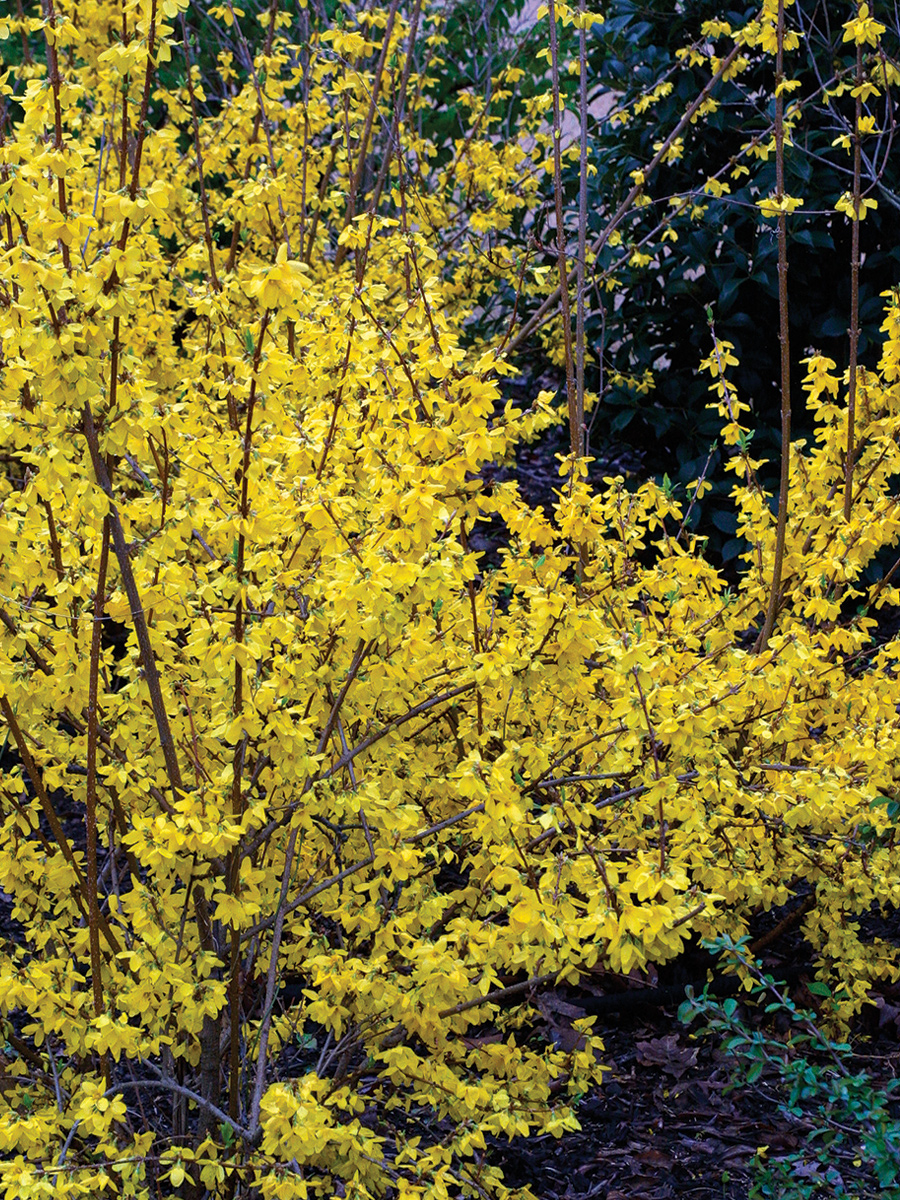
There are many chemicals on the market for this control and as a rule of thumb, application timing universally coincides with the forsythia (Forsythia sp., Zones 6–9) bloom window in April. Make sure you can identify a forsythia, of course, and keep an eye on that bloom time, which could have wide variability depending on how spring arrives. It is also usually recommended that you apply before an impending rainfall or supplement your own irrigation for activation.
Some of these pre-emergent products also have fertilizer, although I personally don’t find that component essential, as the timing is quite early for turf in general. I handle fertilization on a separate schedule (June and October). Keep in mind that a pre-emergent chemical for crabgrass will adversely affect the germination of other grass seed you’ve spread in that area.
Crabgrass is so difficult to control due to the length of the germination season, hence the need for that timely pre-emergent application. Hand-removal of smaller patches is certainly an option, but addressing the existing turf conditions of vigor and mowing height, as mentioned, will further help with successful control efforts that include that well-timed pre-emergent application.
Find more information on lawn care:
Discuss this article or ask gardening questions with a regional gardening expert on the Gardening Answers forum.
And for more Midwest regional reports, click here.
Mark Dwyer is the garden manager for the Edgerton Hospital Healing Garden in Edgerton, Wisconsin, and he operates Landscape Prescriptions by MD.
Fine Gardening Recommended Products
Medium Nut Wizard 14″ for English Walnuts, Chestnuts, Golf Balls
Fine Gardening receives a commission for items purchased through links on this site, including Amazon Associates and other affiliate advertising programs.
For nuts 3/4″ to 4″. For English Walnuts, Chestnuts, Red Oak, Buckeye, Large Pecans, Shotgun Shells, Golf Balls. For larger items (black walnuts) consider larger style.
Fine Gardening receives a commission for items purchased through links on this site, including Amazon Associates and other affiliate advertising programs.
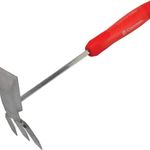
Dual working heads—2 tools in 1. Sharp hoe to break up clumpy soil. Cultivator for weeding. Package Weight: 0.34 kilograms.
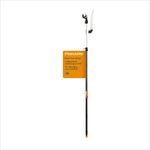
Fiskars 7.9-12ft Extendable 2-in-1 Pole Tree Trimmer & Pruner with Rotating Head and Precision-Ground Steel Saw Blade
Fine Gardening receives a commission for items purchased through links on this site, including Amazon Associates and other affiliate advertising programs.
IDEAL BRANCH TRIMMER: Tree pruner that extends from 7.9 to 12 feet; Lightweight aluminum pole weighing less than five pounds to help minimize fatigue; Ideal for cutting high branches, or making low cuts without bending or kneeling. MAXIMUM POWER AND PRECISION: Fiskars Tree Pruner with Low-friction coating helps to prevent gumming up with sap or debris; Chain-drive gearing mechanism that provides 3X more power; Secure double locking system ensures extended pole stays put. LONG-LASTING AND RELIABLE: Extendable tree pruner with steel blades stay sharp through heavy use and provide excellent durability for lasting value; Fiskars pruning saws for tree trimming are built to last. QUALITY GARDEN TOOLS: From tree pruners to garden shears to Tree Loppers, Fiskars garden and yard tools are equipped with smart technologies and award-winning, ergonomic features
INCLUDES: 1 Fiskars Extendable Tree Pruner with 15-Inch Double-Grind Saw (item 92406935K); Full lifetime warranty.
