The Yorkshire Estate’s Land Recovery Project

on

|

views

and

comments

That moment when you’re winding your way up to The Penny Bun inn in the picturesque village of Askwith in Wharfedale, England, car window down, breathing in all the beauty of the wild hedgerows, drystone wallsand patchworks of lush greens, and you are obliged to stop in your tracks for a carefree pheasant out on a very leisurely stroll? It’s a reminder to slow down, to reconnect with nature, the heart of everything at Denton Reserve.

Set within 2,500 acres of spectacular Yorkshire countryside, this estate has embarked on an ambitious journey to re-imagine, re-wild, and regenerate the land in a bid to tackle the climate crisis, improve biodiversity, and restore balance for generations to come. Rooted in the local, its intent is global. And armed with long-term vision and a profound sense of purpose, the entire Reserve team, supported by members of the neighboring communities, are rolling up their sleeves and pitching in—because the future starts today.

We visited two of the five main properties on the Denton estate in May: the recently opened Denton Hall, a Grade-1 listed Georgian Manor, and The Penny Bun, a 150-year old inn—both redesigned by architecture practice BOX9. We were greatly impressed by both the scale of the undertaking and the thoughtful attention to detail. (For a tour, read our story over on Remodelista.)

Here, we take a closer look at the land recovery project, as the Reserve celebrates some exciting milestones, including the creation of a beaver enclosure, the appearance of nightjars, and the promise of honey from black bees…

Photography by Sean Knott, Lucy Franks and Jake Easthamcourtesy of Denton Reserve.
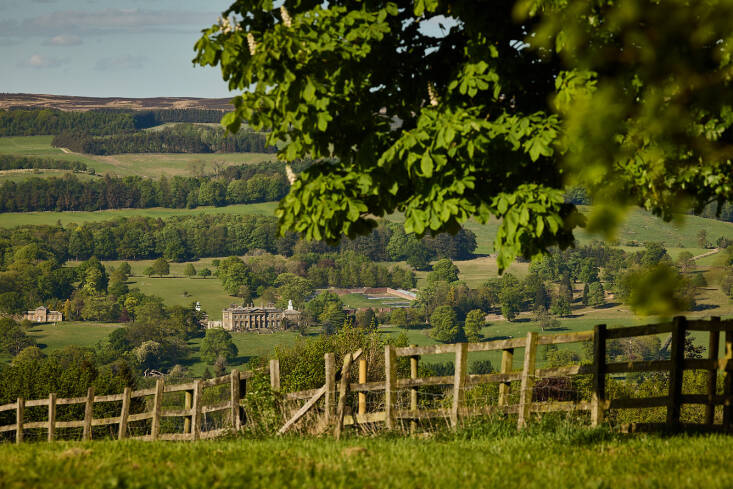
Focusing on three key interrelated areas of action—carbon reduction, food production and nature—Denton Reserve has decided to
Above: Focusing on three key interrelated areas of action—carbon reduction, food production and nature—Denton Reserve has decided to “rethink everything” in order to create a new flagship model for land management and rural hospitality that will benefit both people and the planet.
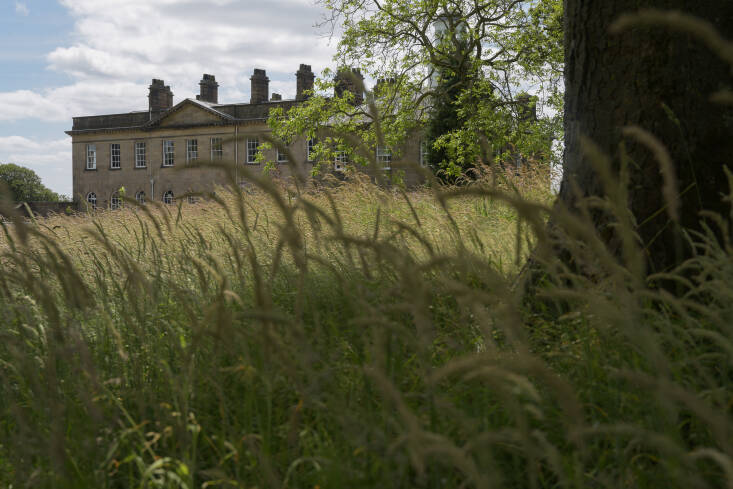
By prioritizing nature, adopting soil-friendly farming methods, regenerating its woodlands, moorland, upland pastures, and arable land, and re-inventing agricultural properties, the Reserve aims to restore balance and harmony.
Above: By prioritizing nature, adopting soil-friendly farming methods, regenerating its woodlands, moorland, upland pastures, and arable land, and re-inventing agricultural properties, the Reserve aims to restore balance and harmony.


Share this
Tags

Must-read

Vegetable Storage: Best Practices | Southern Exposure Seed Exchange

There’s nothing like enjoying vegetables straight from the garden. However, we often have more vegetables that we can use at once. To keep our...

Plant These Microgreens after Thanksgiving and Serve Them at Christmas

Microgreens pack intense taste and vitamins into their first tender leaves, harvested young for maximum punch in small servings. Microgreens are the early stage...

How to Plant, Grow, and Harvest Parsnips: A Complete Guide

Sharing is caring! Parsnips are cool-weather biennials grown as an annual. Parsnips taste best if brought to harvest in cool weather. The parsnip is a...

Recent articles

More like this

LEAVE A REPLY

Please enter your comment!
Please enter your name here