


While the following sections of this article will explore specific species that can be included in our chosen example of a cherry tree guild, keep in mind that your climate and soil conditions may be better suited for different plants.
Once you have a basic understanding of the important components, you can easily adapt these recommendations to your specific conditions and preferences, or to accommodate other types of fruit and nut trees.
Nitrogen Fixers
Nitrogen fixers are plants that have roots which are colonized by a specialized group of prokaryotes, including several varieties of bacteria including Azotobacter, Rhizobiumand Bradyrhizobium species.
These bacteria work in symbiosis with plants by taking nitrogen from the air and converting it into a usable form for plant growth.
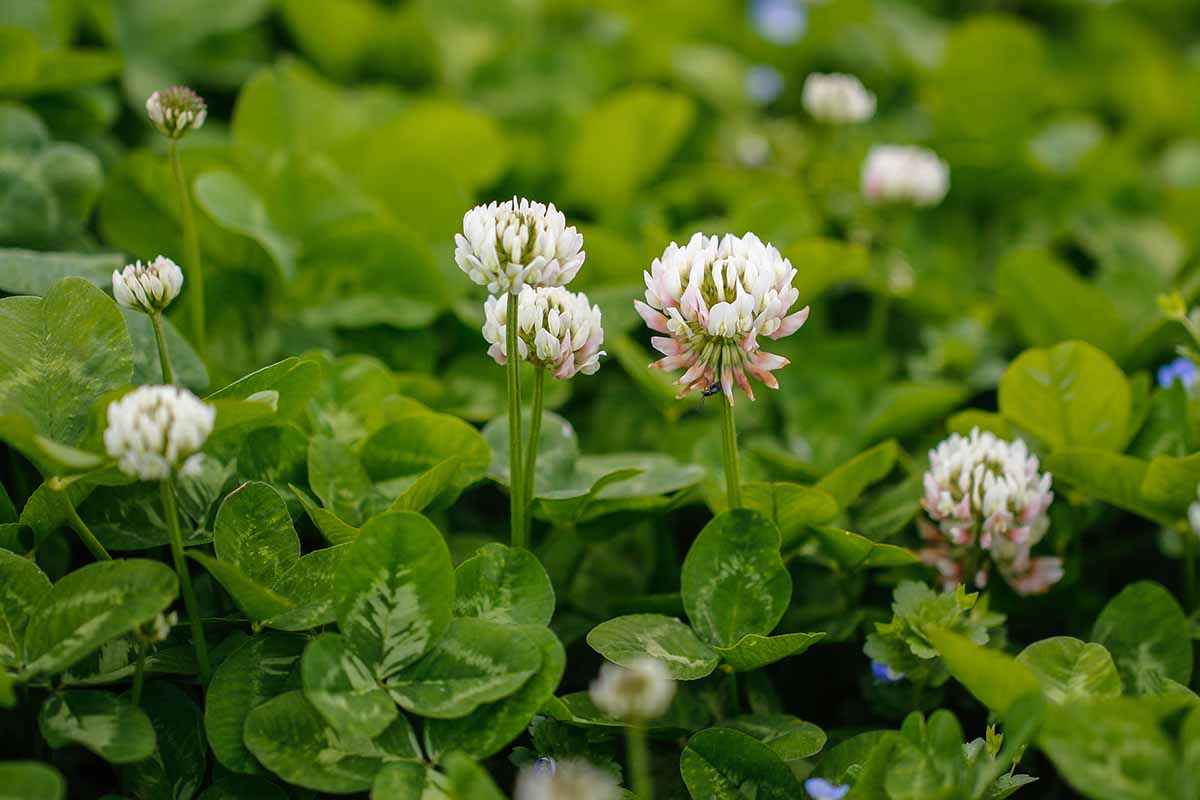
There are a number of plant species that fix nitrogen, including most of the members of the Fabaceae (legume) family.
White clover, alfalfawild lupines, fava beansand sweet peas are all fantastic choices.
In general, it is useful to consider plants that may serve multiple roles, as mentioned previously.
For instance, white clover fixes nitrogen and also provides a living ground cover, protecting the soil and helping to retain moisture.
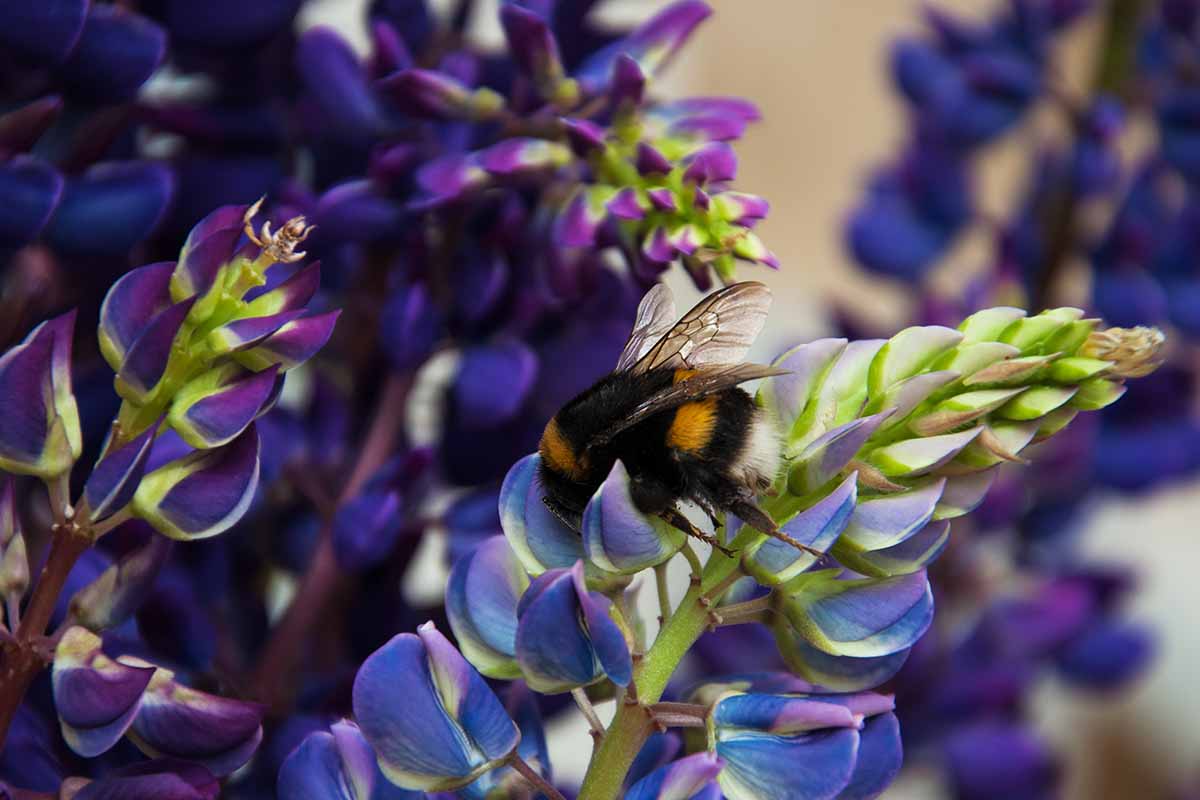
Fava beans are also edible, and wild lupine attracts pollinators when it is in bloom.
You can also choose to include young nitrogen-fixing shrubs such as the Siberian pea shrub (Caragana arborescens)goumi (Elaeagnus multiflora), or Senna species, planted in the same hole or immediately adjacent to a newly planted cherry tree.
In terms of maintenance, you will just need to continue pruning back the shrub to about half the size of the tree.
After about five years or so, once the shrub has served its purpose of providing extra nitrogen to the young sapling, you can remove or relocate the shrub to avoid crowding out the tree.
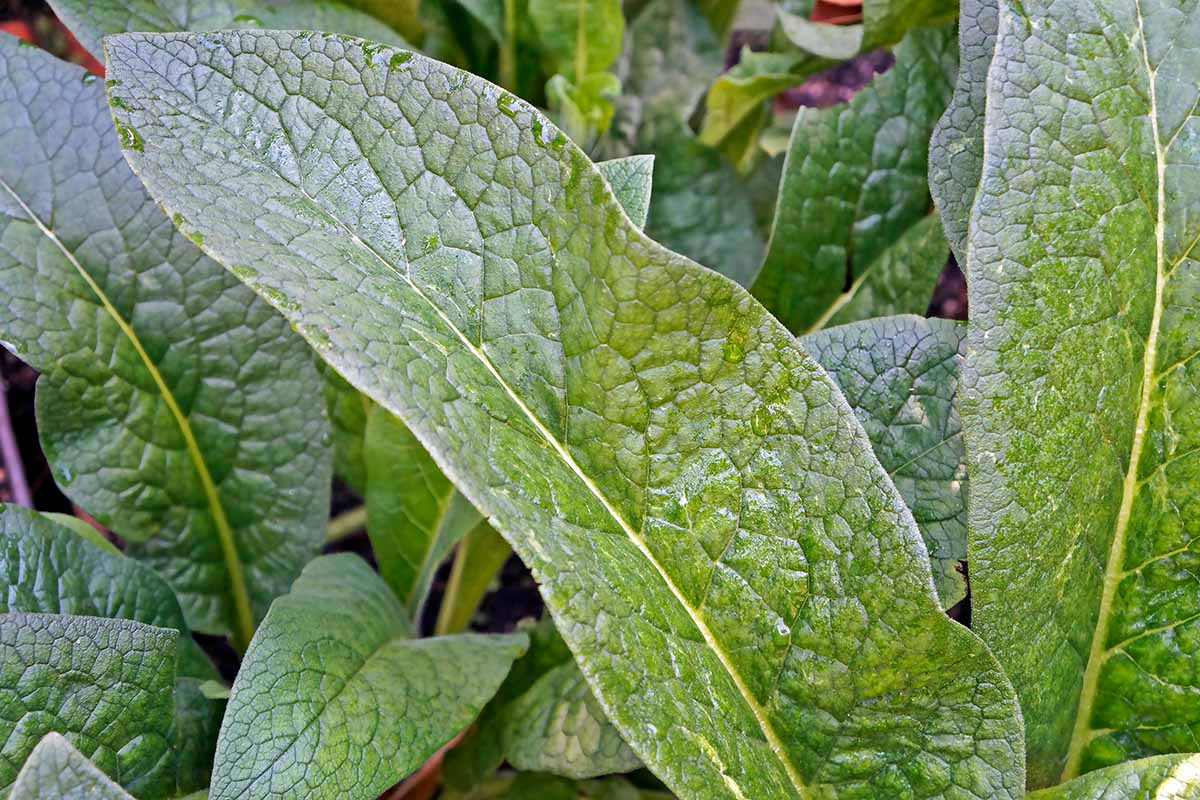
Some herbs have deep roots that can draw various nutrients from the soil into plant tissue.
Comfrey, licorice, dandelionyarrow, plantainand chicory are all useful nutrient accumulators to incorporate into your design.
Tip: In general, try to seek out perennials or self seeding annuals. This way, you only have to plant them once!
Bring on the Pollinators
It is important to encourage beneficial insects that can improve pollination of your plants and eat pests.
Many flowering herbs attract pollinators to the garden.
Daisieslupines, chivesyarrow, fennel, sweet alyssum, oreganoand dill would all work well planted with a fruiting cherry.
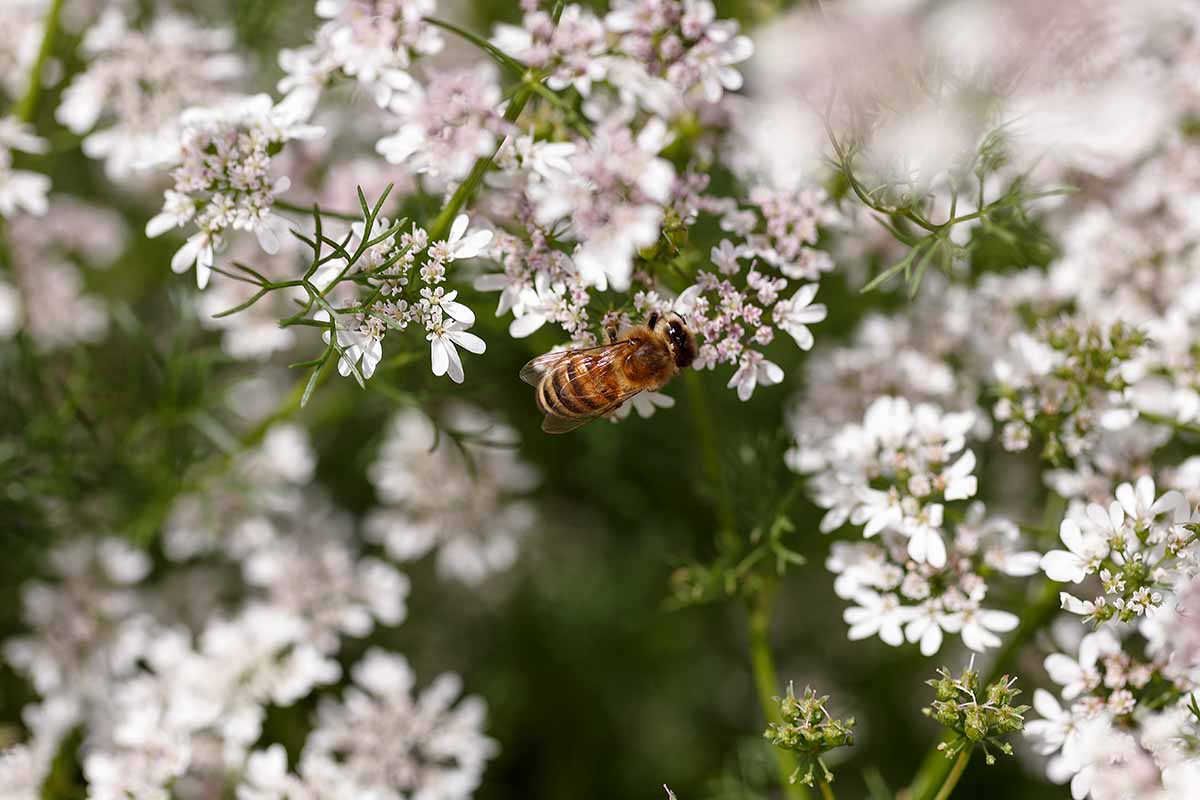
Corianderangelica, clover, and dill all attract lacewings and hoverflies that like to eat pear and cherry slugs as well, offering these benefits to a cherry or pear guild.
Repel Pests
In addition to attracting insects that will be happy to make a meal of certain insect pests, certain plants can be grown to repel pests as well.
Peppermintlemon balm, and nasturtiums are examples of herbs that may help to repel insect pests.
Keep in mind that peppermint and lemon balm both grow and spread aggressively.
Be sure to space plants back several feet from the base of the tree, and prune regularly to keep them from crowding out young saplings.
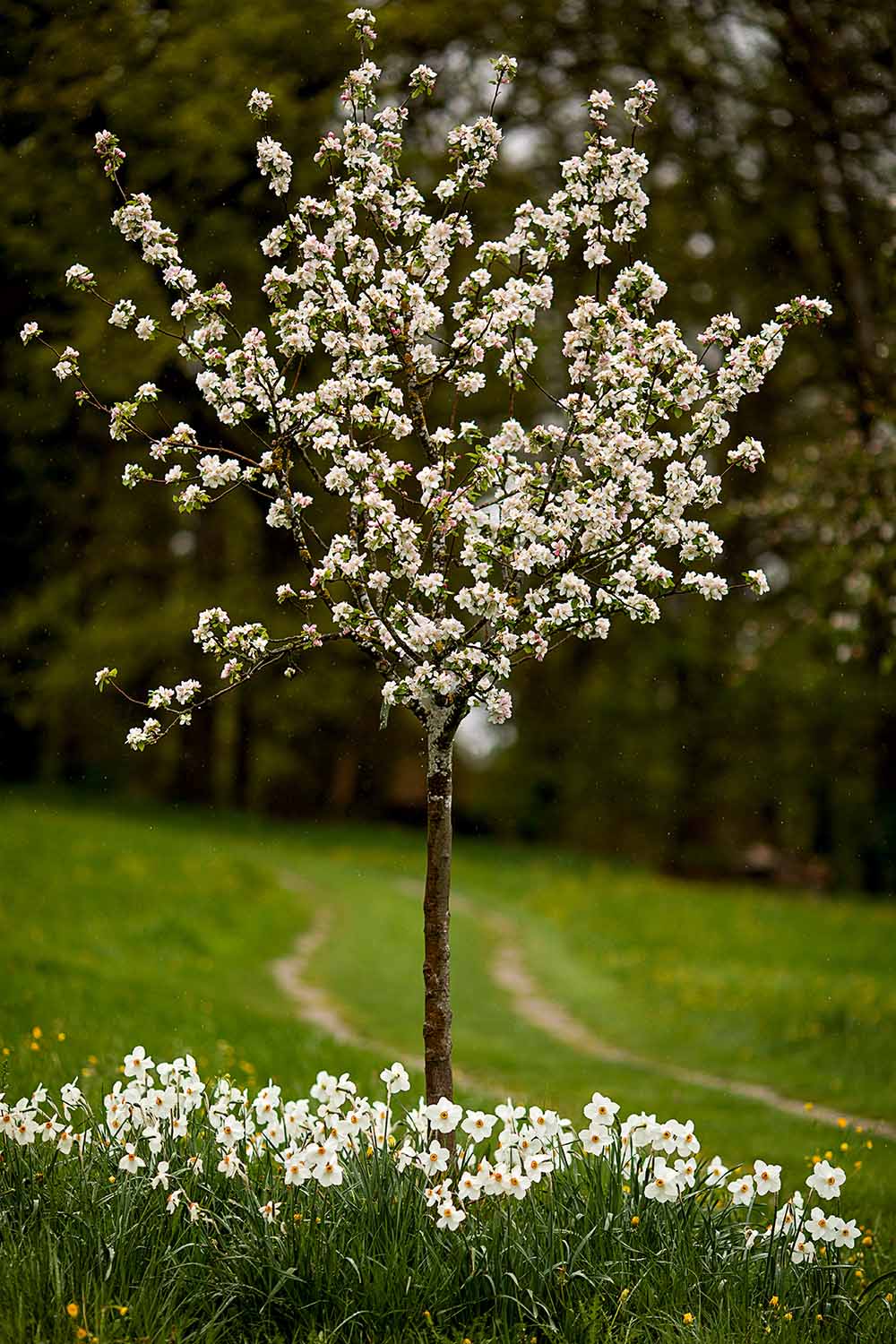
Incorporating garlic or daffodils in a ring around the edges of the planting area will help to deter larger herbivores like deer and rabbits.
Soil Builders
Soil builders are plants with large leaves or dense foliage that can produce organic matter, improve the structure of soil, and make mulch.
Try rhubarbcomfrey, borageclover, rapeseed, alfalfa, or Austrian winter pea.
