


What If Greenhouses Were Designed for People, Too?
Between where I live and the city of Boston, there is a stretch of towns that were once defined by glass. Waltham. Lexington. Places where commercial greenhouses were not niche operations, but economic engines. That industry has been quietly disappearing for decades now. Some structures are gone entirely. Others remain as skeletal reminders of what used to be viable.
I love greenhouses. I always have. And watching this slow decline—still unfolding—has made me think hard about why so many of these places struggle, even when the appetite for plants, beauty, and seasonal connection has never been higher.
Just down the road from my house is a modern glasshouse with adjacent polytunnels. I’ve filmed work there. I know the people. I know they’ve tried to make it work by following the standard playbook—retail, wholesale, floristry, seasonal crops. They’ve narrowed their offerings, shuttered parts of the business, and settled into a familiar pattern that often precedes closure. I hope they succeed. But I also recognize the trajectory.
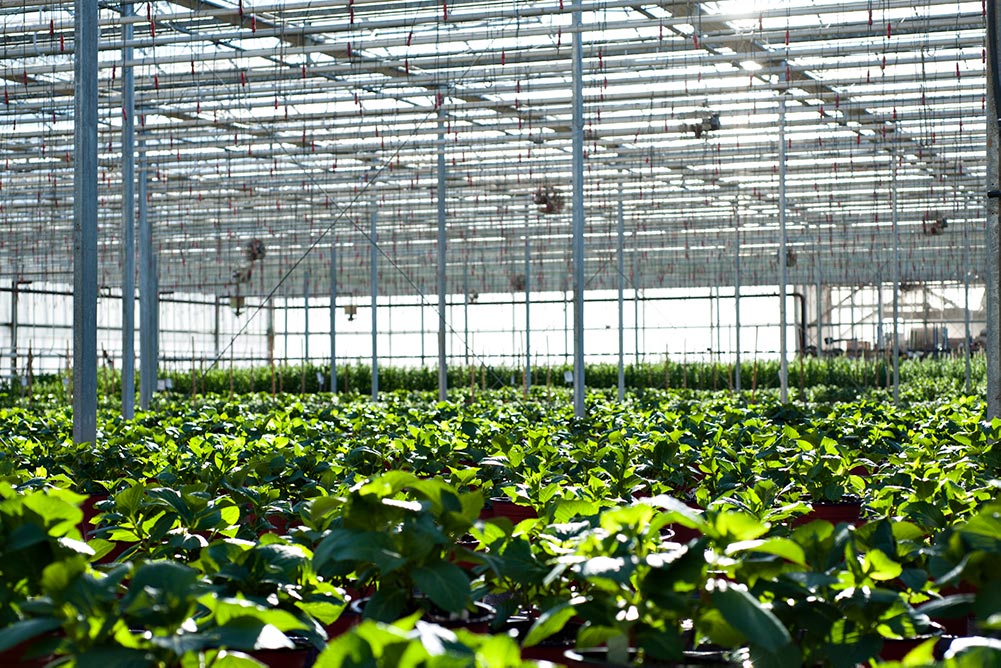
And every winter, at the most expensive and precarious time of year for these operations, I find myself wanting to go inside.
Not to shop.
To be there.
I want warm air and light. I want the smell of soil and irrigation. I want to stand among growing things when everything outside is dormant. I want what the plants want.
Which made me wonder whether the problem isn’t demand—but imagination.
Reimagining Greenhouse Design
What if greenhouses were designed not only as production and retail spaces, but as places for people to inhabit?
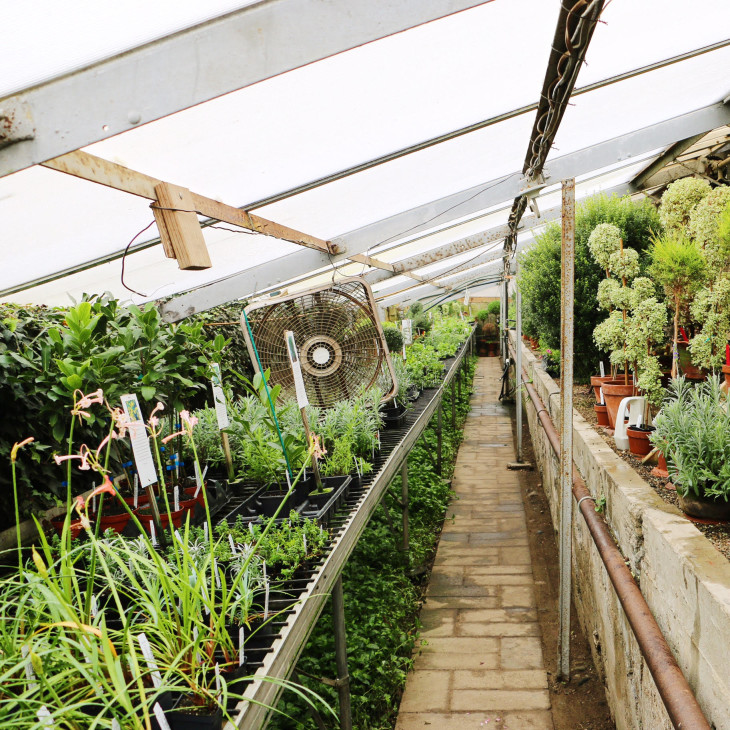
Instead of the familiar central aisle flanked by benches and tertiary veins, what if circulation moved to the edges? Wide enough to walk. Or run. Or linger. What if those paths functioned like an indoor track—light-filled, warm, alive—used by people who need movement and daylight in the dead of winter?
I would pay for that. Happily.
I’d choose that over a fluorescent gym with televisions blaring the news. Over a mall that no longer knows what it’s for. Over any space that feels sealed off from seasons rather than immersed in them.
And while I was there, I’d be surrounded by plants I could buy. I’d see what’s coming into season and what’s fading out. I’d feel connected—not just to the environment, but to the business itself.
Add a simple coffee stand. A few tables. A rotating vendor or two—bread, jam, cheese—set up along widened paths. Let greenhouse staff continue working as they already do, within view, part of the experience rather than hidden behind it. None of this requires elaborate construction or heavy staffing. Some places could even begin with compacted earth paths.
This is not a radical reinvention. It’s a reframing.
Greenhouses already heat, light, and maintain an environment that people crave for half the year. They already hold space, infrastructure, and expertise. What they often lack is a model that acknowledges how deeply humans want to be inside these places—even when they’re not buying a flat of annuals.
I’ve never brought a client into a greenhouse—at any time of year—who didn’t want to come back. Not because they needed something. Because the space itself did something to them.
That response is not accidental. It’s biological. Cultural. Seasonal.
We talk endlessly about multi-use spaces in cities—libraries, parks, streets—but rarely apply the same thinking to horticultural infrastructure. Yet greenhouses are some of the most emotionally resonant spaces we have. They hold light in winter. They stage time. They make growth visible.
This isn’t about abandoning production or retail. It’s about expanding purpose.
Think less single-use business plan.
Think more civic asset.
Some greenhouses will survive by narrowing focus. Others might survive by broadening it. By recognizing that what they offer isn’t just plants—but atmosphere, rhythm, and refuge.
We’ve been designing these places almost exclusively for what moves across benches.
It may be time to design them for what moves through them.
images by kelly fitzsimmons and rochelle greayer.
