


When gardeners grow it in the garden, they either choose a spot under long-living tree species like sugar maples or tulip poplarsor they use shade cloth.
11. Golden Oregano
Golden oregano (Oregano vulgaris ‘Aureum’) is a cultivar of the more familiar species, but its yellow leaves prefer to be tucked away in a shady spot rather than in the full exposure traditional oregano prefers.
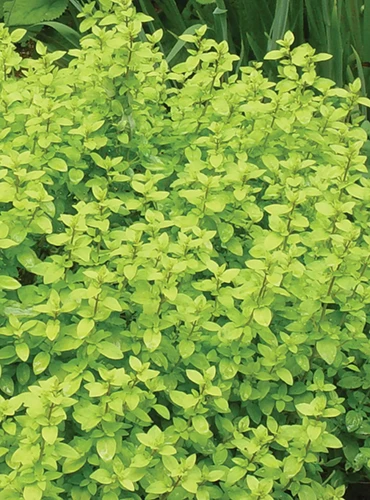
Otherwise, it needs the same conditions, grows in Zones 4 to 9, and can be used in the same way.
Burpee has live plants that you can bring home to your herb garden.
Check out our guide to growing oregano.
12. Goldenseal
Growing in forest understories across North America, goldenseal (Hydrastis canadensis) is a victim of its own success.
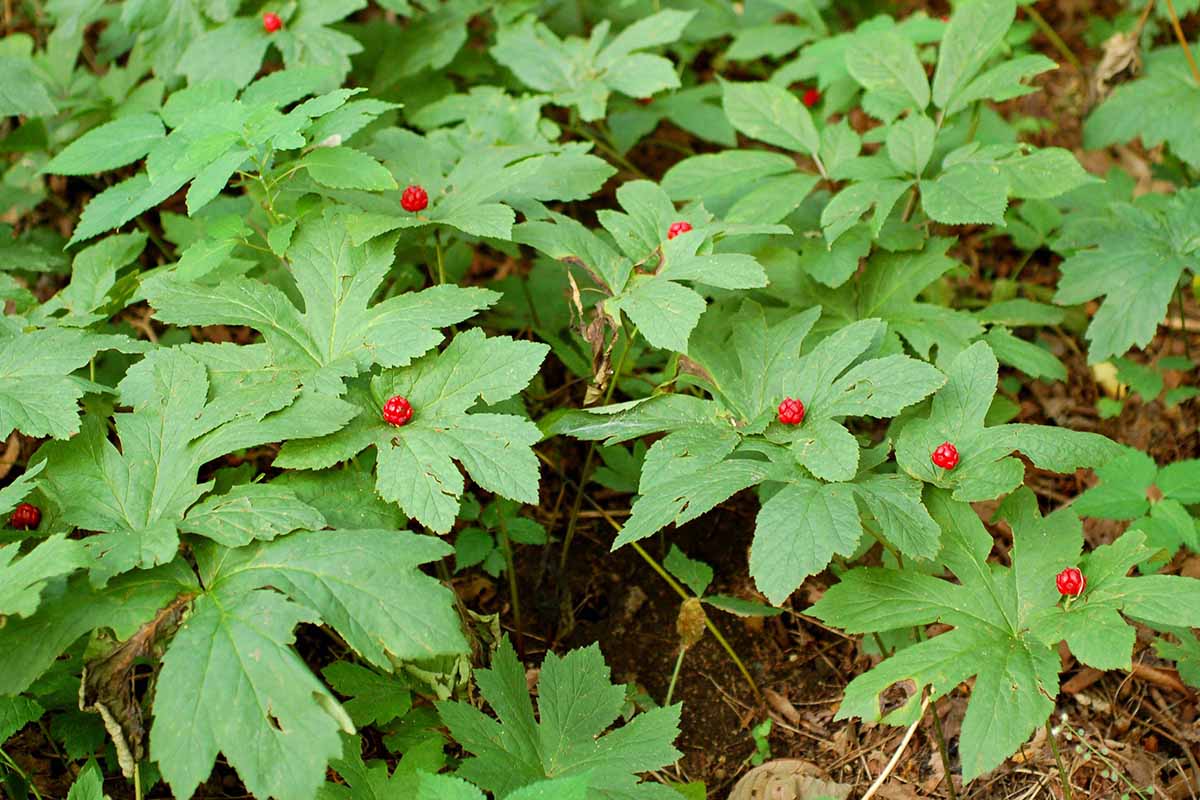
It’s such a popular medicinal herb that it’s on the brink of extinction in its native habitat. Help the poor species out and grow some in your own space.
Hardy in Zones 3 to 8, the foliage alone is lovely, but the pretty red berries add a pop of color to those darker areas.
Learn more about goldenseal and how to add it to your garden.
13. Lemon Balm
Every time I brush up against the foliage of lemon balm (Melissa officinalis) in my garden, it’s like an injection of summertime straight into my brain.
But even though the scent is what I imagine sunshine smells like, the herb itself doesn’t want that much exposure.
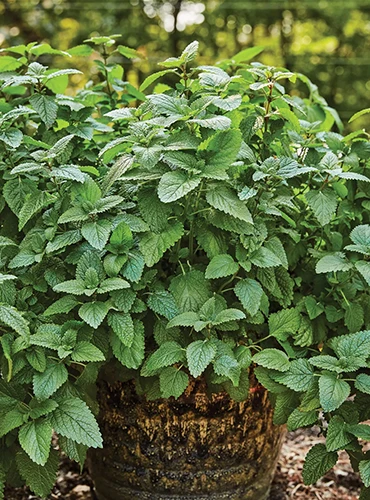
You can grow this mint relative in Zones 3 to 12, so pretty much anyone in North America can enjoy the summer scent.
Burpee has both live plants and packets of 700 seeds available.
You can find cultivation instructions in our growing guide and learn how to make lemon balm tea here.
14. Miner’s Lettuce
Miner’s lettuce (Claytonia perfoliata) is often dismissed as a weed and ignored as an herb garden option, and that’s such a shame, because it rocks.
Some “weeds” have a merely tolerable flavor – certainly not something that you’d cultivate and build recipes around. But not miner’s lettuce.
It’s worth intentionally growing like you would basil or spinach.
The leaves have a thick, crisp texture that crunches pleasantly between the teeth. The leaves and flowers taste like bean sprouts and spinach had a marvelous baby.
Beyond the flavor, it’s also an easy herb to grow. It’s super cold hardy and you’ll find it growing up through snow and ice. In fact, you can grow it all winter long in Zones 6 to 10.
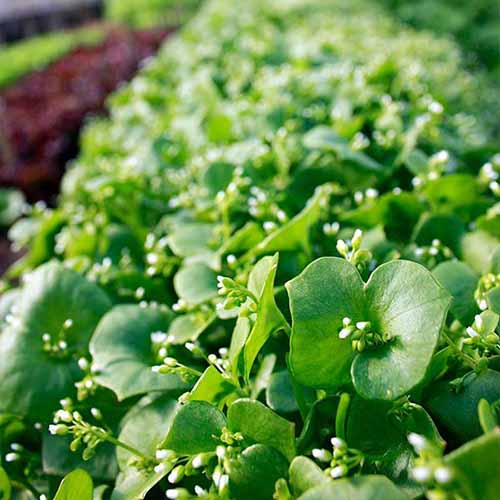
While it isn’t the showiest plant on the market, it will make a pretty ground cover addition to the shadier spots of your yard.
It will even self-seed and politely spread around without becoming invasive.
You can find seeds available at High Mowing Organic Seeds.
Learn about growing miner’s lettuce here.
15. Mint
Look at any roundup of shade-loving herbs, and mint (Mentha spp.) will undoubtedly top the list.
But it’s actually not “made in the shade.” Mint prefers full sun without any intense heat, but it will grow perfectly well in dark areas.
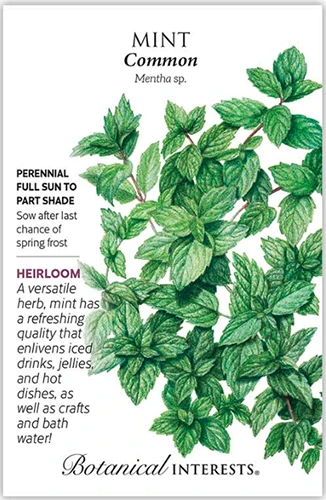
In the shade, it will be leggy and it might not flower regularly. But if you’re just after the leaves, it’s a workable option for Zones 3 to 9.
A 25-milligram packet of heirloom seeds from Botanical Interests can get you started.
Learn more about how to grow mint here.
16. Mitsuba
Mitsuba (Cryptotaenia japonica) is the ultimate versatile herb. It will grow equally well in sun or shade.
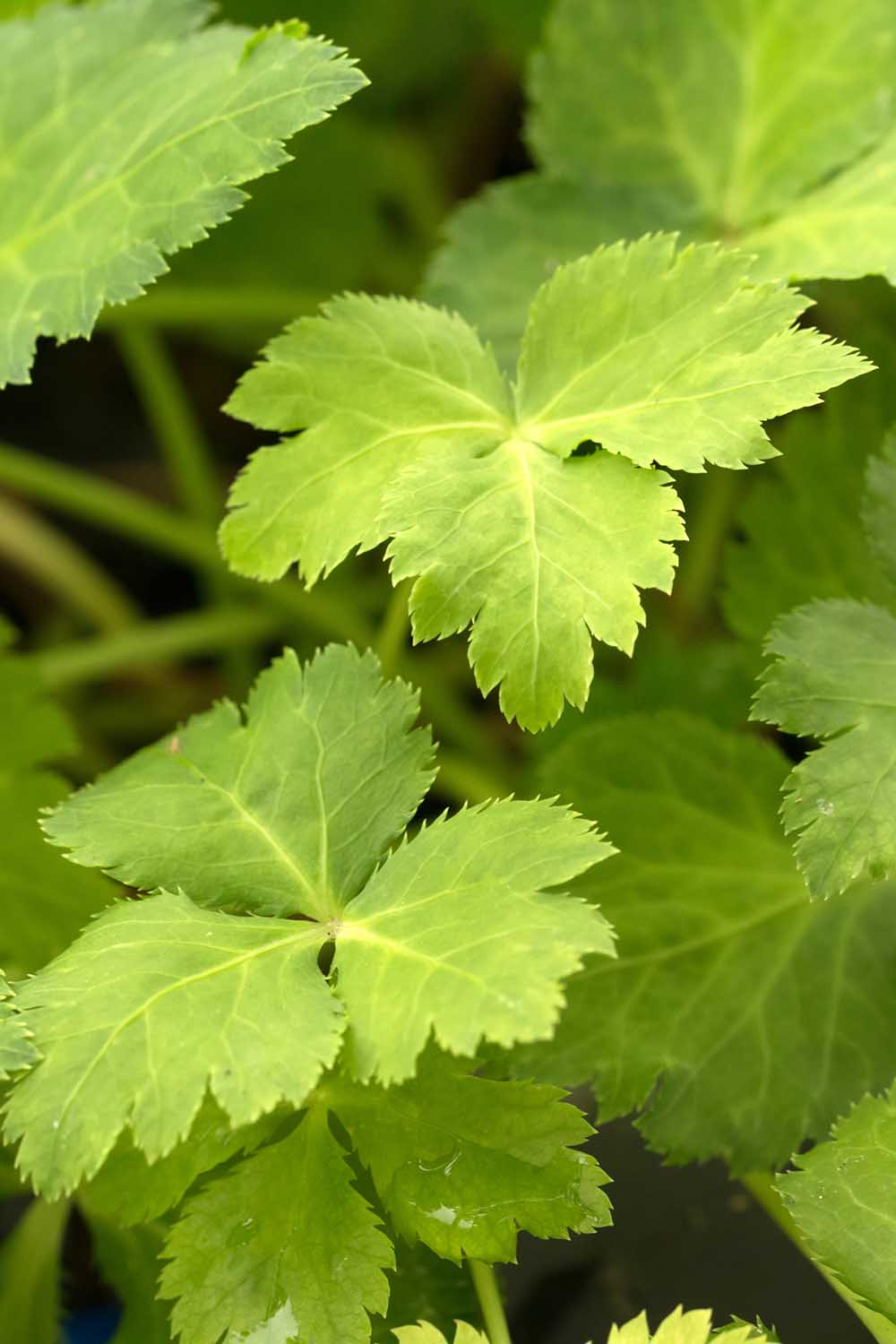
It can also handle a range of soils and can be used as an ornamental, herb, and a veggie. Plus, it’s resistant to pests and diseases and grows quickly.
I genuinely don’t understand why you can’t find it in every single garden in Zones 4 to 9. It should be as ubiquitous as spinach!
Want to learn more about mitsuba? Have a read of our growing guide.
17. Mizuna
If you like herbs with a peppery bite, snag some mizuna seeds.
While mizuna (Brassica rapa our. nipposinica) grows best with about four hours of light a day, particularly morning light, it won’t hate a spot in darker areas in Zones 3 to 10.
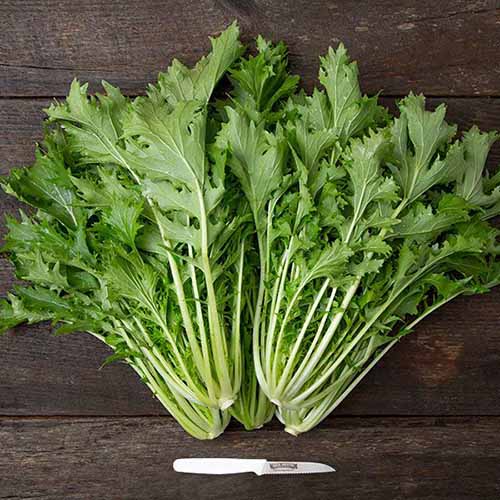
Mizuna isn’t fazed by cold weather either, and it reliably pops up even when there’s still snow on the ground.
Run to High Mowing Seeds to buy seeds in a variety of packet sizes.
Or better yet, grab several packs. You’ll find yourself adding these greens to just about anything you can think of.
Want to learn more? Check out our guide to growing mizuna here.
18. Ramps
Ramps (Allium tricoccum) are kind of weird when it comes to sunlight. Well, not weird. But they’re spring ephemerals, which means they grow in the spring and die back in the summer.
Most people assume they need shade, but they actually do better in an area where they receive full sun during the early spring when most deciduous trees are bare.
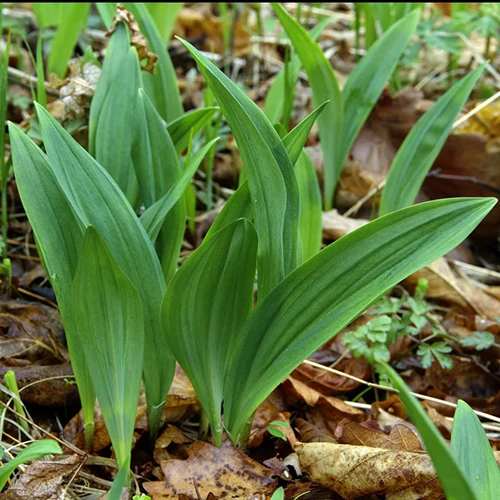
Then, as the trees fill out and ramps mature, they need shade. I know, it seems confusing.
Pick up seeds from Earthbeat Seeds in packets of 25, 100, 500, or 1,000.
If you want more detailed information about how to grow rampsour guide covers all the ins-and-outs of growing this fantastic allium.
19. Stinging Nettle
Full shade makes stinging nettle (Stinging nettle) grow a bit leggy, but it can still grow in a darker area.
I can’t count the number of times when I was hiking or camping in some remote region and I brushed up against some stinging nettle alongside a trail completely covered by trees.
It might grow better in partial sun, but especially in hotter areas, it’s not going to say “no” to something shadier.
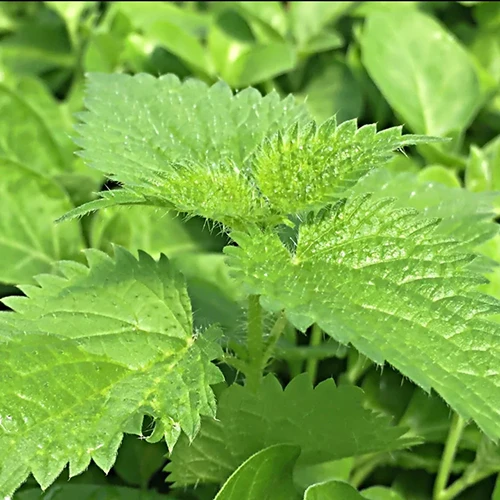
It grows in Zones 4 to 10 and it can be cultivated as an annual in Zone 3.
If you don’t already have the stuff growing all over the place near you, pick up packages of 500 seeds from Earthbeat Seeds.
Our article about growing stinging nettles has more information.
20. Solomon’s Seal
Plants in the Polygonatum genus make a striking architectural statement in the garden, but they can also be eaten.
Drought-tolerant, deer resistant, and happy in the dark, these herbs are an underappreciated garden option. In Zones 3 to 9, they make an interesting addition.
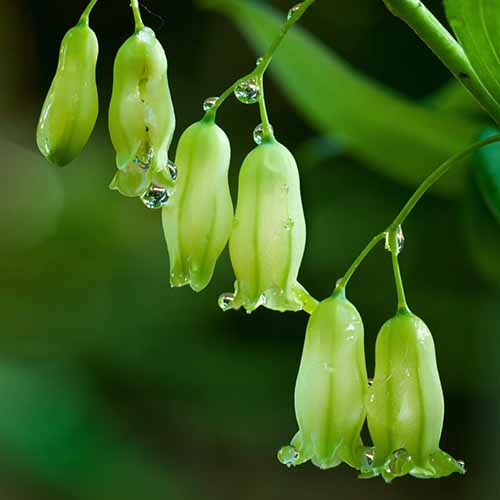
You can find seeds available in a variety of packet sizes from Earthbeat Seeds.
Learn more about growing Solomon’s seal here.
21. Sweet Cicely
Don’t even think of sticking sweet cicely (Scented with myrrh) where the sun shines.
Fern-leaf chervil, as it’s also known, looks a lot like chervil with lacy foliage and white umbels of blossoms. But unlike chervilit likes to hang out in dappled light with moist soil.
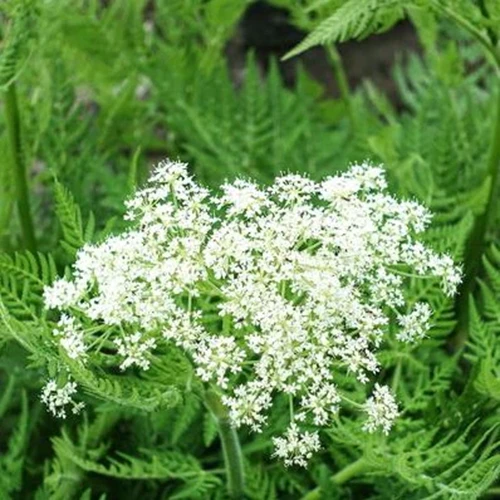
It self-seeds readily in Zones 3 to 8 but it doesn’t become invasive, rewarding you with lots of licorice-scented leaves.
You can find packets of 20 seeds available from Earthbeat Seeds.
Learn more about growing sweet cicely here.
22. Sweet Woodruff
Wonderful sweet woodruff (Gallium scented), also known as sweet-scented bedstraw, creates a carpet of delicate white flowers even in shady areas.
It’s a self-seeding perennial that makes a marvelous tea.
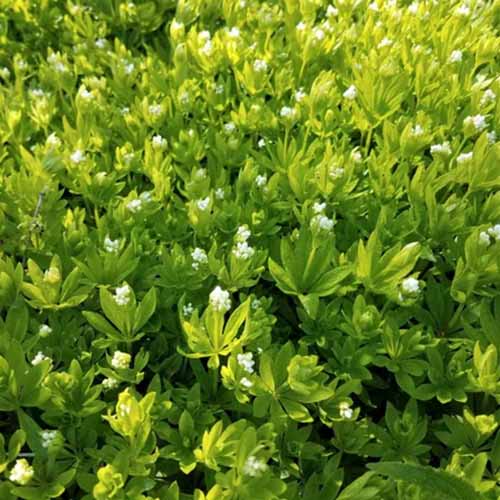
Grow it in Zones 3 to 8 as a potted herb, ground cover, or in a cluster with other low-growing plants.
You can find plants in #1 containers available at Nature Hills Nursery.
23. Trillium
Trilliums (Trillium spp.) grow wild across the US in the understory of forests in Zones 4 to 9.
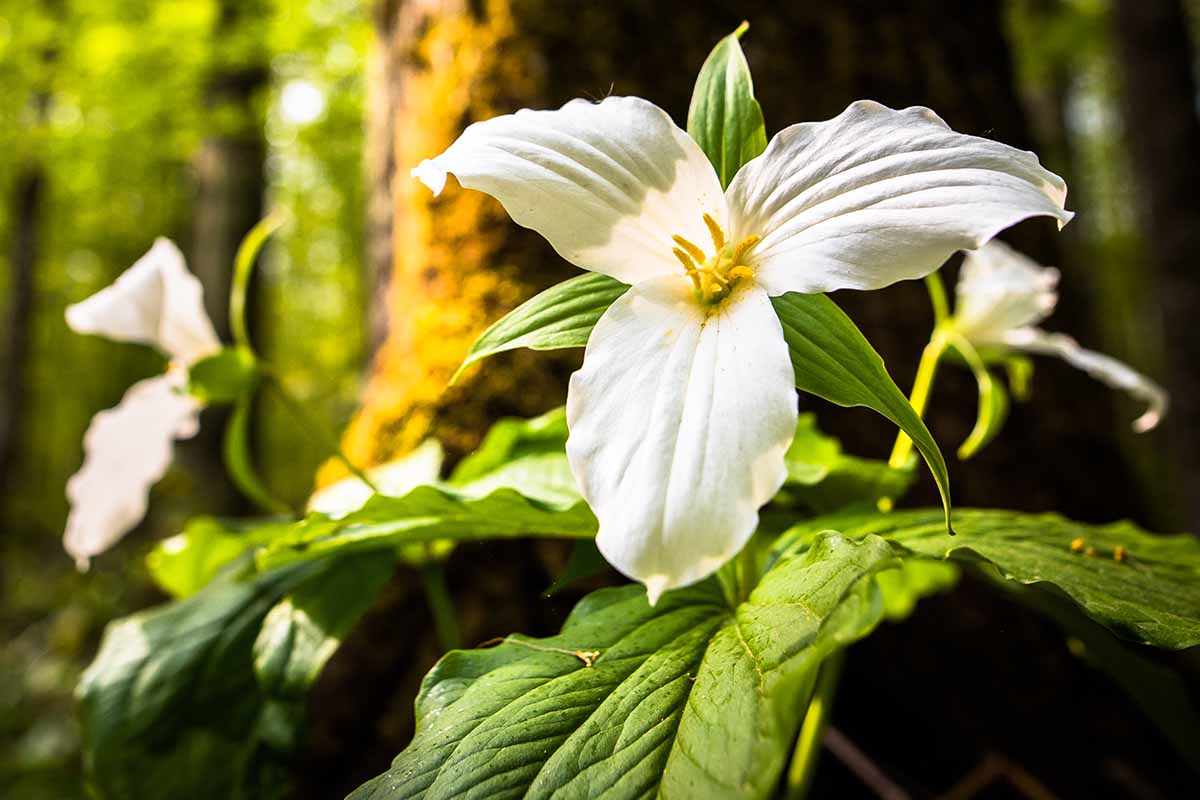
Most people use trilliums to create a colorful ground cover in challenging garden areas, but you can also eat them.
They’re a marvelous spring ephemeral and a native option that attracts beneficial critters.
You can learn all about growing trilliums here.
24. Violets and Pansies
Violets are a mainstay in cool, moist, shady areas. However, not all violets are equally happy out of the spotlight.
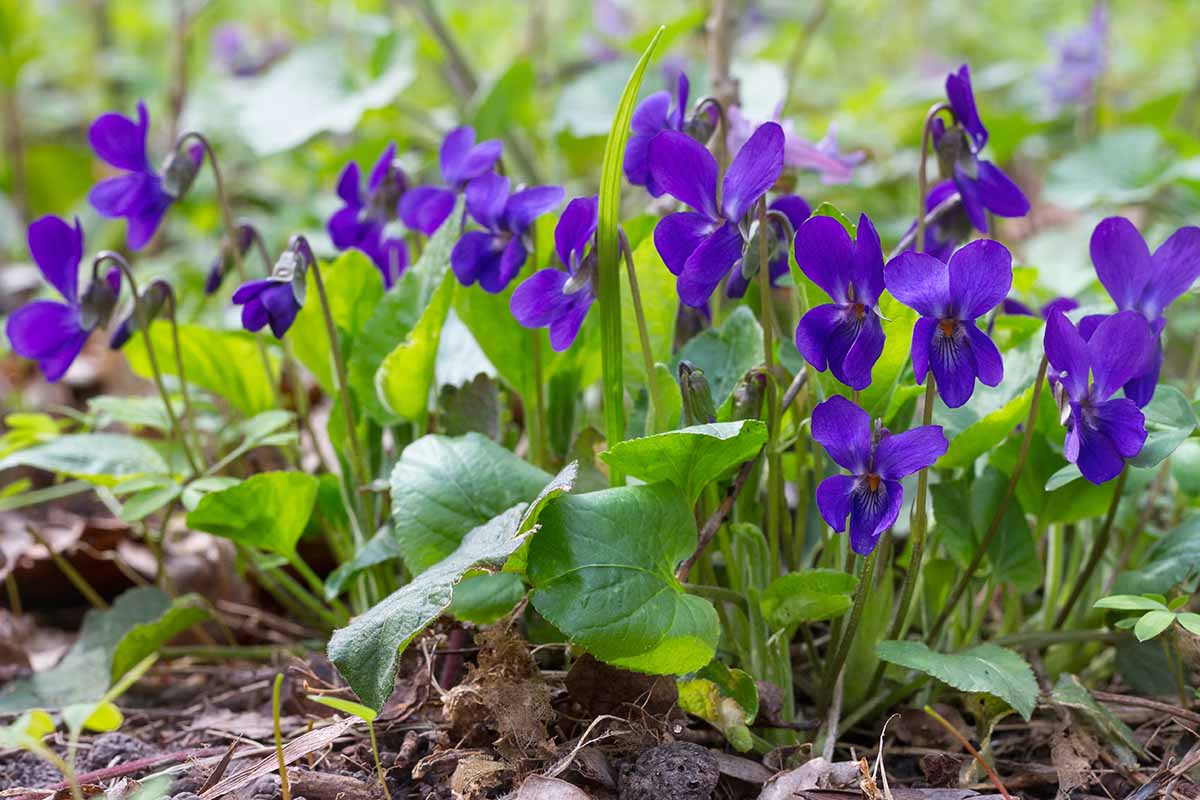
Dog violets (Viola riviniana), common blue violets (V. sororia), stream violets (V. glabella), evergreen violets (V. sempervirens), and sweet violets (V. odorata) all enjoy partial to full shade.
These cool-weather mainstays are happy in Zones 3 to 9.
Johnny jump-ups (V. tricolor) and mountain pansies (V. lutea) need full sun.
You can find seeds for a wide range of different cultivars available from Eden Brothers.
Learn more about violets in our comprehensive guides.
25. Wasabi
Wasabi (Eutrema japonicum) has a reputation as one of the most difficult plants to grow, but don’t let that daunt you.
If you live somewhere cool in Zones 8 to 10, try growing it and see what you can achieve.
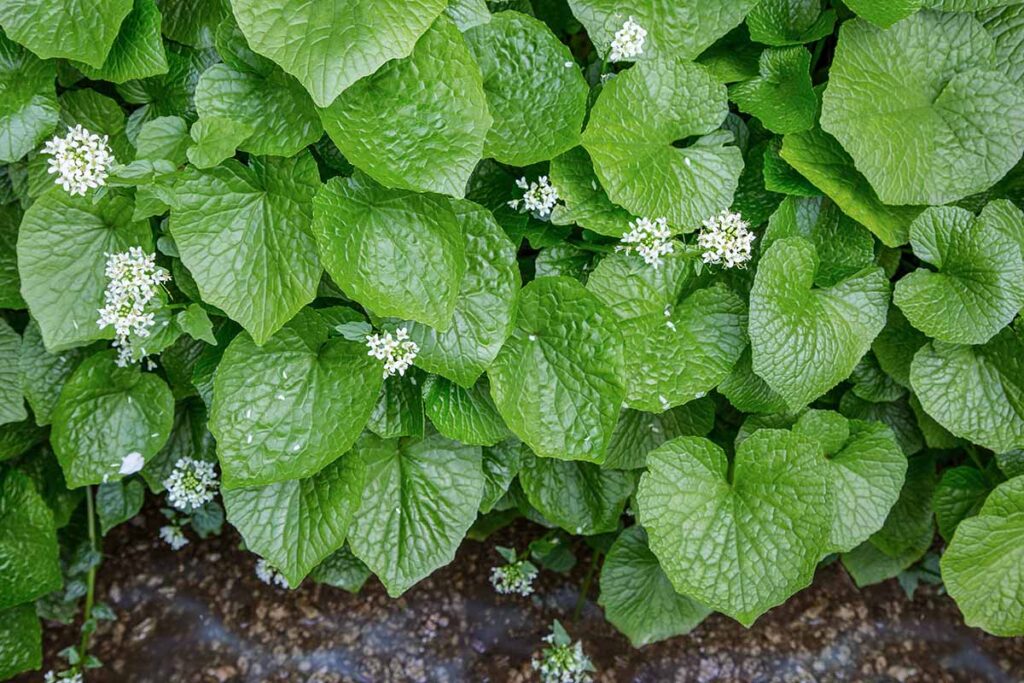
Even if your plants never develop a massive rhizome, the leaves and flowers are delectable.
And it’s hard to find a plant that is happier in the dark than this one. It’s the vampire of the herb world.
