


If a new plant catches Richard Hawke’s eye, you know it is a true standout. As the director of ornamental plant research at Chicago Botanic Gardenhe has researched, monitored, and written about more plants than most experts in the field. Most of these plants are part of CBG’s comparative trials, which is the best way to measure one plant’s merits against those of other similar plants. However, Richard’s reputation as Mr. Plant has also given him the opportunity to trial several brand-new cultivars—even if they do not fit seamlessly into an ongoing or upcoming trial. The following three perennials fall into this camp but performed so well that Richard felt they were report-worthy.
To see the rest of the best new perennials trialed at CBG recently, keep an eye out for Richard’s upcoming feature in Fine Gardening’s Summer 2026 issue.
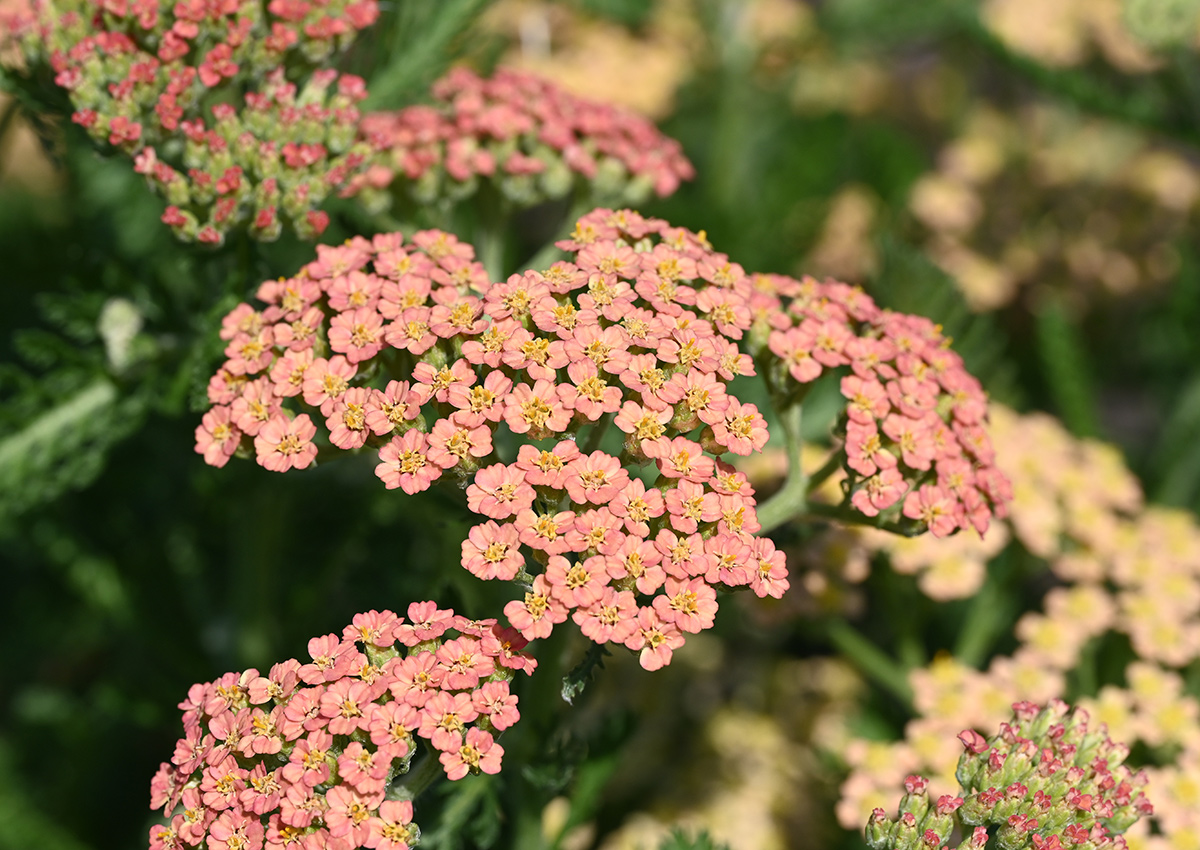
1. New Vintage™ Terracotta yarrow
Name: Yarrow millefolium ‘Balvinterra’
Zones: 4–9
Size: 26 to 28 inches tall and 10 to 12 inches wide
Conditions: Full sun and average to dry soil
The New Vintage™ series—Rose (‘Balvinrose’), Red (‘Balvinred’), Violet (‘Balvinolet’), and White (‘Balvinwite’)—of yarrows we evaluated in the mid-2010s made me love common yarrow again. I commended them for years for their uniformity, strong colors, and flower power. We have purposely not evaluated many common yarrow cultivars since, but I couldn’t say no when New Vintage™ Terracotta was offered to our trials. What a beauty! The peachy orange flowers keep coming from late June to mid-August, fading to shades of yellow before turning brown in September. At peak, the copious flowers—a delightful mix of soft earthy tones—conceal the lacy green foliage completely. As with others in the series, I am impressed by its strong, uniform habit. In 2025, the plants were 36 inches tall, and 46 inches wide measured across the broad floral canopy. And while there is no guarantee of what rabbits will eat, two neighboring yarrow cultivars are their favorite food, while Terracotta has been left alone!
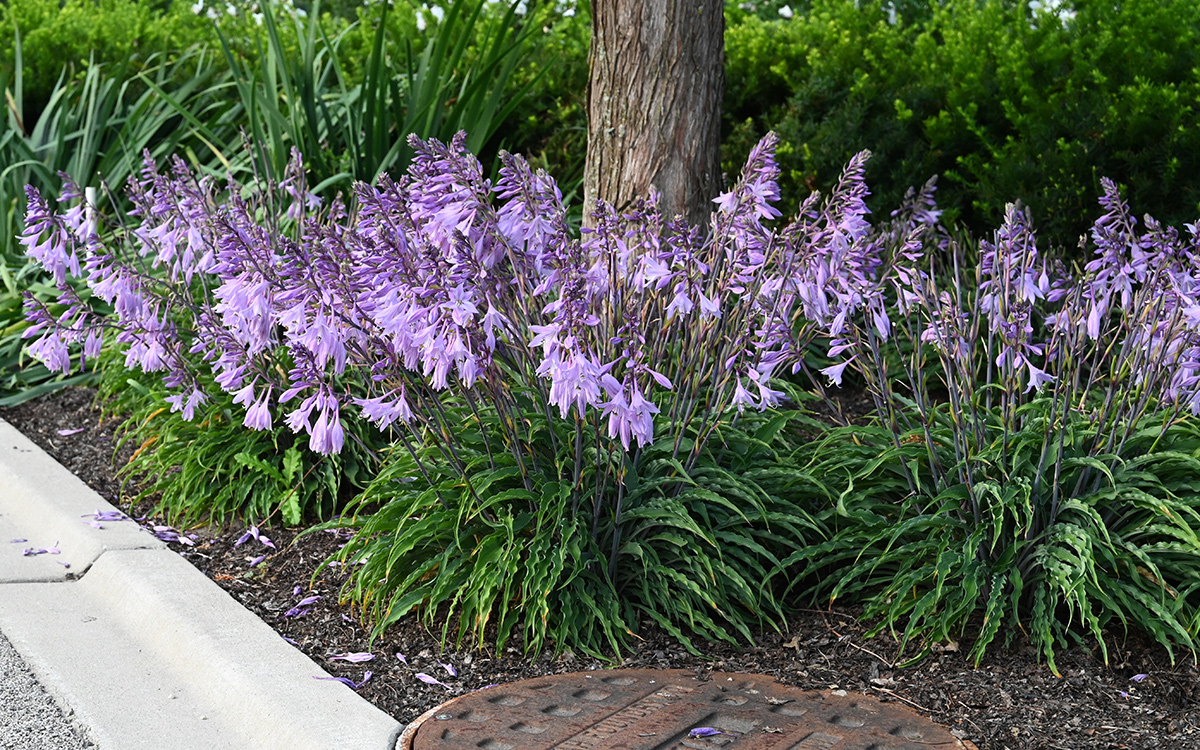
2. ‘Silly String’ hosta
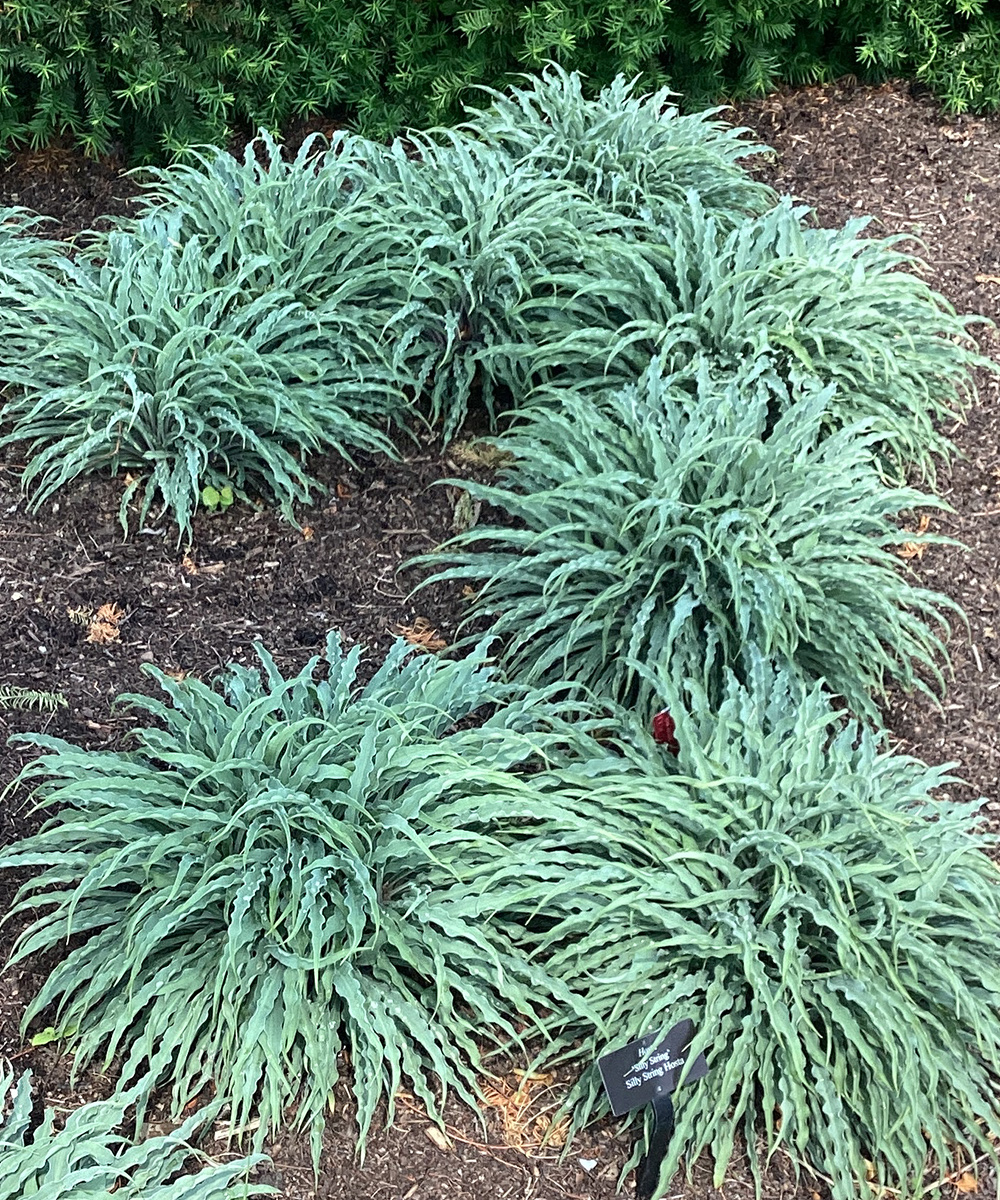
Name: Hosta ‘Silly String’
Zones: 3–9
Size: Up to 14 inches tall and 28 inches wide
Conditions: Light, open shade; moist, rich, compost-enhanced soil
There was a time when I paid little to no attention to the endless varieties of ho-hum hostas. I can’t remember the hosta that got me thinking otherwise or when it happened, but I’m a huge fan now. Hosta ‘Silly String’ is a recent introduction that has utterly charmed me. The squiggly lines of its narrow blue (to blue-green) leaves are whimsical and the perfect textural companion to broader foliage. As a small plant it’s just cute, but the cuteness sticks around even when it’s bigger, which so far is 11 inches tall and 24 inches wide. The quality of the flower display is equal to the superior foliar display, making it extra special to me. Rising on stems to 25 inches tall, the lavender trumpets—3 inches long and 1½ inches wide—are bountiful at peak bloom in August.
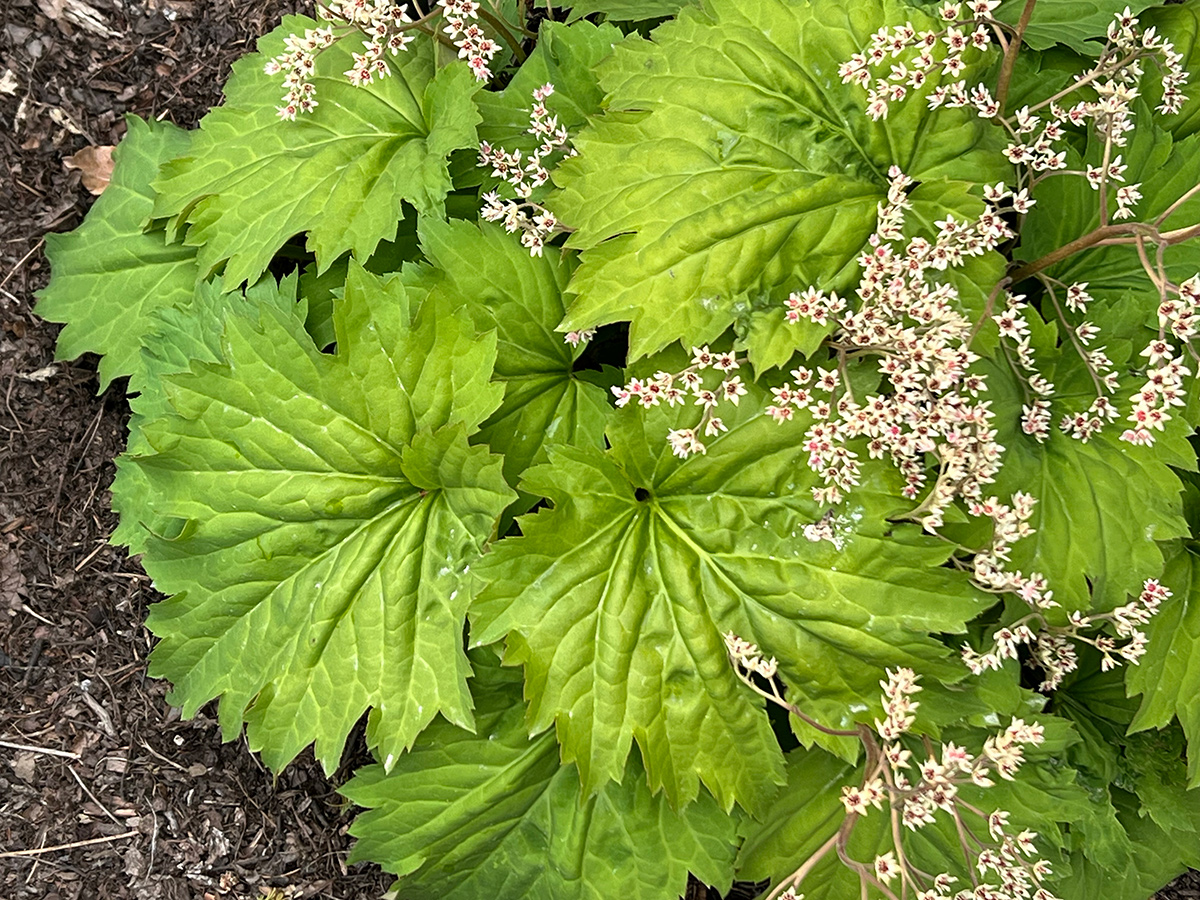
3. ‘Fusion of Fire’ oredenia
Name: ×Oredenia ‘Fusion of Fire’
Zones: 5–8
Size: 12 to 14 inches tall and 18 to 24 inches wide
Conditions: Partial to filtered shade; moist, well-drained soil
For gardeners looking for something new and different, ‘Fusion of Fire’ oredenia is that something. ×Arrangements is a fairly new intergeneric cross between Mukdenia and Oresitrophica related but less commonly grown Asian species. The first sign of life in the spring are sprays of soft pink flowers that emerge before the leaves. The glossy bronze leaves that follow give no indication of how lushly large and green they’ll grow—they can reach a foot across! We’re patiently waiting for the promised brilliant red fall color we have only seen in photos. After three years, plants are 16 inches tall and 34 inches wide and have been fully winter hardy. Some plants are forgiving; this one is not—correct culture is crucial for oredenia to be its best. Plant ‘Fusion of Fire’ in moist, well-drained soils in partial to filtered shade. Leaves will flag in the heat of the day and can burn in hot sunlight, especially if soils are also dry. Frost damage on tender new leaves is also possible in Zone 5. At home, I planted it in partial shade with lacy ‘Horatio’ goat’s beard (Acorn ‘Horatio’, Zones 4–7) and the arching blades of roof iris (Iris roofsZones 4–9) for a wonderful leafy medley.
Check out all of Richard’s plant trial articles: The Best of the Best Plants for Every Garden
Find more fantastic perennials:
Discuss this article or ask gardening questions with a regional gardening expert on the Gardening Answers forum.
And for more Midwest regional reports, click here.
Richard Hawke is a contributing editor for Fine Gardening and the director of ornamental plant research at the Chicago Botanic Garden in Glencoe, Illinois.
Photos: Richard Hawke
Fine Gardening Recommended Products
Fine Gardening receives a commission for items purchased through links on this site, including Amazon Associates and other affiliate advertising programs.
– Slim, lightweight design, is made with toxin-free polyurethane and utilizes industrial grade, lead-free fittings
– 3 Pounds
– 1200″L x 0.43″W
– Manufactured in the USA
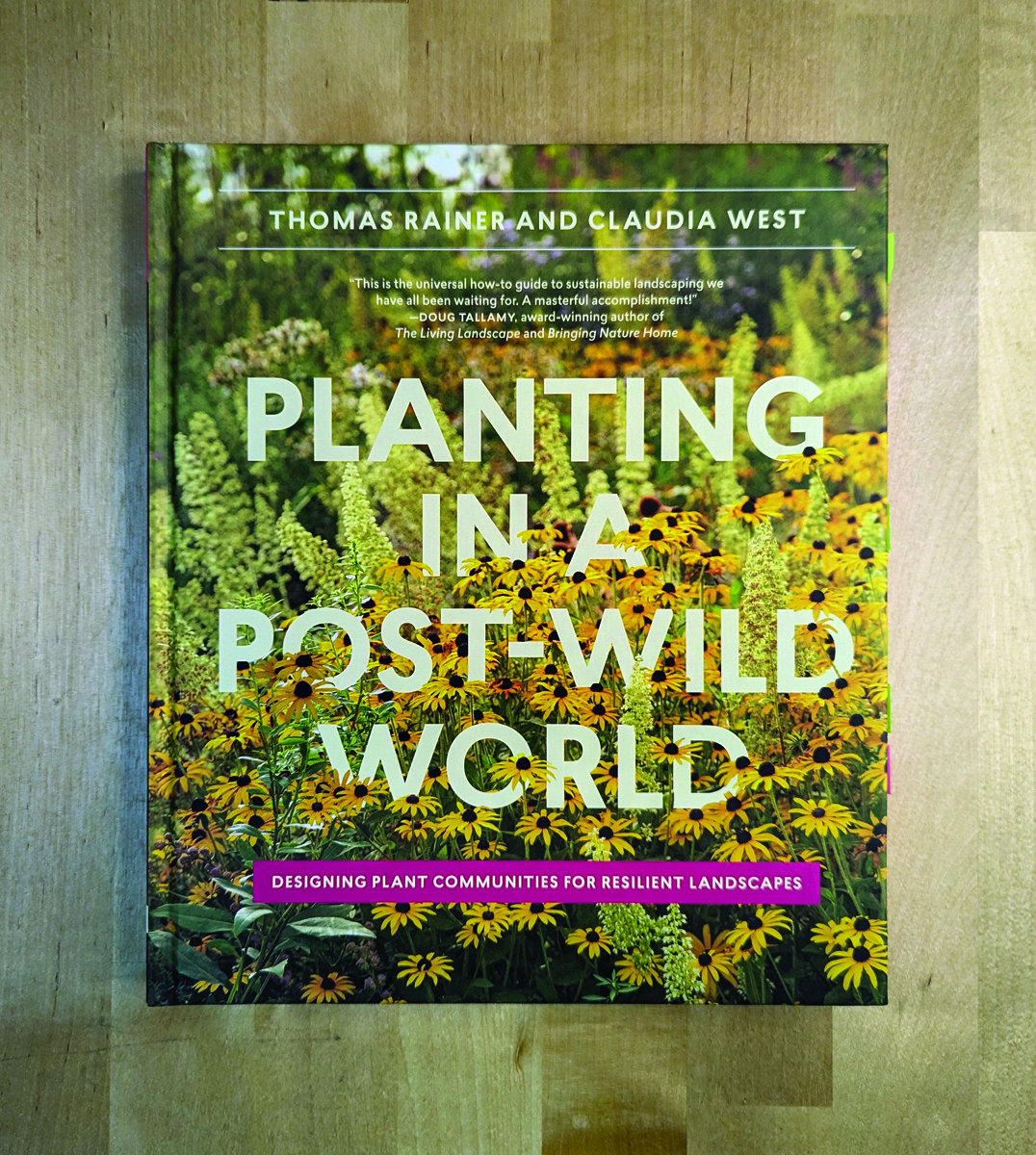
Planting in a Post-Wild World: Designing Plant Communities for Resilient Landscapes
Fine Gardening receives a commission for items purchased through links on this site, including Amazon Associates and other affiliate advertising programs.
Featuring gorgeous photography and advice for landscapers, Planting in a Post-Wild World by Thomas Rainer and Claudia West is dedicated to the idea of a new nature—a hybrid of both the wild and the cultivated—that can nourish in our cities and suburbs.

Bee Watering Station with Vivid Flower Design
Fine Gardening receives a commission for items purchased through links on this site, including Amazon Associates and other affiliate advertising programs.
Thoughtful Combo: You will receive a bee feeder and 30 glass marbles. This thoughtful combo can provide clean water for the bees, you just need to put the marbles into the bee watering station, add water (note: the water level should not exceed the height of the marbles) and hang them in the right place. The round, colored marbles can provide a place for the bees to stand and prevent them from falling into the water, effectively keeping the bees safe. Fine Material: This exquisite bee bath is made of high quality iron material, smooth surface, rust and weather resistant, not easy to fade, sturdy and reliable. Bee cups for garden can well meet the drinking water needs of lovely bees, and it can also provide food for bees, such as sugar water, nectar, etc., attracting more bees to your outdoor area and making your garden full of vitality. Perfect Size: The butterfly watering station has an overall height of 13.4 inches, a bowl diameter of 9.4 inches, and a weight of 0.44 pounds. The bee cup serves the needs of the bees well without plunging them into dangerously deep water or taking up unnecessary space in your garden, and this compact and efficient design makes it a practical addition to any outdoor space. Elegant Design: Our bee watering cups are designed in unique flower shapes with vibrant and realistic colours to attract lovely bees to your garden and patio, bee feeders for outside are not only functional but can also be used as a landscaping element, their vibrant floral patterns enhance the beauty of your garden. Multicolored Decoration: Colorful bee water stations look like flowers in a garden, flower bed or pot and attract bees and butterflies. They can drink or bathe in bee feeders, which are highly decorative and practical.
