


Wondering what to do with your hydrangeas this summer as soon as they finish blooming?
If your hydrangea bushes have finished putting on their spectacular summer flower show, don’t make the mistake of simply walking away and forgetting about them until next spring. In fact, what you do with your hydrangeas after they finish blooming can have a huge impact on how healthy they stay – and just how many flowers they produce next year!
Should you cut the flowers off? Is it time to prune? Should you fertilize? Or is it better to simply leave the plant alone? The answer depends on a few important factors, but one thing is certain – a little late season care goes a long way toward keeping hydrangeas healthy and blooming stronger year after year. Here is a look at exactly what to do with your hydrangeas once those beautiful blooms begin to fade.
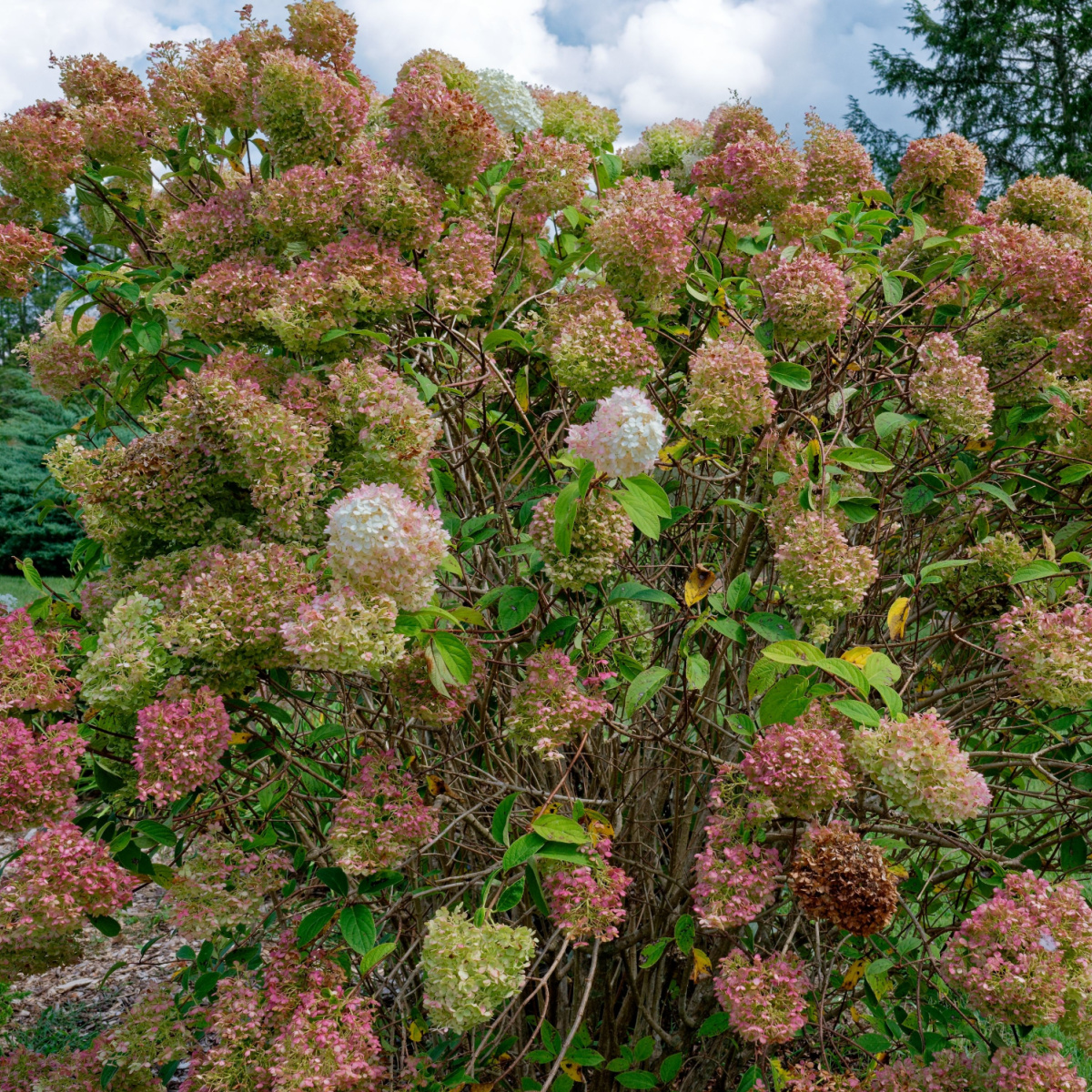
What To Do When Hydrangeas Finish Blooming
Removing Spent Blooms The Right Way
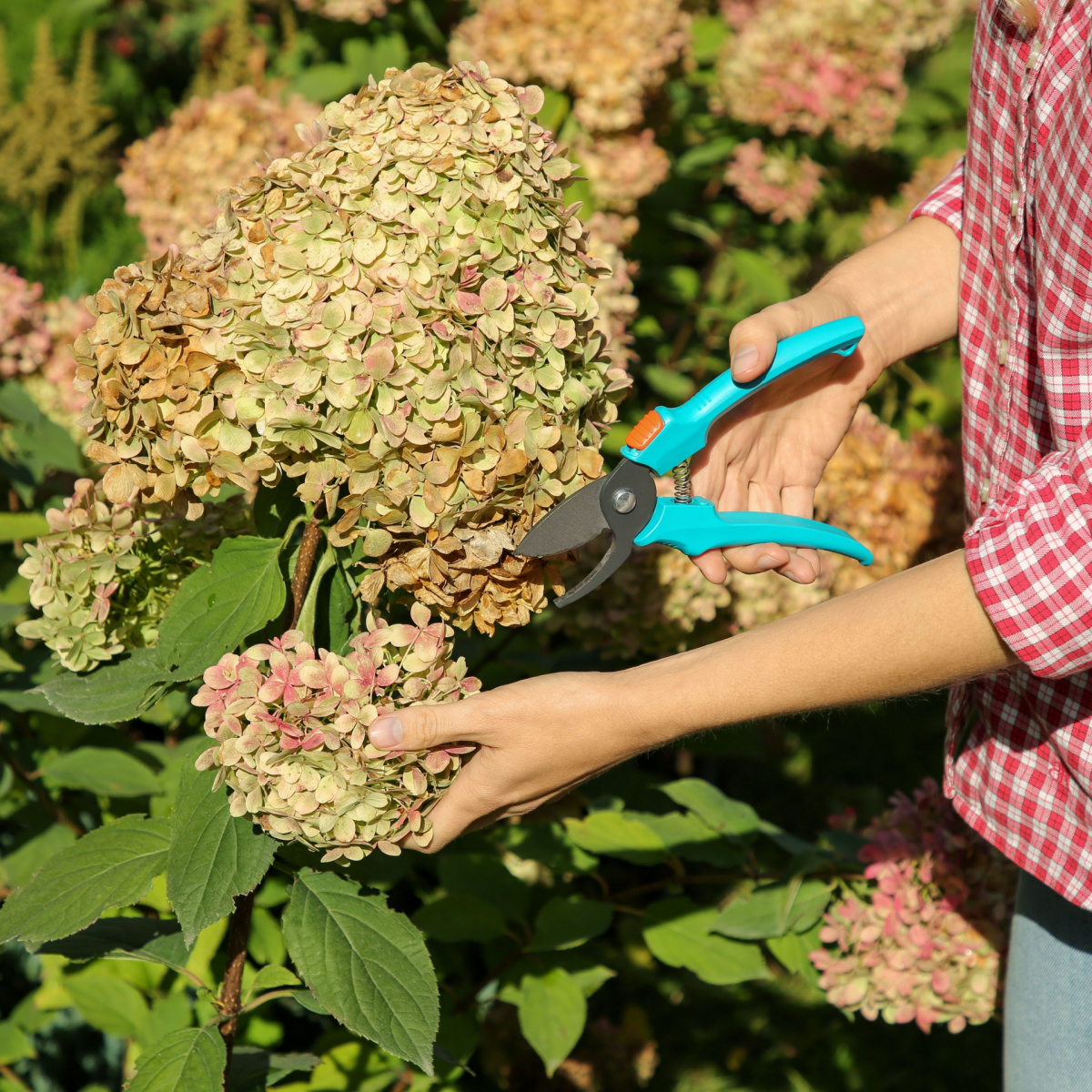
The first task after flowering is deciding what to do with the old blooms. While leaving them on the plant won’t necessarily hurt it, removing faded flowers can improve the plant’s appearance and help it direct more energy toward healthy growth instead of maintaining aging blooms.
The key is knowing where to make the cut. Instead of cutting deep into the stem, simply remove the spent flower head by cutting just above the first healthy set of leaves beneath the bloom. This keeps you from accidentally removing flower buds that may already be forming for next year’s display.
If your hydrangea still has colorful blooms mixed in with fading flowers, you can deadhead only the blossoms that have turned brown or papery while leaving the fresh blooms in place.
Some gardeners also enjoy leaving a few flower heads on the shrub throughout fall and winter. As the blooms dry, they often develop attractive shades of tan, green, pink, or burgundy that provide winter interest in the landscape.
But it’s important not to leave them all on – as it will take too much energy from the bush trying to create all of the seed heads. This will then take away strength from next years blooms.
Know Your Hydrangea Before Pruning
One of the biggest mistakes gardeners make is pruning hydrangeas at the wrong time.
Not all hydrangeas bloom the same way. Some produce flowers on old wood, meaning they form next year’s flower buds during late summer and fall. Others bloom on new wood, producing flowers on fresh growth the following spring.
If you prune an old wood hydrangea too aggressively after it blooms – or worse yet in late fall or early spring – you can easily remove every flower bud for next season.
Hydrangeas that bloom on old wood include many mophead, lacecap, and oakleaf varieties. These should receive only light trimming immediately after flowering if shaping is needed. Panicle hydrangeas and smooth hydrangeas bloom on new wood. These are best left alone after flowering and pruned in late winter or early spring before new growth begins.
If you aren’t sure what type you have, it’s far better to avoid heavy pruning until you identify your variety. Removing a few faded flowers won’t hurt the plant, but cutting back large sections can eliminate next year’s blooms.
Wait Until Next Spring To Fertilize
Many gardeners assume that once hydrangeas finish blooming, it’s time to fertilize heavily. In reality, this is one task that you do not want to do to hydrangeas.
Applying high nitrogen fertilizer late in the growing season encourages soft, tender growth. Growth that will not have enough time to harden off before winter. That fresh growth is then much more likely to suffer winter damage.
Listen To Our Latest Podcast Below!


When a hydrangea appears healthy, it’s usually best to wait until early spring before applying fertilizer. If your shrub struggled through the season or the soil is particularly poor, you can work a light layer of compost around the drip line of the plant.
Compost releases nutrients slowly while improving soil structure at the same time. This gentle feeding method provides nutrition without encouraging excessive late season growth.
Don’t Forget To Water During Dry Weather
Even though your hydrangeas are finished blooming, it is far from finished growing. Late summer and early fall are important times for root development. Healthy roots now help the plant survive winter and fuel strong spring growth.
Hydrangeas naturally prefer evenly moist soil. During extended periods without rain, continue watering deeply whenever the top few inches of soil begin to dry out.
Avoid frequent shallow watering. Light watering encourages roots to remain near the soil surface where they are more vulnerable to heat and drought. Instead, give the shrub a long, slow soaking that allows moisture to penetrate deep into the soil. Deep watering encourages deeper, stronger roots that make the plant far more resilient.
Applying water early in the morning is always best. This allows foliage to dry quickly and reduces the chance of fungal diseases developing on the leaves.
Add A Little Mulch After Hydrangeas Finish Blooming
Once blooming slows, it’s also a great time to inspect the mulch surrounding your hydrangeas. A fresh two to three inch layer of mulch helps conserve moisture, regulate soil temperatures, and suppress weeds that compete for water and nutrients.
Shredded hardwood mulch, pine bark, compost, or shredded leaves all work well around hydrangeas. Just remember to keep mulch a few inches away from the base of the stems. Piling mulch directly against the shrub can trap moisture against the bark and increase the chance of rot or insect problems.
Fresh mulch also slowly breaks down over time, adding valuable organic matter to the soil that improves drainage and moisture retention.
A Few Things You Should Never Do
While there are several helpful tasks to complete after flowering, there are also a few things you should avoid.
Never shear hydrangeas into tight balls or square shapes. Unlike formal hedges, hydrangeas develop their best flowers when allowed to maintain their natural form. Don’t remove large portions of healthy foliage unless absolutely necessary. Those leaves continue producing energy through photosynthesis that the shrub stores for next year’s growth.
Finally, don’t panic if some leaves naturally begin turning yellow as autumn approaches. This is a normal part of the plant’s seasonal cycle as it prepares for dormancy.
What you do after your hydrangeas finish blooming really does matter – and the few simple tasks you perform now can and will have a tremendous impact on next year’s flowers! Happy Gardening – Jim & Mary.
The Farm @ Old World Garden
Jim and Mary Competti have been writing gardening, DIY and recipe articles and books for over 16 years from their 46 acre Ohio farm. The two are frequent speakers on all things gardening and love to travel in their spare time.
As always, feel free to email us at thefarm@owgarden.com with comments, questions, or to simply say hello! You can sign up for our free email list in the subscribe now box in the middle of this article. Follow us on Facebook here : OWG Facebook. This article may contain affiliate links.
