


Do you know the 2 most important times to fertilize your hydrangeas?
If you want to get your hydrangeas to bloom bigger and brighter than ever this year, giving your bushes the perfect dose of nutrients is a must – as is knowing just when to apply that fertilizer so that it powers your flowers at the perfect time!
When it comes to caring for these gorgeous flowering bushes, what you do and what you don’t do during the growing season can have a big impact on the health of your plant. Not just with fertilizing, but with watering, pruning and mulching.
But as beautiful and interesting as hydrangeas can be, they can be frustrating for gardeners as well. Especially when they fail to flower to their full potential – or fail to bloom at all. And all too often, that failure to flower is simply from a lack of proper nutrients.
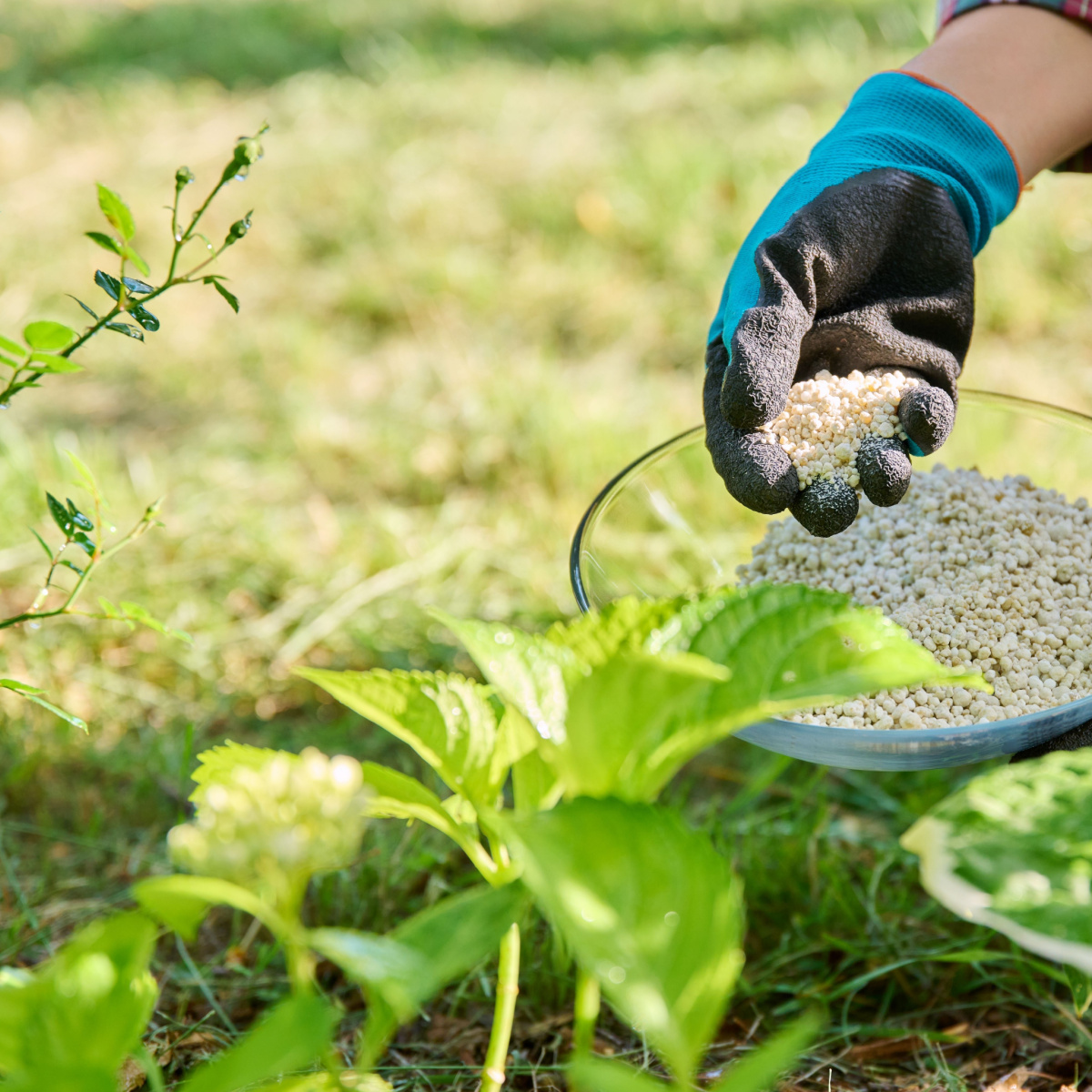
When To Fertilize Hydrangeas
Fertilizing is truly one of the most important tasks for creating a strong bloom cycle. But when and how you apply it is the real secret to success. In fact, the biggest mistake gardeners make with their hydrangeas is to only apply fertilizer once a season.
There are actually two important times that a hydrangea bush needs power. The first is when it begins to grow in the spring. The second is just before it begins to flower in early summer or late fall, depending on the variety.
Here is a look at each time frame, and how to make sure you are giving your hydrangeas just what they need for a massive set of blooms. At the end of the article, we’ll also cover one other important task that can make a difference in blooming as well – pruning!
Spring Fertilizing – The Most Important Time Of All To Fertilize!
Early in the spring, either right before or just as the plant is coming out of its dormancy stage, it’s important to give your bushes a dose of gentle power. And the best way to do that is with a slow release granular fertilizer at the base of the plant.
Granular fertilizers break down slowly in the soil. As they do, they then leach their nutrients to the roots of the bush. This is perfect in the early spring months to allow the bush to begin to energize and store up nutrients for budding.
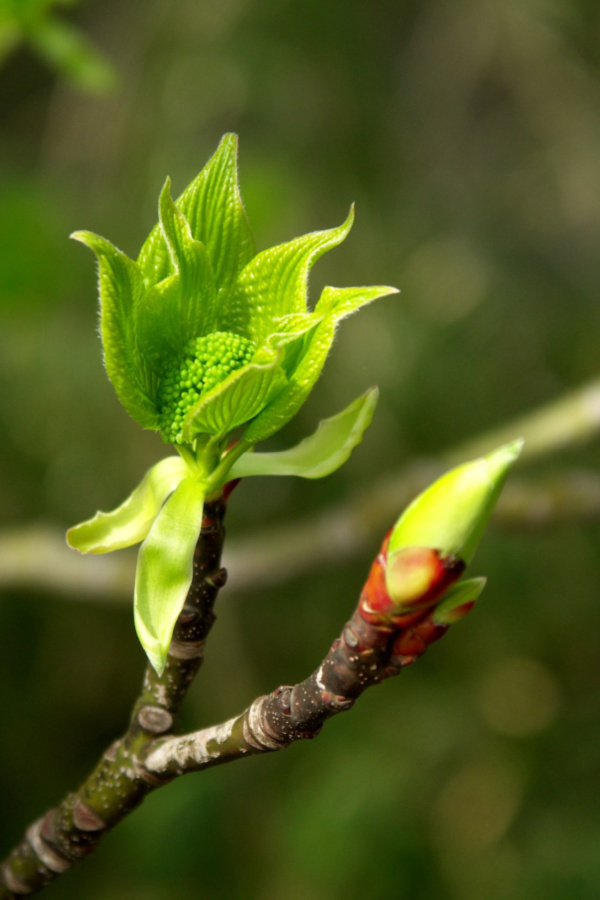
This dose of fertilizer should be geared toward acid loving plants. It should also be in the lower range of N-P-K fertilizing ratios. N-P-K refers to the 3 sets of numbers that you see on almost all fertilizer bags, which are the nitrogen (N), phosphorus (P), and potassium (K) levels in the fertilizer.
Nitrogen helps promote good growth and plant color. Phosphorus, meanwhile, helps a plant fruit and flower strong. Potassium is important as well, as it helps promote strong stems and branches, and helps with flowering and overall plant health.
Getting The Right Ratio
For the early spring dose, look for a fertilizer with a bit higher levels of nitrogen and potassium. This is great for getting the bush growing healthy and strong with good foliage. A fertilizer in the range of 6-4-6 to 8-4-8 range is ideal for a spring application. Product Link: GardenWise 8-4-8 Acidic Fertilizer for Hydrangeas
One little tip when applying is to always water the fertilizer in as soon as you put it down. This will help to activate it and begin to supply a slow release of nutrients to the plant. Again, the spring feeding is all about setting the stage. It develops strong, healthy foliage that allows the plant to be at full power when it comes time to bloom.


Fertilizing The 2nd Time – Before Your Hydrangea Blooms
The second dose of fertilizer for your hydrangea needs to go on right before it begins to bloom. This dose of nutrients is for one purpose and one purpose only – to power up your blooms!
Because of this, it’s best to use a liquid fertilizer for the second dose. Why? Because liquid fertilizers deliver nutrients in a fast, easy to consume manner. And that is exactly what your hydrangea needs for power as it puts forth its bloom cycle!
As for when to apply the second dose, it all depends on what type of hydrangea you have. For summer blooming hydrangeas, the second fertilizing should take place in late spring or early summer. For fall blooming varieties, wait until late summer.
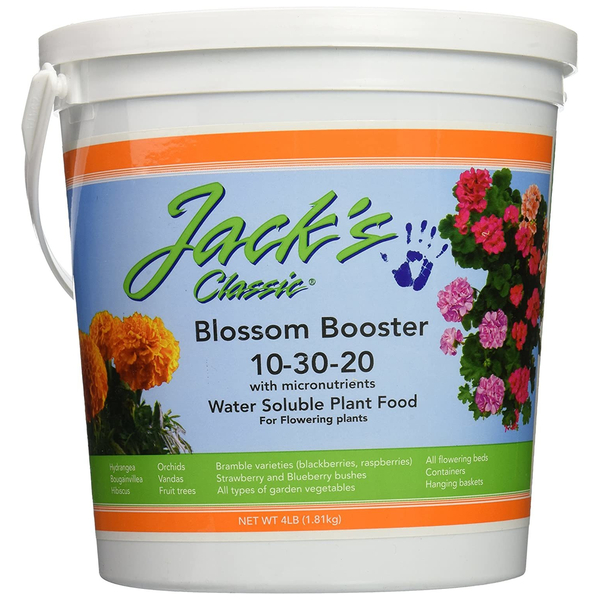
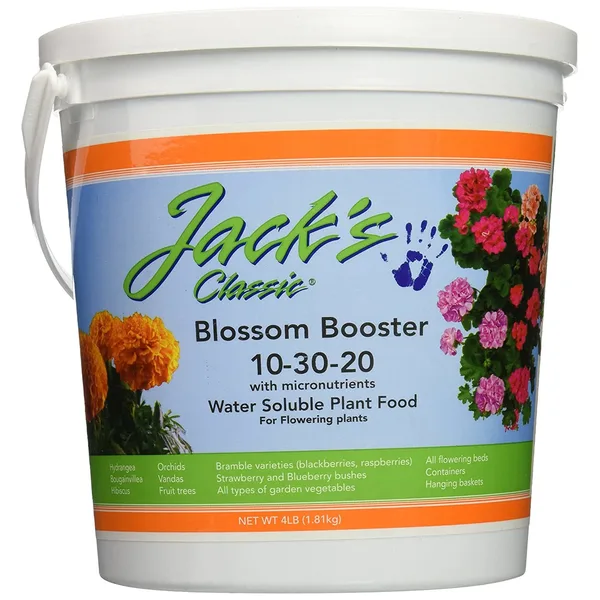
But here is the real key to fertilizing for big blooms – for this application, you need to use a fertilizer that is higher in phosphorus and potassium – but lower in nitrogen. Affiliate Link: Jack’s Classic Blossom Booster 10-30-20 Water Soluble
This is because the plants use higher amounts of phosphorus and potassium for bigger, brighter and more prolific blooms. Unfortunately, if they get a large dose of nitrogen, it can actually decrease the blooms in favor of just bigger growth.
Now that we have covered how to power up your hydrangea in early spring and before it blooms – let’s look at one other major care tip that can make a huge difference in just how well your hydrangea blooms – pruning them at the wrong time!
Be Careful Pruning Your Hydrangeas
Believe it or not, a large portion of hydrangea blooming issues result not just from improper fertilizing, but from simply pruning bushes at the wrong time.
Early summer blooming hydrangeas such as Oakleaf, Bigleaf, Climbing and Mountain varieties should never be pruned in the early spring, winter, or late fall.
Unfortunately, summer blooming varieties produce the following year’s bloom on old wood. By waiting until late fall or early spring to cut them back, you are removing all of the plant’s future blooms.
Instead, early summer blooming hydrangeas should be pruned back right after they complete their bloom cycle in the early summer. This allows new growth and new bloom buds to form. And by the following spring, they are ready to start powering up for big blooms.
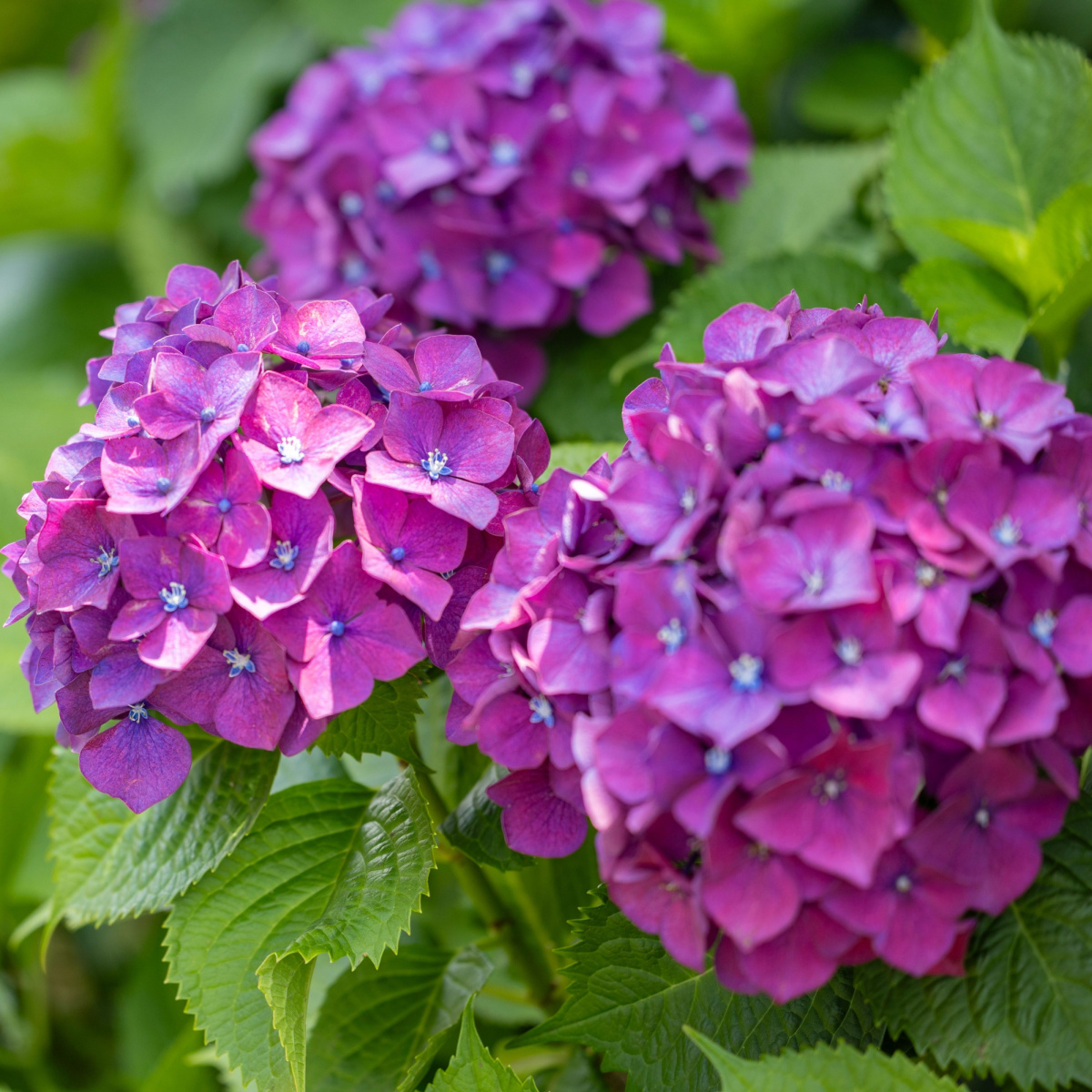
Smooth & Panicle Hydrangeas
There is an exception to the early spring / late fall “no-pruning” rule. And that exception has to do with Smooth and Panicle hydrangea varieties.
Unlike Oakleaf, Climbing and Bigleaf hydrangeas, these two types produce their blooms in late summer to early fall. Since these hydrangeas bloom so late, they do not produce their blooms until the following spring on new growth wood.
This means you can prune back these plants in late winter or early spring, or as long as the plant has not started to bud and grow. If the plant does shoot forth new growth before you can prune, simply let it go until after it finishes blooming as well.
Unfortunately, once growing occurs, you risk removing new blooms for the upcoming season. If you always want to be safe, the one fool-proof method to never prune at the wrong time is to always prune right after your hydrangea bushes flower. That way, you never risk cutting off future blooms!
Here is to knowing when and how to fertilize your hydrangeas this year – and prune them too. But more than anything else, to having your hydrangeas bloom bigger than ever! Happy Gardening – Jim & Mary.
Old World Garden
Jim and Mary Competti have been writing gardening, DIY and recipe articles and books for over 15 years from their 46 acre Ohio farm. The two are frequent speakers on all things gardening and love to travel in their spare time.
As always, feel free to email us at thefarm@owgarden.com with comments, questions, or to simply say hello! You can sign up for our free email list in the subscribe now box in the middle of this article. Follow us on Facebook here : OWG Facebook. This article may contain affiliate links.
