


There’s a difference between growing food because you enjoy it and growing food because you need it. A hobby garden can afford to be experimental, but something as intentional as a subsistence garden needs a little more planning.
When the goal is producing a meaningful amount of the food your household eats, what you plant and how much of it you grow need to be decided well in advance. There is some math involved if you really want to grow enough to feed yourself without a grocery store, but rather than the boring math you may be eye-rolling at, I see it as a fun challenge.
The question isn’t only what do I want to grow (although that is a good starting point). It’s also what will produce the most food I can eat, store, and rely on, in the space I have. These are the subsistence garden crops that answer that question, roughly in order of priority.

Waltham Butternut Winter Squash

Waltham Butternut Winter Squash Seeds
San Marzano Roma Pole Tomato

San Marzano Roma Pole Tomato Seeds
Red Acre Cabbage

Potatoes
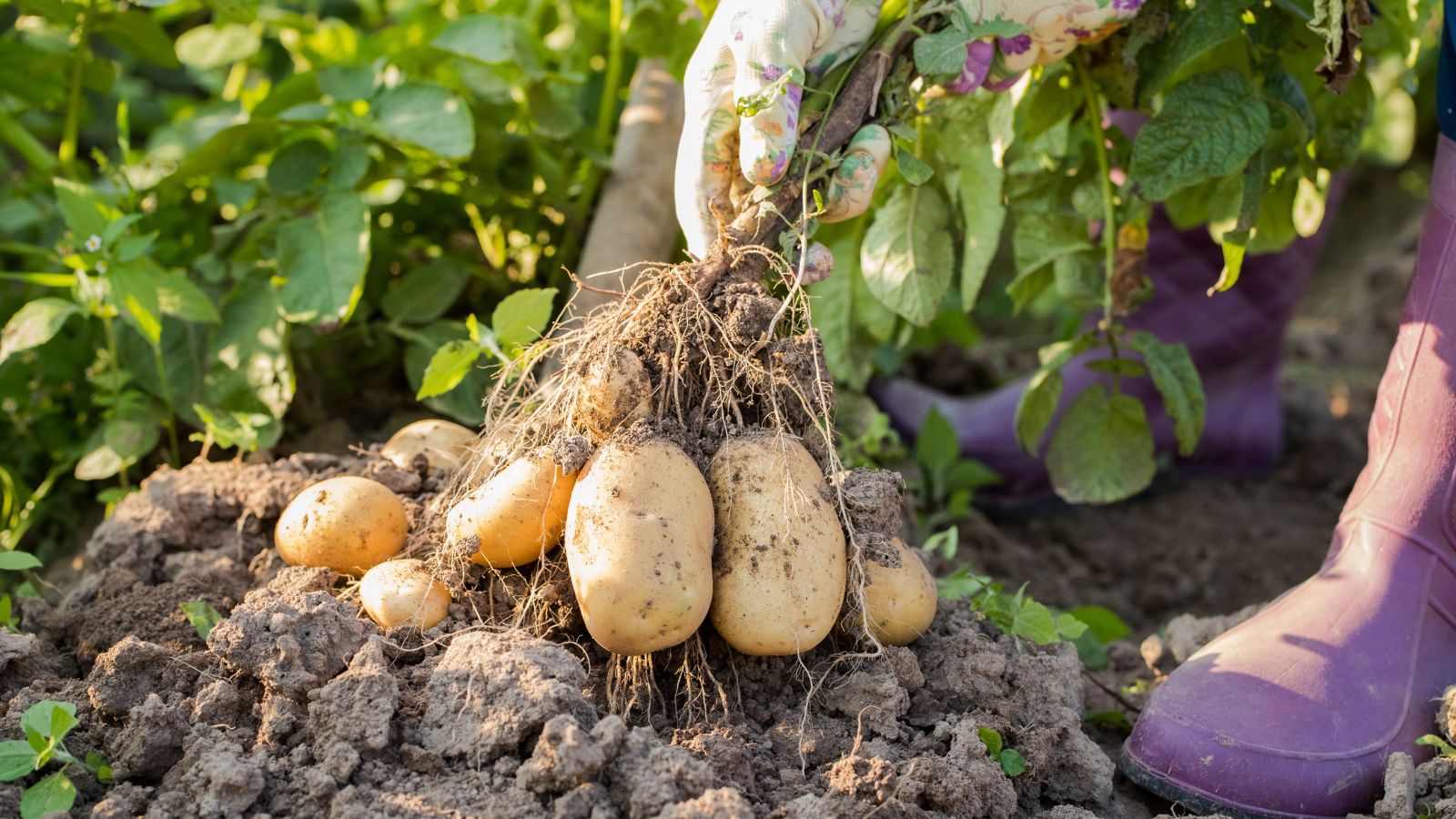
If you could only grow one crop for a subsistence garden, potatoes would be the answer. They produce more calories per square foot than almost anything else you can grow in a home garden, and they store for months without canning or freezing. Plus, they’re versatile enough to eat daily without getting tired of them quickly.
Plant seed potatoes in spring as soon as the soil is workable. Hill soil around the stems as they grow to increase tuber production and prevent the tubers from greening in sunlight. A long row can yield several pounds of potatoes, depending on the variety and conditions.
Cure the tubers in a cool, dark spot for a week or two after harvest, then keep them somewhere cool with good ventilation. They should last well into spring.
Winter Squash
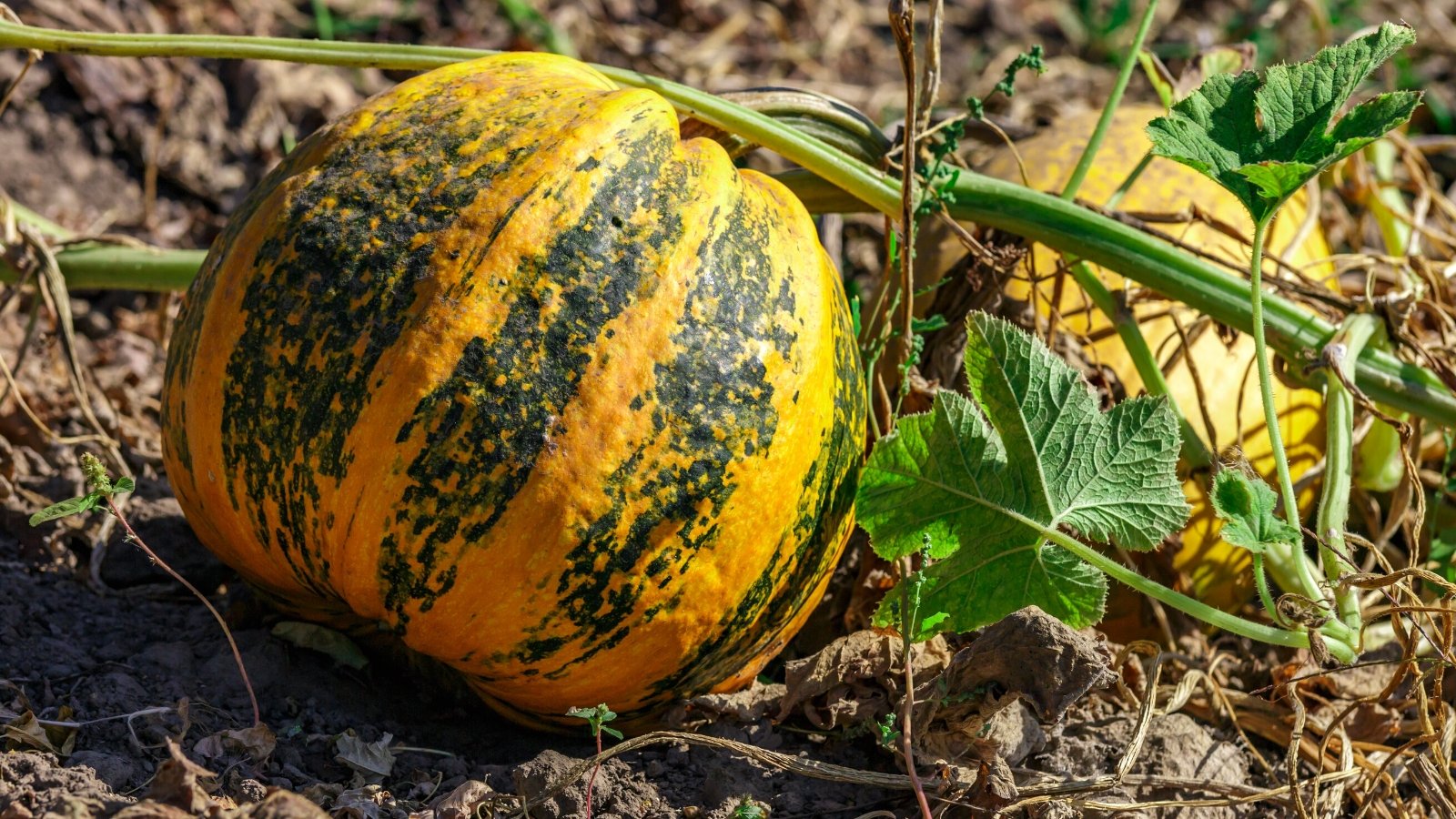
A single butternut plant can produce eight to ten pounds of fruit in a good season, and that fruit stores for months on a shelf with no processing at all. Winter squash is one of the few crops that gives you dense, calorie-rich food through the coldest months without a freezer, a pressure canner, or any effort beyond setting it in a cool corner.
The vines do take up space. Expect each plant to spread six to eight feet in every direction (which can be a challenge in a small garden). Training vines along a fence or letting them run into an adjacent mowed area helps. Butternut and Hubbard types are the best for long-term storage. Acorn squash stores for a shorter period but matures faster, which is useful in shorter-season climates.
Plant after the last frost when the soil is warm. Squash won’t tolerate cold, and seeds sown in soil below 60°F (16°C) tend to rot before they germinate.
Beans

Beans are the most efficient source of plant-based protein you can grow at home. A pound of dried beans contains a substantial amount of protein, and they store in jars on the shelf for years without any special equipment.
The yield per square foot is modest compared to potatoes, so plan to give them plenty of room. Bush varieties produce a concentrated harvest in a shorter window, which is useful if your season is tight. Pole varieties produce over a longer period but need a trellis or support structure.
Grow more than you think you’ll need. Beans are light, and it takes a lot of them to make up a meaningful portion of your diet. Any common dry bean works (pintoblack, kidney, navy), so grow whatever you eat the most of. Let the pods dry on the vine until they’re brown and papery, shell them, and store in airtight containers.
Tomatoes
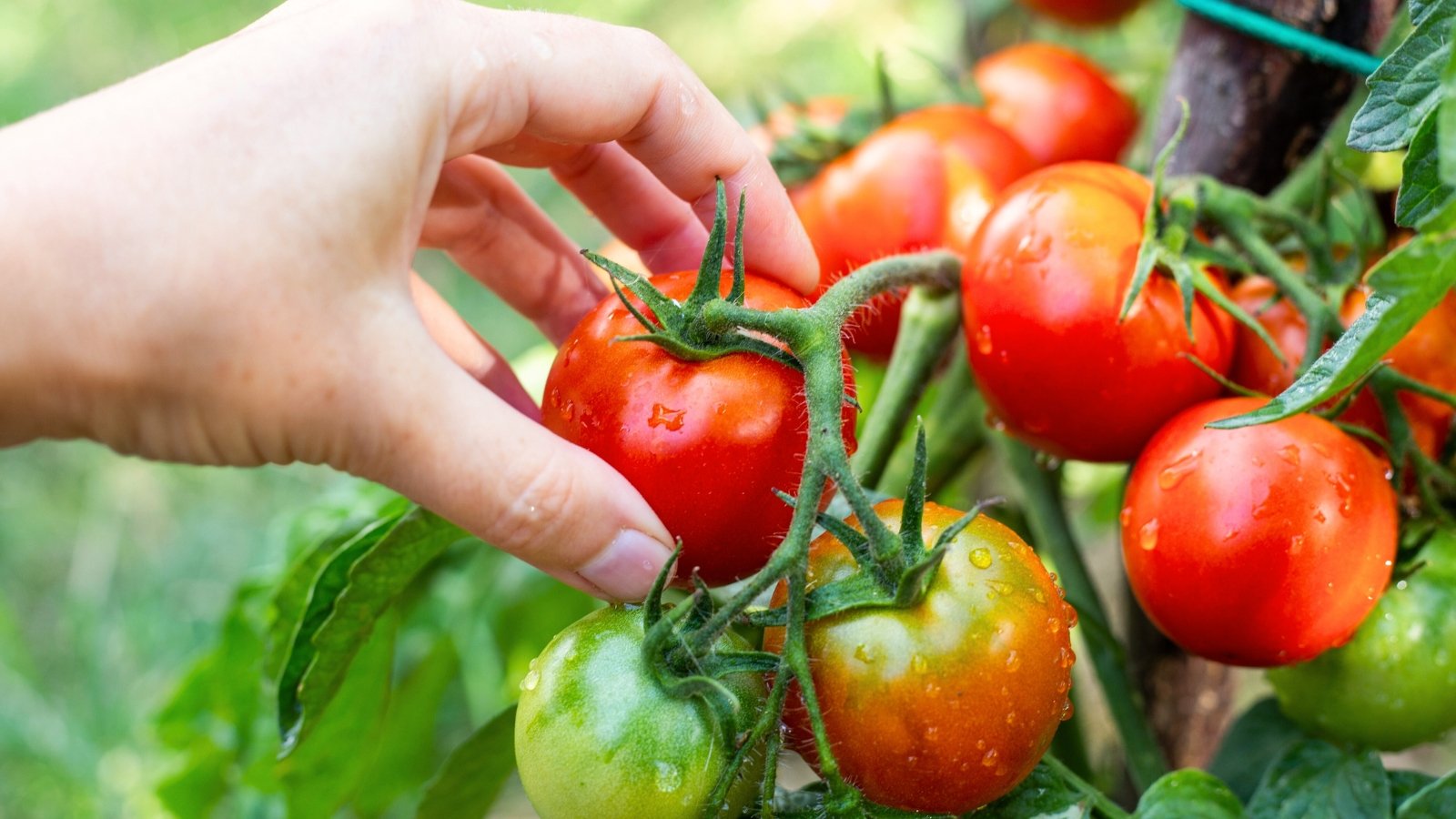
Tomatoes aren’t calorie-dense, but they earn their place in a subsistence garden through sheer versatility. Canned whole tomatoes, sauce, paste, salsa, and dried tomatoes form the base of countless meals, and a dozen plants can produce over a hundred pounds of fruit in a good year.
Because they’re high in acid, they’re also one of the few crops you can safely preserve with a simple water bath canner rather than a pressure canner.
Grow paste varieties (like ‘San Marzano’) if preservation is the priority. They have more flesh, less water, and cook down into sauce faster than slicing types. A few slicing or cherry tomato plants for fresh eating are worth adding if space allows, but paste types are where the long-term food value is.
Start seeds indoors six to eight weeks before your last frost and transplant after nighttime temperatures are reliably above 50°F (10°C). Tomatoes are heavy feeders and need consistent water through the growing season, so plant them where you can water easily and amend the soil well with compost.
Cabbage

Some people think I’m a little extreme for doing this, but I’ve replaced lettuce with cabbage in almost all my favorite salad recipes, and it’s delicious. It lasts far longer than lettuce does and has the same crunch with more nutritional value.
Cabbage is one of the few fresh vegetables that stores well without any processing. A head of cabbage kept in a root cellar or cold garage can last for months.
Beyond storage, cabbage is one of the easiest crops to ferment. Sauerkraut requires nothing more than cabbage, salt, and time, and it keeps for months while providing vitamins and probiotics that are hard to come by in a subsistence garden.
Plant transplants in early spring for a summer harvest, or start a second round in midsummer for a fall crop. Fall-harvested cabbage tends to store longer than summer cabbage because the heads tighten up in cooler weather.
Onions and Garlic
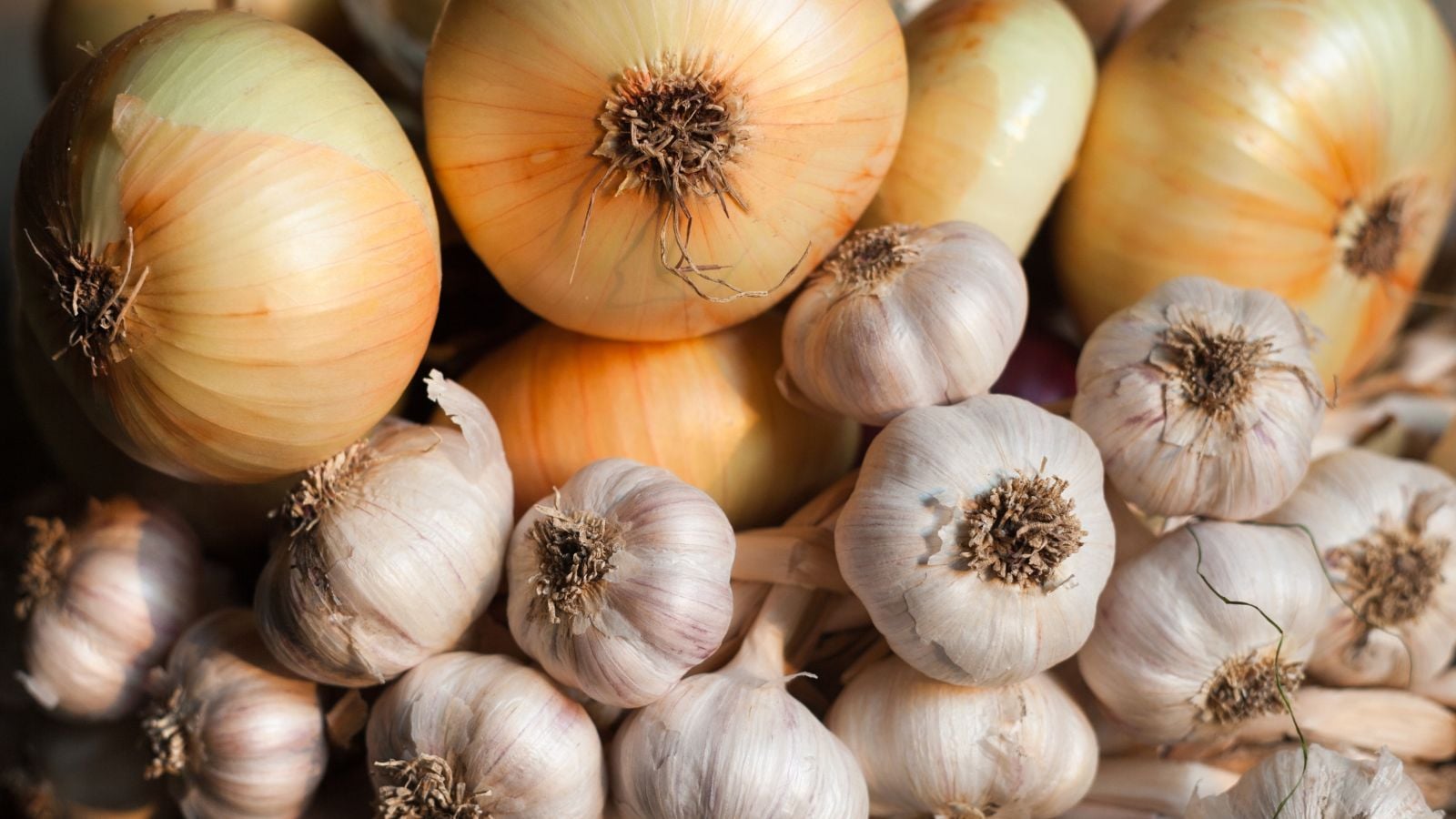
Neither of these subsistence garden crops is going to be the calorie backbone of your diet, but they make everything else taste better and store well on their own. A subsistence diet built on potatoes, beans, squash, and cabbage is nutritionally sound but monotonous without something to season it. Onions and garlic fill that role, and they can be densely planted, so they don’t need much space relative to what they produce.
Plant onion sets in early spring and harvest in midsummer. Choose long-day varieties if you’re in the North, short-day if you’re in the South, and intermediate types for the middle of the country. Cure them in a warm, dry spot for a couple of weeks after harvest and they should last through winter.
Garlic goes into the ground in fall and comes out the following summer. Plant individual cloves pointed end up, about two inches deep and six inches apart. After harvestcure for two weeks and store in a cool, dry place. A fall planting of garlic is one of the easiest things you can do to add months of seasoning to your pantry.
Kale
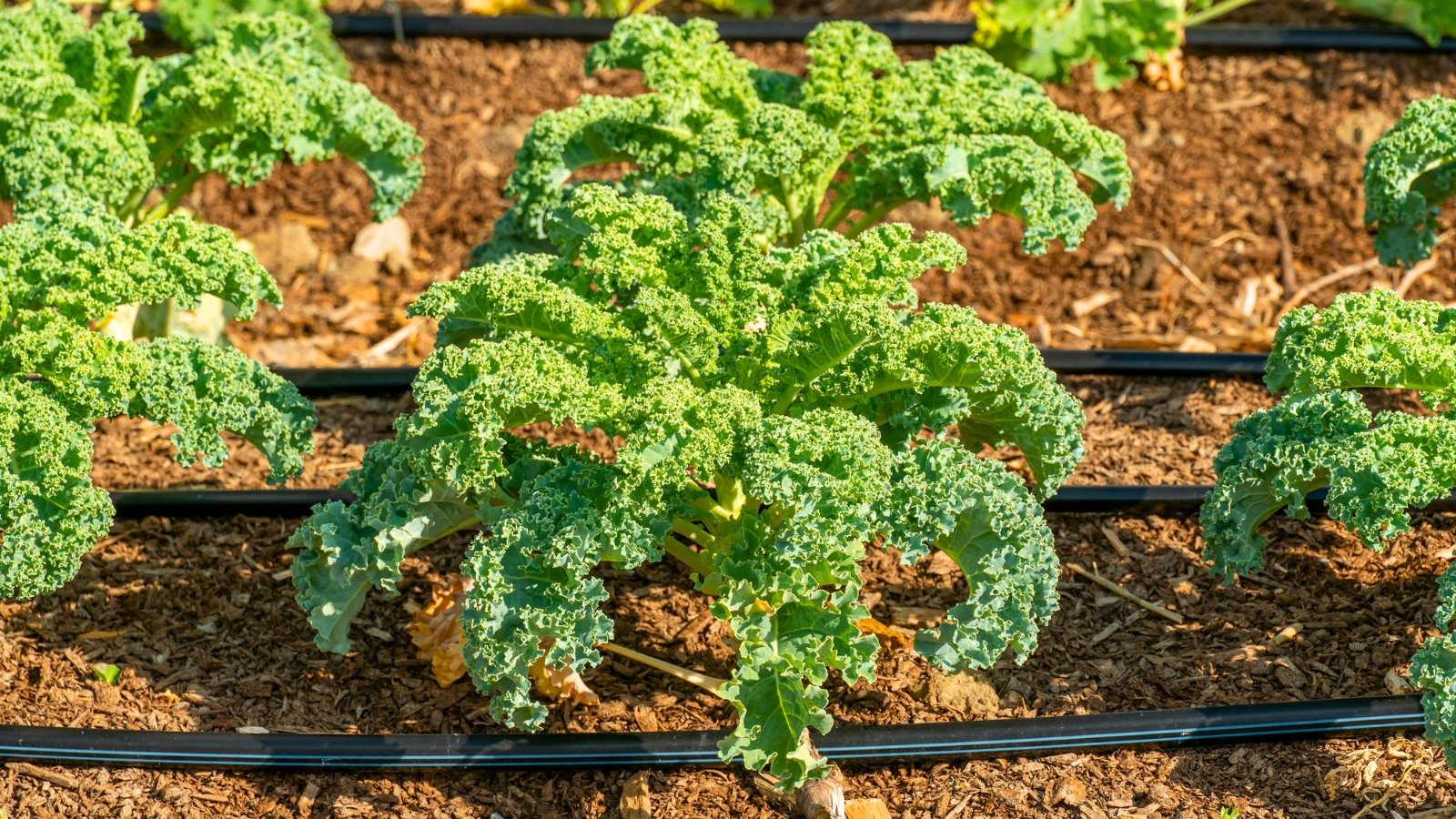
A subsistence garden focused entirely on calorie and storage crops will keep you fed, but you can’t forget about fresh vegetables. You need greens for vitamins and minerals that potatoes and beans don’t provide, and kale is the most practical choice because it produces over a longer season and handles cold better than other crops.
Kale tolerates frost, doesn’t bolt quickly in heat, and keeps producing new leaves for months when harvested regularly. A few plants can provide fresh greens from early spring through late fall, and sometimes through mild winters. It’s not the most exciting crop, but in terms of nutritional return per square foot over time, it’s hard to beat.
Sow seeds directly in the garden in early spring or late summer. Kale is forgiving about soil conditions and doesn’t need the heavy feeding that tomatoes and squash require. It’s a good crop to tuck into the edges and gaps of a garden.
