


This tropical tree can be cultivated outdoors year round in USDA Hardiness Zones 9 to 12.
Curry leaves are used as a seasoning in the cuisines of South and Southeast Asia.
Read our guide for more tips and guidance on growing curry leaf trees!
5. Galangal
Galangal (Alpinia galanga) is a tropical spice that’s frequently used in Thai and Vietnamese food. You might not recognize it on your plate, but it imparts a unique citrusy flavor.
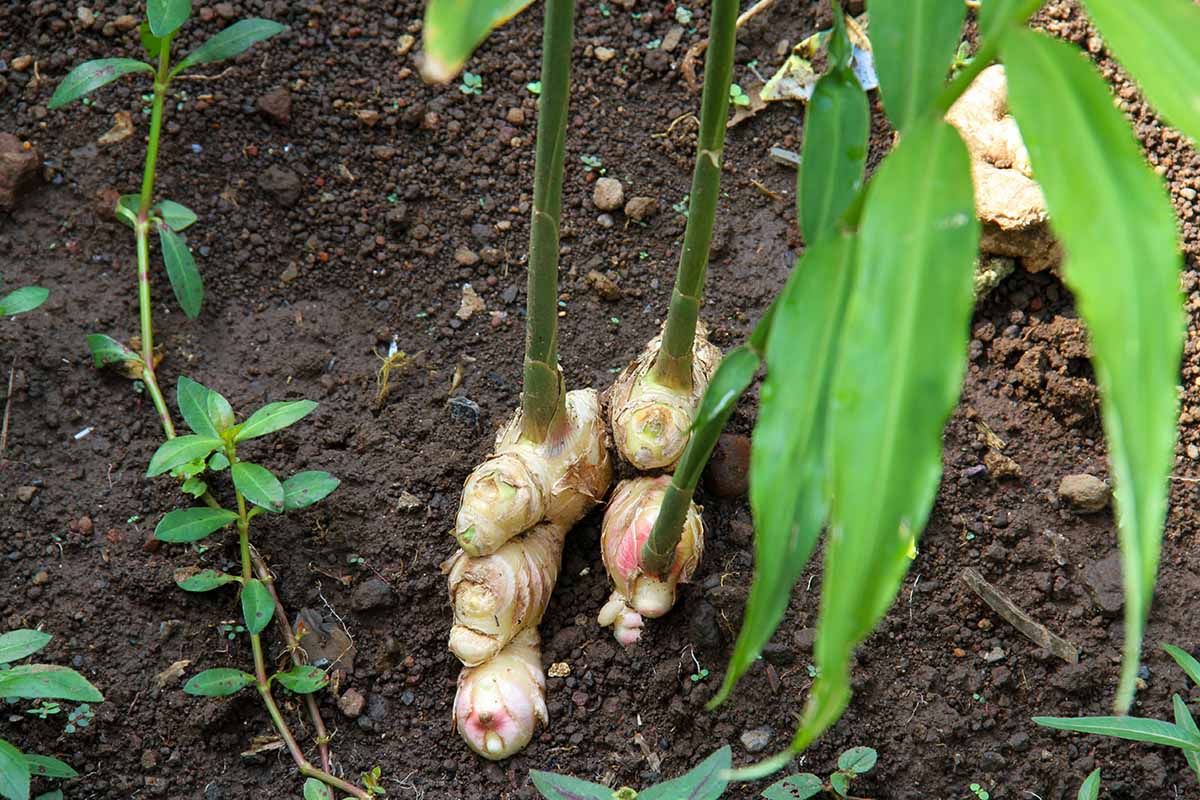
Also known as “Thai ginger,” galangal is one of the fabulous, spice-producing members of the ginger family I mentioned earlier in this article. Galangal is cultivated for its flavorful rhizomes.
Galangal plants bear long leaves that are widely spaced on upright stalks, and can reach over six feet tall.
Hardy in USDA Zones 9 to 12, galangal requires moist soil and thrives in part shade.
When cultivated from rhizomes, count on waiting about three months until harvest for this spice.
This tropical spice is a staple in Cambodian, Malaysian, Thai, and Vietnamese cuisine. Spice your next coconut soup with a slice or two of the rhizome and savor the flavor!

Want to be able to harvest your own galangal from your garden to use as a spice?
You’ll find fresh galangal rhizomes from Kejora via Amazon.
You can learn to propagate and grow galangal here.
6. Ghost Pepper
Ready to shift to another meaning of the word “spice” and turn up the heat in your garden?
For some of us, a meal isn’t really satisfying without the inclusion of some capsaicin, and the ghost pepper (Assamese capsicum) certainly packs it, coming in at over one million Scoville heat units.
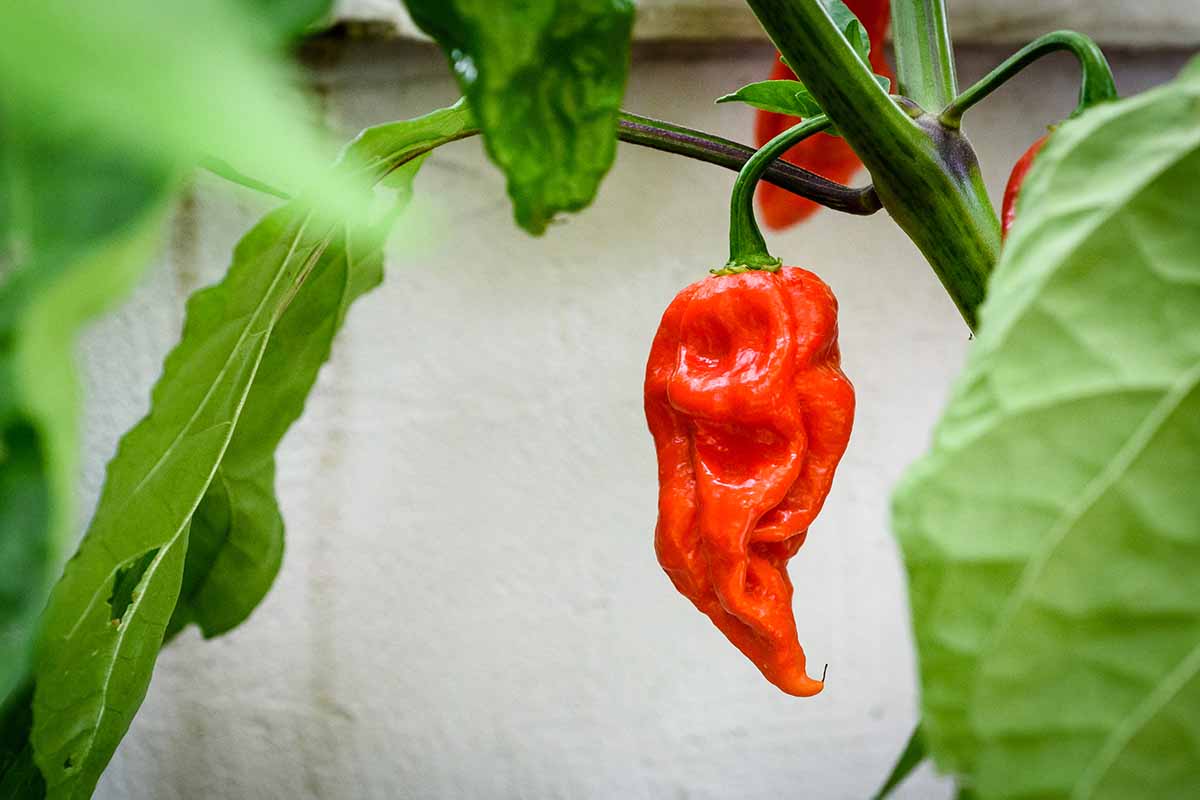
Also known as “bhut jolokia” or “naga jolokia,” the ghost pepper is a member of the nightshade family, which includes tomatoes, eggplantsand potatoes as well as bell peppers and other hot peppers.
Ghost pepper plants reach up to four feet tall and have lance-shaped leaves, bearing peppers that are tapered and wrinkly, maturing from green to orange to red.
These tropical peppers thrive in hot, humid conditions, require a long growing season, and are considered tender perennials in USDA Hardiness Zones 8 to 11.
In the garden, locate ghost peppers in full sun, plant in well-drained soil, and water when soil is dry one inch deep.
Expect a harvest of this tropical spice 120 to 150 days from transplanting.
If you are a chili head like me, I doubt you’ll need suggestions on how to use this hot pepper. It’s the perfect option to elevate a bowl of beans and rice or spice up some scrambled eggs.
What better way to start the day than with a kick of intense heat?
Whatever your intended use for this hot pepper, be sure to start off with small amounts – it’s a blazing forest fire in a tiny package.
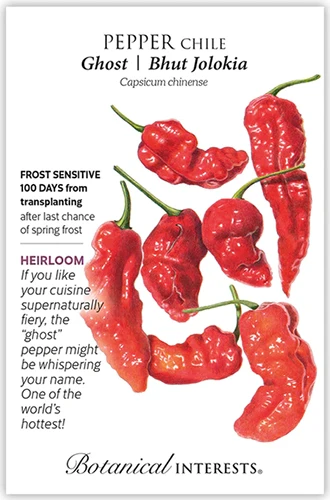
Ghost Pepper Bhut Jolokia Seeds
You can purchase packs of 15 ghost pepper seeds from Botanical Interests.
Learn more about growing and harvesting ghost peppers here.
7. Ginger
This next spice option is a great companion plant for galangal and cardamom in the garden.
Zingiber officinale is the tropical plant that lends its name to the delectable and delightful Zingiberaceae, also known as the ginger family.
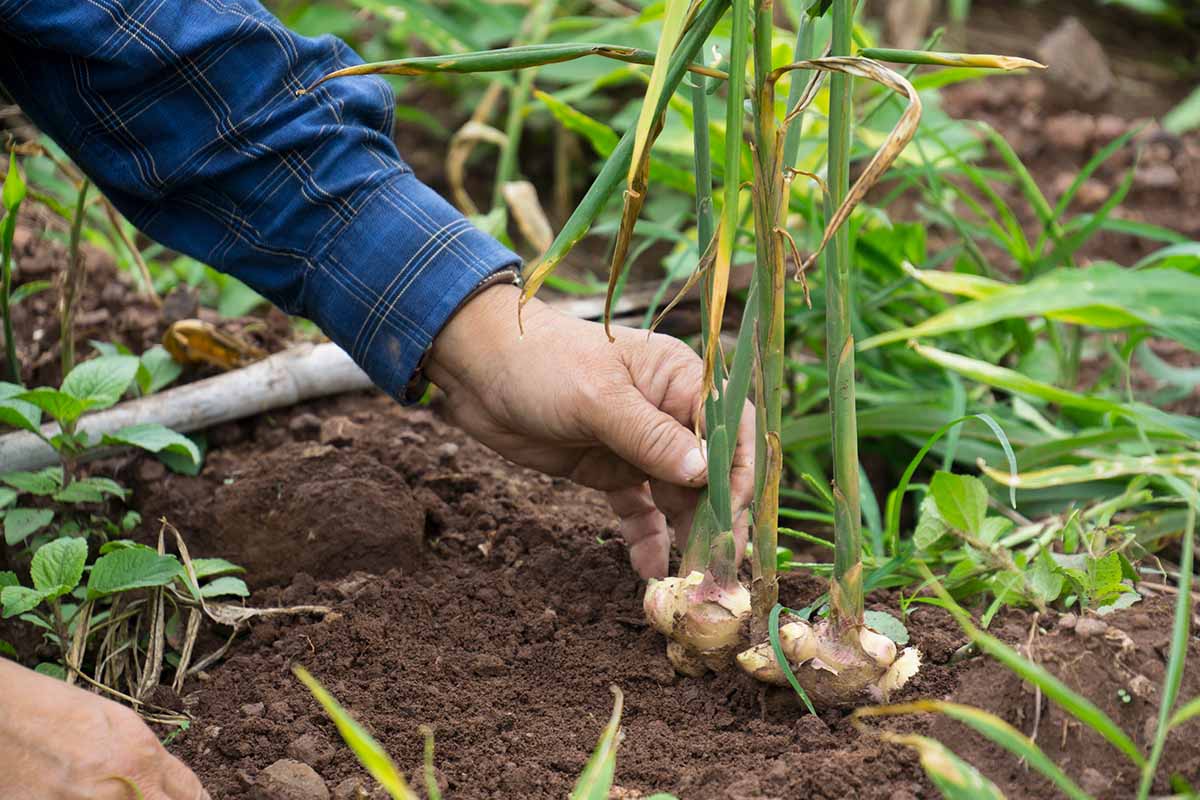
Ginger plants produce a rhizome used to flavor many a stir fry, but also culinary delights as diverse as gingerbread and ginger beer.
Reaching a little over three feet tall with narrow leaves, the edible rhizome, the source of the ubiquitous ginger spice, is also known commonly as “ginger root.”
This tropical spice can be cultivated in the garden year round in USDA Hardiness Zones 9 to 12, but ginger can also be grown indoors.
To care for ginger, plant in part shade and keep the soil moist. Plan to wait about eight to 10 months from planting rhizomes until your crop is ready to harvest.
Ginger has so many culinary uses that you might not realize just how pervasive this spice is in various cuisines across the world.
Whether it’s picked and used as a garnish for Japanese sushi, a seasoning in Indian dal, or as a spice in Dutch speculaas cookies, this rhizome crop has a widespread and established presence in the culinary world.
Speaking of cookies, if you suddenly have a hankering, check out this recipe for big and soft ginger cookies from our sister site, Foodal.
Use the store bought spice for this batch of cookies if you must, but start cultivating your own homegrown ginger root in the garden to flavor cookies truly made from scratch.
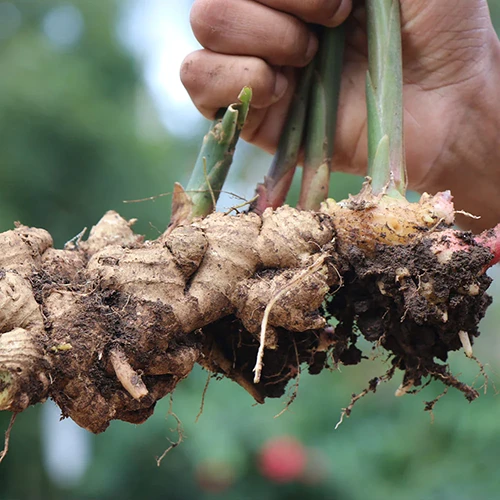
You can purchase organically-grown ginger plants in one-quart pots from Fast Growing Trees.
Check out our guide to growing and harvesting ginger in the home garden.
8. Green Peppercorn
Our next tropical herb for the garden offers a new look at a familiar spice.
While once considered a luxury item, black peppercorns are so commonplace these days that we expect to have a grinder sitting on every restaurant table to use free of charge.
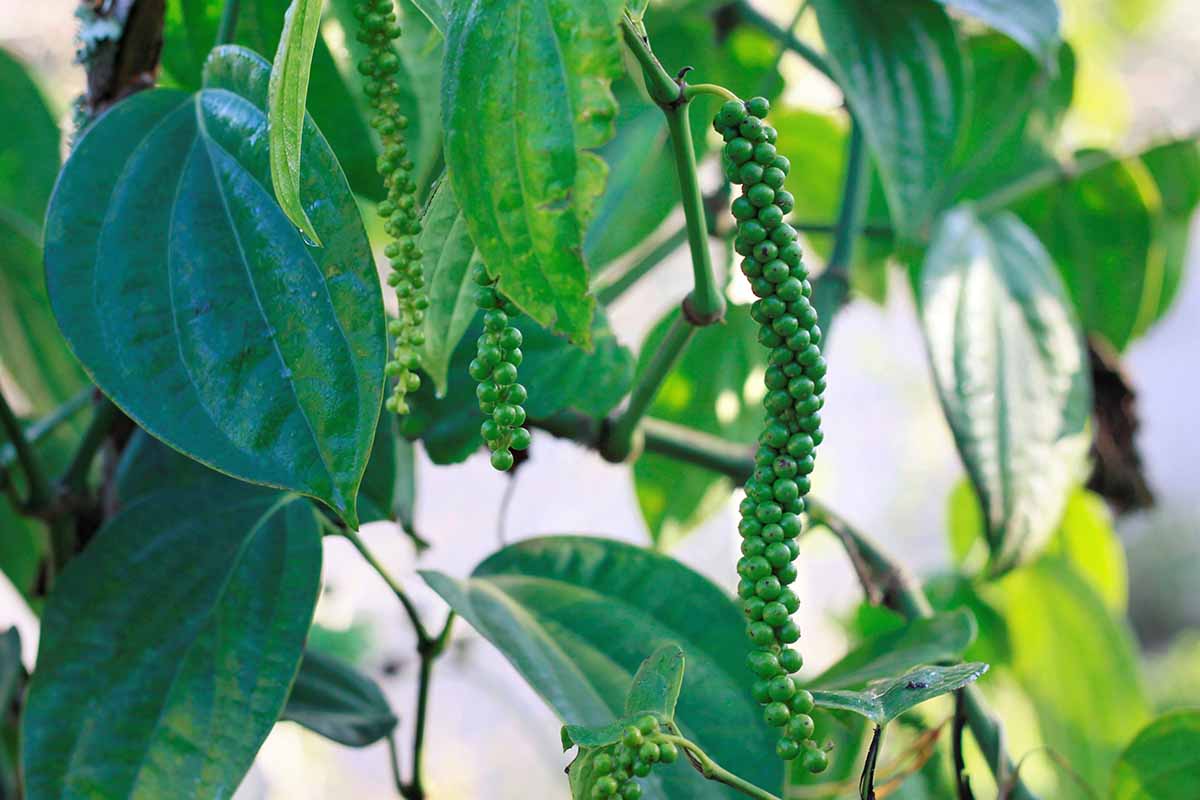
Though the dried peppercorns of Piper nigrum would hardly be considered a luxury ingredient anymore, fresh green peppercornson the other hand, offer a mind-blowing taste sensation that’s hard to come by.
Yes, these are the same peppercorns, only fresh rather than dried.
Peppercorns are grown commercially in tropical locales and don’t hold up long in their fresh form, so you won’t be likely to see it in the average North American grocery store.
Grow your own crop of this tropical spice, however, and the problem is solved!
A member of the Piperaceae family related to peperomias, P. nigrum is a vining tropical plant that produces long clusters of drupes – we know these as peppercorns.
Its leaves are heart shaped, the vines can reach 30 feet long, and can be grown outdoors year-round in USDA Hardiness Zones 10 to 11.
Peppercorn plants should be placed in part sun (or full sun in milder climates), in soil that is moist and well-draining.
Be patient – the vines only start bearing fruit after four to five years.
Personally, I lean towards a plant-based diet these days, fresh green peppercorns are scrumptious when included in a creamy pan sauce and poured over chicken or steak.
As an alternative to animal protein, mushrooms also provide a harmonious flavor combination with this spice.
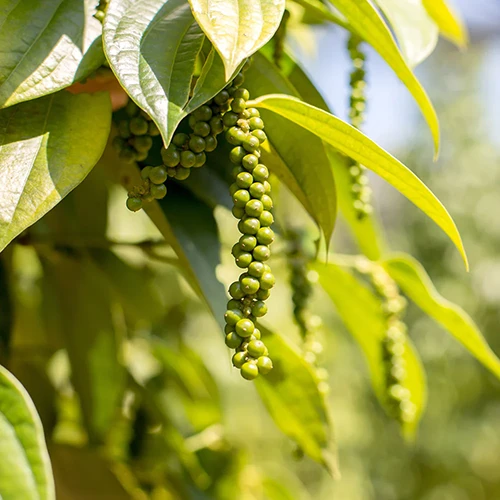
To start growing your own supply of green (or black!) peppercorns, you’ll find P. nigrum plants in three-gallon pots from Fast Growing Trees.
9. Lemongrass
For those who love citrus flavors that are gardening in small spaces and need the option of compact plants, this next tropical herb will be of interest.
Lemongrass (Cymbopogon citrates) is – as you would expect – a grass, but one that is extremely flavorful.
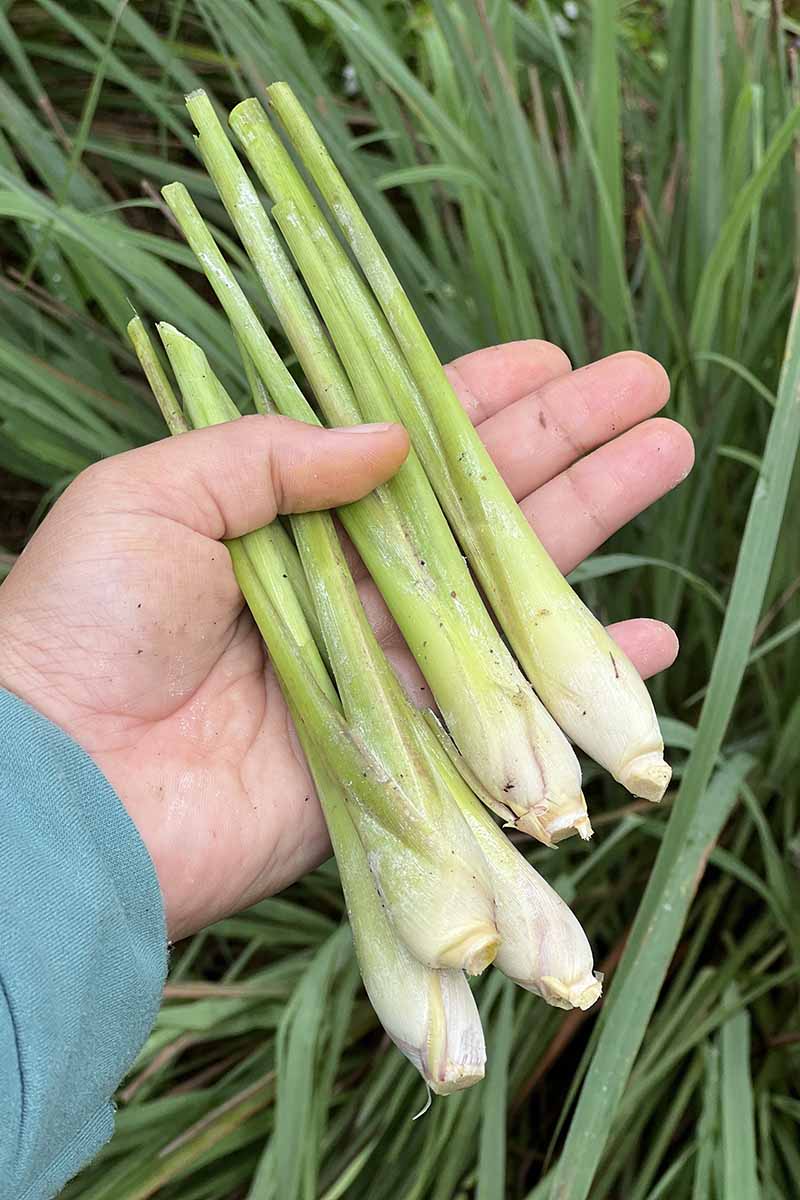
This member of the grass family or Poaceae is also known as “oil grass” in reference to its aromatic essential oils, the compounds responsible for making this tropical herb so flavorful.
The long, thin blades of lemongrass can reach up to four feet long at full size.
Lemongrass is cultivated in full sun in moist, well-draining soil, and needs water when the top inch of the soil is dry.
This tropical herb can be grown in the garden year round in USDA Hardiness Zones 8b to 11b. Seed-grown specimens will reach maturity in 75 to 100 days.
Lemongrass is used in many cuisines of Southeast Asia. It pairs beautifully with coconuts and peanuts in soups, noodle dishes, and curries.
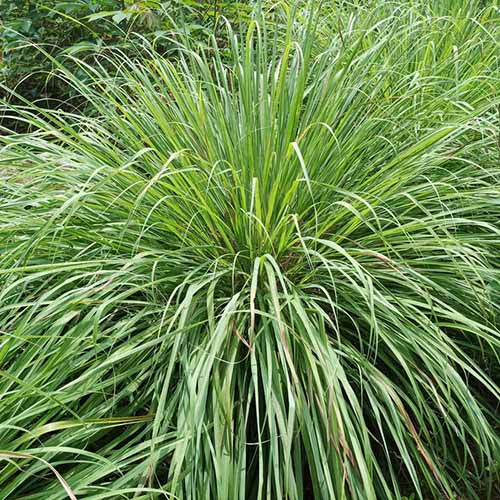
Ready to grow your own? You can find packets of seeds available at Eden Brothers.
Need more tips on growing and harvesting this flavorful tropical grass? Read our complete guide to growing lemongrass.
10. Shiso
Our next selection is a tropical herb with an incomparable flavor.
Shiso (Perilla bushy) is a subtropical to tropical herb that is easy to grow all year in Zones 10 to 11, or as a summer annual in cooler locations.
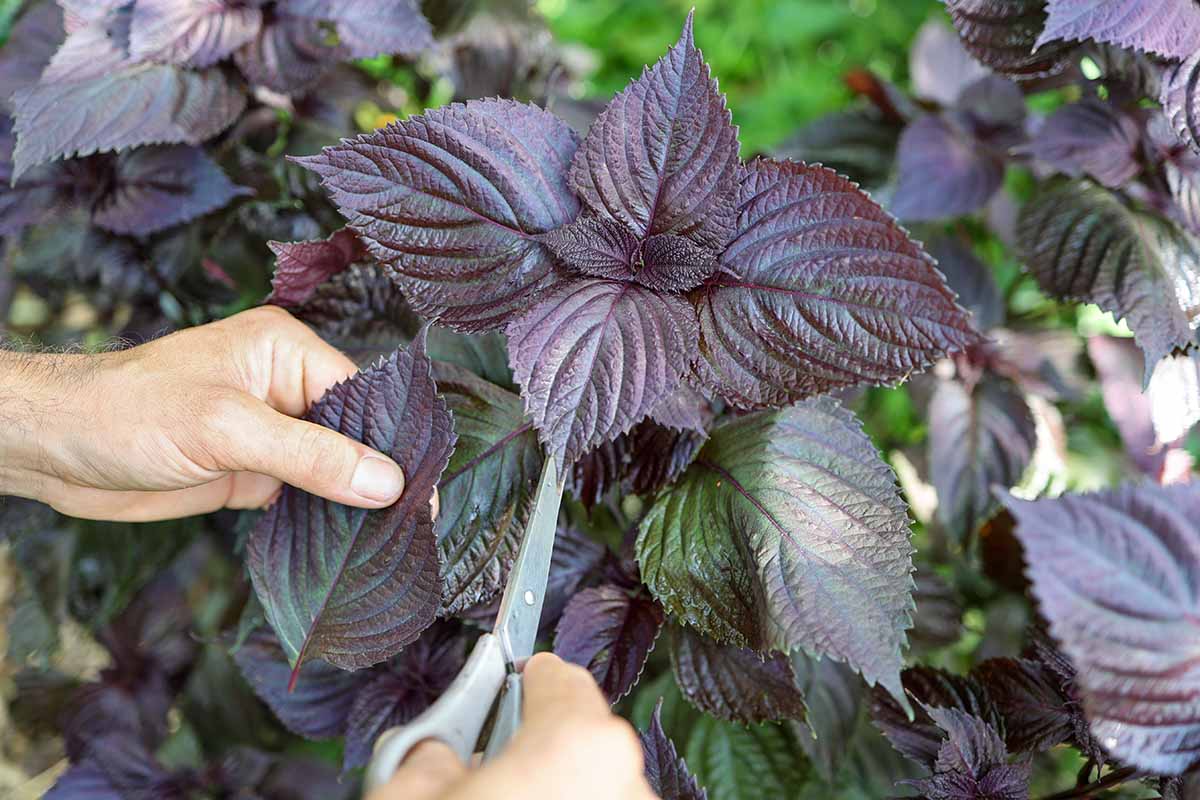
Also known as “perilla,” “beefsteak plant,” or “perilla mint,” shiso is a member of the mint family related to herbal staples such as basil, peppermintand rosemary.
Shiso reaches up to three feet tall with a one-and-a-half-foot spread. The green or purple leaves of this herb are oval shaped, wrinkled, and have serrated edges.
In the garden, shiso thrives in full sun or part shade and prefers well-drained soil.
The leaves can be picked sparingly as soon as young plants are a few inches tall, and more established plants can be harvested at will.
Shiso is listed as an invasive species in some locations, so be sure to check with your local extension office before growing it.
When it comes to flavor, perilla seems to be the inkblot test of herbs – ask 10 people what it tastes like, and you might get 10 different answers!
Some folks notice citrus or mint flavors, others may detect cinnamon and celery. The flavor I notice the most when partaking in shiso is similar to that of cumin.
While the leaves are fun to use as mini wraps, they can also be mixed into noodle dishes or used in pickle preparations.
In one of my most memorable encounters with this herb I was served a single, delicate fried shiso leaf on top of a sushi roll.
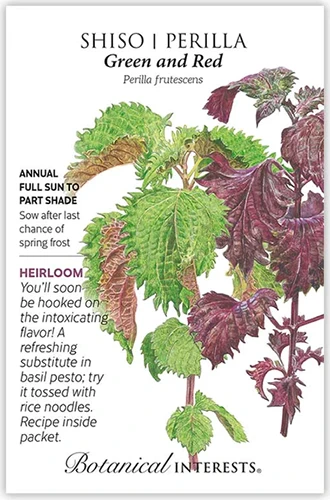
Red and Green Shiso Packs of 280 Seeds
Decide for yourself about the flavor of this tasty tropical herb! You’ll find shiso for purchase in packs of 280 seeds at Botanical Interests.
Learn more about growing shiso here.
11. Star Anise
If you are a fan of all things licorice or anise flavored, you may want to consider growing star anise (That’s right) in your tropical spice and herb garden.
Also known as “badian,” and not to be confused with aniseed (Pimpinella anisum)star anise is a small evergreen tree with oval, elliptical, or lance-shaped green leaves and striking pink or red flowers.
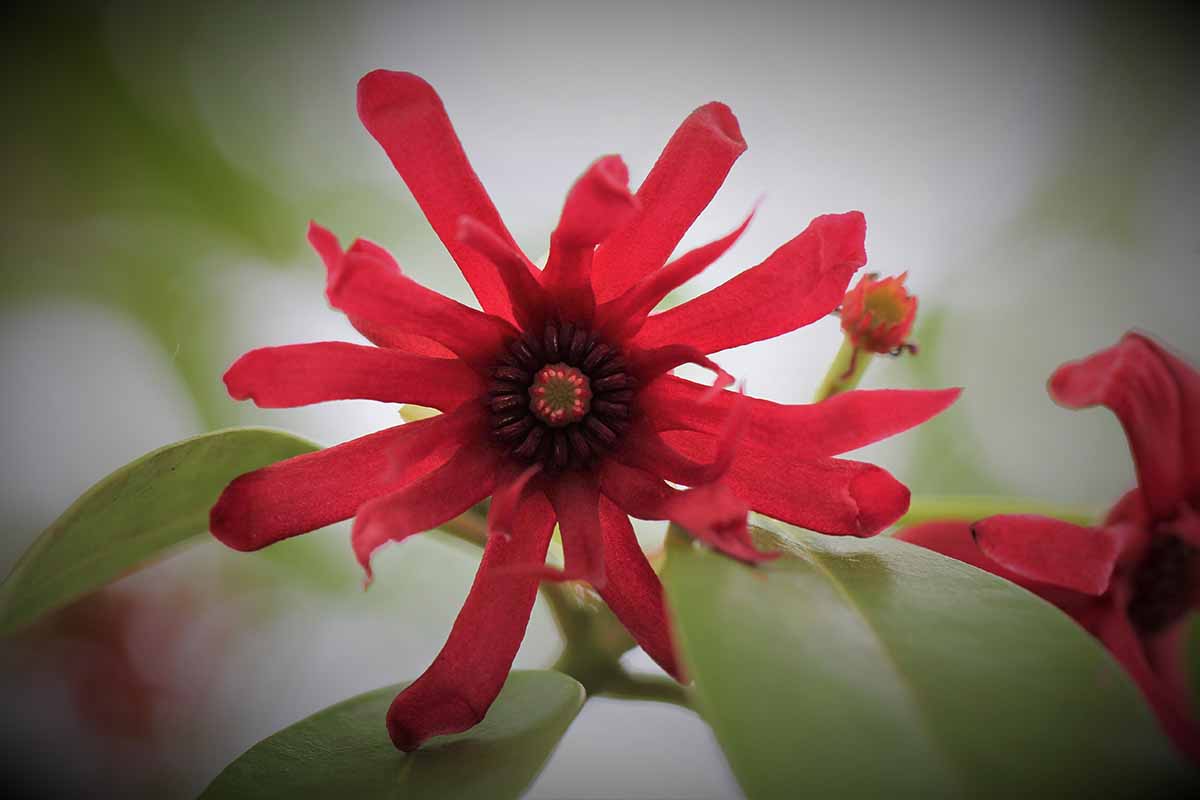
This tropical tree produces star-shaped, seed-filled fruits that are dried and used as spice.
Star anise trees grow to be 10 to 20 feet tall and five to 10 feet wide.
