


Who hasn’t had a hard time at some point with trying to keep their plants watered appropriately?
If you regularly forget to water or you keep giving your plants too darn much, get yourself a soil moisture meter. These garden tools take the guesswork out of watering for happier plants.
I’ve killed more plants than I care to admit by failing to give them the right amount of water.
It seems like such a straightforward gardening task, but it can be frustratingly difficult to master.
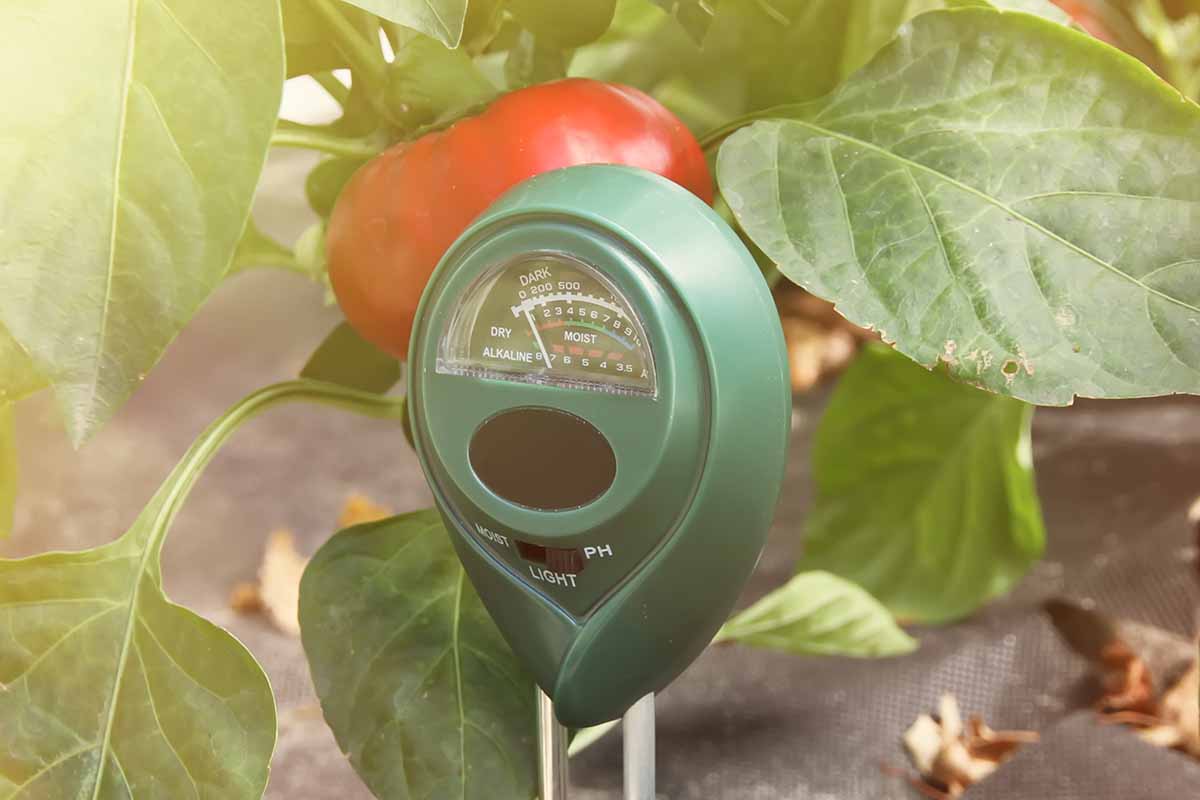
We link to vendors to help you find relevant products. If you buy from one of our links, we may earn a commission.
I’ve overwatered succulents, and I’ve let my fiddle leaf fig get so dry that it started tossing its leaves to the ground in protest.
After I discovered the world of soil moisture meters I have never looked back. These handy tools help take the guesswork out of watering.
Sure, you can stick your finger in the soil, but this is more of an art than a science, an imprecise way of figuring out what your plants need.
And with this method, you can only tell what’s happening in the top few inches.
A moisture meter can tell you exactly how moist the soil is, and not just in the top few inches, but up to a foot down – or more!
Thanks to my hygrometer, I’m not killing plants because of bad watering practices anymore.
Want to know how to put these handy garden tools to work for you? Here’s what we’ll cover:
What Is a Soil Moisture Meter?
Soil moisture meters are small hygrometers, or tools that let you measure average moisture levels, that you can insert into the earth to determine how moist it is.
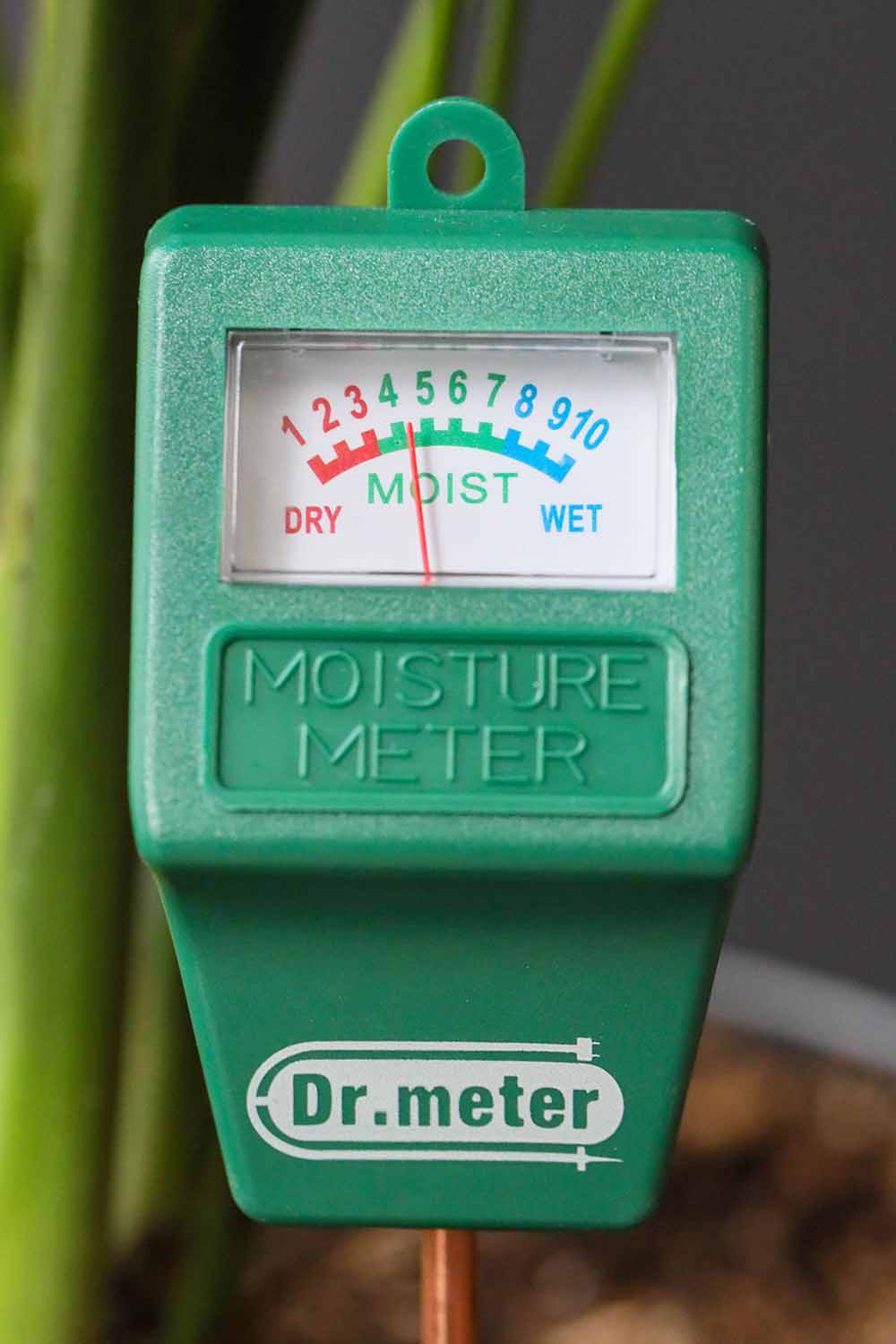
This provides a consistent analysis of how much water is in your growing medium, letting you know when it’s time to water, or if you should hold off for now.
These tools typically give you a reading within 60 seconds, and they’re simple to use.
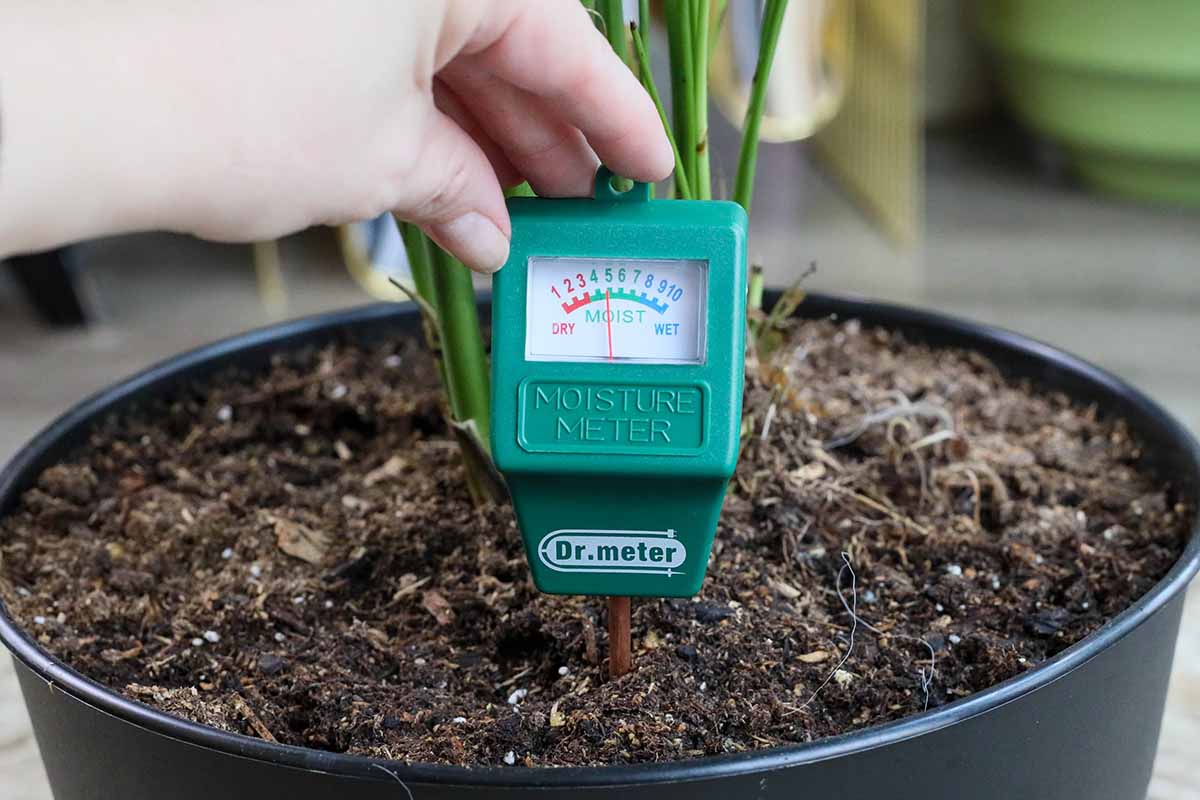
Most of them have a little window display that shows the moisture level on a scale, typically ranging from dry to wet.
Some have a numerical scale, a color-coded face, or both, to make reading the moisture level easy. And most don’t even require batteries to give you your reading!
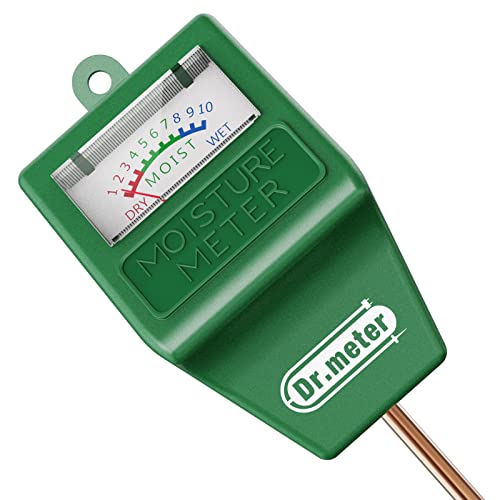
The one that I rely on is made by Dr. Meter. You can purchase one of these at many nurseries or via Amazon.
Find more models in our supplemental guide: 9 of the Best Soil Moisture Meters for Your Garden.
Some meters only measure water, but others are available that also read pH and light levels.
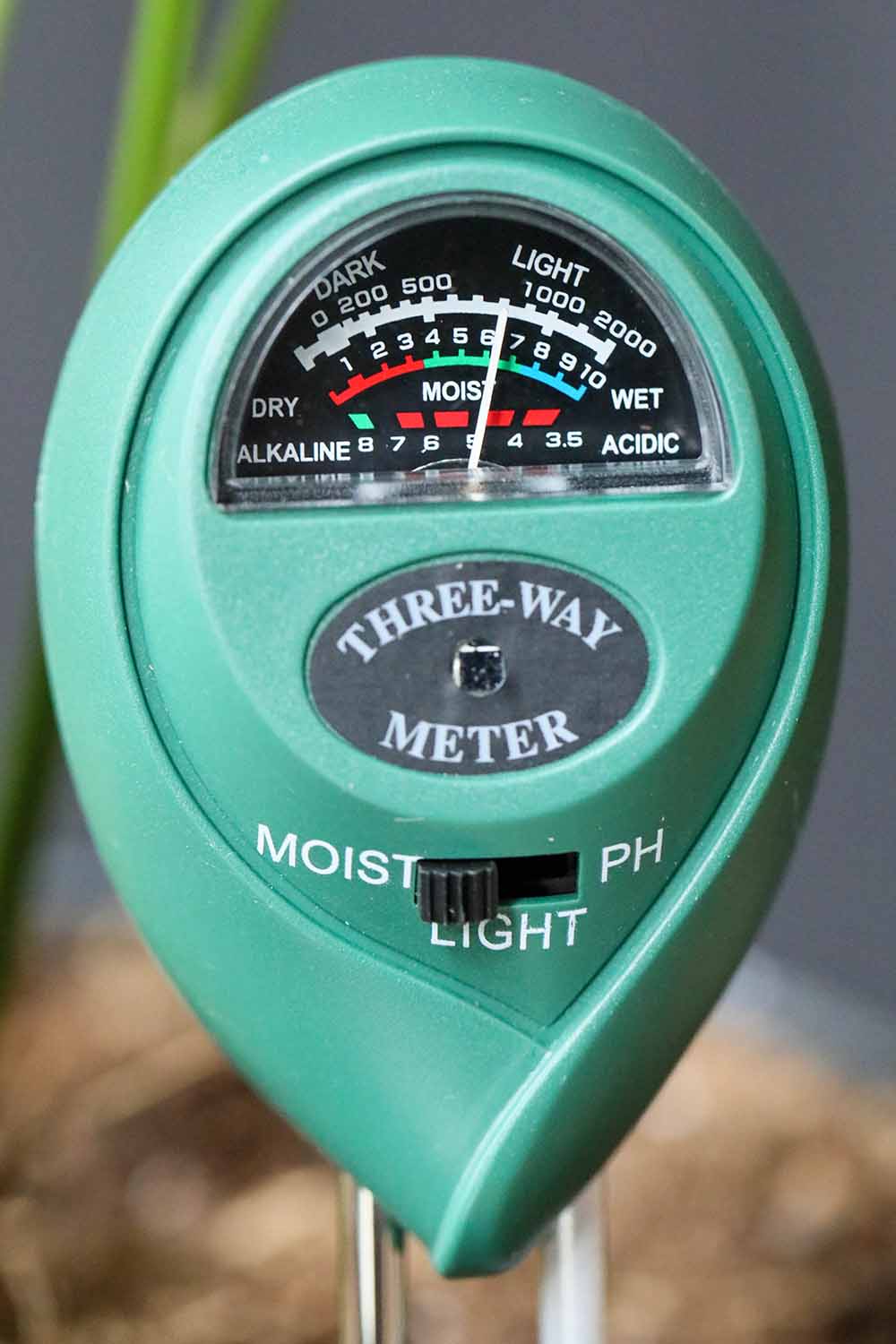
If you like the three-way style that provides all of these readings at once, you can pick up one at Arbico Organics.
Are these tools magic? Nope. They measure moisture by detecting electrical currents in the soil. The more moisture is available, the higher the currents are.
How to Use a Moisture Meter
To put this handy tool to work, gently insert the probe end into the soil so that it is buried four-fifths of the way deep.
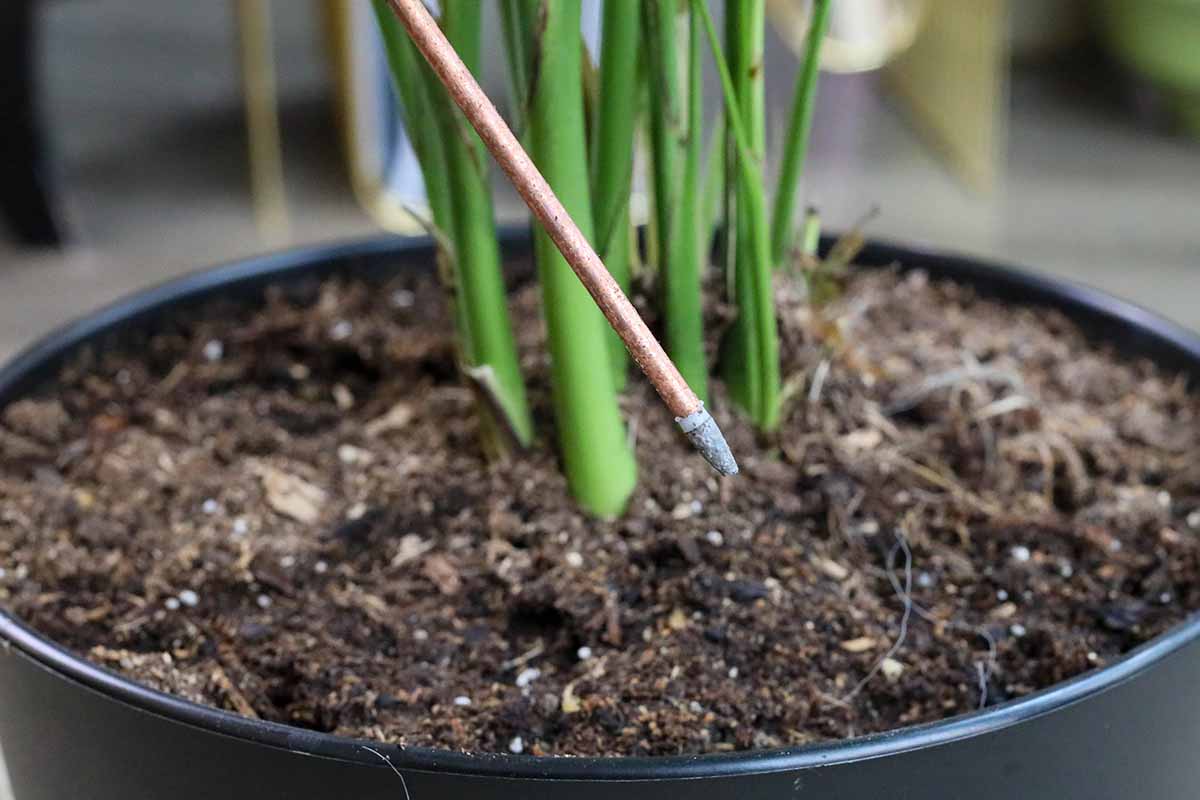
Don’t force it. If you meet resistance, try another spot.
If you’re using a product with two probes, be sure to insert it vertically.
Wait 60 seconds, then check the moisture level reading in the display window.
Compare the reading to the needs of your particular plant.
For instance, cacti and succulents like to be on the moist end of dry when they are freshly watered.
Cannas and Siberian irises prefer to be on the wet end of the spectrum. And some plants prefer to dry out quite a bit between waterings while others prefer consistently moist soil.
In other words, when you check your meter, don’t assume that a result putting your soil moisture in the mid-range is ideal.
You want drier soil for some plants and wetter for others.
If you check your cactus and it shows as a three – or on the moist end of dry – it probably doesn’t need water.
But if you are checking an orchid and it shows as a three on the scale, it needs a drink, stat.
After watering, let the plant sit for a minute and check the results again.
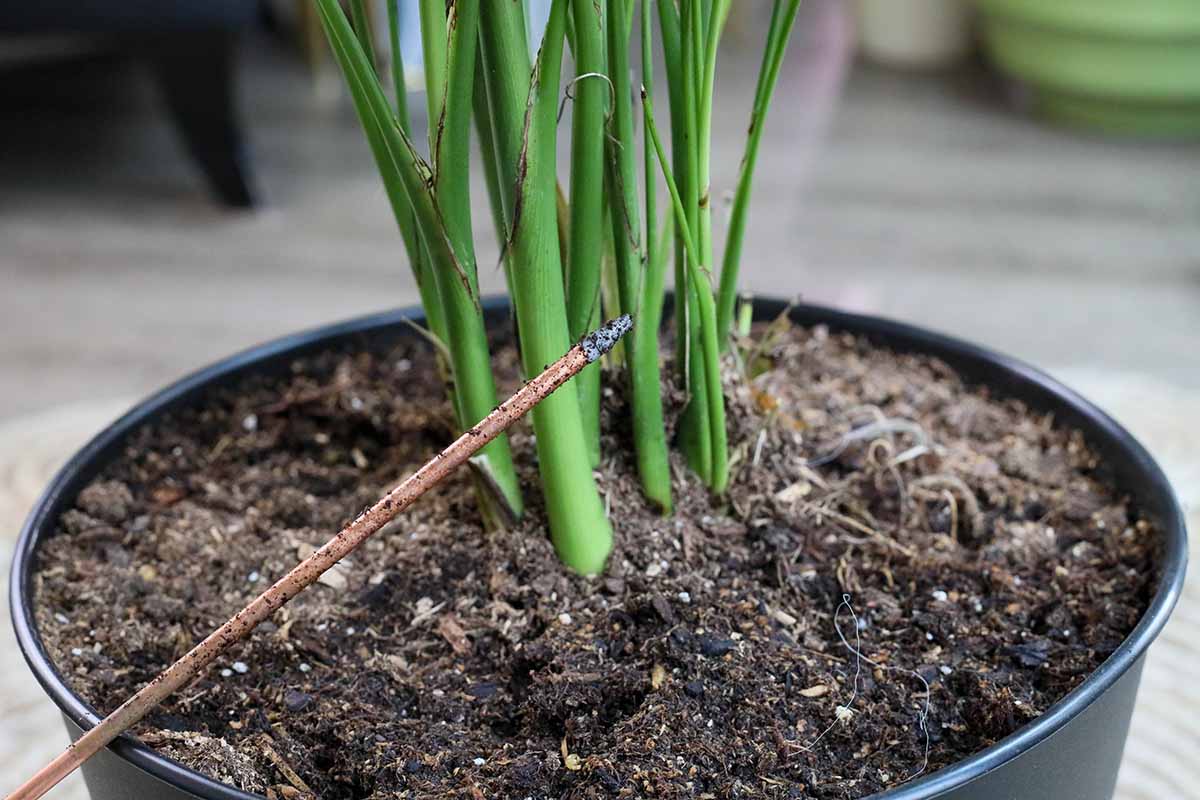
Once you’re done, remove the probe, wipe it clean, and store it.
Don’t leave it in the soil because the probe will rapidly degrade.
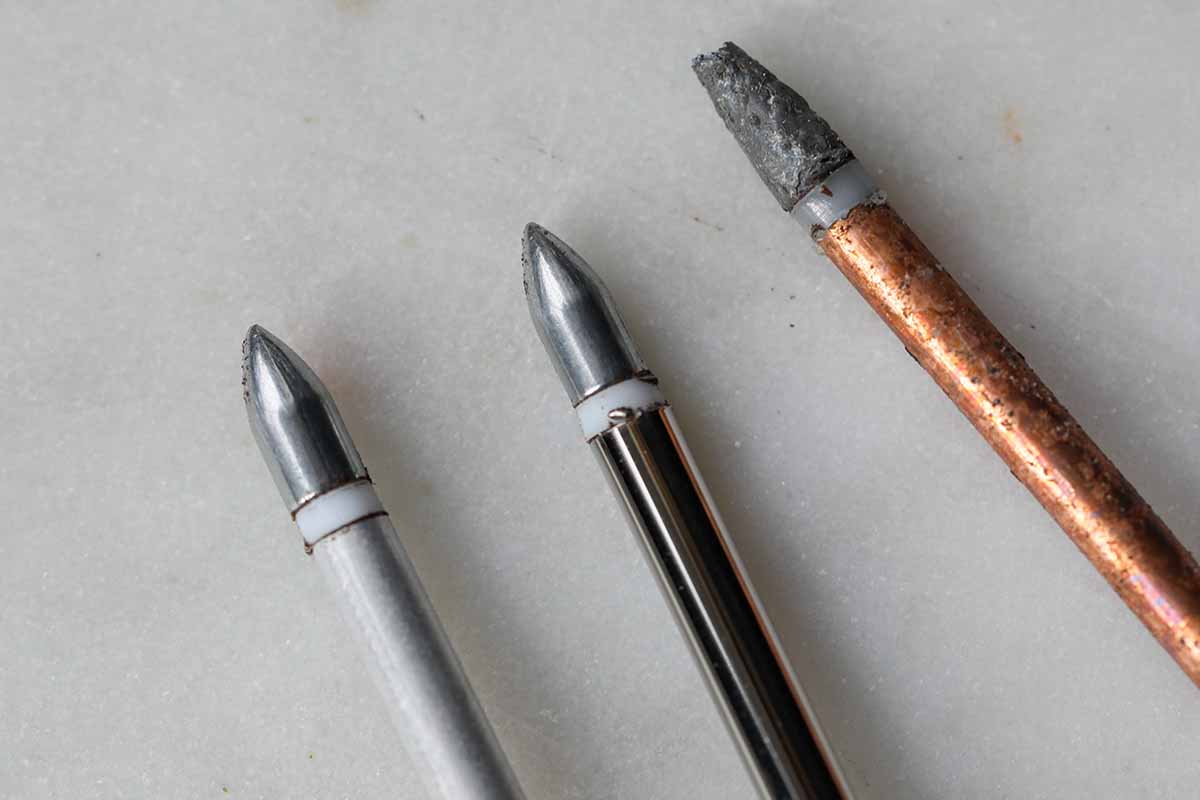
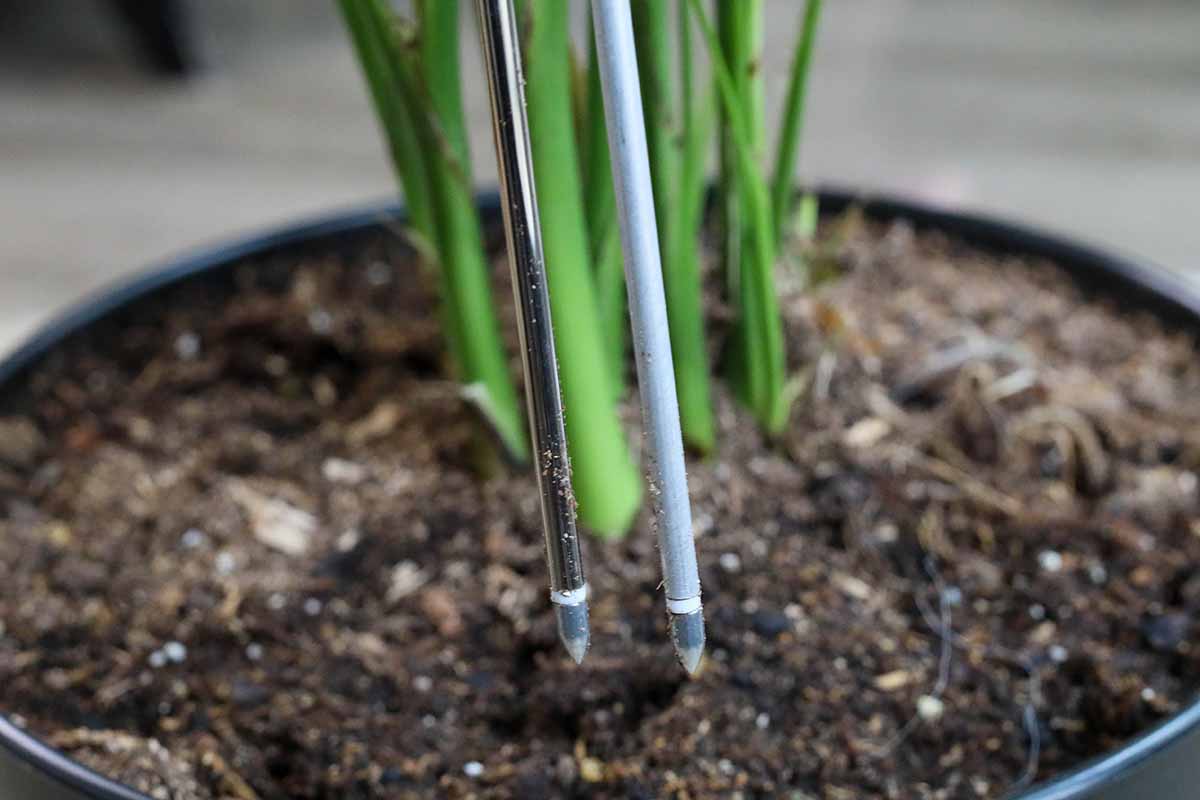
See these two probes?
One was left in the soil for a month (okay, maybe more like three months. What? I got busy), while the other has been removed consistently after use and cleaned.
Troubleshooting Tips
While these are pretty straightforward tools, they are still subject to problems.
Sometimes a probe fails to provide a reading or the needle may bounce around like a rabbit after downing a pot of coffee.
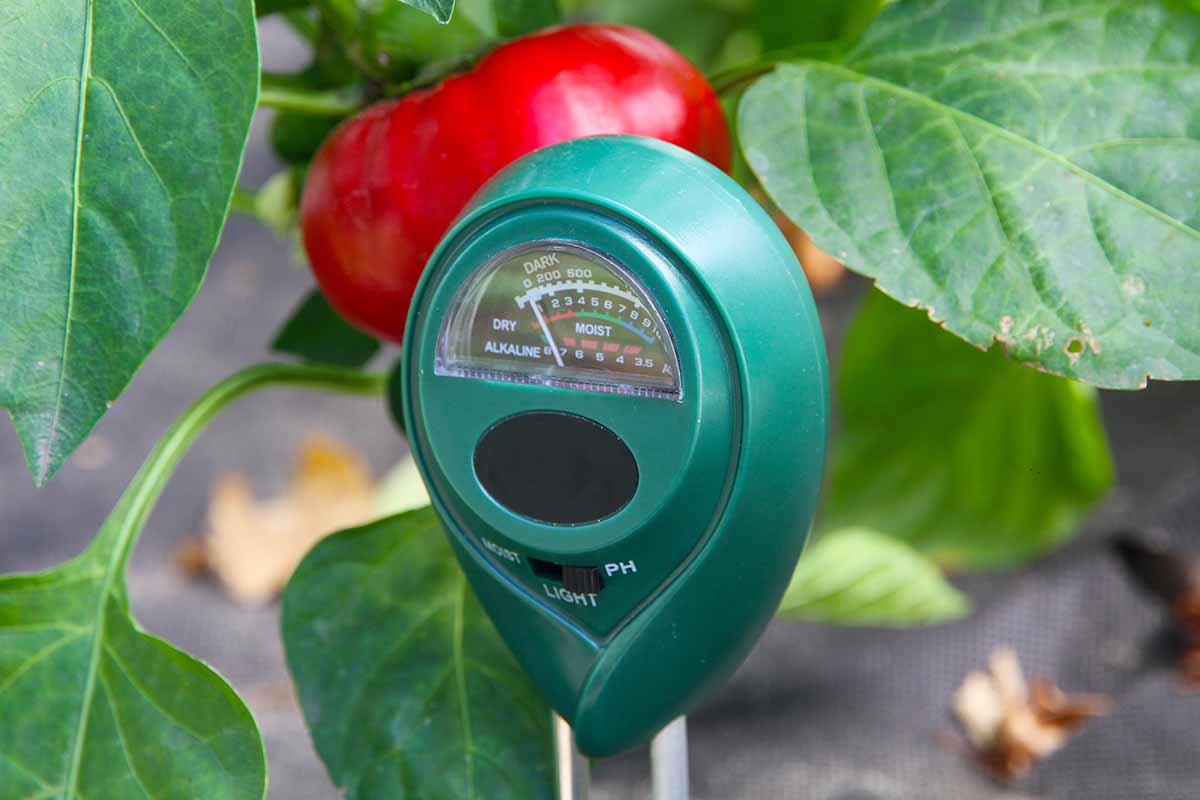
If you put the probe in and the needle doesn’t move, remove it and wipe the probe clean.
DON’T stick it in a container of water to see if it’s working. The probe won’t work in water and is intended for use in soil only.
Instead, soak some soil thoroughly with water to do a test. It should be completely saturated so that it drips water if you pick up a sample.
