


4. ‘No Mow May’ isn’t the best idea.
While the rhyming moniker is well-intentioned (it’s meant to let lawns grow long and go to flower for pollinators), it is not the best way to care for your lawn. Nor does it provide long-term habitat if you just go back to regular mowing at the end of the month. Instead, mow high (3 to 4 inches) and frequently enough to avoid piles of grass clippings. Turf grass experts do not recommend removing more than ⅓ of a grass when cutting because it can stress the plants, and May is often when the grass is going quickly.

5. Leaving clippings is great for the lawn—up to a point.
Leaving grass clippings on the lawn is gospel for organic lawn care because the decomposing grass clippings naturally feed the soil. However, if you’ve missed some mowings, it might be wise to bag the clippings and put them on the compost pile so the clumps don’t smother the living grass. “If it’s clumped up all over the place I’d say, put it in the bag, get it out of there,” says Rossi.
6. It can take years to establish a new lawn.
Growing a new stretch of lawn takes time, especially without the help of synthetic fertilizers. Rossi says it can take 5 to 10 years to get full coverage of the soil, which should be the goal—no bare dirt for weeds to take root.
7. Your mower blade needs to be regularly sharpened.
I confess I’ve never had my mower blade sharpened, but Rossi says blades should be sharpened annually—at minimum. A dull blade increases fuel consumption on gas engine mowers; it also leaves a ragged cut, making grass more susceptible to disease and more raggedy-looking. In his book, Tukey notes that a dull blade can also yank young seedlings out of the soil. “If you’re mowing a 10,000 square foot yard every week from April to October, I think mid-season you should re-sharpen that blade again,” Rossi adds.
8. Watering every day is harming your lawn.
Many people have their lawn irrigation set to go off every day, sometimes multiple times a day, no matter what the weather. It may result in green grass, but this means the grass never grows deep roots, which makes the turf more resilient. Instead, you should water only twice a week, long and deep. Rossi is a big fan of irrigation systems that can sense the moisture levels in the soil.
9. A diverse seed mix is key.
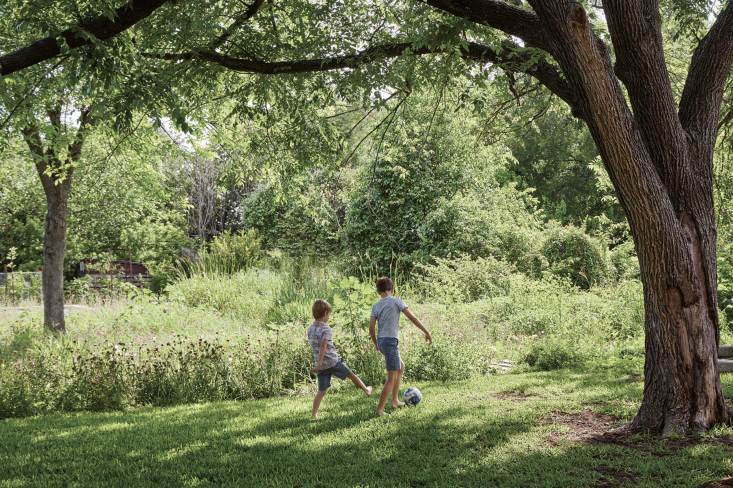
For a more resilient lawn, your best bet is to reseed with a variety of grass types. Look for a grass labelled as a “mix,” which indicates more than one species of grass; a “blend” contains multiple cultivars of one species, which is less diverse. To find a grass type suitable for your region, try searching through your state’s extension service (they aren’t trying to sell anything and offer unbiased information).
10. Brown isn’t dead.
If your lawn turns brown during drought, it doesn’t mean it died. It may have gone dormant. Don’t be tempted to feed a dormant lawn, says Rossi, who says studies show nitrogen isn’t being taken up when grass isn’t growing. If your region is experiencing extended drought, you may want to water your lawn a little, but not so much that it breaks dormancy in the height of the drought.
11. Organic matter matters.
There’s one important soil test that’s often skipped: The quantity of organic matter in the soil. The percentage of organic matter is an indicator of soil health, and conventionally-treated lawns transitioning to organic care are often low in organic matter. Tukey suggests you need 5 to 8 percent organic matter to have a successful organic system. The way to get that number up? Top dress with compost over the lawn every year and leave your (short) grass clippings.
See also:
(Visited 2 times, 2 visits today)
