


Hi GPODers!
As the flowers of the growing season fade, we also say goodbye to the busy pollinators that filled our gardens with the buzz of the busy season just a few months ago. To commemorate these important insects until we see them again next year, Lynn DeSantis has shared several photos of the many pollinators that visited her garden this year. Lynn gardens near Lake St. Clair in Michigan, and has shared her flower-filled pollinator garden with us once in the past (Flowers Fit for a Monarch). It’s fantastic to finally see her beautiful blooms again, and to see even more beneficial bugs enjoying her landscape.
Lynn DeSantis has gardened in zone 7b near Lake St. Clair in MI for the last 17 yrs. During the first year that we lived here a well meaning neighbor sprayed herbicide over the extensive old rose garden that was already here. After pulling out a load of dead rose bushes in the heat of August, we were able to plant a perennial garden (which I preferred anyway). A blessing in disguise. Since then my current focus has been adding more native plants. Our garden is designed to flower and support pollinators from glory of the snow (Chionodoxa luciliaeZones 3–8) blue blooms in May to the tall purple helmets of aconite in November.
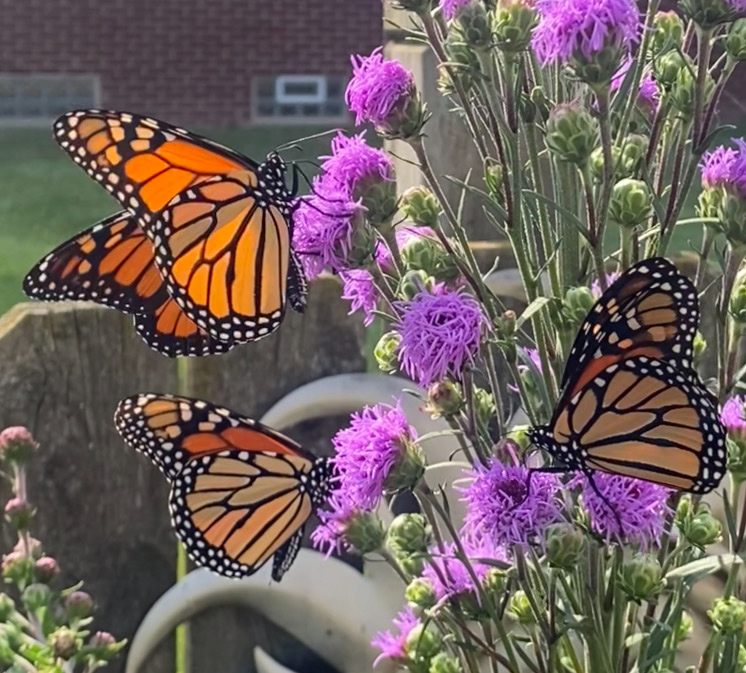 When they say that meadow blazing star (Liatris ligulistylisZones 3–7) is a monarch magnet, they’re not kidding! Adding this plant to my pollinator garden easily quadrupled the visiting monarchs.
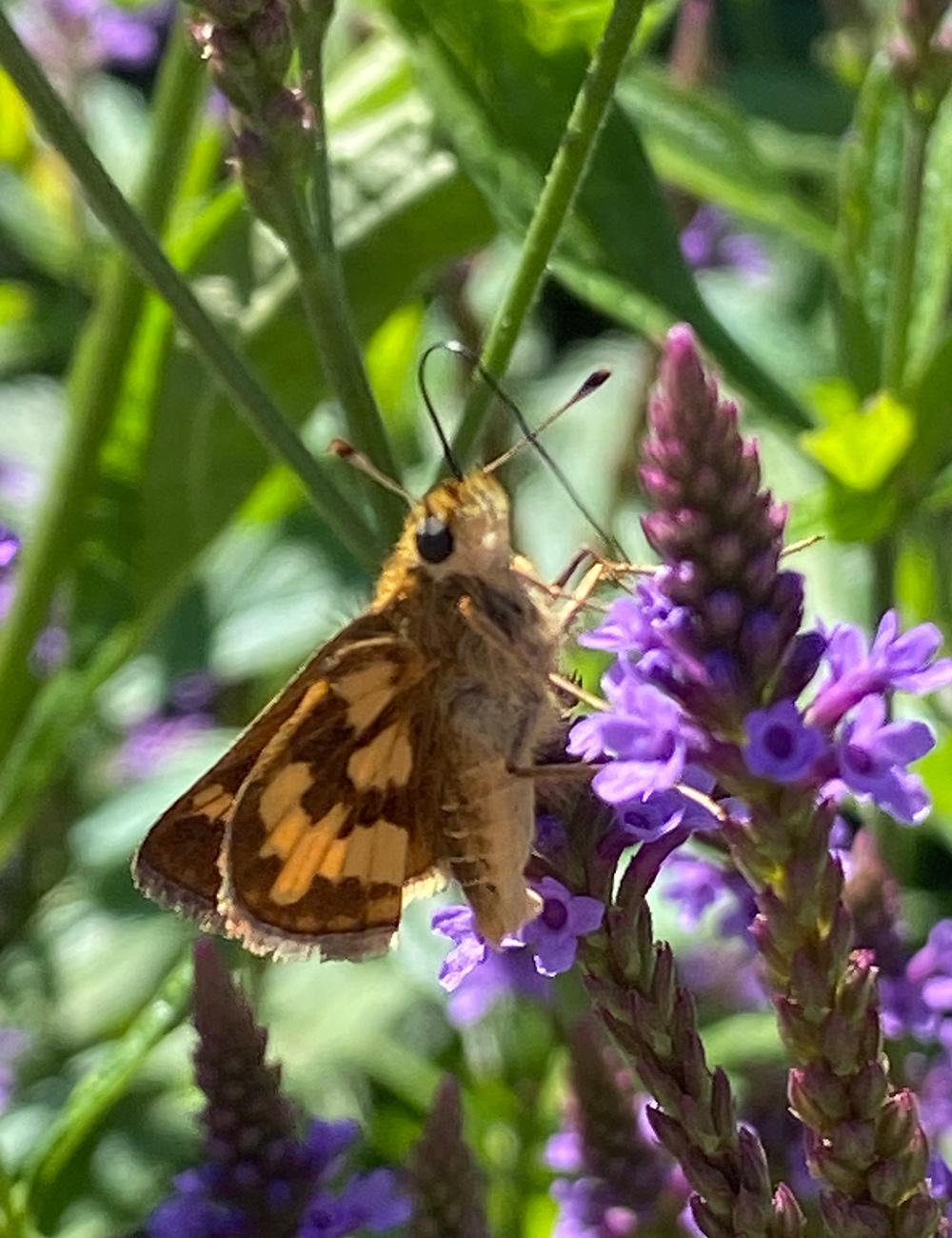 Peck’s skipper (Polites peckius) on blue vervain (Verbena spearedZones 3–8).
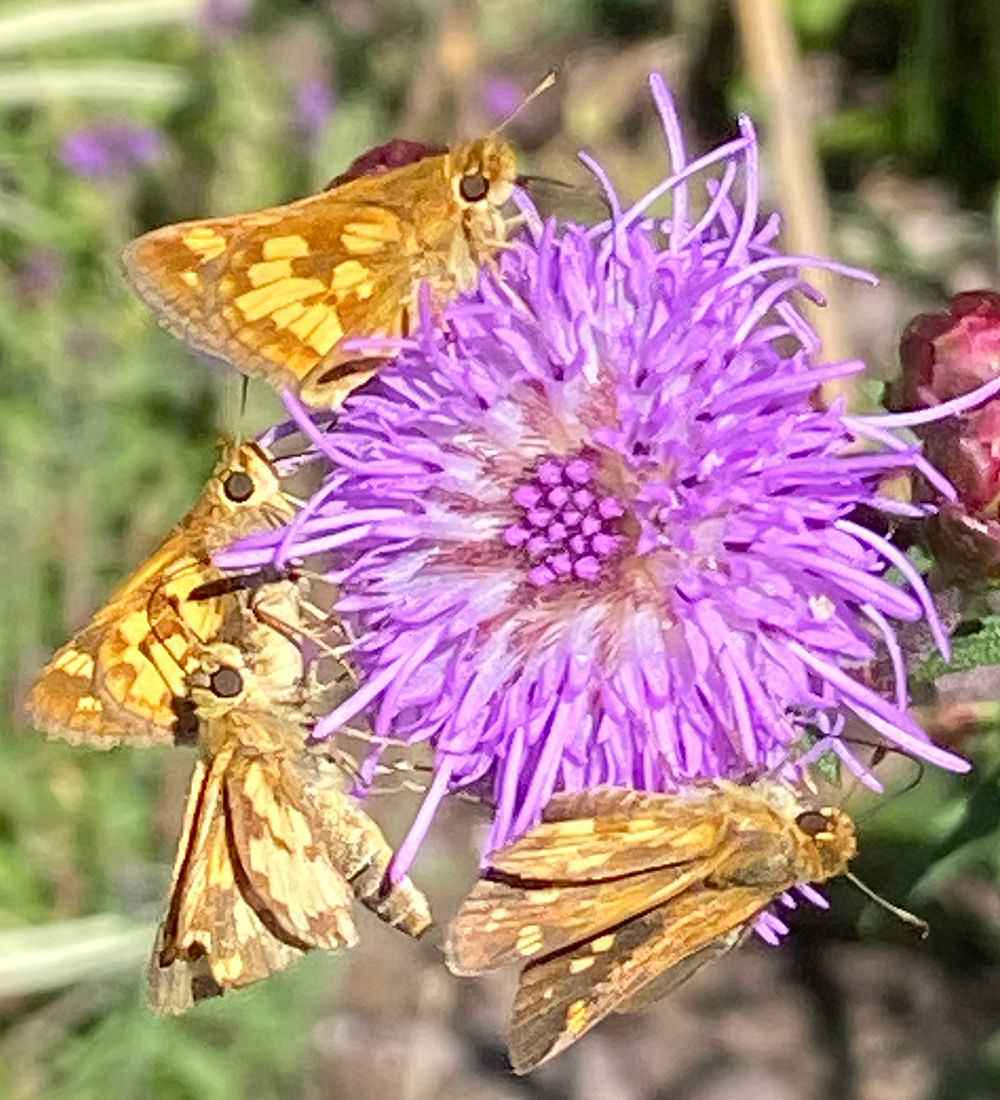 Skippers surrounding a flower on meadow blazing star.
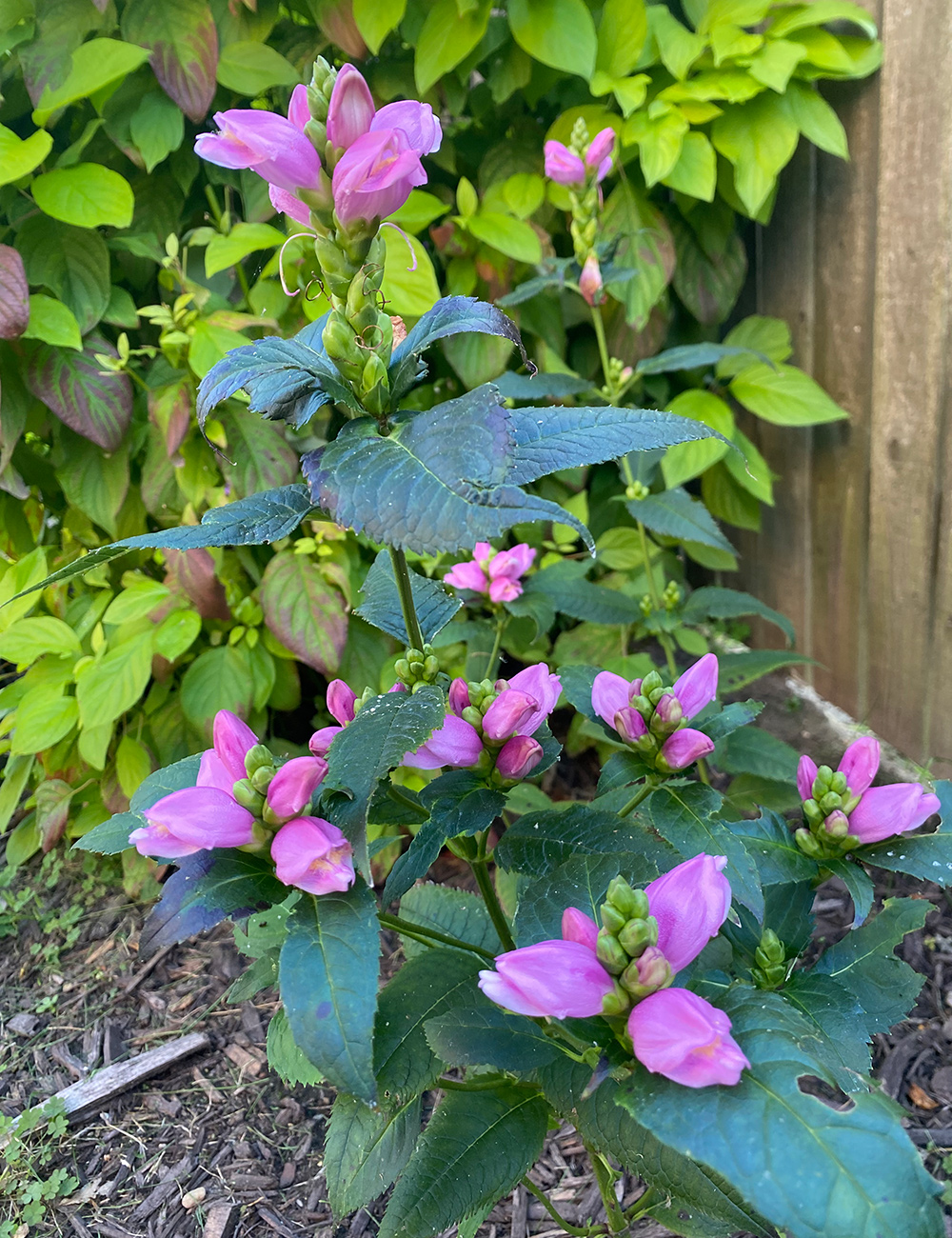 Added pink turtlehead (chelone obliqueZones 5–9) to the garden last year. It’s fun to watch bumblebees muscle their way inside the flowers to access the nectar.
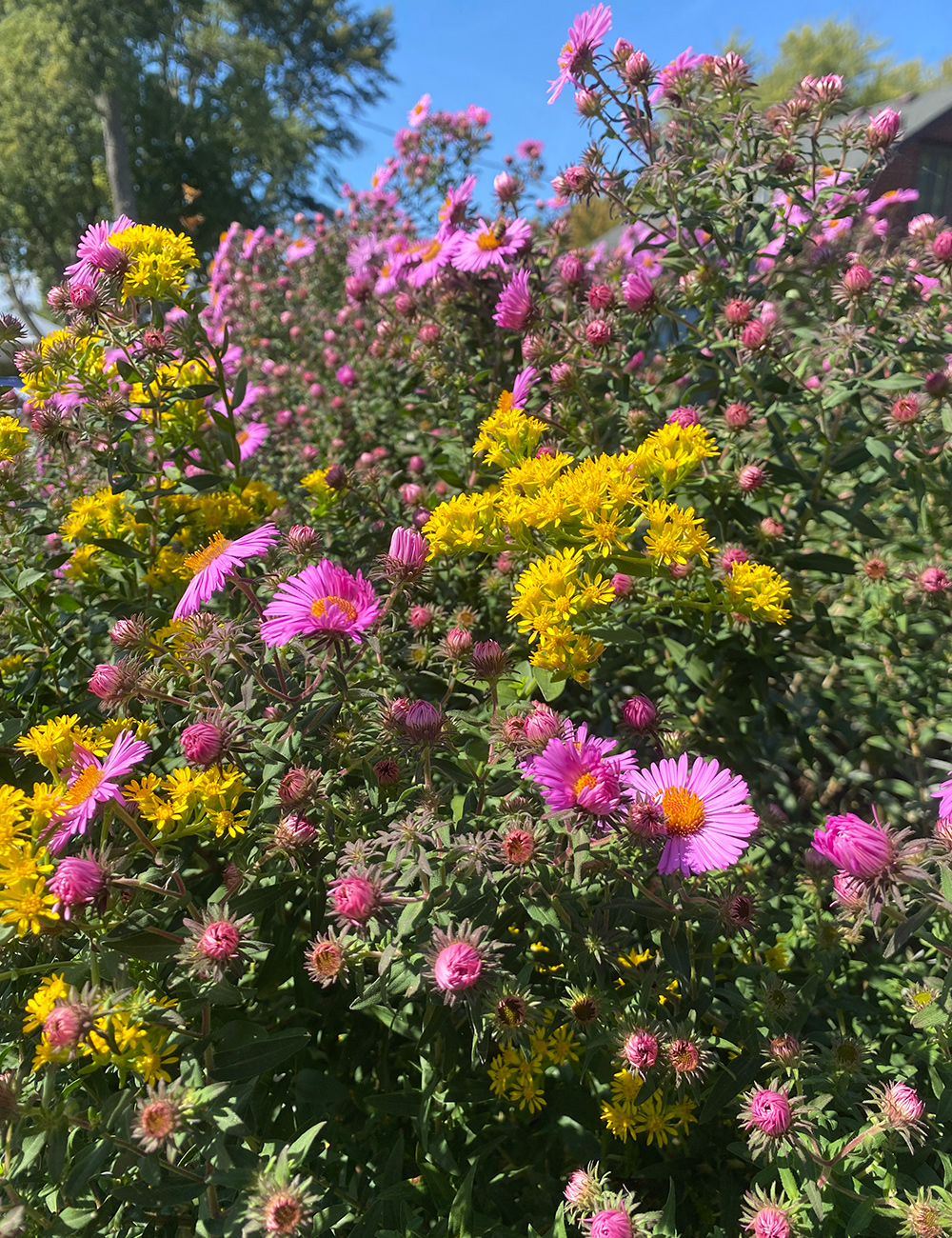 I added stiff goldenrod (A rigid oligoneuronZones 3–9) and it wove its way through the New York aster (Symphyotrichum novi-belgii ‘Wood’s Pink’Zones 4–8)—I’m going to have to move it over a bit for next year.
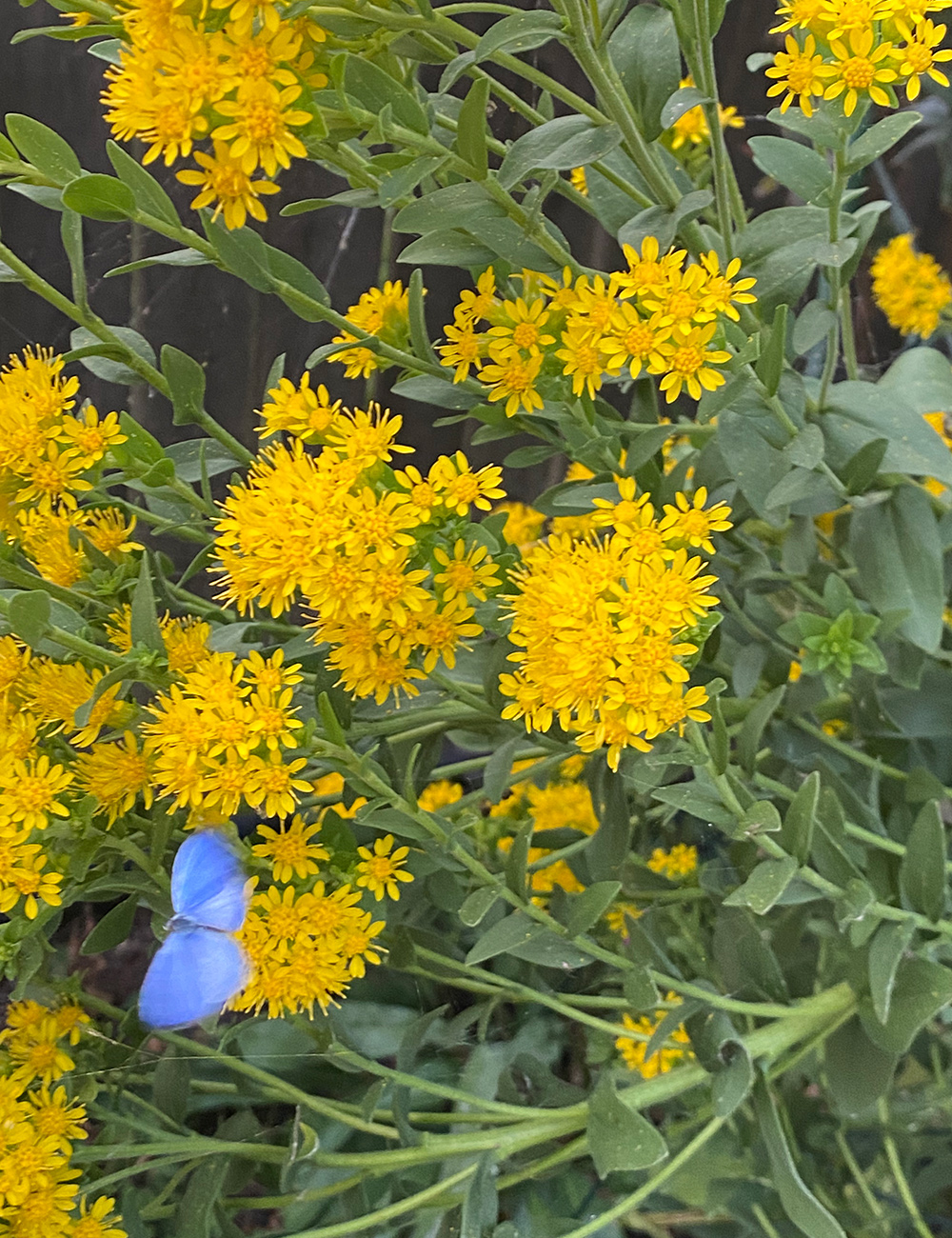 First time having a spring azure butterfly (Celastrina ladon) visit our garden on stiff goldenrod.
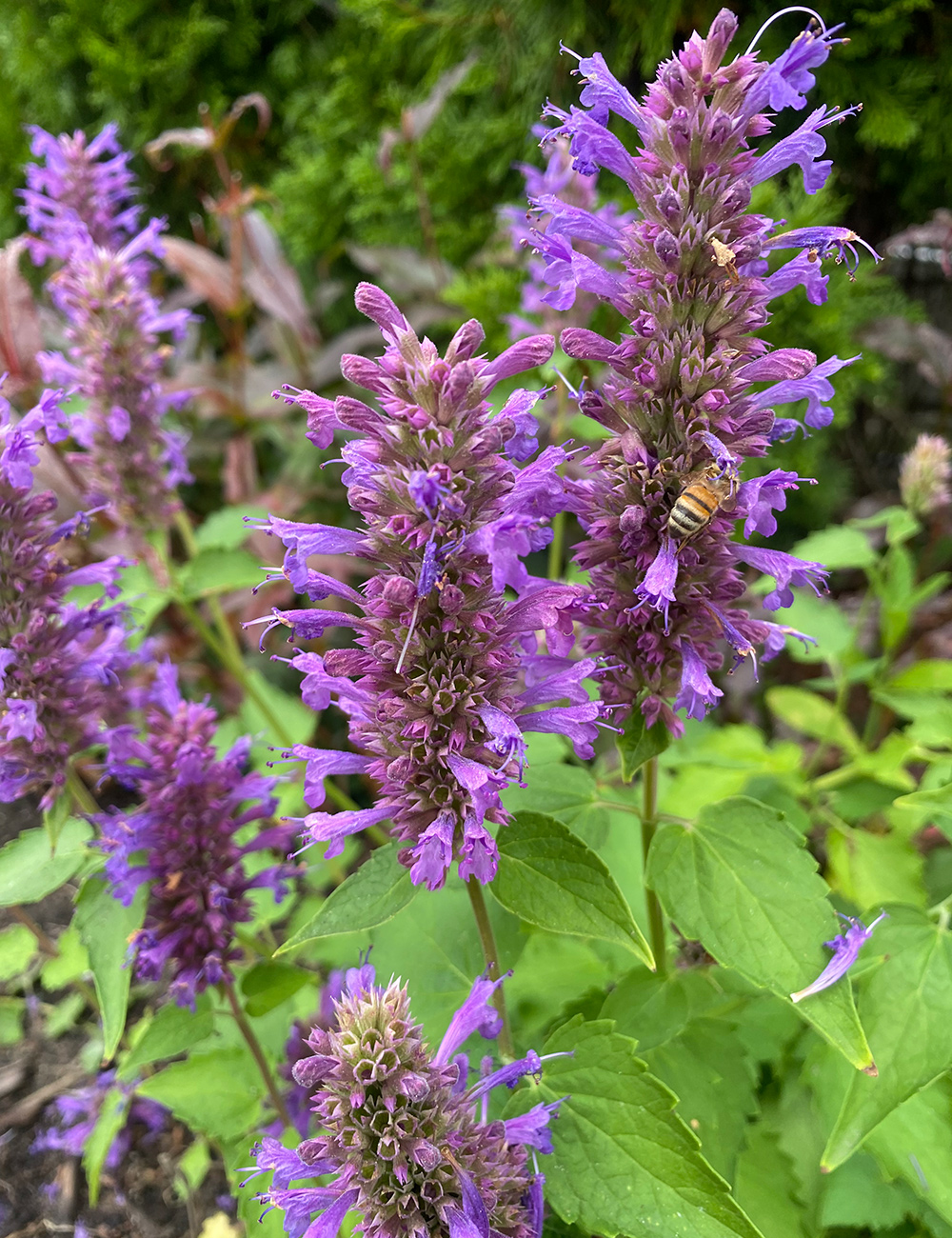 Will definitely add more Blue Boa agastache (Agastache ‘Blue Boa’Zones 5–9) next year—vigorous, large flowers.
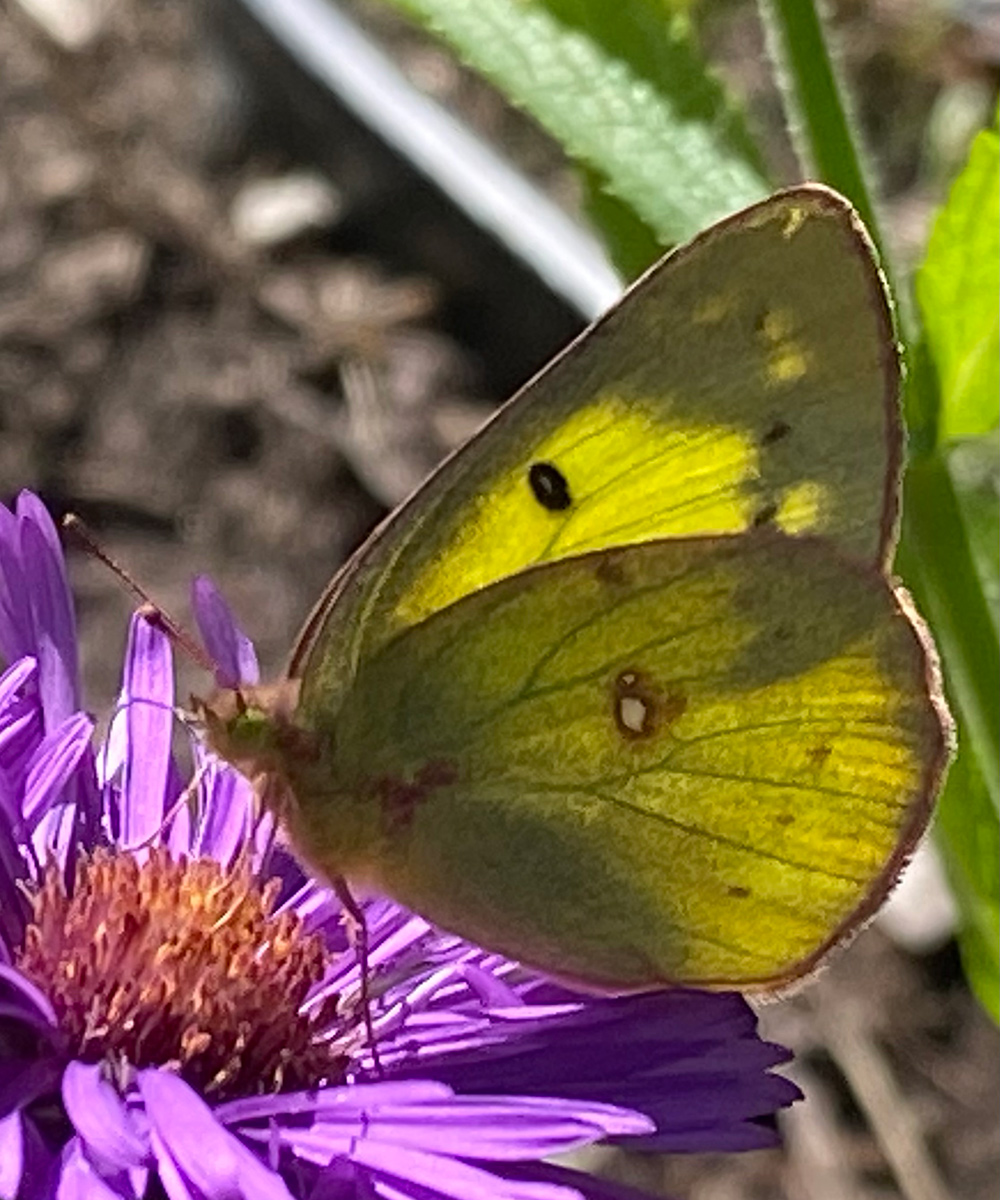 Orange sulphur butterfly (Colias eurytheme) on Grape Crush aster (Symphyotrichum new-england ‘Grape Crush’Zones 3–8).
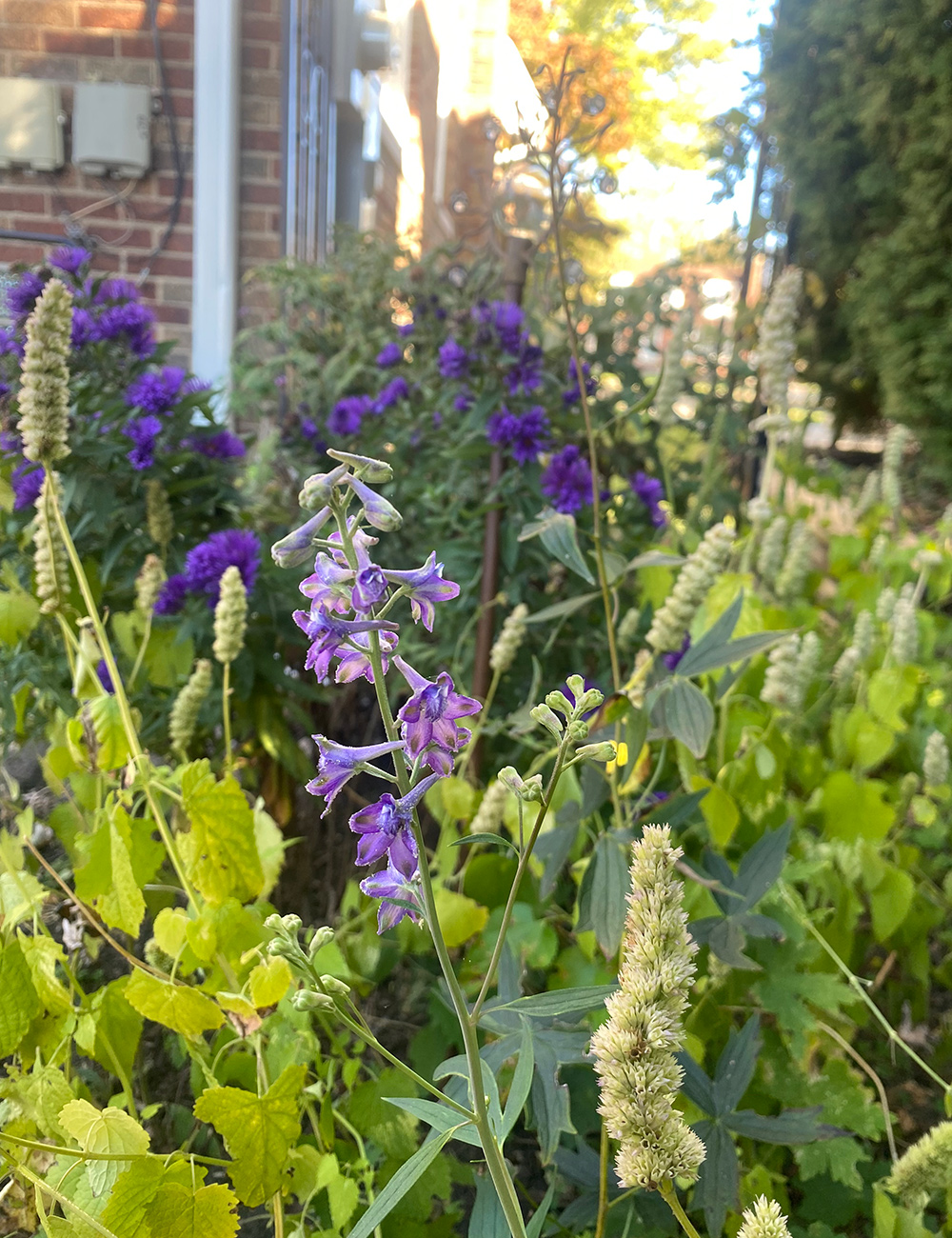 Added tall larkspur (Delphinium exaltedZones 4–8), hopefully it seeds around.
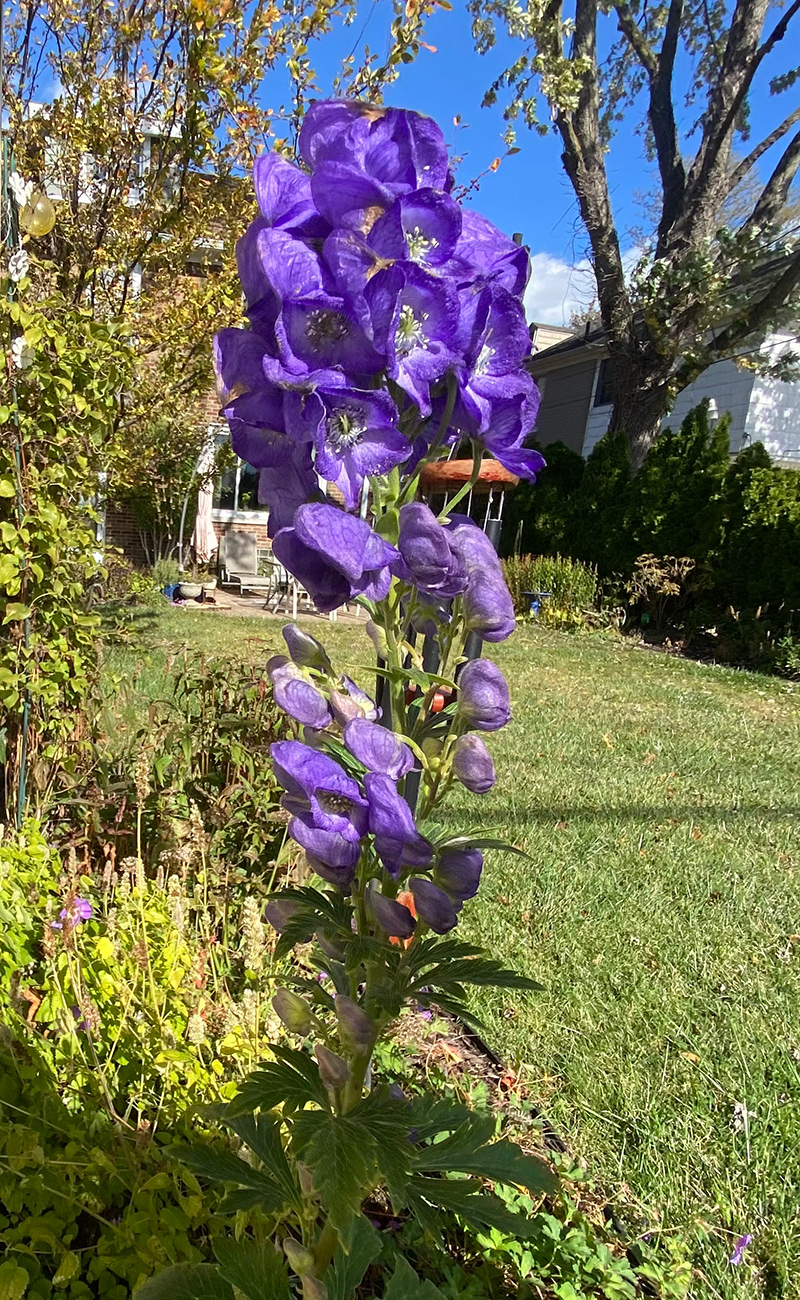 ‘Arendsii’ monkshood (Aconite carmichaelii ‘Arendsii’Zones 3–8) in all its glory! Mine does not start blooming in July like it’s supposed to but in early October and even though I still see a few bees buzzing around my garden, I have never seen any type of pollinator on that plant sadly. Going to let it go to seed for hopefully a growing clump.
Thank you so much for sharing your incredible garden with us again, Lynn! The diverse array of pollinators that visit your flowers are a testament to how well you were able to craft a beautiful and beneficial palette of plants.
Did you photograph any of the pollinators or wildlife that visited your garden this year? Share you favorite garden visitors with the blog! Follow the directions below to submit photos via email, or send me a DM on Instagram: @agirlherdogandtheroad.
We want to see YOUR garden!
Have photos to share? We’d love to see your garden, a particular collection of plants you love, or a wonderful garden you had the chance to visit!
To submit, send 5–10 photos to (email protected) along with some information about the plants in the pictures and where you took the photos. We’d love to hear where you are located, how long you’ve been gardening, successes you are proud of, failures you learned from, hopes for the future, favorite plants, or funny stories from your garden.
Have a mobile phone? Tag your photos on Facebook, Instagram, or Twitter with #FineGardening!
Do you receive the GPOD by email yet? Sign up here
Fine Gardening Recommended Products
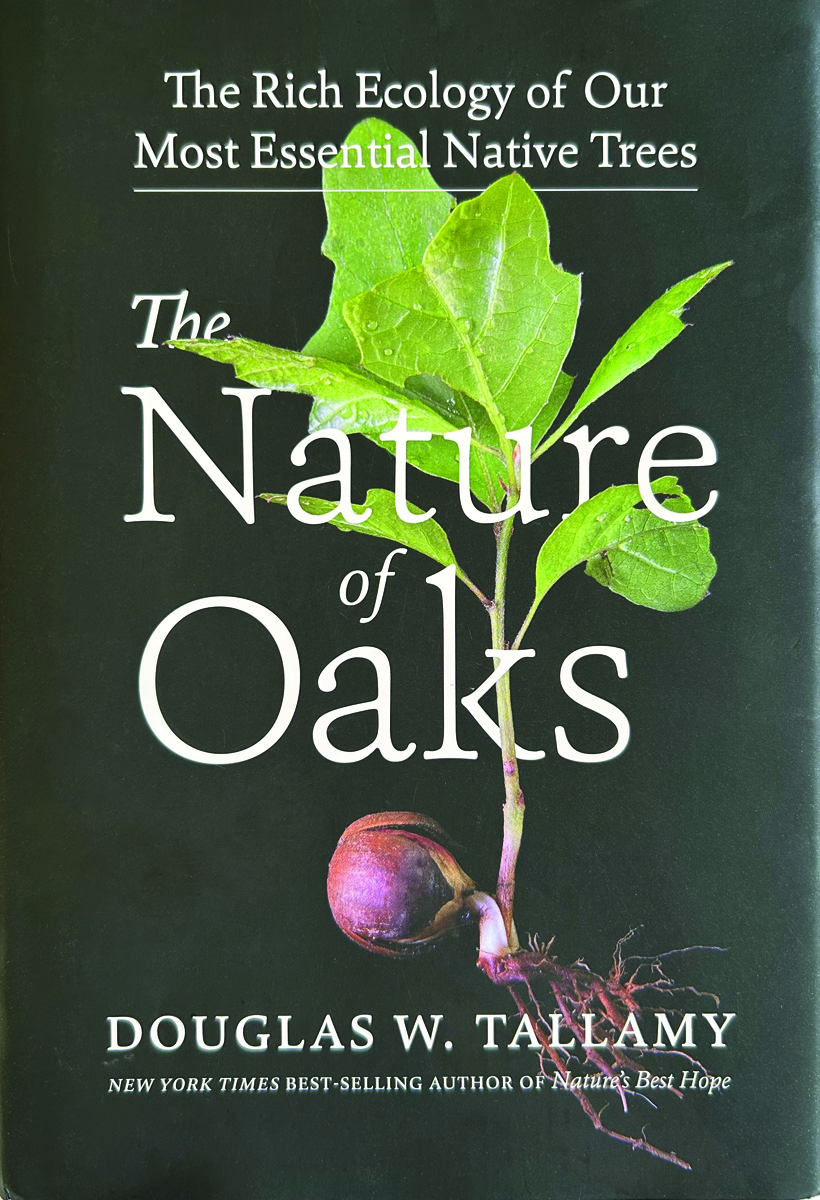
The Nature of Oaks: The Rich Ecology of Our Most Essential Native Trees
Fine Gardening receives a commission for items purchased through links on this site, including Amazon Associates and other affiliate advertising programs.
The Nature of Oaks reveals what is going on in oak trees month by month, highlighting the seasonal cycles of life, death, and renewal. From woodpeckers who collect and store hundreds of acorns for sustenance to the beauty of jewel caterpillars, Doug Tallamy illuminates and celebrates the wonders that occur right in our own backyards. He also shares practical advice about how to plant and care for an oak, along with information about the best oak species for your area.
D&X Garden Sprinkler
Fine Gardening receives a commission for items purchased through links on this site, including Amazon Associates and other affiliate advertising programs.
– The Sprinkler is made of durable ABS Plastic, Base connector: Approx. 1/2″ ; Side connector: Approx. 3/4″
– 12 flexible nozzles that you can set in any direction, simply bend hoses to customize new watering patterns
– 360 degree coverage of 3000 sq. ft area
– 3.5 x 4 x 6 inches
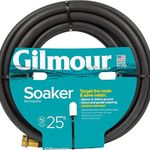
Gilmour 5/8″ x 25′ Round Weeper Soaker Hose
Fine Gardening receives a commission for items purchased through links on this site, including Amazon Associates and other affiliate advertising programs.
Lightweight garden hose is made of 100% recycled vinyl for clog resistant, consistent soaking in the garden or around foundations. Can be installed above or below ground to efficiently deliver water directly to plant roots. Can be linked with other hoses to create your own DIY garden drip irrigation system, and is flexible for easy storage and space saving.
