


This year, we’re inviting readers to put their design skills—and native plant knowledge—to the test. Create a stunning container planting that supports pollinators, adds ecological value, and proves that native plants can thrive beautifully in pots. Submit your entry for a chance to be featured in Fine Gardening and inspire gardeners everywhere to plant with purpose.
CONTAINER CHALLENGE PRIZES
Please see details below for the rules
Grand Prize – Valued between $550-$850 (depending on the AquaPots Lites chosen)
Runner-Up Prizes (3 total including Crowd Favorite Award)
- $250 e-gift certificate to shop at provenwinners.com for plants, AquaPots Lites, and more
MORE has Fine Gardening All Access Membership
Submission Guidelines:
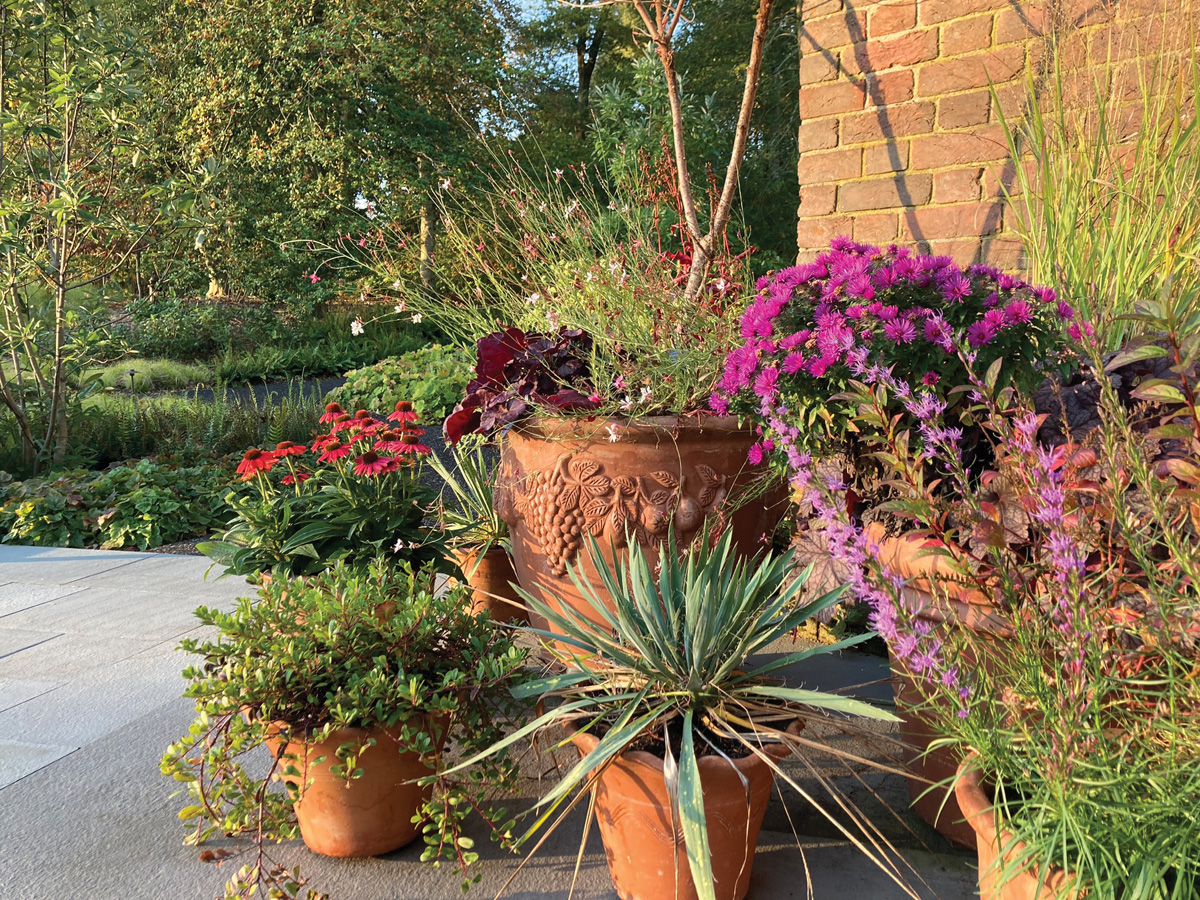
Entries must feature an original container garden design. Each design is required to include at least one North American native plant (native cultivars acceptable). Submissions should clearly identify the native plant used and demonstrate how it contributes to the overall design. Containers may be any size or style, but designs should be suitable for growing in containers for an entire season. Photos and a brief plant list are required with each entry.
About the Sponsor:
Proven Winners® takes the guesswork out of gorgeous gardens. Our rigorously tested plants bloom bigger, grow stronger, and thrive easier than ordinary varieties. From revolutionary Supertunias to breakthrough hydrangeas, we deliver plants that perform beautifully for both seasoned gardeners and beginners alike. Our plants’ proven performance makes them the brand gardeners trust to plant with confidence.
More information and inspiration
Container Designers Featuring Native Plants
Native Plants in Containers from Mt. Cuba
Best Native Plants for Your Region
Inspiration for Natives in Container Designs
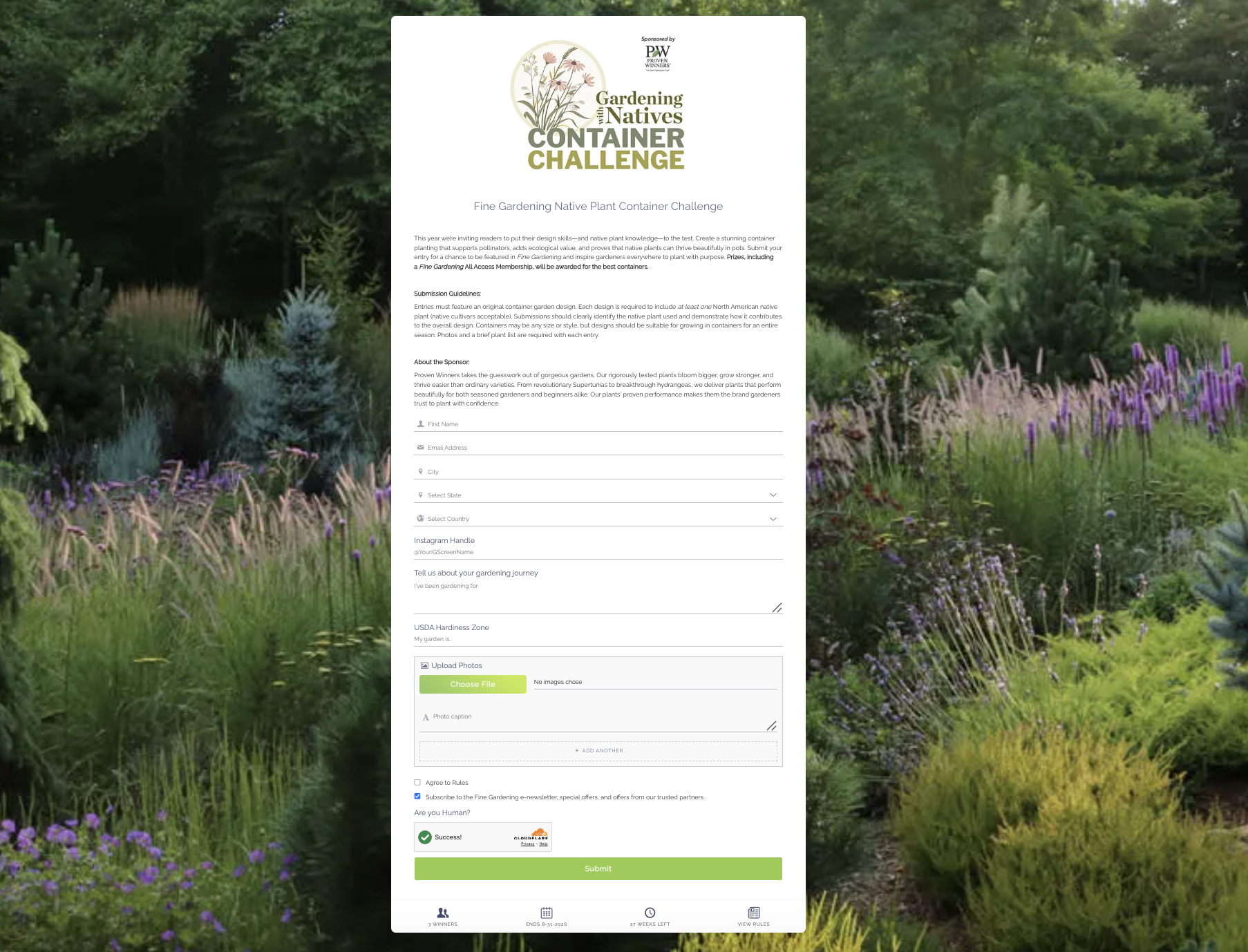
Incorporating native plants into container designs is a simple yet meaningful way to extend ecological benefits beyond traditional garden beds. Even a single native species can provide nectar, pollen, foliage, or fruit that supports local pollinators, birds, and beneficial insects that ornamental exotics often cannot sustain. In containers—whether on a patio, balcony, or entryway—native plants help bridge the gap between decorative gardening and habitat gardening, transforming small spaces into functional pieces of the larger ecosystem.
Designs Where Natives Are the Star
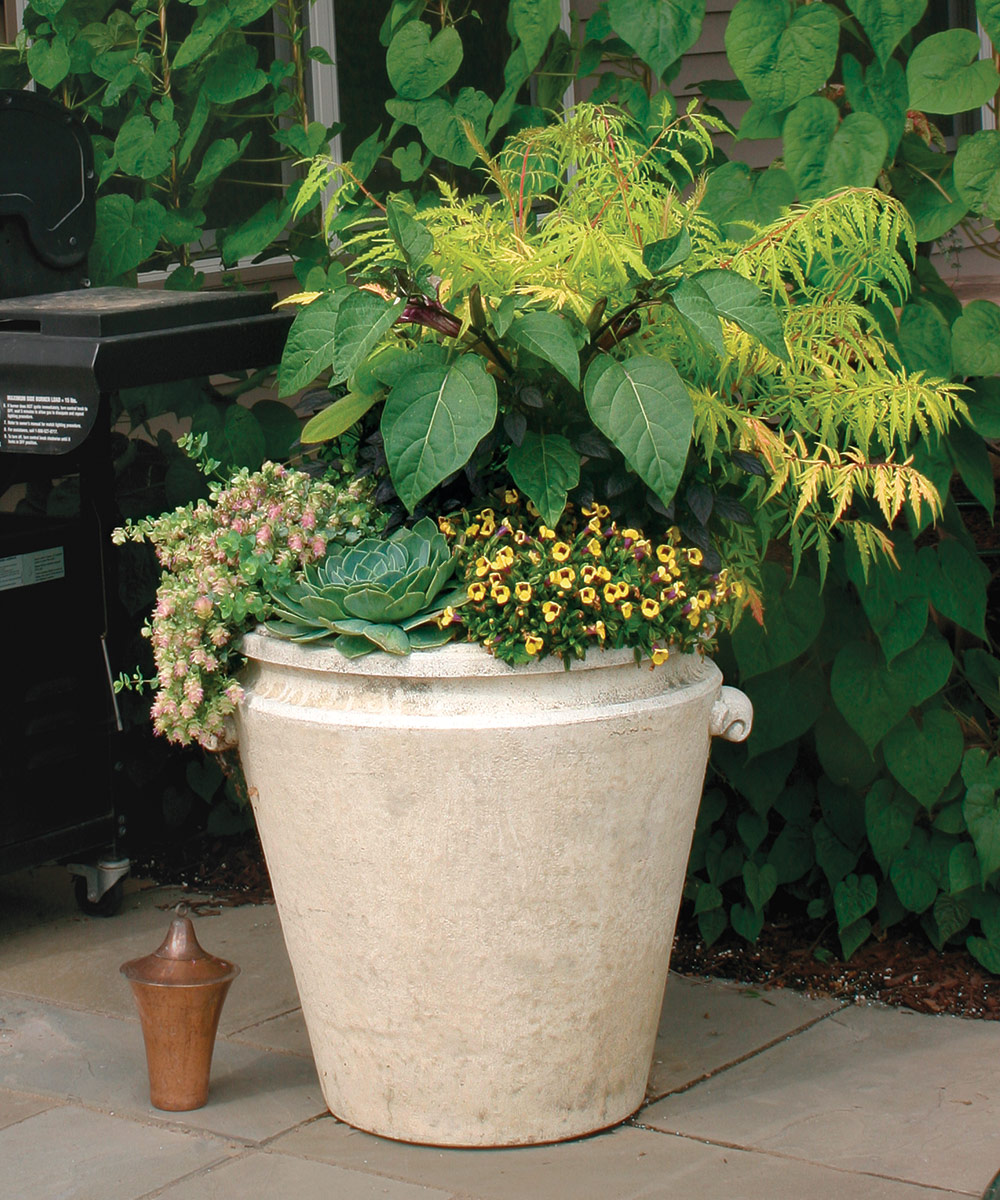
Tiger Eyes™ sumac (Rhus typhina ‘Bailtiger’) is a golden, cutleaf cultivar of staghorn sumac, a species native to eastern and central North America. Because it is derived from a native tree, it retains much of the ecological value of the straight species. Staghorn sumac supports numerous native moth and butterfly larvae, provides nectar and pollen for pollinators, and produces dense clusters of red fruit that persist into winter, feeding birds when other resources are scarce. In a container design dominated by ornamental exotics, Tiger Eyes™ serves as the ecological anchor—bringing native plant benefits such as habitat support and seasonal wildlife food while still delivering striking chartreuse foliage and brilliant fall color.
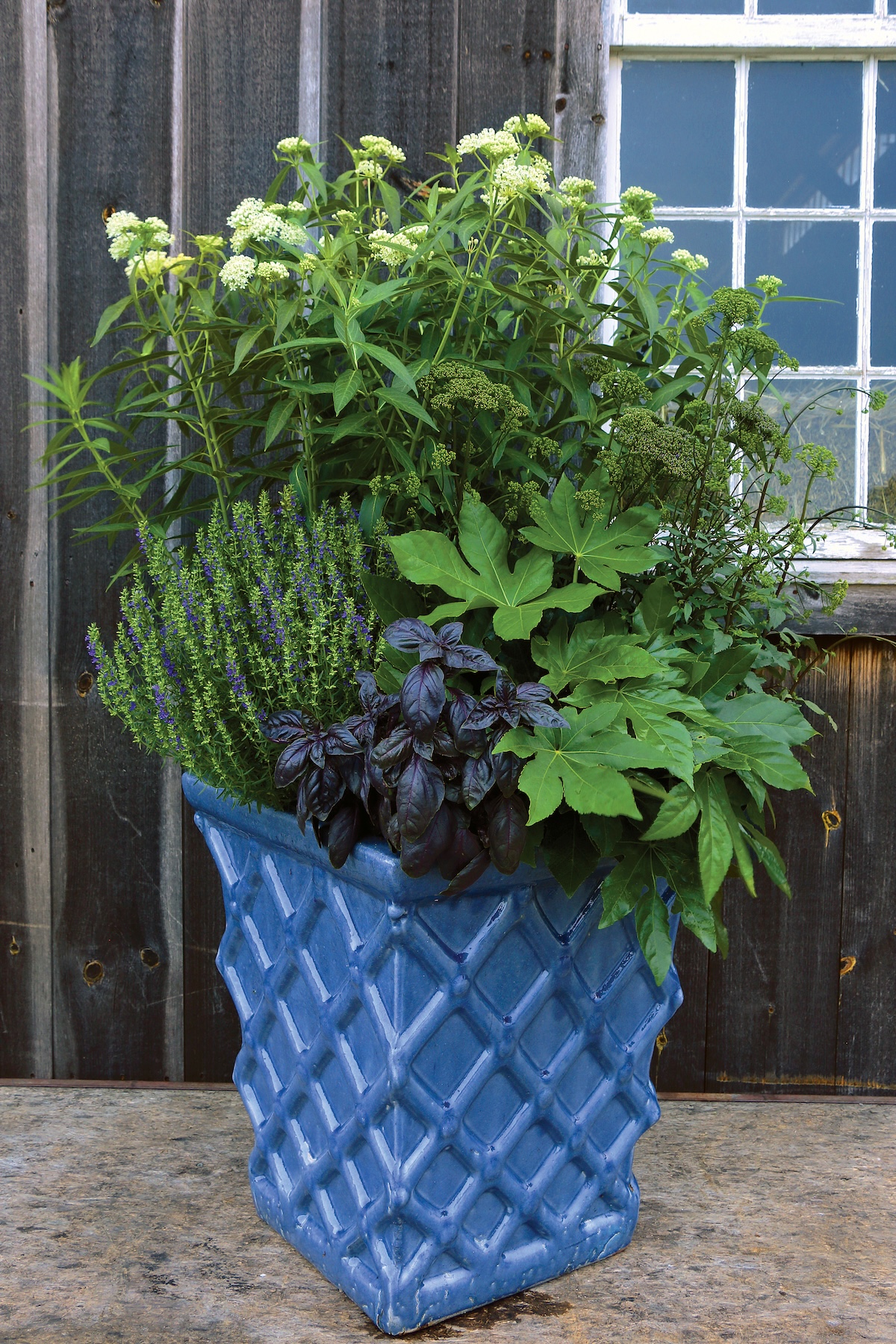
‘Ice Ballet’ swamp milkweed (Asclepias incarnate ‘Ice Ballet’) is a white-flowering cultivar of a species native to much of the eastern and central United States, where it naturally grows in moist meadows, stream banks, and low areas. As a selection of this North American native, it maintains the ecological strengths that make swamp milkweed such a valuable garden plant. Its nectar-rich blooms attract a wide range of pollinators, including native bees, butterflies, and hummingbirds, and like all milkweeds, it serves as a host plant for monarch butterfly caterpillars. By incorporating ‘Ice Ballet’ into a design, gardeners gain both luminous midsummer flowers and meaningful habitat support rooted in regional ecosystems.

‘Ruby Falls’ redbud (Cercis canadensis ‘Ruby Falls’) is a weeping, purple-leaved cultivar of eastern redbud, a small understory tree native to much of the eastern and central United States, from the Great Lakes south to Texas and Florida. In early spring, its rosy-pink flowers emerge along bare branches, providing an important nectar source for native bees and other early pollinators when few other plants are in bloom. The heart-shaped foliage serves as host plant material for several moth and butterfly species, and its seedpods offer minor wildlife value later in the season. Eastern redbud brings both ornamental appeal and genuine habitat support to garden beds and large containers alike, enhancing mixed plantings with a strong native foundation.
Fine Gardening Recommended Products
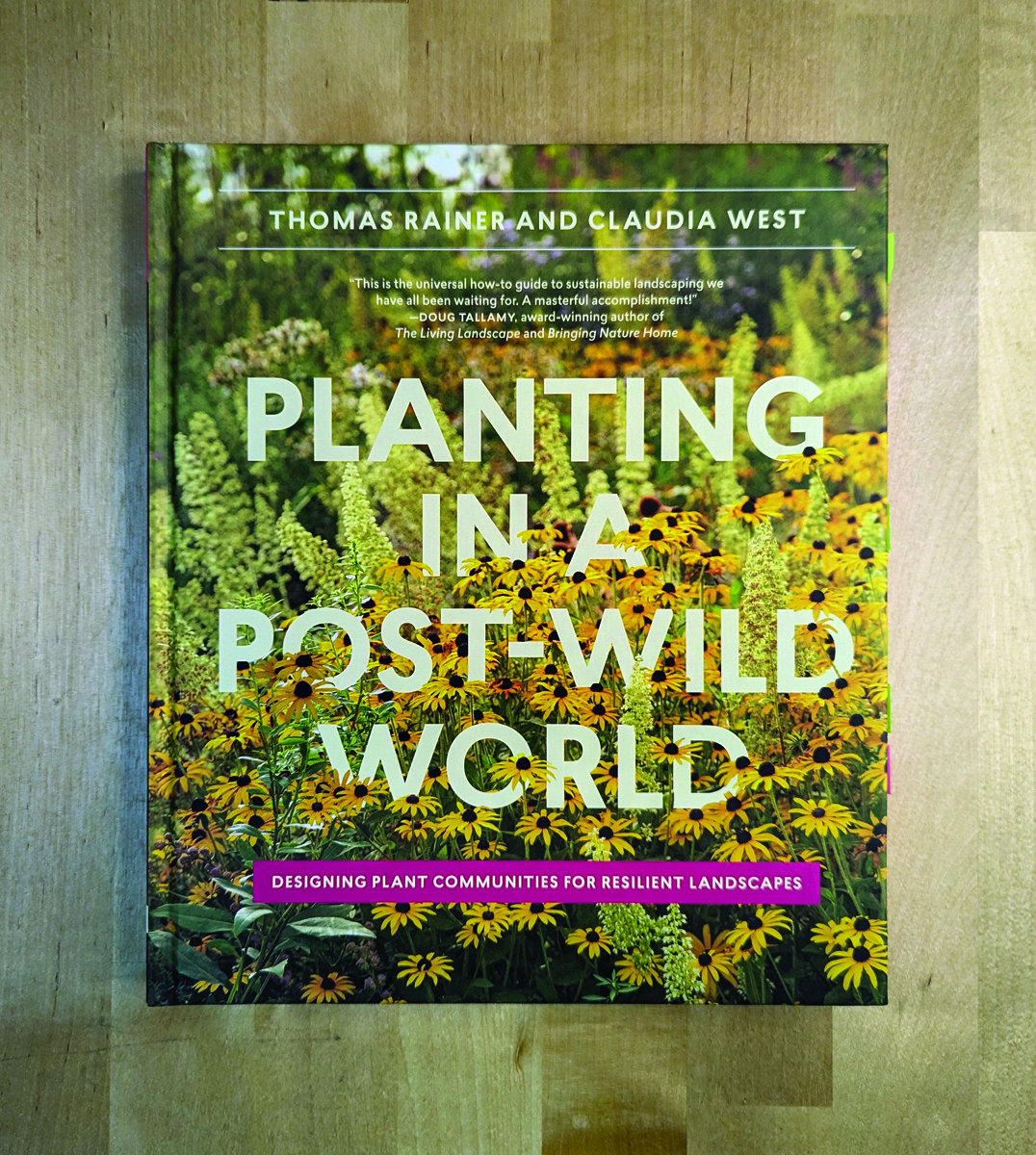
Planting in a Post-Wild World: Designing Plant Communities for Resilient Landscapes
Fine Gardening receives a commission for items purchased through links on this site, including Amazon Associates and other affiliate advertising programs.
Featuring gorgeous photography and advice for landscapers, Planting in a Post-Wild World by Thomas Rainer and Claudia West is dedicated to the idea of a new nature—a hybrid of both the wild and the cultivated—that can nourish in our cities and suburbs.
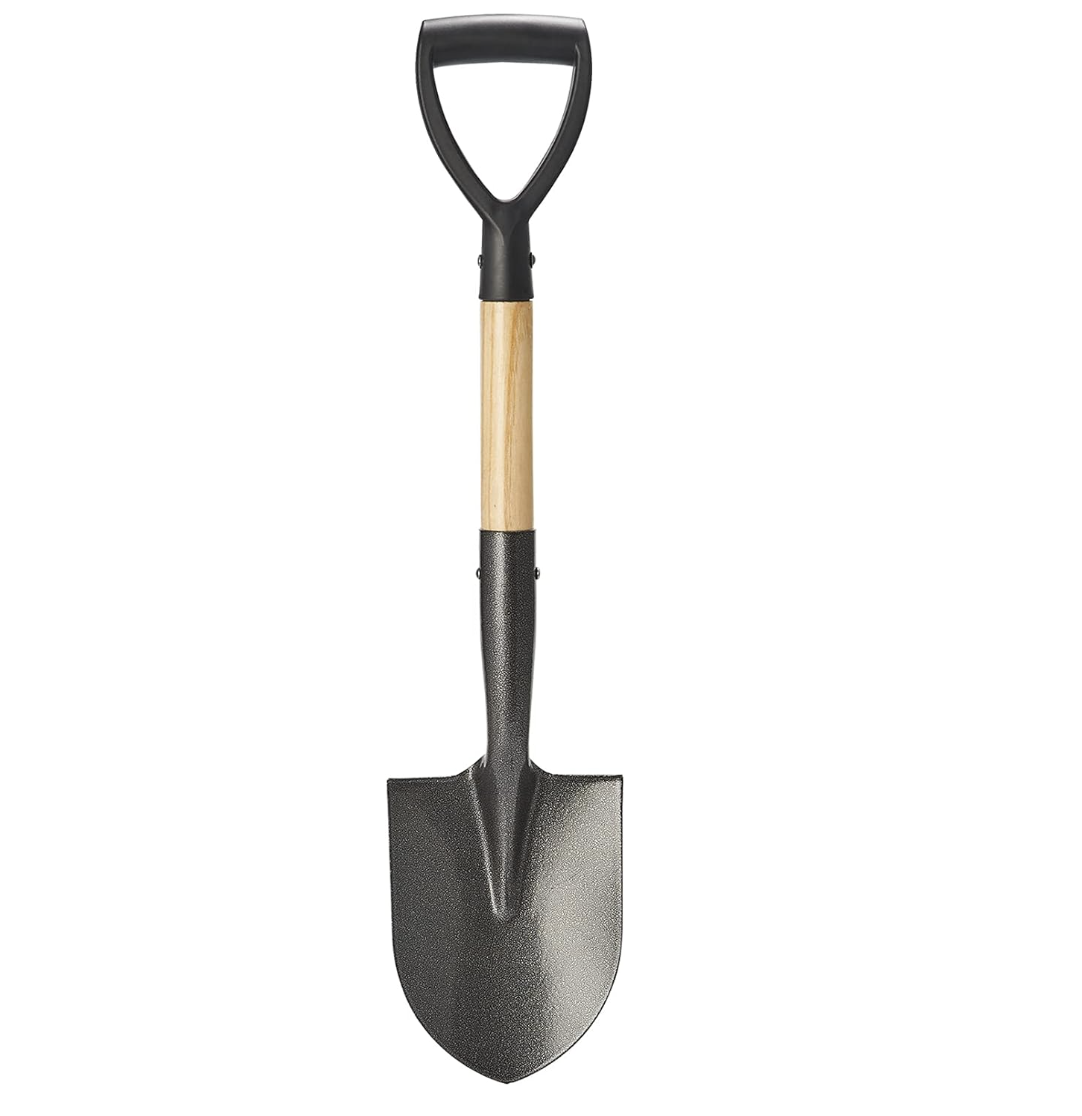
Corona® Multi-Purpose Metal Mini Garden Shovel
Fine Gardening receives a commission for items purchased through links on this site, including Amazon Associates and other affiliate advertising programs.
Longer Service Life: The blade of this round small shovel is made of carbon steel, which can effectively improve the hardness by high temperature quenching, and the surface has anti-rust coating to avoid rusting. In the process of use when encountering hard objects will not bend and deformation.
Sturdy Structure: The small garden shovel with D-handle, ergonomically designed grip can increase the grip of the hand when using, the handle is made of strong fiberglass, will not bend and break under heavy pressure. Quick Digging: Well-made digging shovel has a sharp blade, and the round shovel head is designed to easily penetrate the soil and cut quickly while digging to enhance your work efficiency.
