


Pests and Disease
While flowering quince isn’t especially prone to disease and pests, there are a few issues to watch out for.
Thanks to the thorns, these shrubs are deer-resistant, although rabbits may nibble on younger plants.
Diseases are uncommon, but there are a couple that can be a real threat to the plant’s health if not taken care of.
Pests
Flowering quince doesn’t usually have many insect problems, but aphids (of course) love to feast on new growth.
If you see any of the small, pear-shaped insects on the plant, spray them off with a blast of water from the hose and apply neem oil or insecticidal soap, according to package instructions.
Learn more about how to manage aphids in the garden here.
You also need to watch out for scale insects.
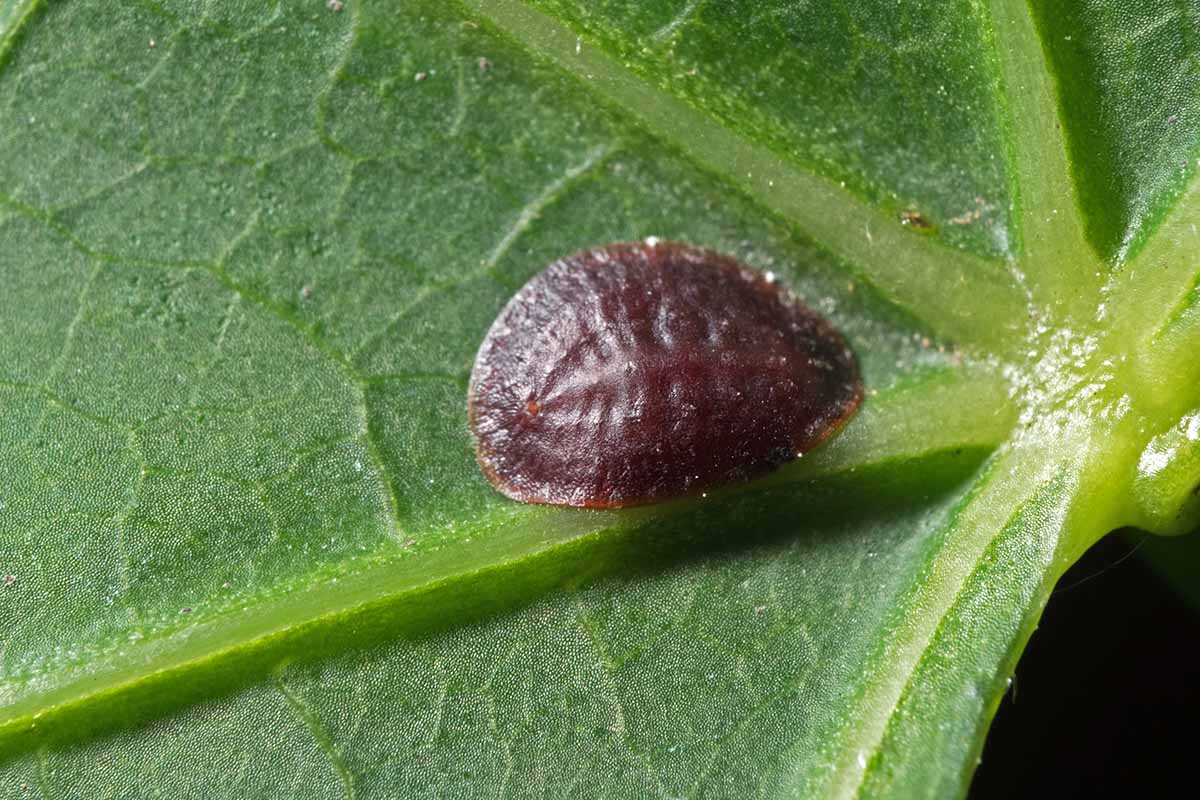
These can be hard to spot because they look a bit like fungus collecting on the branches, or like a line of brownish or grayish scabs or galls.
These insects can suck the sap out of the shrub, weakening the plant.
If you notice an infestation, you can spray horticultural oil, like Bonide All Seasons Horticultural and Dormant Spray Oil, available via Arbico Organics.
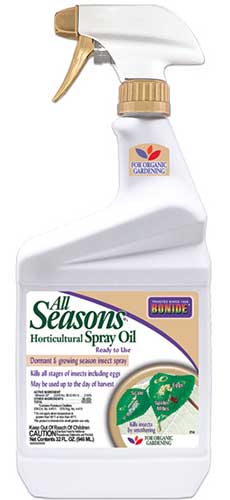
Bonide All Seasons Horticultural and Dormant Spray Oil
Spider mites can sometimes cause troubletoo.
If you see small dark-brown spots on the undersides of the leaves, spray them away with water and apply neem oil to the affected area.
Diseases
Apple scab is caused by the fungus Uneven adventures and symptoms include dark green lesions on the foliage that turn a dark rust color over time.
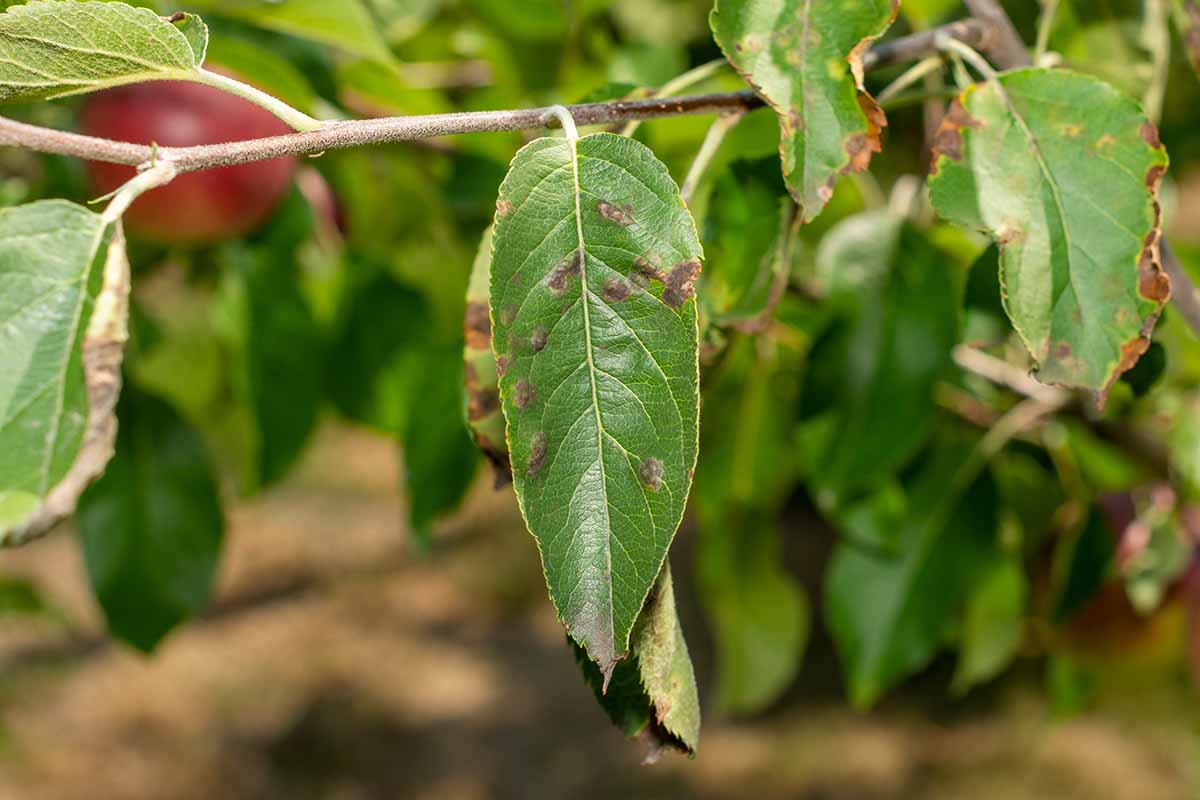
The fungus overwinters in plant debris, and typically strikes in warm, wet weather. As the name suggests, it also affects apple trees.
Learn more about apple scab here.
Another pernicious ailment is cedar-quince rust, caused by the fungus Gymnosporangium clavipes.
The primary hosts for this fungus are juniper bushes or cedar trees and it spreads by wind. Cedar-quince rust causes swollen galls on flowering quince branches.
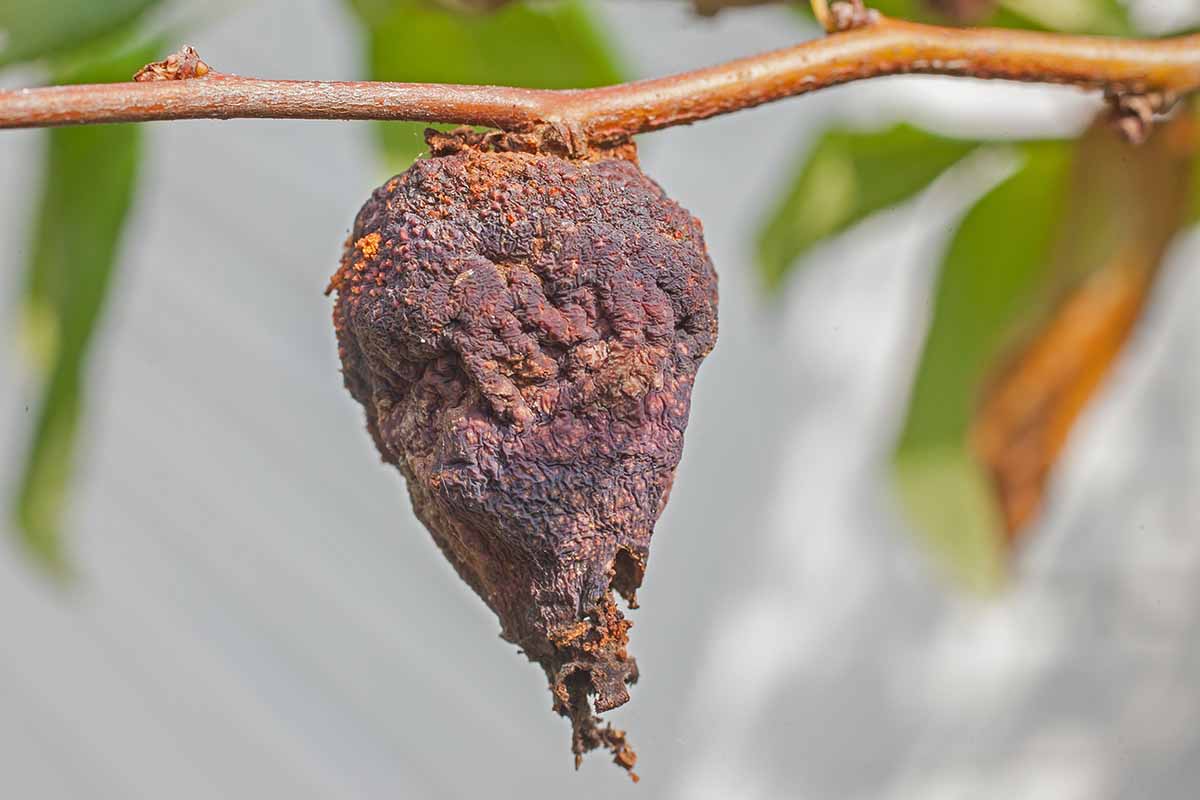
The galls can stay on the branches indefinitely and the fungus will infect the rest of the plant over time, which may result in a loss of blooms and fruit.
If you see the galls, cut off the infected branches and dispose of them in the garbage can, then spray the plant with copper fungicide.
A Feast for the Eyes
Like its rose relatives, flowering quince is easy on the eyes yet thorny enough to defend itself (and your yard) if needed.
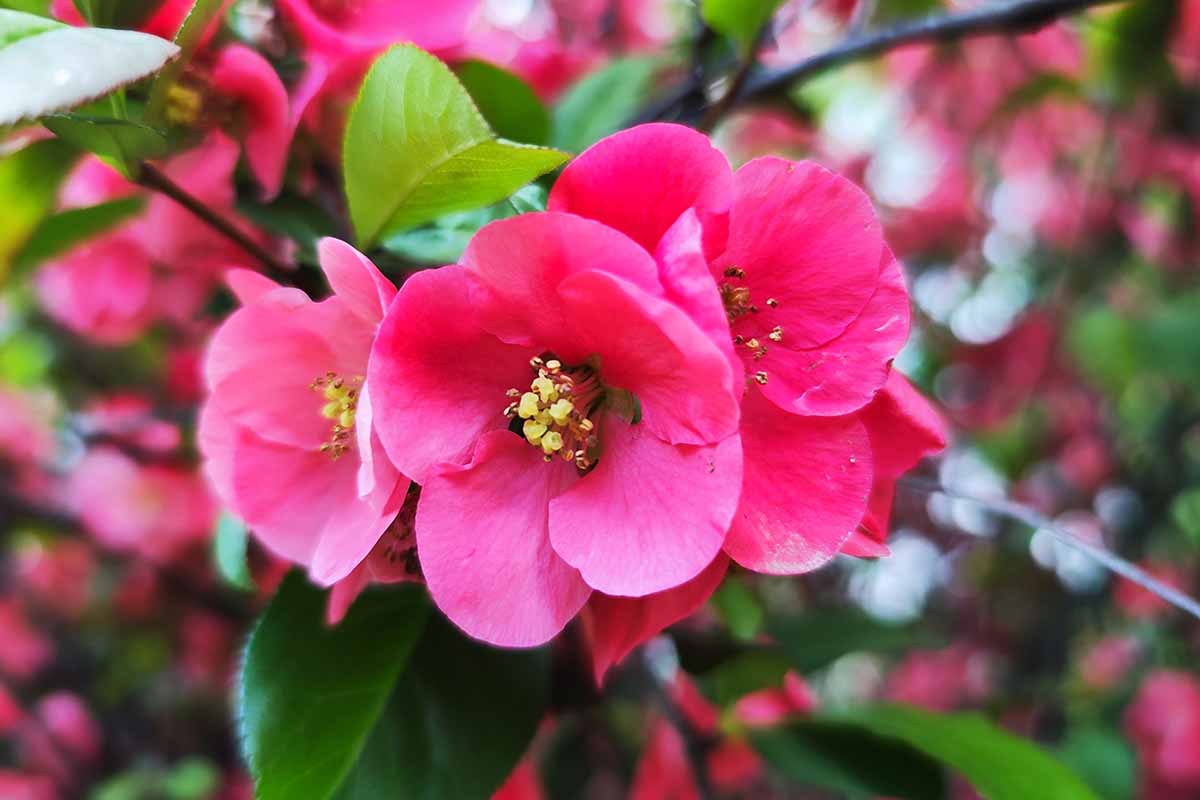
It’s a low-maintenance shrub that provides an early pop of much-needed color in the springtime, attracting bees and other pollinators to the landscape.
And some varieties will even produce edible fruit, which the birds will appreciate, even if you don’t!
Are you growing flowering quince? We’d love to hear your stories and questions in the comments section below.
And to learn more about growing ornamental shrubs in your garden, check out these guides next:
