


Heads of cabbage turned to lace, broccoli florets filled with little green caterpillars, or white moths circling your kale patch? You’ve met one of the gardener’s dreaded opponents, the cabbage worm. In this post, we’ll dive into cabbage worms and how gardeners can work to discourage their presence in the garden and protect their crops.
What are Cabbage Worms?
The name cabbage worm refers to at least four different species of Lepidoptera, an order of winged insects that includes moths and butterflies. You may also hear folks refer to the same four species as cabbage loopers or cabbage moths.
Unfortunately, these voracious insects don’t stop at cabbages. They’ll feed on any cole crop or crop that’s in the brassica family, including cabbages, cauliflower, broccoli, Brussels sprouts, radishes, mustards, collards, kale, kohlrabi, and turnips.
The moths lay eggs on the plants in spring and early summer. When the eggs hatch, the caterpillars feed on your brassicas.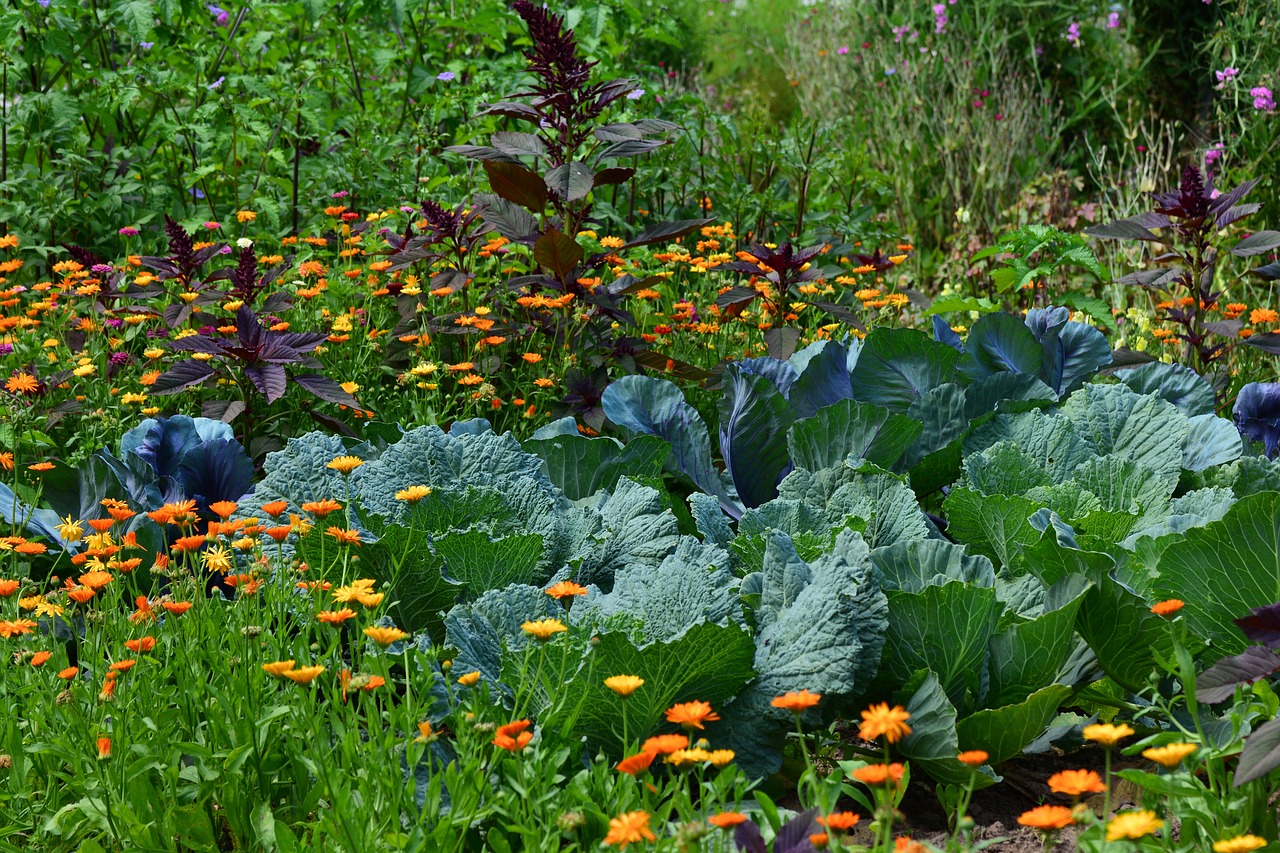
How to Prevent Cabbage Worms
One of the best ways to keep cabbage worm damage to a minimum is to take preventative steps. If you’re reading this because you’re already in the thick of it, don’t worry; we’ll include steps for managing cabbage worms below.
Clean Up the Garden Every Fall
You may have seen posts and articles talking about how a messy garden is better for pollinators, and this is totally true! Many butterfly, bee, and other beneficial insect species overwinter on plant debris, weedy patches, and other organic material. It’s also true for cabbage moths.
While it’s a good idea to leave a messy section of native wildflower stalks for overwintering beneficial insects, if you’ve had any issues with cabbage worms, it’s best to clean up all your brassica crops. Remove dead plant material and weeds. If the infestation is bad, you can also till in the fall to make sure you expose any hiding in the soil debris.
Grow Your Brassicas Under Floating Row Cover
One of the easiest, most foolproof ways to protect your brassicas is to grow them under floating row cover. It’s essentially like creating a screened-in porch for your plants. It will keep out all the flying insects.
You can purchase row cover and easy-to-use wire hoops to hold it over your plants from most vegetable garden supply companies. Row cover can be expensive. As an alternative, we’ve used tulle, the lightweight fabric used in bridal veils and tutus. Usually, you can find it by a bolt for cheap. If you’re using another alternative material, just ensure it’s thin and breathable, letting in light and air.
While standard row cover is water permeable, you may still need to water your crops a bit more often. Row cover works great with drip-tape irrigation for a low-maintenance option.

Encourage Beneficial Insects and Birds
Cabbage worms are a nuisance in the garden, but not all insects are an issue. Beneficial insects, like parasitic wasp species like the Braconid wasp (Cotesia glomerata) will feed on cabbage moth eggs and caterpillars.
Studies have shown that feeding on nectar, and pollen occasionally extends the lifespan of parasitic wasps. These wasps prefer flowers with dense clusters of small flowers called umbels. Planting flowering species like dill, fennel, sweet alyssum, yarrow, and buckwheat can help attract them to your garden and keep them around longer.
Want more tips for attracting beneficial insects to your garden? Read our full post Pests & Pollination: Attract Beneficial Insects.
Many songbirds also feed on cabbage worm caterpillars, particularly when they’re feeding young in the nest. Attracting birds like goldfinches, bluebirds, house sparrows, Carolina wrens, and chickadees to your garden can help reduce cabbage worm populations.
Check out our blog post Planning a Bird-Friendly Garden for advice.
Try Interplanting or Companion Planting
In addition to planting companion plants to attract beneficial insects and birds, you can also plant crops to deter cabbage moths from laying eggs on your crops. While there are no good studies available, anecdotally dense interplanting can also help reduce cabbage worm damage.
To interplant brassicas, spread out your plants in a bed with other plants between them. Many gardeners report success with fragrant crops like onions, sage, chives, cilantro, wormwood, mint, garlic, thyme, and marigolds.
How to Manage Cabbage Worms
Unfortunately, most cabbage worm prevention strategies must be started in advance. Thankfully, if you’re in the thick of it now, there are a few other options.
Spray Your Plants with BT (Bacillus thuringiensis)
BT is an organic pesticide made from a bacterium that naturally occurs in soils throughout the world. While it’s completely safe for humans and pets, BT kills cabbage worms when they ingest it.
While BT is organic, it’s important to realize that it affects all moth and butterfly species, so you should apply it carefully and sparingly.
Handpick the Caterpillars and Swat the Moths
This is my least favorite solution, but some dedicated gardeners make it work. For caterpillars, carry a bucket of soapy water and drop the caterpillars into it . Regularly check the underside of the leaves.
For the moths, some gardeners have luck killing them with a tennis racket. Just make sure you positively identify the species and aren’t killing beneficial species of moths and butterflies by mistake!
Spray Your Plants with a Neem Oil Solution
Some gardeners also use neem oil, another organic pesticide. Unlike BT, it doesn’t kill the caterpillars but disrupts their feeding cycle and deters the moths.
You can create a solution to spray your brassicas using about one gallon of water, two tablespoons of neem oil, and a few drops of dish soap or insecticidal soap. Ensure you spray the undersides of the leaves thoroughly.
Cabbage worms can heavily impact your brassica harvest. If they’re an issue in your garden, take these steps to reduce them in your garden and protect your plants.
