


Sweet violets are more than pretty blooms—find out how to enjoy their edible flowers, grow them at home, and use them in recipes, salads, and teas.
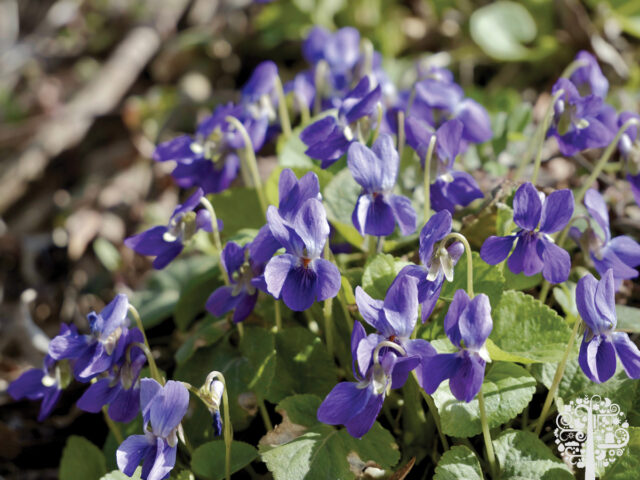
Sweet violet (Viola odorata), also known as garden violet or English violet, is a small herbaceous perennial often found growing wild across North America in climate zones 5-6. It blooms in early spring, after other early spring blooms such as snowdrops and crocuses. In zones 7-9, the plant will bloom all winter long.
With a very mild sweet taste, this plant is also romantic with dark green, heart-shaped leaves. Rising above the leaves are flowers in shades of pink, rose, purple, blue and white with double or single forms, depending on the variety. But be careful if foraging for violets, as only the blue and white flowered species of the plant are edible.
Sweet Violets: Nutritional Goodness
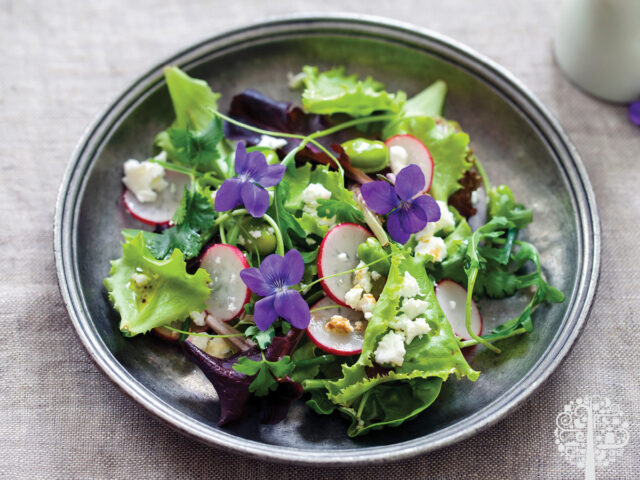
Edible varieties are chock-full of vitamins C and A, as well as anti-inflammatory compounds used in traditional herbal medicine for various ailments, including coughs and skin conditions. As a culinary treat, violet flowers can be used as garnishes in salads, used to create syrups, or infused into baked desserts for added flavour and colour. The leaves can also be added to salads or brewed into teas, added to soups, or even made into a slightly mild, albeit sweet, pesto sauce.
How to Grow Sweet Violets
Typically grown as a ground cover, sweet violet rarely exceeds 8 inches in height. New plants establish themselves as creeping runners around the mother plant, making it somewhat invasive in the home garden. The good news is that it can be kept in check through division.
As woodland plants, violets enjoy rich soil, and although they can tolerate full sun in areas with cool summers, in hotter climates they are happier in a shadier location.
To keep the soil from losing water and to prevent weeds, spread mulch, such as bark chips or pine needles, around the plant. But everything in moderation; too thick a layer of mulch can become the perfect hiding place for slugs, which are prone to munch on the delicious foliage. One to two inches is all you need. Violets are happy growing in containers or directly in the ground, plus starting them from seeds is easy! Start seeds indoors 6-8 weeks before the last frost, or sow them directly in the ground at a depth of ¼ inch after the risk of frost has passed.
Tips for Sweet Violet Success
While violets are generally safe to eat, they contain saponins, which can cause digestive issues if consumed in large quantities. It’s best to enjoy them in moderation. If foraging for violets, make sure you follow the golden rules: take only as much as you need, leaving some for others and wildlife. And make sure you are certain the plant you are foraging is an edible sweet violet. Use a foraging app, ask an expert, and if in doubt, don’t gather it. Always avoid plants that you suspect may have been treated with pesticides or grown in contaminated soil.
