


It’s common to see all kinds of critters show themselves in the garden this time of year, some of them good, some bad. While your gut instinct might be to eradicate any and all bugs you find in the garden, take a beat and determine if the insect you see is a friend or a foe. In the climate-friendly garden, many bugs are welcome for the services they provide, from pollination to natural pest control.
When to Take Action on Potential Garden Pests
Kim Stoddart, author of The Climate Change Resiliant Vegetable Gardensays that if you see only one or two of a predetermined pest, leave them be to go about their business. It’s time to act only when you notice populations grow and significant damage to your food crops. Her book recommends taking the time to observe and answer the following questions:
- What is the creature doing?
- Is it damaging your plants?
- Are there many of these potential pests?
- Should this be addressed now, or can you wait a day or two to see what happens?
- Is this insect at all beneficial to the garden?

Mixed Plantings for Pest Control
Stoddart says mixed plantings help with pest control, and she’s right. One summer, I planted all of my kale plants in one raised bed and was invaded by damaging cabbage worms! The following season, I spread my kale plants throughout the garden and didn’t have any issues with this nasty pest at all.
Interplanting for Pest Control
Similar to mixed plantings, interplanting edible crops with certain herbs and flowers is also an excellent pest control solution.
For example, nasturtiums are incredible trap crops for aphids, so plant them near your eggplants and tomatoes.
Borage repels tomato hornworm, and oregano is excellent for planting with cucumbers because it helps keep squash bugs and other critters away from your precious cukes. Even if you didn’t interplant at the beginning of the season, it’s never too late! Grab a plant or two from your local nursery and sneak them into empty spots in your garden right now.
Bugs with a Bad Rap
Remember, not all bugs you see in the garden are bad ones. This is where it’s essential to take a moment and answer the above questions about the insect you’ve discovered. Do the research and determine what it is you’re looking at, and whether or not it has to vacate the premises.
Some of the following insects have an undeserved bad reputation:
Wasps: Nobody wants to get stung, and wasps can certainly be annoying, but they are also beneficial because they help pollinate plants and are extremely effective at eating aphids and cabbage worms directly from the leaves of infected food crops.
Ants: When you see the ants come marching one by one, there’s no reason to panic. Ants are pollinators, help aerate the soil, and remove plant debris. Note that if you happen to notice an influx of ants, there’s a good chance you have aphids. Ants farm aphids for their honeydew milk, protecting them from natural predators.
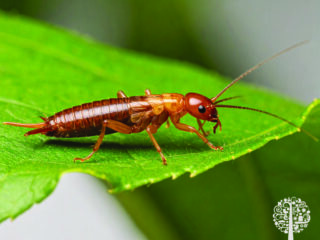
Earwigs: I am the first to admit that I don’t like earwigs. I’m especially upset if I find them in the house. Yuck! But they’re not all bad in the garden. Yes, they can eat certain crops, such as lettuce or sweet corn. But they’re also scavengers and feed on mites, aphids, and insect eggs. They also help break down plant matter and help boost soil health.
