


Crop rotation is essential for healthy, productive potato gardens. Potatoes are prone to soil-borne diseases, pests, and nutrient depletion if grown in the same spot year after year. After decades of gardening experience, I’ve developed rotation strategies that keep my potato beds productive while improving soil health.
Why Rotate Potatoes?
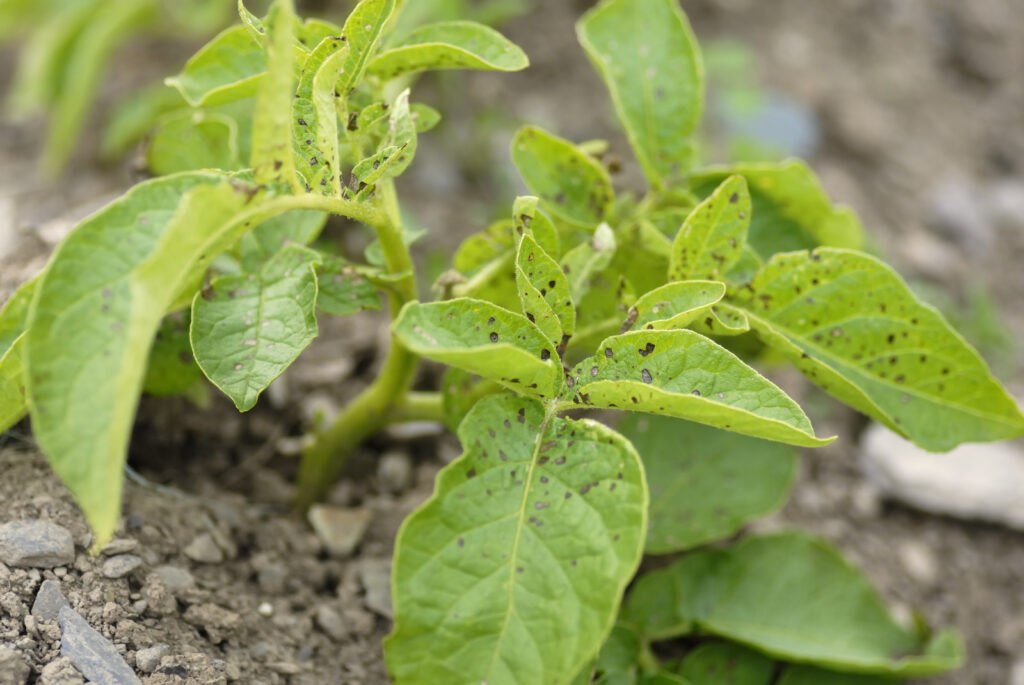
- Prevent disease: Rotating reduces the buildup of pathogens like late blight and verticillium wilt.
- Reduce pests: Crop rotation disrupts the life cycle of pests such as wireworms and nematodes.
- Maintain soil fertility: Different crops use and replenish different nutrients, preventing soil exhaustion.
Basic Rotation Principles
- Avoid nightshades after nightshades: Don’t plant tomatoes, peppers, eggplants, or potatoes in the same bed more than once every three years.
- Follow with nitrogen-fixing crops: Beans and peas help replenish nitrogen after nutrient-demanding potatoes.
- Include leafy greens or cereals: Crops like spinach, kale, or oats help restore soil structure.
- Use cover crops: Legumes, clover, or buckwheat prevent erosion, suppress weeds, and add organic matter.
Sample Potato Rotation Plan (3-Year Cycle)
| Year | Crop | Purpose |
|---|---|---|
| Year 1 | Potatoes | Main crop |
| Year 2 | Beans or Peas | Nitrogen fixation |
| Year 3 | Leafy Greens / Cereal | Soil structure, organic matter |
Additional Rotation Tips
- Avoid repeated root crops: Don’t plant carrots, beets, or turnips directly after potatoes—they compete for similar nutrients.
- Keep records: Note which crops were planted where to avoid accidental repetition.
- Amend soil: Add compost before planting the next crop to replenish nutrients.
Gardener’s Tip:
In my Sonoma Valley garden, I rotate potatoes in raised beds using this three-year cycle and supplement with composted mulch. This strategy consistently produces disease-free tubers and rich soil.
The post Crop Rotation Strategies for Potatoes appeared first on Harvest to Table.
