


Hi GPODers!
A couple of weeks ago I featured Carla Zambelli Mudry’s stunning rose collection in Malvern, Pennsylvania (Carla’s Collection of Roses in Pennsylvania) and gave a call for more GPODers to share the plants they enjoy collecting. There are many different genuses and plant varieties that are tempting to collect, but there is one that I was not at all surprised to find amongst the Garden Photo of the Day submissions: daylilies. This diverse genus is full of big and bold blooms that fill the peak season with color, and Gail Bromer in Black Mountain, North Carolina has a stunning collection. Gail has shared her garden several times in the past (Check out some of her previous submissions: Gail’s Garden on the Side of a Mountain, The Light of Spring After a Dark Fall and Winter in North Carolina, Gail’s Spring Flowers in North Carolina, Replacing a Lawn With Wildflowersand more), but I don’t think we’ve been treated to a fraction of these fantastic flowers in that time. Even our frequent contributors continue to surprise us! Today we’re enjoying some of Gail’s gorgeous daylily collection, but keep an eye out for some very different photos from Gail later in the week.
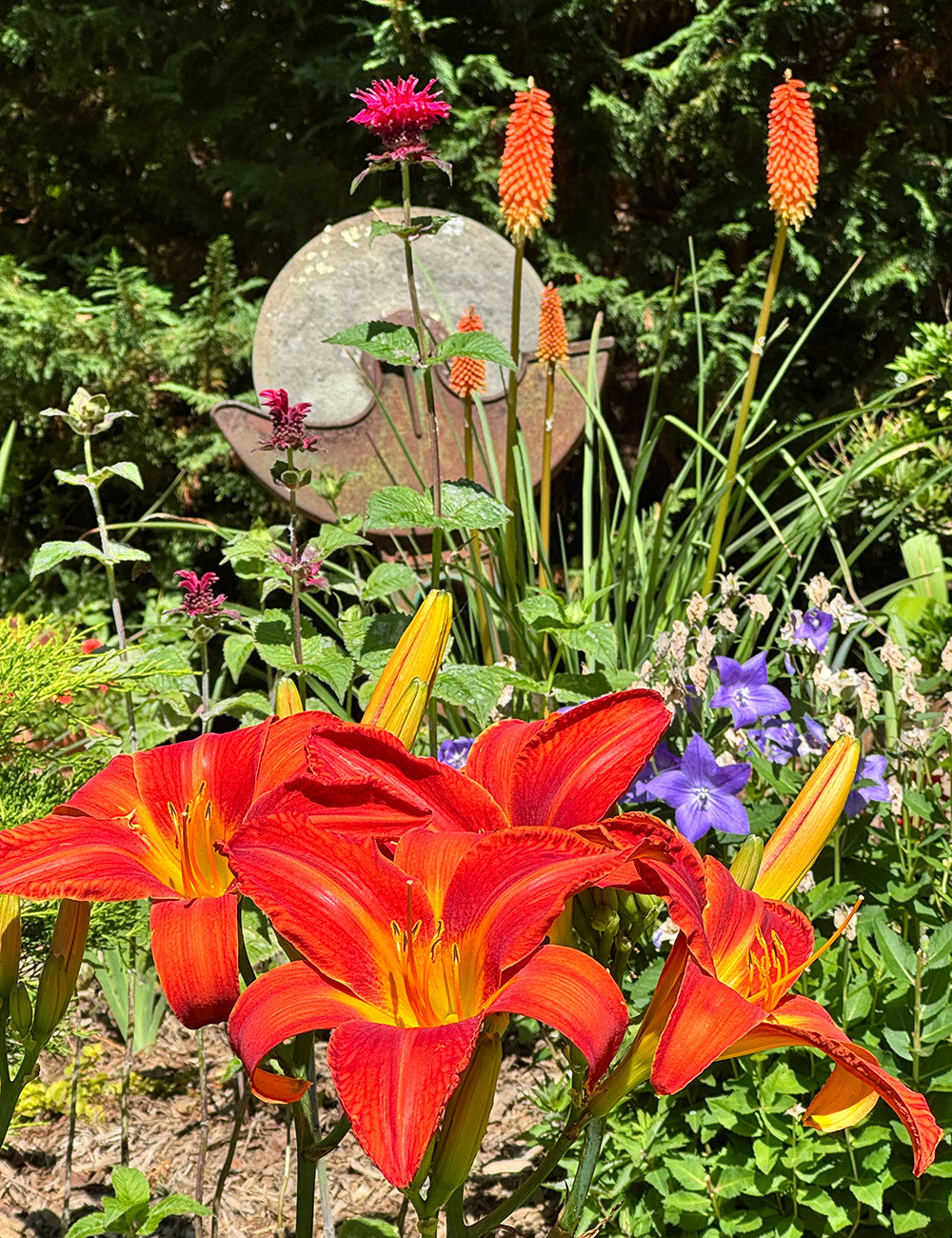 Here’s a stunning large red daylily paired with red hot poker (Kniphofia uvaria, Zones 5–9), bee balm (Monarda didyma, Zones 4–9), balloon flower (Platycodon grandiflorus, Zones 3–8) and an antique grinding wheel.
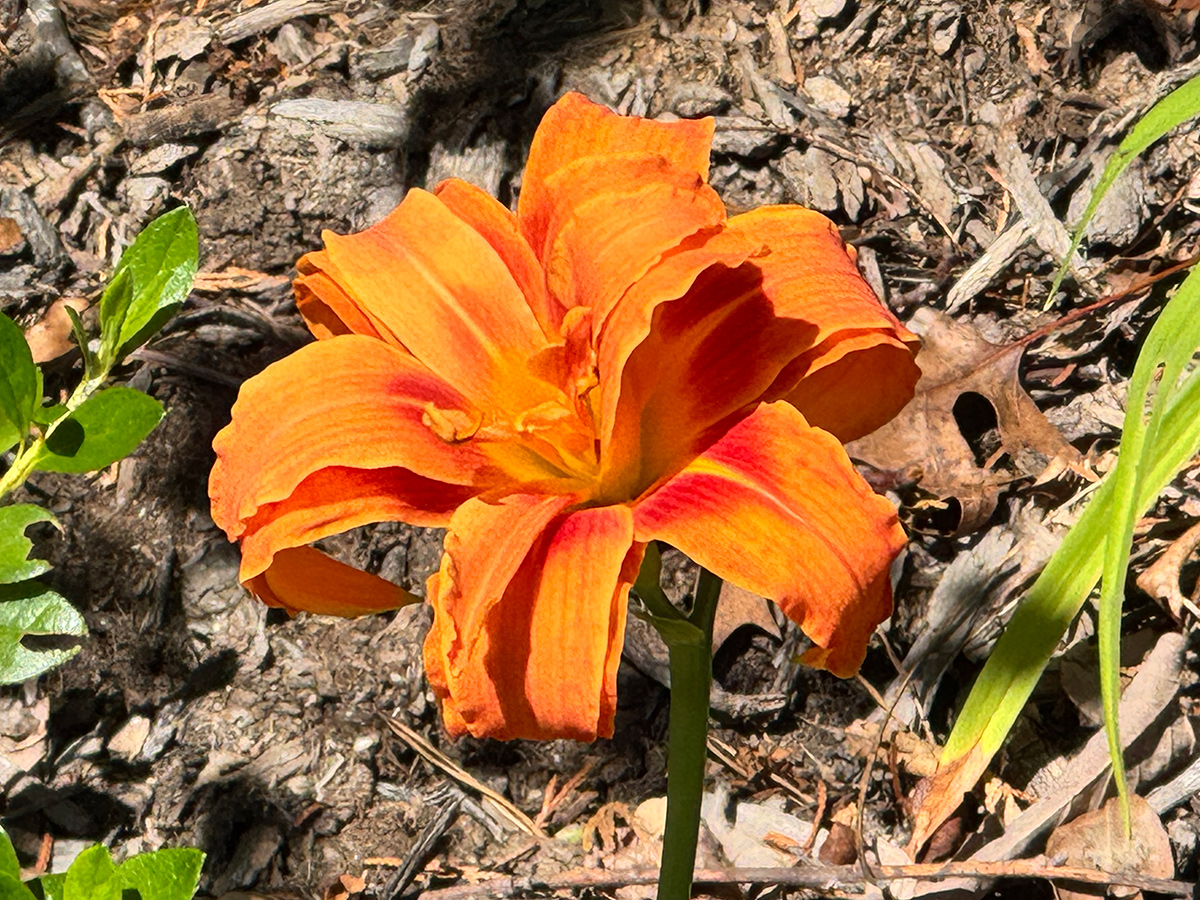 A double bloom that was a castaway from a friend
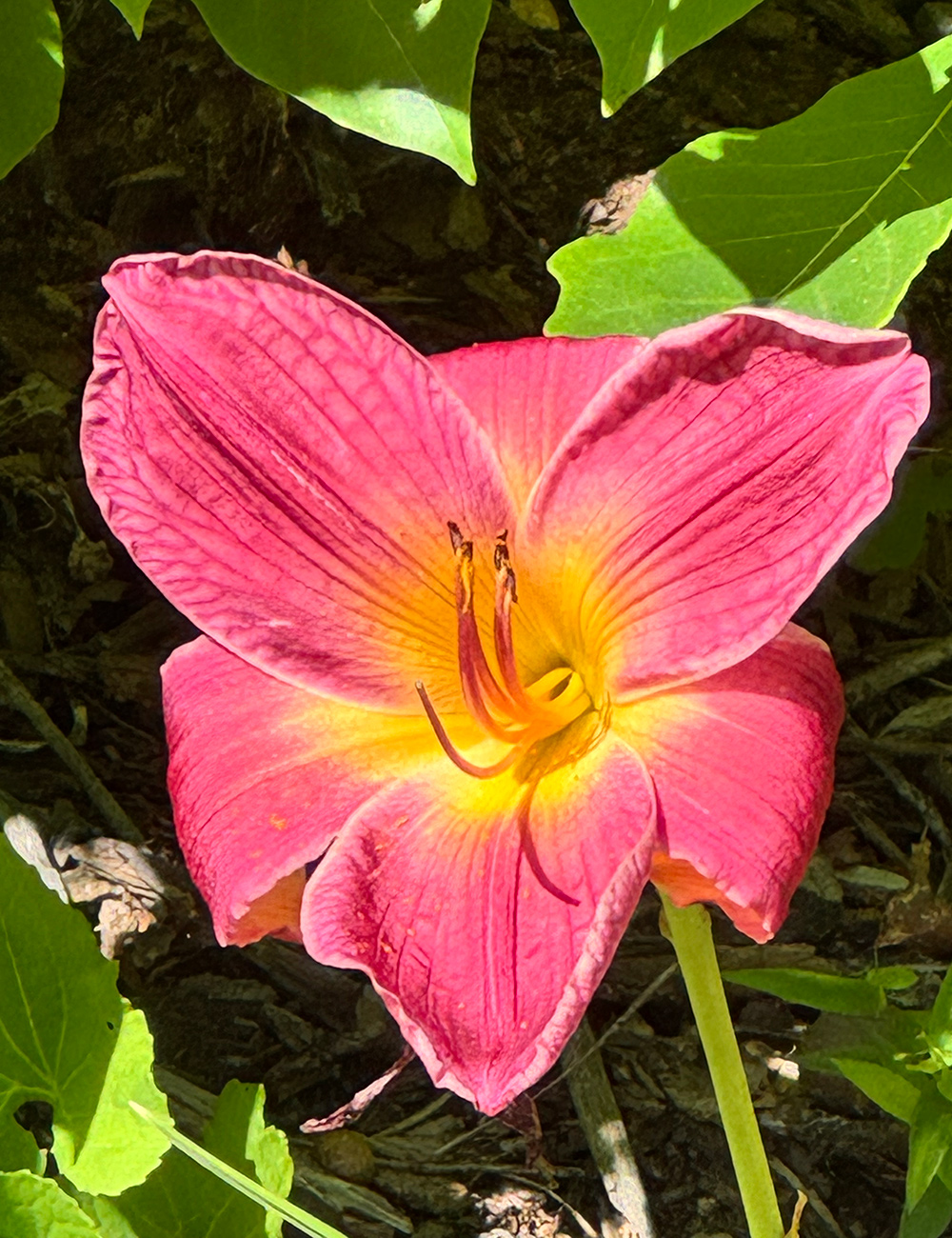 Pretty in pink
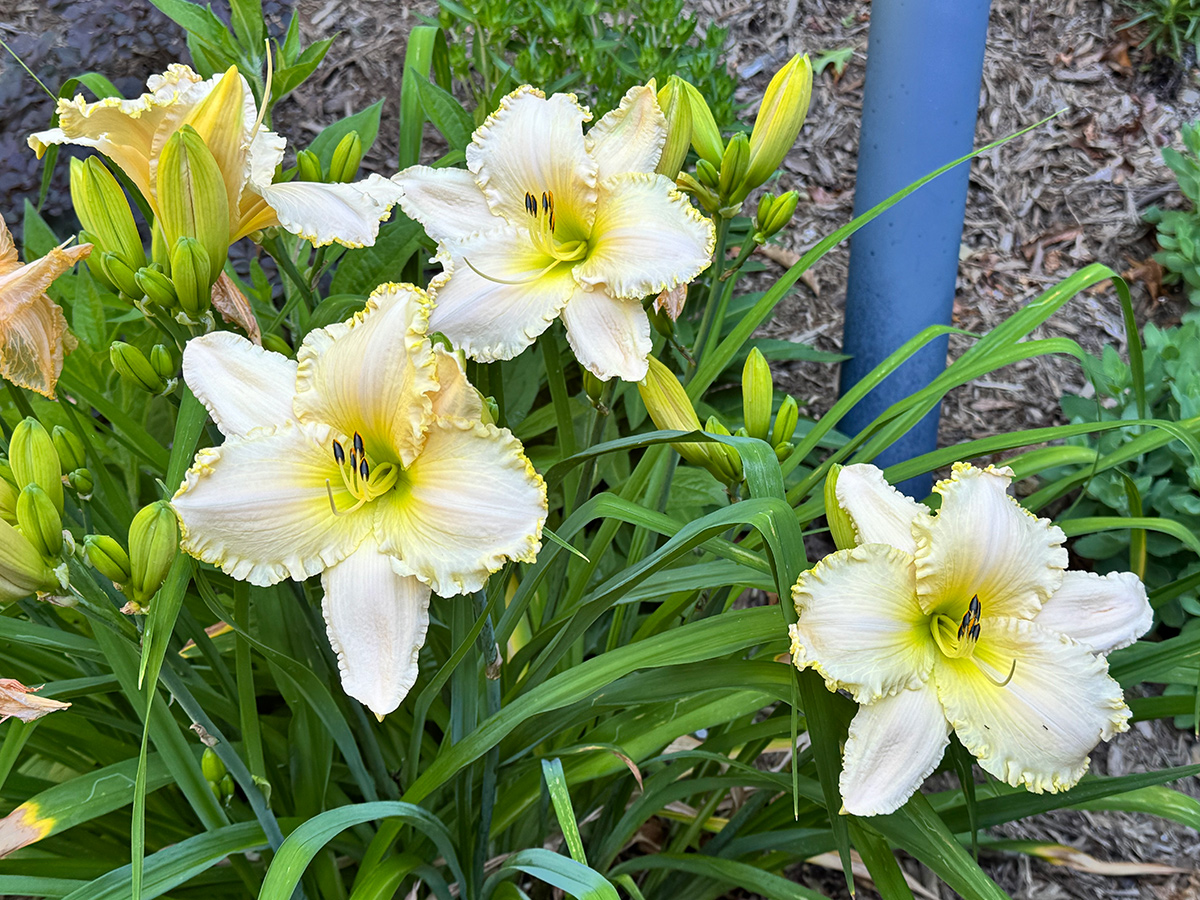 Big blooms. This clumps will produce more than 60 flowers this season.
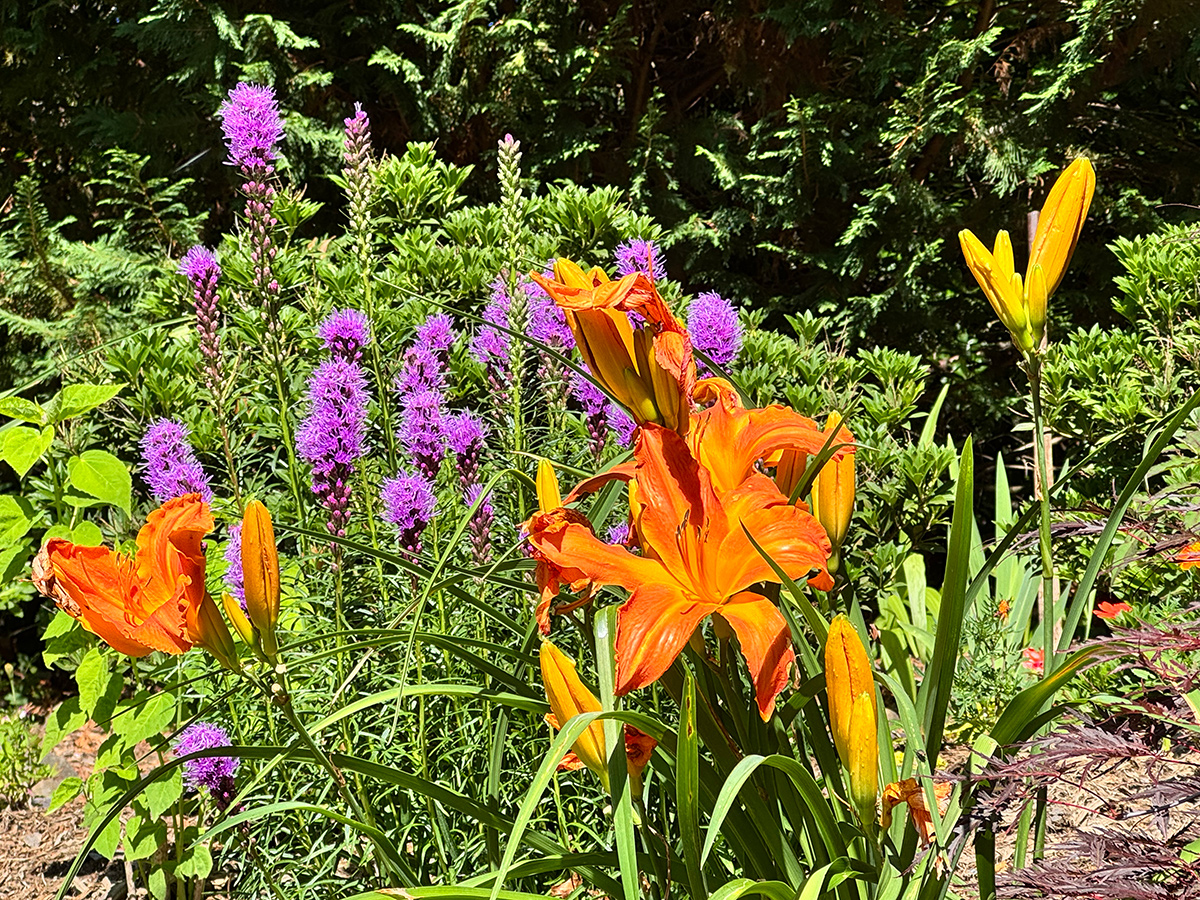 Liatris with a big orange daylily from a specialty grower. Blue Ridge Daylily outside of Asheville NC has an amazing selection and is a joy to visit in the blooming season.
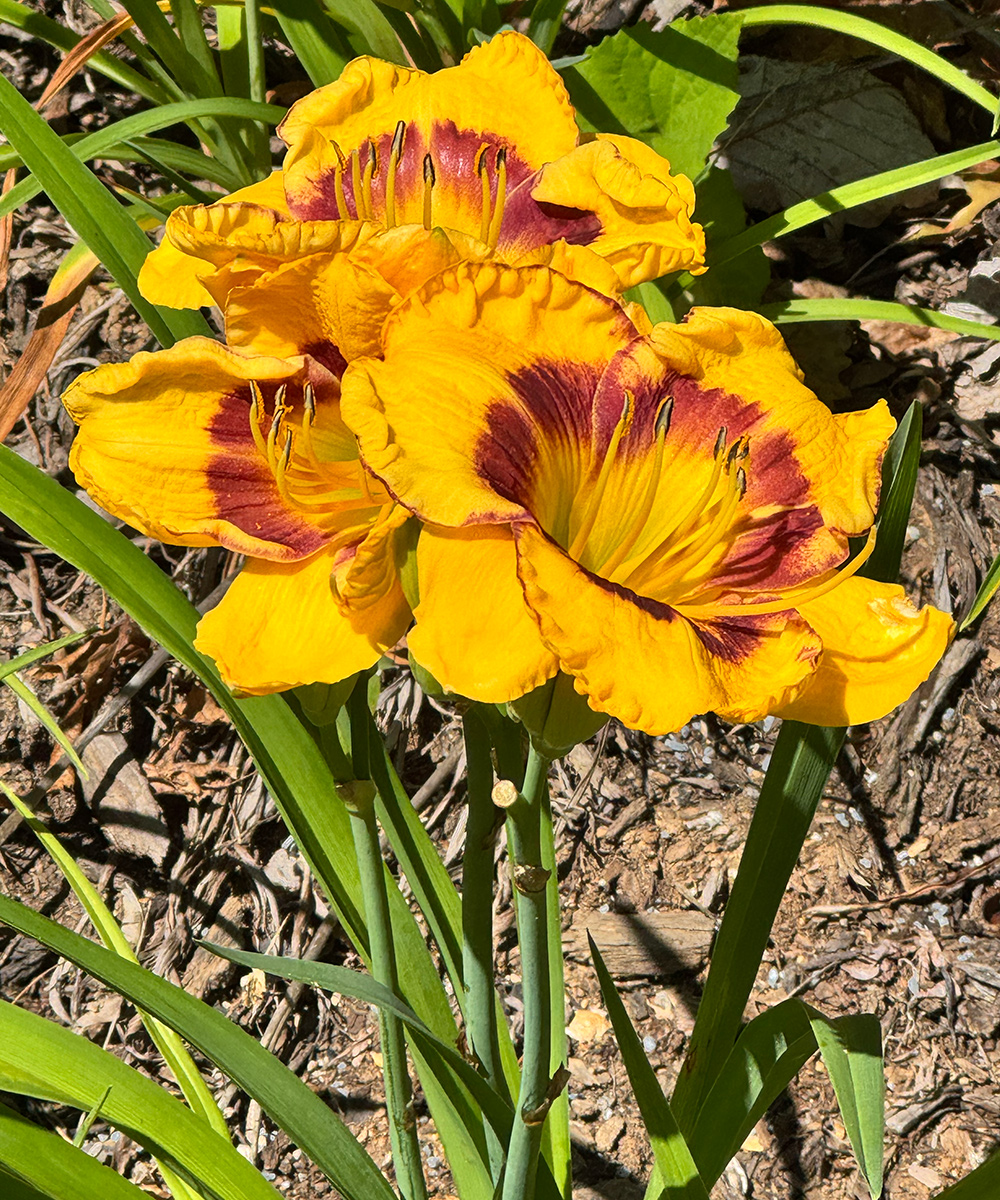 For the extra textural appeal, ruffled daylilies tend to be my favorite. This bright yellow variety, potentially the ‘Fooled Me’ cultivar (Hemerocallis ‘Fooled Me’, Zones 3–8), is particularly eye-catching.
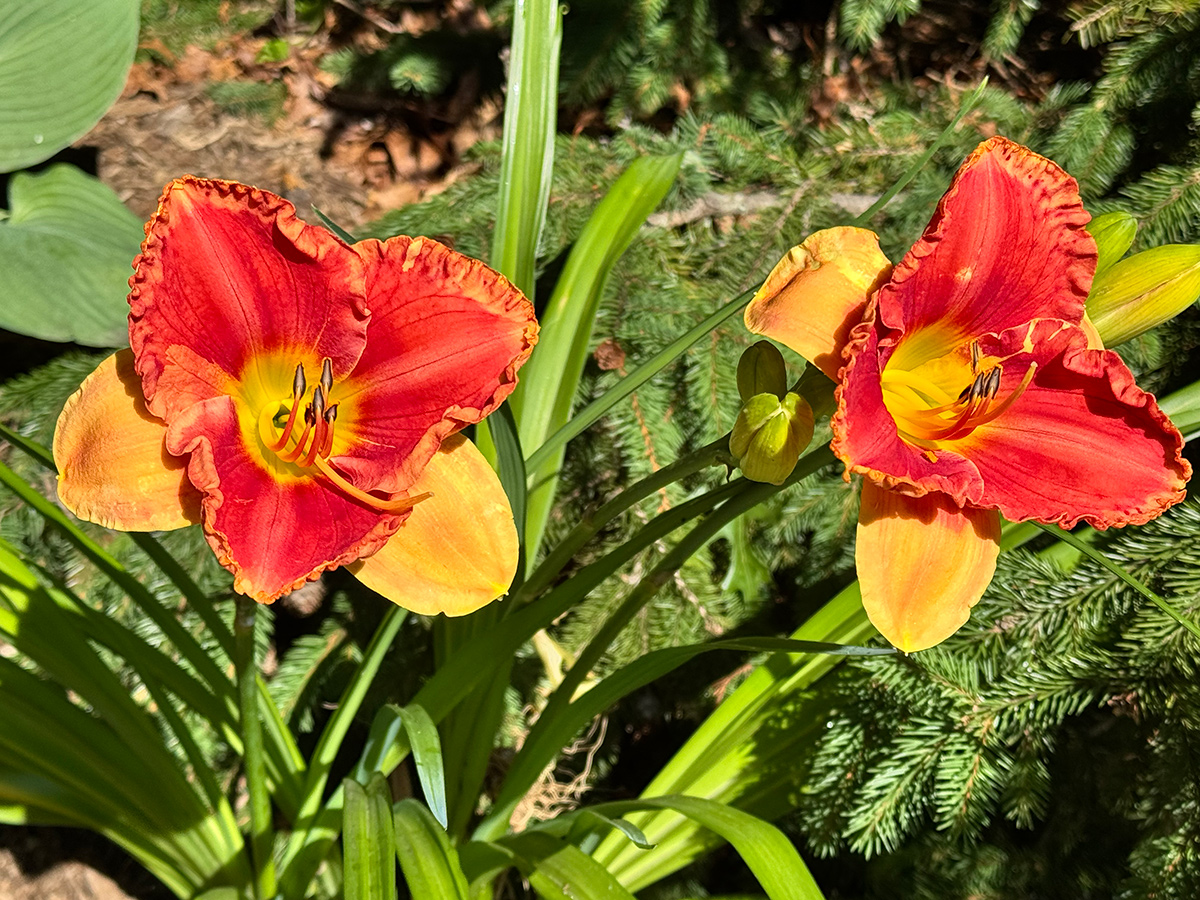 This is another ruffled variety that Gail shared with cool, mis-matched petals. I couldn’t nail down a cultivar for this, is anyone else familiar?
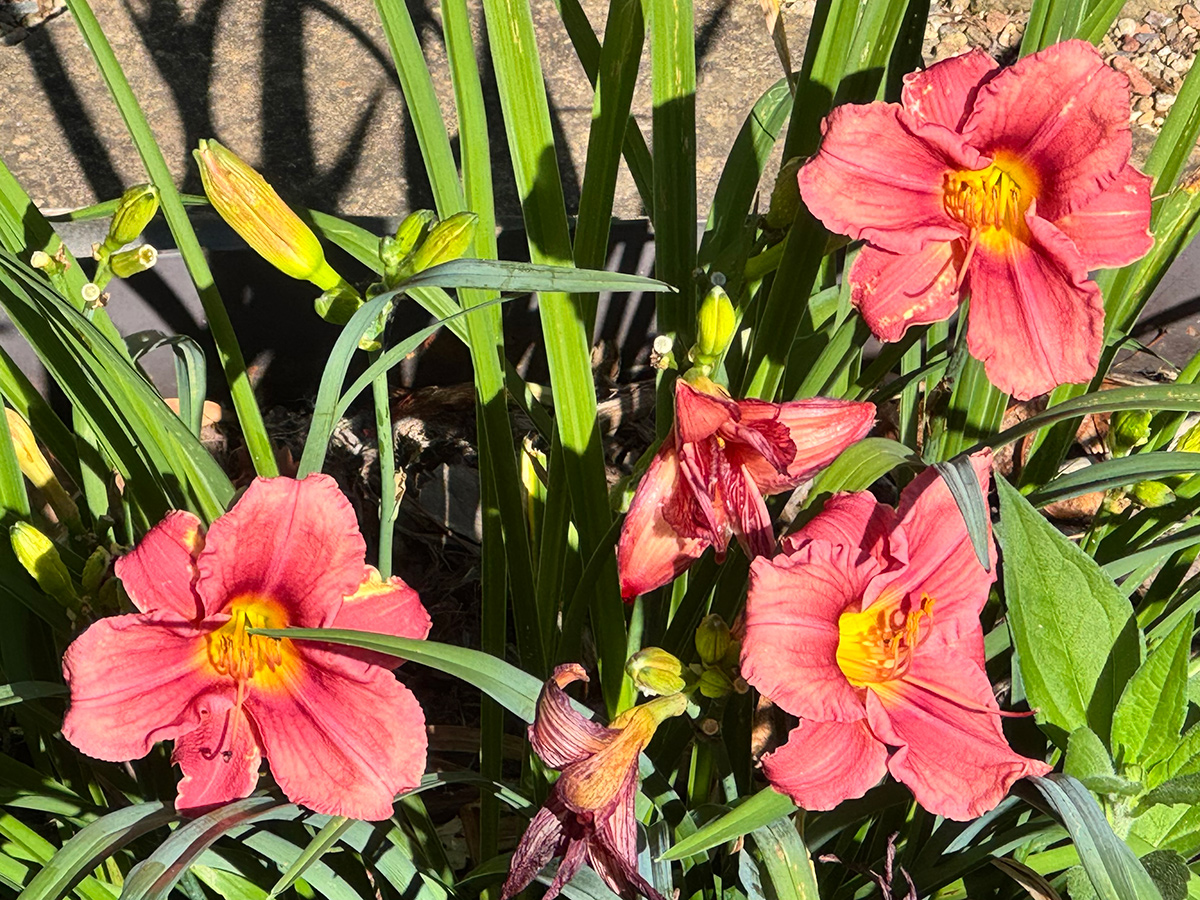 Enjoy!
Thank you so much for sharing your glorious collection of daylilies with us, Gail! It is easy to get hooked on Hemerocallis with the wide variety of cultivars, and you have amassed a wonderfully diverse assortment.
And we would love to see more colorful plant collections! If you have a favorite flower, or shrub, or houseplant variety that you can’t get enough of, please consider sharing photos of your collection with the blog. Follow the directions below to submit your photos to Garden Photo of the Day!
We want to see YOUR garden!
Have photos to share? We’d love to see your garden, a particular collection of plants you love, or a wonderful garden you had the chance to visit!
To submit, fill out the Garden Photo of the Day Submission Form.
You can also send 5–10 photos to (email protected) along with some information about the plants in the pictures and where you took the photos. We’d love to hear where you are located, how long you’ve been gardening, successes you are proud of, failures you learned from, hopes for the future, favorite plants, or funny stories from your garden.
Do you receive the GPOD by email yet? Sign up here
Fine Gardening Recommended Products
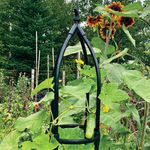
Lee Valley Garden Obelisks
Fine Gardening receives a commission for items purchased through links on this site, including Amazon Associates and other affiliate advertising programs.
Sturdy yet lightweight, these obelisks provide ample support for climbing plants while being easy to install and move. The medium obelisk stands 68 1/2″ high overall with a diameter of about 9 1/2″, compact enough for smaller containers indoors or out. The large size stands 86 1/2″ high with a diameter of 15 3/4″, ideal for larger outdoor spaces and containers.
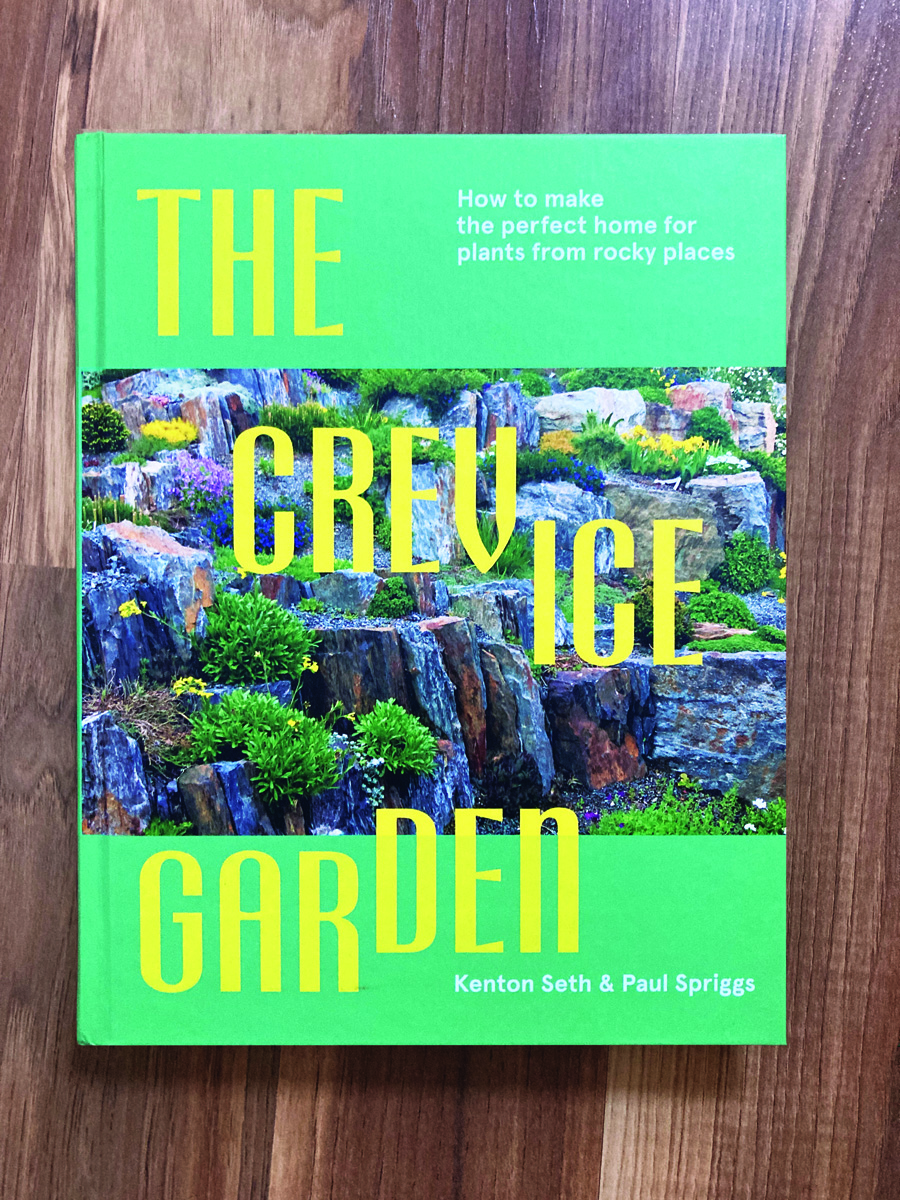
The Crevice Garden: How to make the perfect home for plants from rocky places
Fine Gardening receives a commission for items purchased through links on this site, including Amazon Associates and other affiliate advertising programs.
A crevice garden replicates the environmental conditions of mountain tops, deserts, coastlines, and other exposed or rocky places on earth. These striking garden features provide perfect conditions for the plants native to these far-off places, bringing the cultivation of these precious gems within everybody’s reach.
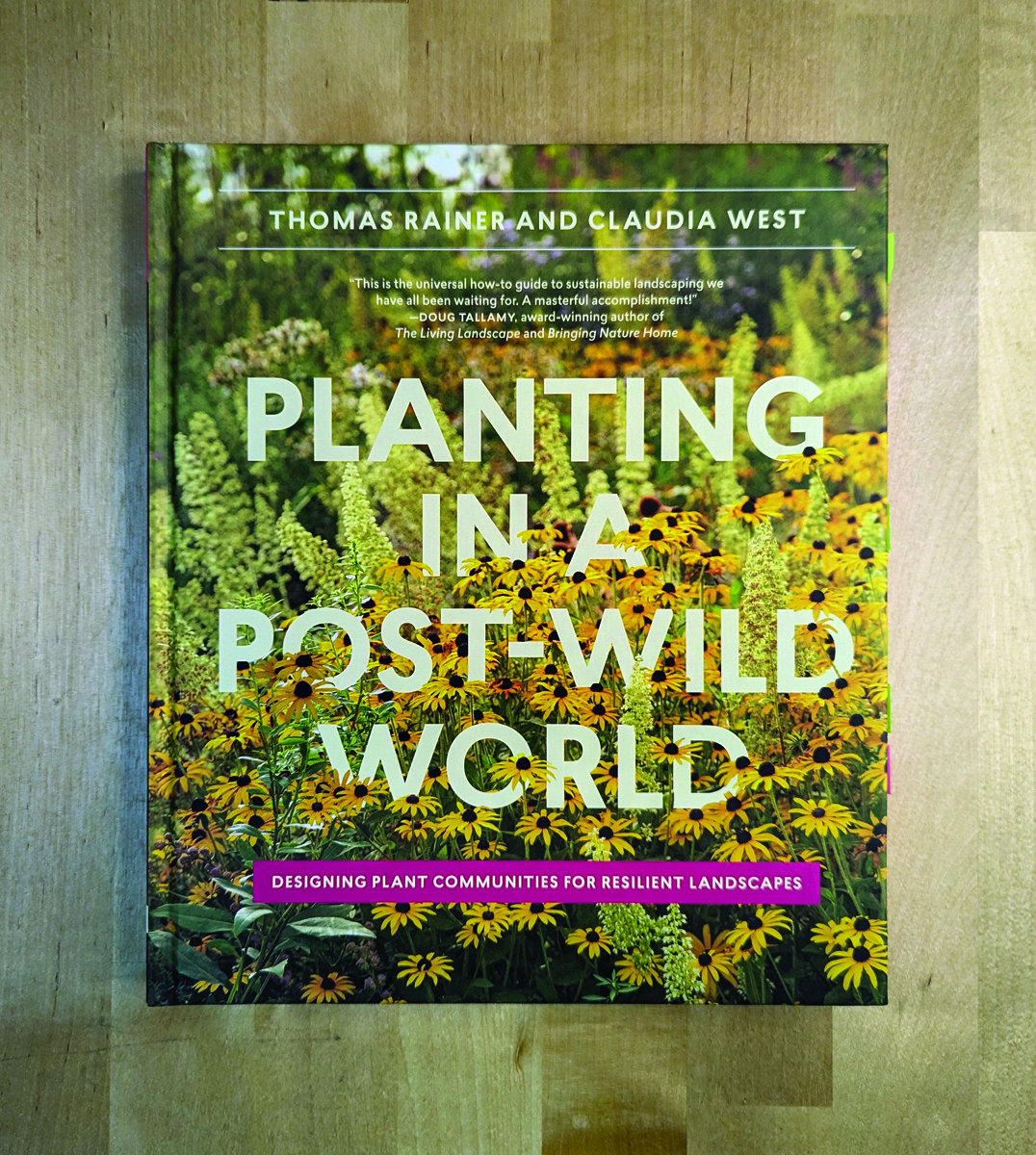
Planting in a Post-Wild World: Designing Plant Communities for Resilient Landscapes
Fine Gardening receives a commission for items purchased through links on this site, including Amazon Associates and other affiliate advertising programs.
Featuring gorgeous photography and advice for landscapers, Planting in a Post-Wild World by Thomas Rainer and Claudia West is dedicated to the idea of a new nature—a hybrid of both the wild and the cultivated—that can nourish in our cities and suburbs.
